

♥ Wishlist
Compare 46 verified Trimmers & Clippers for Men and Personal Grooming products in India. Reviews, ratings, pros, cons and buying advice updated for October 2026.


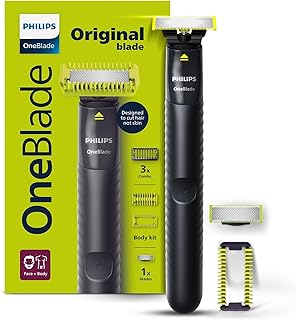


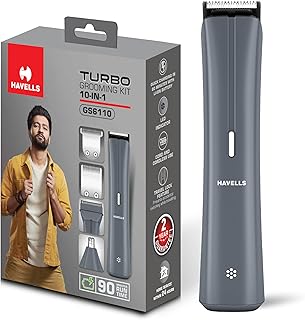


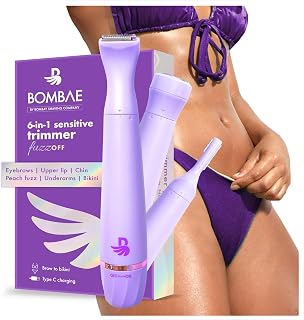


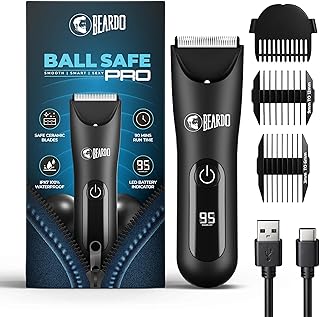

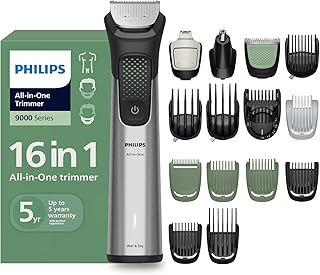


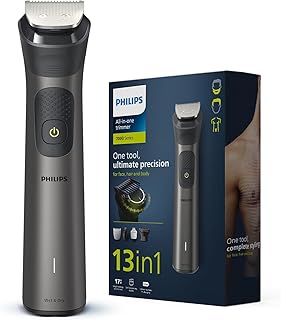


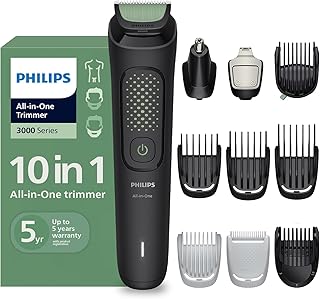


Choosing a trimmer or hair clipper in India in 2026 is no longer simply about finding the highest number of cutting lengths. Modern grooming devices differ in blade design, motor performance, battery systems, charging methods, wet-and-dry capability, attachments, ergonomics, maintenance requirements and intended use. The right choice depends on whether you primarily trim a beard, maintain stubble, shape body hair, cut scalp hair at home, or want one versatile grooming device for several jobs.
This independent buying guide is designed to make comparison easier. Instead of treating every trimmer as interchangeable, consider the cutting system, precision, power delivery, runtime, charging convenience, included combs and the type of grooming you actually perform. Brands such as Philips, Braun, Wahl, Panasonic, Havells, Syska, Xiaomi, Ustraa and Beardo offer products across different grooming categories, but specifications can vary substantially between individual models.
For shoppers in India, practical factors such as charging compatibility, replacement parts, local service considerations, humidity, frequent travel, beard density and long-term maintenance can be just as important as headline specifications. Always compare the exact model's current specifications, included accessories, customer feedback and retailer terms before purchasing.
The latest grooming devices increasingly focus on convenience and controlled cutting rather than simply adding more accessories. Adjustable cutting systems, washable construction, improved battery management, USB charging on selected devices, precision attachments and multifunction grooming kits have become important considerations when comparing modern products.
A beard trimmer generally prioritises facial-hair control, edging and adjustable stubble lengths. A hair clipper is usually designed for larger areas and repeated cutting through scalp hair, often with a stronger motor and wider cutting head. Multigroom systems attempt to combine several functions through interchangeable heads and guards.
These categories overlap, but they should not automatically be considered equivalent. A compact beard trimmer can be convenient for everyday facial grooming while being less appropriate for frequent full-head haircuts. Conversely, a powerful clipper can handle dense hair efficiently but may be unnecessarily large for someone who only wants to maintain short facial stubble.
A beard trimmer is usually the best starting point for someone whose primary objective is maintaining facial hair. Look for a comfortable cutting head, an adjustment system that matches your preferred beard length, a reliable grip and straightforward cleaning.
Short-stubble users should pay particular attention to the lowest available cutting range and the precision of the adjustment mechanism. Someone maintaining a medium or longer beard may place greater value on longer guards, incremental adjustment and the ability to keep both sides of the beard consistent.
Philips, Braun, Panasonic, Havells, Syska, Xiaomi, Ustraa and Beardo are among the brands commonly associated with men's grooming products in the Indian market. However, brand recognition alone should not determine a purchase. Compare the exact model's blade system, guard range, battery specifications, charging method and included accessories.
If the primary requirement is cutting scalp hair, a dedicated clipper can be more suitable than a compact beard trimmer. Clippers are generally designed around larger cutting areas and sustained cutting through hair.
When evaluating a home hair clipper, examine the motor, blade width, guard system, corded or cordless operation and ease of cleaning. A device that is comfortable for repeated passes can be more useful than one with an impressive-looking accessory count.
Wahl and Panasonic have long been associated with clipper and grooming equipment, while Philips, Havells and other consumer-grooming brands offer products aimed at home users. Always distinguish professional-oriented specifications from the features actually needed for occasional household haircuts.
Multigroom kits appeal to users who want one device for several grooming tasks. Depending on the exact model, a kit may include a beard trimmer head, body-grooming attachment, detailer, nose-and-ear attachment and several combs.
The advantage is convenience. The disadvantage is that a multifunction kit may compromise on specialised performance compared with a dedicated tool. If you mainly maintain a beard, buying a highly specialised beard trimmer may make more sense than choosing a large kit with attachments that will rarely be used.
Before buying a multigroom system, check exactly what is included. Product names can make kits sound similar while the number and purpose of attachments differ considerably between models.
Precision trimming is important for users who regularly define cheek lines, moustache edges, neckline borders or sideburns. For this purpose, head shape and visibility around the blade can matter as much as raw motor power.
A narrow detailing head can provide greater control around corners and small areas. The ideal tool should allow you to see the cutting area clearly without repeatedly repositioning the device.
For sharp-looking beard maintenance, compare the shape of the precision head, cutting width, available detailer attachment and ergonomic grip rather than selecting a model solely because it offers a larger battery or more combs.
Cordless operation eliminates the need to remain close to a wall socket and can make home haircutting considerably easier. It is particularly useful when the user needs to move around a mirror or assist another family member.
Battery capacity alone does not tell the entire story. Runtime, charging duration, battery condition over time and whether the device can be used while connected to power should all be considered where applicable to the exact model.
If you routinely forget to recharge devices, a model with a convenient charging system may be more practical than a product with advanced features that you cannot reliably keep powered.
Wet-and-dry grooming can be attractive for users who prefer cleaning convenience or incorporate grooming into a shower routine. However, shoppers should never assume that a trimmer is waterproof merely because it is described as washable.
Check the manufacturer's exact instructions for water exposure, cleaning and charging. Some devices can be rinsed under running water, while others may only have washable components. Charging a device while it is wet is generally something users should avoid unless the manufacturer's instructions explicitly permit the relevant procedure.
Adjustable comb systems can reduce the need to keep track of multiple loose attachments. They are particularly convenient for people who regularly switch between short stubble and longer beard lengths.
However, the number of settings is not the same as useful precision. A product with many nominal settings is not automatically better than a simpler system with practical increments that match your preferred beard lengths.
When comparing adjustable systems, look for secure comb positioning and a mechanism that does not feel unnecessarily complicated. Consistency matters because an unstable guard can lead to uneven trimming.
Blade construction has a direct influence on the cutting experience. Different manufacturers use different blade materials, geometries and coating approaches, so specifications should be interpreted alongside the intended use.
Self-sharpening claims should not be treated as meaning that blades will remain perfect indefinitely. Cutting performance can still be affected by accumulated hair, skin oils, improper cleaning, wear and the condition of moving components.
For buyers concerned about long-term ownership, maintenance instructions and replacement blade availability can be more meaningful than marketing language surrounding the initial sharpness of the cutting system.
Body grooming requires different priorities from facial trimming. A suitable body-grooming device should be comfortable to control across larger and more sensitive areas, and the attachment design should match the intended use.
Users should read the manufacturer's instructions regarding which body areas are supported and which attachments should be used. Do not assume that an attachment designed for facial hair is automatically suitable for every body-grooming application.
Frequent travellers may prefer a compact grooming device rather than a large kit. The most useful travel features can include a small footprint, secure guard storage, convenient charging and a battery system that suits the length of the trip.
Travel users should also consider whether the charging arrangement is convenient for their destination. USB charging can be useful in some situations, but the exact charging requirements should always be checked before travelling.
Cutting length should be based on your grooming routine rather than the maximum number advertised on the package. Very short stubble requires precise low settings, while fuller beards require longer combs and consistent adjustment.
If you normally maintain one beard length, an uncomplicated adjustment system may be preferable. If you regularly change styles, a wider range of practical settings can be useful.
Remember that the final appearance depends on hair type, growth direction, trimming technique and the number of passes. A stated cutting length should therefore be treated as a specification rather than a guarantee of identical visual results for every user.
Blade material affects durability, corrosion resistance and cutting characteristics. Stainless-steel blades are common because they can provide a practical combination of durability and maintenance convenience, while some products use additional coatings or specialised blade designs.
Do not select a trimmer solely because one blade material sounds more advanced. The entire cutting system matters, including blade geometry, alignment, moving-blade design, guard compatibility and maintenance requirements.
Motor performance becomes particularly important when cutting dense facial or scalp hair. A capable motor can help maintain consistent movement through hair, but motor power figures are not always directly comparable between manufacturers.
Instead of focusing only on a single power number, consider whether the device is designed for beard trimming, detail work, body grooming or haircutting. A compact precision trimmer does not necessarily need the same motor characteristics as a full-size clipper.
For cordless models, evaluate four separate factors: expected runtime, charging time, charging interface and whether the device supports use while charging. These characteristics can have a greater practical impact than a headline battery capacity.
Frequent travellers may value convenient charging more than maximum runtime. Someone who cuts hair for an entire family may prioritise longer operation and predictable performance during extended sessions.
Battery specifications should always be checked on the exact model because different variants within the same product family can have different charging systems and runtimes.
USB charging can simplify travel because users may already carry compatible charging equipment. However, USB does not automatically mean universal compatibility. Check the exact connector, required charging power and supplied accessories.
Proprietary charging stands or cables can provide a neat home setup but may be less convenient if the original accessory is misplaced. Long-term buyers should consider how easy it would be to maintain the charging arrangement.
Always read the exact cleaning and water-use instructions before rinsing a grooming device. Product terminology varies, and safe maintenance depends on the manufacturer's specifications.
A trimmer can have excellent specifications and still be uncomfortable if its shape does not suit your hand. Grip becomes especially important when trimming the back of the neck, shaping sideburns or completing a long haircut.
Look for a body that is easy to hold securely without excessive pressure. Button placement should also be considered because accidental changes in the cutting setting can be frustrating during detailed work.
Motor noise and vibration can influence comfort, particularly during longer grooming sessions. A quieter device is not automatically a better cutter, and manufacturers may describe sound characteristics differently.
For home use, the most important consideration is whether the overall noise and vibration level feels acceptable for the duration and type of grooming you perform.
Accessory counts can make two grooming kits appear dramatically different, but quantity is not the same as usefulness. Prioritise attachments that correspond to your actual routine.
A kit with many accessories is not necessarily better. Unused attachments add complexity and storage requirements without improving your everyday routine.
A beard trimmer can be excellent for facial hair but may not be the most practical tool for regular full-head haircuts. Match the device to the largest and most demanding task you expect it to perform.
Blades and other components can eventually require maintenance or replacement. Before committing to a particular model, investigate whether the manufacturer identifies replacement components for that product and whether the required maintenance is practical for you.
Never infer water safety from a vague description. Check the precise water-resistance and cleaning instructions for the model.
A very long advertised runtime may be unnecessary if your grooming sessions are short and frequent. Charging convenience can be more useful in everyday life.
Fine, sparse facial hair and thick, coarse facial hair can place different demands on a cutting system. Users with dense hair should pay closer attention to motor performance, blade design and the manufacturer's intended use.
Use a specification-first approach rather than choosing the product with the most attractive packaging. Create a short comparison list and assess each model against the same criteria.
Customer ratings can be useful, but they should not be treated as a substitute for specifications. A rating reflects the experiences of different users with different expectations, hair types and grooming habits.
When reading verified customer feedback, look for repeated comments about battery behaviour, blade performance, guard stability, cleaning, charging and long-term usability. A handful of detailed comments can often provide more useful buying information than a large number of one-line ratings.
Pay particular attention to reviews that describe the user's grooming routine. Feedback from someone cutting dense scalp hair is not necessarily relevant to someone maintaining short beard stubble.
Philips, Braun, Wahl and Panasonic represent different approaches to personal grooming and cutting equipment. Rather than declaring one brand universally superior, compare the individual product's intended purpose and specifications.
The correct comparison is therefore model against model, not simply brand against brand.
Indian shoppers can also compare products from brands such as Havells, Syska, Ustraa and Beardo. These brands cover different parts of the grooming market, so the relevant criteria remain the same: cutting range, blade system, power, battery, attachments, cleaning and long-term ownership.
Xiaomi and other consumer-electronics brands may also appear in grooming categories, making it useful to compare their grooming products against established personal-care brands rather than assuming electronics expertise automatically translates into superior grooming performance.
Prioritise precise short-length adjustment, comfortable handling, quick cleaning and convenient charging.
Look for longer cutting settings, stable combs, consistent adjustment and a cutting system suited to thicker facial hair.
Prioritise visibility, a precision head, controlled handling and a narrow detailing attachment where appropriate.
Prioritise a clipper-oriented cutting system, suitable guards, motor performance, comfortable handling and dependable operation during longer sessions.
Prioritise compact size, practical battery life, convenient charging and minimal accessories that still cover your normal grooming routine.
Consider versatility, cleaning convenience, guard selection, operating comfort and whether the device is designed for repeated use across different grooming tasks.
Regular maintenance can help preserve cutting performance and hygiene. The exact procedure varies by model, so the manufacturer's instructions should take priority over generic maintenance advice.
There is no universal replacement schedule because lifespan depends on usage frequency, hair density, cleaning, storage and product construction. Instead of replacing a device simply because it has reached a particular age, watch for meaningful changes in performance.
Technique matters. Begin with clean, appropriately prepared hair and use a consistent direction and pressure. For beard maintenance, trimming against or with the grain can produce different results, so experiment carefully with the technique appropriate to your desired finish.
For longer beards, combing the hair before trimming can help reveal uneven areas. When shaping edges, use a precision attachment where appropriate and make gradual changes rather than removing too much hair in one pass.
For scalp haircuts, consistent guard selection and systematic section-by-section trimming are generally more important than repeatedly passing the device over the same area.
At the entry level, focus on essential cutting performance, useful length settings, basic battery operation and straightforward maintenance. Avoid paying extra for accessories that you are unlikely to use.
Mid-range products can be attractive for users who want better versatility, improved ergonomics, more adjustment options or a broader attachment system. Compare the features you actually need rather than assuming a higher price guarantees better performance.
Premium grooming devices may emphasise refined materials, advanced adjustment systems, improved ergonomics, specialised attachments or more sophisticated charging arrangements. The value depends on whether these features meaningfully improve your grooming routine.
Online product listings can change, and different retailers may carry different variants. Before purchasing, verify the exact model number rather than relying only on the product-family name.
Before making a final decision, use this quick checklist:
There is no single best trimmer for every Indian buyer. The right choice depends on beard length, hair density, desired precision, frequency of use, budget, battery requirements and whether you also need body or scalp grooming.
A trimmer is generally more appropriate for facial-hair maintenance and detailing, while a clipper is generally better suited to larger areas such as scalp hair. A multigroom device can be useful when you want several functions in one system.
Neither is universally better. Cordless models provide freedom of movement, while corded operation can be useful for extended sessions where uninterrupted power is important. Consider your normal grooming environment.
You only need the lengths that correspond to your grooming routine. A smaller number of useful, easy-to-adjust settings can be preferable to a large collection of rarely used options.
No. A premium model can offer useful improvements, but the best value comes from matching the specifications to your needs. Spending more on features you never use does not necessarily improve the grooming experience.
It can be worthwhile if easy cleaning is important to you. However, confirm precisely which parts can be washed and follow the manufacturer's cleaning instructions.
Some beard trimmers can handle limited haircutting tasks, but they are not automatically equivalent to dedicated hair clippers. For frequent full-head haircuts, compare devices specifically designed for scalp hair.
Consider motor performance, blade design, comb stability, appropriate cutting lengths and the manufacturer's intended use. A robust cutting system can reduce the need for repeated passes through dense facial hair.
Depending on the category, shoppers can compare Philips, Braun, Wahl, Panasonic, Havells, Syska, Xiaomi, Ustraa and Beardo. The individual model remains more important than the logo because specifications differ across product lines.
Regular cleaning is advisable, particularly when the device is used frequently. Follow the manufacturer's instructions because cleaning procedures vary between models.
Prioritise compact dimensions, convenient charging, adequate runtime and a small set of useful accessories. A lightweight device can be more practical than a large multigroom kit if your travel grooming routine is simple.
No. Ratings are useful as one source of customer feedback, but specifications, intended use, detailed reviews, maintenance requirements and current retailer information should also be considered.
The best trimmer or clipper is the one that fits your actual grooming routine rather than the one with the longest feature list. Start by deciding whether you need facial trimming, precision detailing, body grooming, scalp haircutting or a combination of these tasks. Then compare cutting range, blade construction, motor performance, battery behaviour, charging, ergonomics, attachments and maintenance.
For an everyday beard user, precise length control and comfortable handling may matter more than a large accessory collection. For someone cutting hair at home, clipper-oriented performance and suitable guards should receive greater attention. For frequent travellers, charging convenience and compact design can be decisive. For users who want one device for several jobs, a well-designed multigroom system may provide the best balance.
Before purchasing in India, verify the exact model specifications, read detailed verified customer feedback, compare current prices from trusted retailers and review the applicable warranty and return conditions. Product availability, pricing and retailer terms can change, so these should be checked at the time of purchase.
Editorial note: Product specifications, pricing, availability, customer ratings and retailer policies can change. Always verify the exact model and current information before making a purchase.
Which follow-up would be most useful: top 10 model-specific comparisons, budget-wise picks under ₹1,000/₹2,000/₹3,000, or SEO FAQ/schema-ready content?