

♥ Wishlist
Compare 60 verified Loafers & Moccasins for Men and Women products in India. Reviews, ratings, pros, cons and buying advice updated for October 2026.


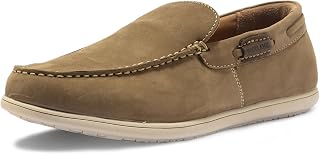


Loafers and moccasins remain among the most versatile footwear choices for Indian wardrobes because they can bridge the gap between formal shoes, casual footwear and occasion-ready styles. In 2026, the strongest choices are not defined by appearance alone. Construction, upper material, sole design, fit, cushioning, breathability, durability and intended use all affect whether a pair is genuinely useful.
This buying guide is designed for shoppers comparing loafers and moccasins in India. Instead of treating every pair as interchangeable, it explains the differences between styles, materials and constructions so you can narrow down the right option for office wear, college, business-casual outfits, weddings, travel, driving and everyday use.
The terms are frequently used interchangeably by retailers, but they describe somewhat different footwear traditions. A loafer generally refers to a slip-on shoe with a relatively structured upper and a defined sole. Moccasin-inspired footwear typically has a softer construction, visible stitching around the upper or toe area and a more relaxed feel.
Modern footwear often combines characteristics of both. A shoe may have moccasin-style stitching but a substantial loafer sole, or a loafer silhouette may use a flexible construction associated with moccasins. For buyers, construction and intended use are therefore more useful than the label alone.
Clean silhouettes remain a dependable choice for shoppers who want one pair that can work across multiple settings. Minimal decoration, a streamlined toe and a restrained sole make this style easier to combine with trousers, chinos, jeans and selected ethnic-western outfits.
Black and dark brown are particularly versatile for formal wardrobes, while tan, cognac and lighter brown shades can provide a more relaxed appearance. When choosing a minimalist pair, pay close attention to the shape of the toe box and the rigidity of the upper rather than judging the shoe solely from photographs.
Suede creates a softer visual texture than smooth leather and works naturally with casual and smart-casual clothing. It is especially useful when the objective is to make an outfit appear relaxed without moving completely into sneaker territory.
Indian buyers should consider the local climate before selecting suede. Dust, unexpected rain and moisture can make light-coloured suede considerably more demanding to maintain. Darker shades and appropriate protective care can be more practical for frequent wear.
Chunkier soles have become a prominent contemporary styling direction. Compared with traditional thin-soled loafers, they create a stronger visual profile and can pair effectively with straight-leg or relaxed trousers.
The extra sole volume can also alter the perceived proportions of an outfit. Very slim trousers combined with an extremely bulky loafer can look unbalanced, while straight or relaxed silhouettes generally accommodate a substantial sole more naturally.
Driving-inspired moccasins are appealing for everyday movement because flexibility is usually a major part of their design. They can be useful for short-distance driving, errands and relaxed occasions.
They should not automatically be considered substitutes for structured walking shoes. If you expect substantial walking, long periods outdoors or demanding surfaces, evaluate the outsole, arch support, heel stability and cushioning rather than choosing purely on flexibility.
Metal hardware can make an otherwise simple loafer look more distinctive. Horsebit-inspired details, understated buckles and other decorative elements can suit smart-casual wardrobes where a plain leather shoe feels too conservative.
Because hardware becomes a prominent visual feature, buyers should consider whether it complements the rest of their wardrobe. A highly decorative loafer may be less versatile than a plain penny loafer even when both are similar in construction.
The most important buying decision is how often and where the footwear will be used. A formal office shoe has different requirements from a casual weekend moccasin.
The upper determines much of the shoe's appearance, flexibility, breathability and maintenance requirements. Genuine leather, synthetic leather, suede, textile and mixed-material constructions each have different characteristics.
Leather can develop character with use and is available in a wide range of finishes. However, the word leather alone does not communicate the complete quality of a shoe. Full-grain, top-grain, corrected-grain and other leather categories can have different surface characteristics and construction methods.
Synthetic alternatives can provide a consistent appearance and may be easier to clean for some everyday applications. Breathability, flexibility and long-term surface behaviour vary substantially between materials, so buyers should inspect the specifications and customer feedback rather than assuming that all synthetic uppers perform identically.
Suede offers a distinctive texture and softer appearance but generally requires more careful maintenance. It can be an excellent choice for controlled indoor and smart-casual use but may be less convenient for frequent exposure to rain and muddy conditions.
Textile panels can reduce visual formality and may improve flexibility or ventilation depending on the construction. Mixed-material loafers can be useful when buyers want casual comfort without abandoning the slip-on silhouette.
Construction influences flexibility, durability, weight and repairability. Two shoes that look almost identical in product photographs can feel very different because their uppers, insoles and soles are assembled differently.
Flexible footwear bends easily under the forefoot and can feel comfortable during casual movement. Moccasin-inspired construction is often associated with this characteristic.
A more structured loafer generally maintains its shape more effectively and can create a polished appearance. This can be desirable for office and formal settings, although excessive stiffness may be uncomfortable if the shoe does not match the wearer's foot shape.
Inspect visible stitching for consistent spacing, secure finishing and clean alignment. Decorative stitching should not be confused with construction stitching. A prominent seam can be primarily aesthetic rather than an indication of a particular manufacturing method.
The outsole is one of the most overlooked parts of a loafer purchase. It directly affects traction, flexibility, weight, durability and how the shoe behaves on different surfaces.
Rubber soles can provide useful traction and tend to be practical for everyday urban use. Different rubber compounds and tread patterns perform differently, so the material name alone should not be treated as a complete performance guarantee.
Leather soles traditionally provide a refined appearance and can suit formal footwear. They may offer less wet-surface traction than appropriately designed rubber outsoles, making the intended environment important.
Synthetic sole materials are common in contemporary affordable and mid-range footwear. Their performance depends on density, formulation, tread pattern and overall construction. Buyers should compare the complete specification rather than selecting solely based on the sole label.
A raised heel can change posture and visual proportions. For everyday use, excessive heel elevation is usually less important than stability and comfort. A broad, secure heel area can provide a more dependable feeling than a narrow decorative heel.
A removable or cushioned insole can be useful for comfort and maintenance, particularly when the footwear is worn frequently. Look for information about cushioning, contouring and whether the insole can be replaced.
Not every loafer requires pronounced arch support, and the ideal level varies between individuals. However, shoppers who plan to wear loafers for extended periods should assess whether the footbed provides enough support for their normal walking pattern.
A secure heel area helps prevent excessive movement inside the shoe. Slip-on footwear should remain secure without requiring the wearer to constantly grip the shoe with their toes.
The toe box should allow the toes to sit naturally without being compressed from the sides or forced against the front. A pointed silhouette may look elegant but can be less comfortable for wider feet.
Breathability is particularly relevant in India's warmer regions. Upper material, lining, insole and overall construction all contribute to heat and moisture management. A perforated or lightweight design may feel different from a heavily lined leather loafer even when both appear similar externally.
Loafers should fit securely because they generally do not have laces or adjustable closures to compensate for excessive movement. A new pair should feel comfortably snug without creating pressure points.
Do not rely solely on your usual numerical shoe size. Sizing can vary between brands, lasts and models. A size that fits well in one pair may feel different in another.
Look for a generous toe box and avoid assuming that a visually wide shoe necessarily provides sufficient internal width. Customer feedback can sometimes reveal whether a model runs narrow, although individual experiences vary.
Narrow-footed shoppers may experience heel slippage in roomy slip-ons. A more secure heel construction and appropriately shaped upper can help reduce unwanted movement.
People with a higher instep may find tightly structured loafer vamps uncomfortable. Flexible uppers can sometimes provide a more accommodating fit, but the opening and vamp height should be evaluated carefully.
Black loafers are a reliable choice for formal trousers, office wardrobes and evening dressing. They offer maximum visual formality among the most common loafer colours.
Dark brown provides substantial versatility and works particularly well with navy, beige, cream, olive and many shades of denim.
Lighter brown shades create a more relaxed impression and can complement chinos, jeans and summer-weight trousers. They can also work with selected traditional and Indo-western outfits.
Deep red-brown and similar shades can add personality while remaining relatively sophisticated. They are useful when a wardrobe already contains basic black and brown footwear.
Choose a relatively streamlined silhouette when wearing tailored trousers. The shoe should complement the trouser break rather than appearing disproportionately bulky.
Chinos are one of the easiest pairings for loafers. Brown, tan, burgundy and suede styles can produce a relaxed smart-casual appearance.
Loafers can work with jeans when the denim cut and footwear profile are balanced. Straight and tapered jeans generally provide more predictable proportions than extremely skinny or heavily oversized styles.
Traditional formal suits usually benefit from refined loafers with restrained detailing. Highly chunky soles and casual driving constructions are better suited to less formal outfits.
Minimal leather loafers, refined moccasins and selected embroidered or decorative slip-ons can work with kurtas, Nehru jackets, bandhgalas and contemporary Indo-western clothing. The right choice depends on the formality and colour palette of the outfit.
When comparing loafers and moccasins, shoppers may encounter established footwear brands such as Hush Puppies, Clarks, Bata, Red Tape, Woodland, Metro, Mochi, Louis Philippe, Allen Solly, Van Heusen, Red Chief and Alberto Torresi. Brand reputation alone should not determine the purchase; compare the exact model's materials, construction, sizing information, outsole and current customer feedback.
For a wider selection, buyers may also encounter products from international fashion and footwear brands sold through Indian marketplaces and retailers. The important comparison is always between specific models rather than assuming that every shoe from a particular brand offers identical construction or comfort.
If two products look similar, use a structured comparison instead of choosing based on photographs alone.
A visually attractive loafer can still be uncomfortable if the last does not suit your foot. Comfort, fit and intended use should be evaluated alongside styling.
Slip-on shoes have less room for fit adjustment than lace-up footwear. An oversized loafer can slip at the heel, while an undersized pair can create pressure across the toes and instep.
The sole determines how the footwear interacts with the ground. A beautiful upper cannot compensate for an outsole that does not suit the surfaces and weather conditions where you intend to wear it.
A formal leather loafer, casual moccasin and driving shoe have different strengths. If your wardrobe covers multiple occasions, buying according to use rather than trying to find one universal pair can produce better results.
Light suede can show dirt and moisture marks more readily than darker, easier-care materials. Think about your commuting environment and seasonal weather before selecting it as an everyday shoe.
The fit of a loafer can change depending on whether it is worn barefoot, with invisible socks or with conventional socks. Decide how you intend to wear the shoe before judging its fit.
For office environments, understated loafers are usually easier to style than heavily decorated designs. Black and dark brown remain practical choices for formal settings, while medium brown and refined suede can work in offices with a more relaxed dress code.
Consider your daily commute as well. If you walk significant distances, comfort and outsole traction may matter more than having an extremely formal sole. Some professionals may prefer carrying a formal pair separately and commuting in more comfortable footwear.
College wardrobes often demand flexibility because the same pair may be worn with jeans, chinos, casual shirts and semi-formal outfits. In this situation, a moderately casual loafer with a flexible sole can be more useful than an extremely formal model.
Dark brown, tan and neutral shades can provide broader outfit compatibility. Easy-care synthetic or mixed-material options may also be worth considering if the shoes will be used frequently in dusty or unpredictable outdoor conditions.
Occasion footwear benefits from a more deliberate approach. Consider the fabric and colour of the complete outfit, not just the shoe. A polished loafer can complement tailored ethnic-western clothing, while decorative moccasins may work better with relaxed celebratory outfits.
For formal evening events, darker colours and refined finishes generally create a more sophisticated effect. For daytime functions, tan, brown and selected lighter shades can work well depending on the clothing.
Travel exposes footwear to repeated walking, changing surfaces and long periods of wear. If the shoe is intended for airport travel, sightseeing and casual dinners, prioritise comfort and versatility over highly specialised formal styling.
Remove surface dust regularly with a suitable soft cloth or brush. Use a leather-appropriate conditioner or care product when necessary and follow the footwear manufacturer's guidance. Avoid soaking leather unnecessarily.
Use a suede-appropriate brush to remove dry surface dirt. Avoid treating suede like smooth leather because conventional polishing products can alter its texture and appearance.
If loafers become wet, allow them to dry naturally away from direct high heat. Excessive heat can affect leather, adhesives, finishes and synthetic materials.
Allow footwear to air between wears and avoid storing damp shoes in enclosed spaces. Rotating between pairs can also give each pair more time to dry naturally.
Keep loafers in a dry, ventilated location away from prolonged direct sunlight. Maintaining the shape of structured footwear can help preserve its appearance.
There is no universal lifespan for loafers because durability depends on materials, construction, frequency of use, body weight, walking habits, weather exposure, surface conditions and maintenance.
A pair worn occasionally indoors will experience very different wear from one used daily for commuting. Instead of expecting a specific number of months or years, monitor the condition of the outsole, heel, stitching, upper and interior lining.
Customer reviews can provide useful information, but they should be interpreted carefully. One review saying a shoe is comfortable does not establish that it will fit everyone. Instead, look for recurring patterns across multiple reviews.
Prioritise verified-purchase information where available and compare review patterns with the manufacturer's specifications. Reviews are evidence to consider, not a substitute for objective product details.
The cheapest loafer is not necessarily the best value, and a higher-priced shoe is not automatically superior. Value depends on how well the footwear satisfies your requirements over its expected use.
For example, paying more for a durable formal loafer may make sense if it will be worn regularly for work. Conversely, an expensive suede loafer may be poor value for someone who needs a low-maintenance daily shoe for frequent outdoor use.
Compare material, construction, comfort features, fit, outsole quality, intended frequency of use and maintenance requirements before judging whether a product offers good value.
The best everyday pair depends on your climate, commute, dress code and walking requirements. A versatile leather or synthetic loafer with a comfortable footbed, secure fit and practical outsole is often more useful than a highly specialised formal design.
Some casual loafers can handle moderate walking, but not every loafer is designed for extended walking. Check cushioning, flexibility, heel stability, outsole construction and fit before using a particular pair for long-distance activity.
Not necessarily. Moccasins can feel softer and more flexible, while some structured loafers provide better support and stability. Comfort depends heavily on the last, materials, foot shape, cushioning and construction.
Black and dark brown are among the safest choices for broad wardrobe compatibility. Brown, tan and cognac can be more versatile for smart-casual wardrobes, particularly when jeans and chinos are common.
Leather can be worthwhile when you value appearance, structure and the possibility of maintaining the footwear over time. However, the quality of the complete shoe matters more than the word leather on the product description.
They can be, but maintenance and weather exposure should be considered. Suede may require more care around rain, moisture and dirt, particularly in lighter colours.
They can be styled without visible socks, but comfort and hygiene requirements vary. Invisible socks can provide a compromise between a sockless appearance and moisture management.
Yes. The combination works best when the loafer's formality and shape complement the jeans. Slim-straight, straight and appropriately fitted denim generally creates a balanced appearance.
Some loafers can work with suits, particularly streamlined formal designs. The suitability depends on the suit's formality, trouser cut, loafer construction and the occasion.
They should feel secure around the heel and instep while providing sufficient toe room. Excessive heel movement and cramped toes are both signs that the shape or size may be unsuitable.
Do not automatically size up. Loafer sizing varies by brand and model, so use the manufacturer's sizing guidance and consider the actual fit characteristics of the specific shoe.
Chunkier silhouettes remain a contemporary styling option in 2026. They are especially suitable for modern smart-casual wardrobes, although their proportions should be balanced with the trousers and overall outfit.
The best loafers and moccasins for 2026 are ultimately the ones that match the wearer's actual requirements. A stylish silhouette is only one part of the decision. Material, fit, sole construction, cushioning, climate suitability, durability, maintenance and wardrobe compatibility all contribute to long-term usefulness.
For a versatile Indian wardrobe, start by deciding whether you need formal leather loafers, smart-casual moccasins, flexible driving shoes or contemporary chunky loafers. Then compare the exact models on construction, fit and customer feedback. Checking specifications carefully and considering how the footwear will be used in real conditions can help you avoid buying a pair that looks impressive but spends most of its time unused.