
♥ Wishlist
Compare 53 verified Boat Shoes for Men products in India. Reviews, ratings, pros, cons and buying advice updated for October 2026.


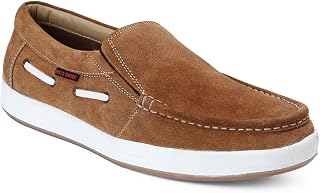


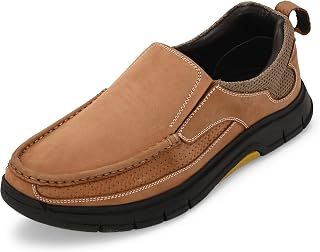
Boat shoes have moved well beyond their original sailing-focused purpose. In India, they can work as versatile casual footwear for summer outings, weekend travel, smart-casual dressing, resort wear, college looks and relaxed office environments. The right pair can combine a low-profile silhouette, practical grip, breathable construction and an easygoing appearance without looking as informal as many sneakers or as dressy as traditional leather shoes.
This guide is designed to help Indian shoppers compare the latest boat shoe styles and understand what actually matters before buying. Instead of choosing a pair only because of its colour or appearance, consider the upper material, outsole construction, tread, cushioning, fit, breathability, moisture management, stitching, lacing system, maintenance requirements and intended use.
Popular footwear names such as Sperry, Clarks, Woodland, Hush Puppies, Bata, Red Tape, Sparx and U.S. Polo Assn. may appear among products or alternatives shoppers encounter while comparing casual footwear. Brand recognition alone, however, should not determine a purchase. Specifications, construction, fit and current customer feedback are more useful when comparing individual models.
Boat shoes are traditionally low-cut casual shoes associated with sailing and wet-deck environments. Their characteristic design commonly includes a moccasin-inspired upper, a non-marking or relatively flexible rubber outsole, traction-oriented tread and lacing around the upper. Traditional versions were designed to provide stability on slippery surfaces while remaining comfortable during extended wear.
Modern boat shoes have evolved considerably. Many contemporary designs retain the visual language of classic deck shoes while using lightweight synthetic materials, textile uppers, modern foam footbeds, rubber compounds and casual-fashion details. Some are closer to traditional leather deck shoes, while others resemble hybrid loafers, driving shoes or lightweight casual sneakers.
This distinction is important when shopping in India. A shoe marketed as a boat shoe may be designed primarily for lifestyle wear rather than genuine marine use. If you actually intend to use footwear around boats, pools, wet decks or other slippery environments, inspect the outsole and traction design rather than assuming that the label guarantees a particular level of grip.
The most useful boat shoe trends for 2026 are not simply about colours. They reflect a broader shift toward lightweight, versatile footwear that can transition between casual and smart-casual settings.
Heavy leather shoes can feel uncomfortable in India's warmer regions, particularly during long periods of walking. Lightweight uppers and flexible midsoles are increasingly useful for shoppers who want the appearance of a traditional boat shoe without excessive bulk.
Before buying, look at the overall construction rather than focusing only on listed weight. A lightweight shoe can still feel uncomfortable if the heel counter is stiff, the outsole is excessively rigid or the upper does not flex naturally.
Canvas, mesh, knitted textile and other breathable materials are practical options for hot-weather casual use. They can allow more airflow than fully enclosed heavy leather construction.
The trade-off is maintenance. Textile shoes can absorb water, dust and stains more readily than smooth finished leather or synthetic uppers. If you expect frequent exposure to rain or muddy streets, consider ease of cleaning alongside breathability.
Leather remains relevant because it provides a timeless appearance and can work particularly well with chinos, linen trousers, denim and tailored casual clothing. Traditional leather boat shoes often develop a more distinctive appearance with regular use, although the result depends heavily on the leather finish and maintenance.
Leather is not automatically the best choice for every Indian climate. Humidity, rain, perspiration and improper drying can affect leather footwear. Buyers should therefore consider where and how frequently they intend to wear the shoes.
Contemporary boat shoes increasingly favour cleaner silhouettes. Reduced branding, simpler stitching and subdued colours can make one pair suitable for several outfits.
Minimalist designs are particularly useful for shoppers who want footwear that can move from weekend clothing to smart-casual occasions without appearing overly sporty.
Navy, tan, brown, black, grey, beige, olive and off-white remain practical colour families because they pair with a wide range of casual clothing. Two-tone uppers and contrasting laces can provide a more traditional nautical appearance.
When choosing a colour, consider your existing wardrobe rather than buying the shade that looks most attractive in isolation. A neutral boat shoe may provide considerably more everyday value if you already own several pairs of casual trousers and jeans.
Some modern shoes combine the appearance of boat shoes with construction borrowed from sneakers, loafers or driving shoes. These hybrids may use foam cushioning, flexible rubber soles and simplified uppers.
Hybrid construction can be useful for travel because it reduces the need to pack multiple casual footwear styles. However, the more a shoe moves away from traditional deck-shoe construction, the more carefully you should assess whether its grip and durability suit your intended environment.
Traditional boat shoes were not necessarily designed around the same cushioning expectations as modern everyday sneakers. Contemporary casual footwear may include moulded footbeds, padded collars and foam-based cushioning.
Cushioning should not be judged solely by softness. Excessively soft footwear can feel unstable for some users, while a firmer footbed may provide a more controlled feel. The best choice depends on your walking habits, body comfort preferences and the shoe's overall geometry.
Flexibility is valuable in casual footwear because it can make walking feel more natural. A rigid sole may be appropriate for specific applications but can feel awkward when used as an everyday walking shoe.
Check where the sole bends. A practical casual shoe generally needs controlled flexibility around the forefoot rather than simply being soft throughout its entire structure.
Rather than treating one particular model as universally best, it is more useful to compare ten broad categories. The right choice depends on climate, wardrobe, walking requirements, maintenance preferences and budget.
Classic leather boat shoes are the traditional choice for shoppers who prioritise timeless styling. They can complement chinos, jeans, shorts, cotton trousers and casual shirts.
Canvas boat shoes are appealing for summer and casual use. Their relaxed appearance works well with shorts, denim and lightweight trousers.
Suede provides a softer, more premium-looking texture than conventional canvas or smooth synthetic materials. It can create an especially attractive smart-casual appearance.
Mesh designs prioritise airflow and lightweight comfort. They can be appealing for hot climates and long casual days.
These shoes borrow visual elements from boat shoes while adding sneaker-style cushioning and flexibility. They are worth considering if conventional deck shoes feel too structured for your daily routine.
Slip-on designs remove the need to tie traditional laces and can be convenient for quick errands, travel and relaxed environments.
The moc-toe construction is one of the most recognisable elements of classic boat shoe styling. Visible stitching around the toe gives these shoes a distinctive heritage appearance.
Driving-inspired designs can have flexible soles and a relaxed construction. They can be comfortable for casual use but should not automatically be treated as equivalent to traditional boat shoes.
Minimal boat shoes focus on clean lines, restrained branding and subtle detailing. They can be particularly effective for smart-casual wardrobes.
Budget boat shoes can make sense when you want the style without treating the footwear as a premium purchase. The important point is to compare construction rather than simply selecting the cheapest option.
The best boat shoe is the one that matches your actual use. A beautiful leather pair is not necessarily the right purchase for someone who walks several kilometres every day in hot weather. Similarly, an ultra-light mesh shoe may not be the best choice for someone seeking a traditional smart-casual look.
Ask where you will wear the shoes most often.
The upper is one of the biggest determinants of appearance, breathability, maintenance and longevity.
Leather: Offers a traditional appearance and structured feel. It generally needs more deliberate care.
Suede: Provides a distinctive texture but is less forgiving of water, stains and neglect.
Canvas: Offers relaxed styling and useful airflow but can become dirty relatively quickly.
Synthetic materials: Can provide predictable construction and easier maintenance, depending on the finish.
Mesh: Can maximise airflow but usually has a sportier visual character.
The outsole is particularly important for boat shoes because traction is one of the category's defining characteristics. Look at the rubber compound, tread pattern, flexibility and coverage.
A tread pattern designed to channel water may be useful around wet surfaces, but the presence of a particular pattern should not be interpreted as a guarantee of slip-proof performance. Real-world grip varies according to the sole material, surface contamination, water, temperature, wear and surface type.
Traditional deck footwear is often associated with non-marking rubber soles. This can be useful on boat decks and indoor surfaces where dark rubber marks are undesirable.
If this feature matters to you, check the manufacturer's specification rather than assuming every boat shoe uses a non-marking compound.
Traditional boat shoes often feature leather or synthetic laces that wrap around the upper. This can create a distinctive appearance while allowing some adjustment.
However, decorative lacing does not automatically mean better support. The important question is whether the lacing actually secures the foot comfortably without excessive pressure across the instep.
The footbed can make a major difference in everyday comfort. Look for information about removable or fixed insoles, cushioning material, arch shape and moisture management.
A removable insole can be particularly convenient for cleaning or replacement, but it may change the internal volume of the shoe. If you use aftermarket insoles, make sure the shoe has sufficient depth and does not create excessive pressure around the toes.
A boat shoe should not repeatedly lift off the heel during normal walking. At the same time, the heel should not be squeezed so tightly that it causes rubbing.
When trying shoes on, walk normally rather than standing still. Test them with the type of socks you expect to wear and pay attention to heel movement, toe clearance and pressure points.
Fit should come before colour, branding and fashion details. A well-made shoe that does not fit correctly is unlikely to become a comfortable everyday shoe.
Your toes should have enough room to spread naturally without being squeezed from the sides. Avoid buying a narrow shoe simply because the upper material looks attractive.
The heel should feel secure without painful compression. A small amount of movement can occur with some casual footwear, but persistent slipping can lead to rubbing and discomfort.
Width is often overlooked because shoppers focus primarily on length. If your feet are naturally wide, pay close attention to the shoe's listed width and shape.
Some lace-up boat shoes can place pressure across the top of the foot. Adjust the laces gradually rather than tightening them excessively to achieve a locked-in feel.
Feet can change in volume throughout the day. When possible, evaluate footwear later in the day and use the socks you are likely to wear with the shoes.
India's climate varies enormously, so there is no single material that is ideal everywhere. A shoe suitable for a dry northern winter may not be equally comfortable during a humid coastal summer.
Breathable textiles and lighter construction can be useful where temperatures and humidity remain high. Consider moisture-wicking socks and allow footwear to dry completely between wears.
Boat shoes are not automatically waterproof. Even a shoe associated with boats may not be designed to keep feet dry during heavy rain.
If monsoon use is important, inspect water resistance claims carefully. Also consider whether the upper, seams, tongue and laces allow water to enter. For heavy rain, dedicated water-resistant footwear may be more appropriate than relying on a lifestyle boat shoe.
Smooth synthetic or finished leather uppers may be easier to wipe clean than textured textile materials. Light-coloured shoes can show dust more readily, so colour choice should also reflect your maintenance tolerance.
Leather and suede can work well aesthetically with autumn and winter casual clothing, particularly when paired with chinos, denim and layered shirts. Breathability becomes less critical when temperatures are lower, although comfort remains important.
Boat shoes and loafers overlap in casual styling but serve different aesthetic purposes.
For a flexible wardrobe, some shoppers may benefit from owning one of each rather than trying to make a single pair serve every situation.
Sneakers generally offer more options for cushioning, athletic-inspired support and contemporary styling. Boat shoes provide a more traditional casual appearance.
If you spend most of the day walking, compare the actual cushioning and outsole design instead of assuming a boat shoe will provide sneaker-like comfort. Conversely, if appearance is the main priority, a clean boat shoe may create a more polished casual outfit than a performance-oriented sneaker.
Driving shoes tend to emphasise flexibility and pedal feel, while traditional boat shoes are more closely associated with deck traction and nautical styling.
Some contemporary products blur the distinction. When comparing these categories, inspect the outsole rather than relying on the product title.
Slip-ons are convenient but may provide less adjustability. Traditional lace-up boat shoes can offer a more secure and customisable fit.
If convenience is your highest priority, a slip-on can make sense. If fit security matters more, especially during longer walks, adjustable lacing may be preferable.
Leather is a strong choice for traditional styling. Look for even finishing, clean stitching and a lining that does not create unnecessary friction.
Suede is visually distinctive but should be treated as a material requiring more careful maintenance. Avoid treating it like smooth leather unless the manufacturer's care instructions specifically allow it.
Canvas is casual and breathable. It can be a good choice for summer but may require more frequent cleaning.
Synthetic leather can offer a leather-like appearance at different price points. Quality varies considerably, so examine finishing, flexibility and stitching.
These materials can improve airflow and reduce weight. They are often best suited to casual and warm-weather use rather than formal settings.
Product photographs can reveal styling details, but construction quality is easier to assess when you deliberately inspect several areas.
Online listings often contain many specifications, but not all of them are equally useful.
Determine whether "leather," "synthetic," "textile" or another description refers to the upper, lining, insole or entire shoe. A product can contain several different materials.
Rubber, EVA and other compounds can behave differently. Rubber often provides useful traction and durability, while foam-based materials can reduce weight and increase cushioning.
Lace-up, slip-on and elasticated constructions offer different levels of adjustability.
Water-resistant, water-repellent and waterproof are not interchangeable descriptions. Read the manufacturer's actual specification and intended-use guidance.
Check whether the insole is removable, cushioned, moulded or moisture-managing if these characteristics matter to you.
Inspect the tread visually where product photography permits. A patterned sole can offer more traction than a completely smooth casual sole, but performance depends on compound and surface conditions as well.
A stylish shoe can still be uncomfortable. Check fit and construction before colour.
The name refers to a footwear category, not a universal waterproof guarantee.
A shoe can have the correct length but still feel uncomfortable because the forefoot is too narrow.
Purchase price does not reveal construction quality or long-term value. Compare materials, stitching, sole design, fit feedback and care requirements.
One isolated review is less informative than repeated comments about the same issue. When reading verified customer reviews, look for recurring observations about sizing, comfort, sole durability, colour accuracy and material quality.
Footwear fit can be difficult to predict online. Before ordering, review the current retailer's return and exchange conditions, particularly for size-related issues.
Frequent rotation can give footwear more time to air and recover from moisture. This is particularly useful in warm or humid conditions.
Leather, suede, canvas and mesh require different care. A cleaning method suitable for one material can damage another.
For a meaningful comparison, create a simple checklist instead of relying on overall ratings alone.
Customer reviews are valuable, but they need to be interpreted carefully. Do not assume that a high average rating means every aspect of a shoe is excellent.
Instead, search reviews for specific information. Look for repeated comments about whether the shoe runs large or small, whether the sole feels comfortable after extended walking, whether the material matches the product description and whether the shoe changes after repeated use.
Also separate subjective preferences from objective observations. One customer may dislike a firm sole because they prefer soft cushioning, while another may consider that same firmness supportive. Repeated reports of sole separation or inconsistent sizing are more significant than a single preference about softness.
Do not rely solely on your usual shoe size because sizing can vary between brands and individual models.
For online footwear shopping, the actual foot measurement is often more useful than assuming that your usual size will fit every brand.
Boat shoes are particularly easy to integrate into men's smart-casual wardrobes.
Brown, tan, navy and neutral boat shoes work naturally with chinos. Add a polo shirt, Oxford-style casual shirt or lightweight overshirt for a polished weekend outfit.
Dark or medium-wash denim pairs well with classic leather and suede boat shoes. For a relaxed appearance, rolled or cropped hems can emphasise the footwear without making the outfit look overly styled.
Boat shoes and shorts create a classic summer combination. Keep the rest of the outfit simple with a polo, linen shirt or casual tee.
Light-coloured boat shoes can complement linen trousers for resort-inspired dressing. Choose a clean silhouette if the rest of the outfit is minimal.
Modern boat shoes can also work with a variety of women's casual wardrobes.
The key is proportion. Chunkier shoes tend to suit relaxed clothing, while streamlined boat shoes work particularly well with cleaner, tailored casual silhouettes.
Brown is one of the easiest choices for traditional styling. It pairs naturally with denim, khaki, beige and many earth tones.
Tan creates a lighter summer appearance and works well with white, navy, beige and pastel clothing.
Navy reinforces the nautical heritage of boat shoes and can coordinate well with jeans and light trousers.
Black provides a more restrained appearance and can work well with monochrome casual outfits.
Light colours look fresh but typically require more frequent cleaning, especially in dusty urban environments.
Contrasting uppers, collars and laces can create a traditional boat shoe aesthetic but may be less versatile than a single-colour minimalist design.
Boat shoes can be useful travel footwear because they can bridge several casual dress codes. A well-chosen neutral pair may work with jeans, shorts, chinos and lightweight trousers.
For travel, prioritise low weight, comfort, versatility and easy maintenance. If you expect rain, do not assume the shoe is waterproof simply because it is a boat shoe.
Also consider packing space. A flexible outsole and relatively low-profile construction can be convenient when luggage space is limited.
Whether boat shoes are suitable for work depends entirely on the workplace dress code. They may work in relaxed business environments but can be inappropriate for formal corporate settings.
For office-casual use, choose clean leather or minimalist designs rather than highly athletic-looking mesh styles. Neutral colours such as brown, navy and black are generally easier to integrate with chinos and smart trousers.
College students and everyday commuters may value versatility and easy maintenance more than traditional construction. Lightweight textile or hybrid designs can be useful when walking between classes, commuting and socialising.
However, if footwear will be used for extensive walking every day, compare it directly with casual walking shoes or sneakers. Boat shoe styling should not be allowed to outweigh comfort and suitability for the actual activity.
Comfort is highly individual, but several factors deserve attention.
If you experience persistent pain, numbness, pressure or rubbing from a shoe, do not assume that breaking it in will solve the problem. A poor fit may remain a poor fit.
Proper care can help preserve both appearance and construction. The correct method depends on the material.
Remove surface dust with a soft brush or suitable cloth. Use leather-specific cleaning and conditioning products when appropriate for the finish. Avoid soaking leather unnecessarily and allow damp footwear to dry naturally.
Use a suede-appropriate brush and cleaner. Avoid aggressive scrubbing and excessive water. Follow the material manufacturer's care recommendations.
Remove loose dirt before cleaning. Use a suitable mild cleaning method and avoid excessive saturation unless the manufacturer's instructions specifically permit washing.
Brush away loose dust and use gentle cleaning methods suitable for synthetic or textile mesh. Allow the shoe to dry completely before wearing it again.
Wipe away dirt from the outsole and inspect the tread regularly. Embedded debris can affect traction.
If footwear becomes wet, remove excess moisture and let it dry naturally in a well-ventilated area. Avoid placing leather or heat-sensitive materials directly against intense heat sources.
Do not store damp shoes inside a closed cupboard or luggage. Persistent moisture can contribute to unpleasant odours and material deterioration.
There is no reliable universal lifespan for boat shoes. Longevity depends on construction, materials, frequency of use, walking surfaces, body weight, climate, maintenance and how the footwear is stored.
Instead of buying with a fixed number of years in mind, inspect the actual condition of the shoe. Signs of significant wear can include heavily flattened cushioning, damaged stitching, outsole separation, worn tread, cracked materials and persistent deformation.
Consider replacement when the outsole has lost substantial tread, the upper has developed structural damage, the heel no longer provides stable support or the shoe has become uncomfortable despite previously fitting well.
Cosmetic wear alone does not necessarily mean a shoe needs replacement. Structural deterioration is generally more important.
There is no single correct budget. The appropriate amount depends on how often you will wear the shoes and which features matter to you.
Always compare today's price across reputable retailers before purchasing because footwear pricing, discounts and availability can change.
Value is not the same as the lowest price. A slightly more expensive pair may be better value if it fits correctly, matches your wardrobe, remains comfortable and meets your usage requirements.
Conversely, paying more for a recognised brand does not automatically guarantee that a particular model is the best option. Compare the individual product's specifications and customer feedback.
Shoppers researching boat shoes may encounter established footwear brands including Sperry, Clarks, Woodland, Hush Puppies, Bata, Red Tape, Sparx and U.S. Polo Assn. Each brand can have different product lines, materials and construction approaches, so compare individual models rather than assuming every product from a brand is equivalent.
Sperry is particularly associated with traditional boat shoe styling. Clarks is known across several categories of casual and dress footwear. Woodland is widely recognised for rugged and outdoor-oriented footwear. Hush Puppies, Bata, Red Tape and Sparx offer various casual footwear options, while U.S. Polo Assn. is commonly associated with casual lifestyle styling.
Brand familiarity can be a useful starting point, but current model specifications, sizing information, customer reviews and retailer policies should remain part of the final decision.
Do not purchase traditional boat shoes simply because they are fashionable if most of your day involves long-distance walking on urban streets. Choose footwear based on actual use.
A well-fitting mid-range shoe can be more useful than an expensive shoe that creates pressure points.
India's climate should influence material selection. Lightweight breathable construction can be valuable in summer, while easy-clean materials can be practical during dusty or rainy periods.
If you want one pair to cover many outfits, neutral colours and restrained detailing are generally easier to style.
Do not stop at the headline product name. Look for upper material, sole material, closure, lining, insole information, care instructions and intended use.
A strong everyday candidate usually balances comfort, durability, versatility and manageable maintenance. It should feel secure during ordinary walking, coordinate with several outfits and be suitable for the climate in which it will be worn.
There is no need for an everyday boat shoe to have the most elaborate design. In many cases, a straightforward construction with a comfortable footbed, dependable outsole and versatile colour can provide more practical value than a heavily decorated model.
A travel-oriented pair should be relatively lightweight, versatile and easy to combine with different clothing. If luggage space is limited, consider whether one pair can cover your casual outfits without looking out of place.
Easy maintenance is also important. A material that requires specialist care may be less convenient during a long trip than a simpler synthetic or textile upper.
For summer, prioritise breathable materials, moisture management, a comfortable footbed and lightweight construction. Light colours can create a cooler visual appearance but may require more cleaning.
Do not assume that maximum ventilation is always better. The shoe still needs to hold the foot securely and provide adequate protection for the surfaces on which you intend to walk.
A lifestyle boat shoe should not automatically be considered monsoon footwear. If rain exposure is frequent, look for products with clearly stated water-resistant properties and suitable outsole traction.
Even water-resistant footwear can have limitations. Water can enter through the tongue, seams, openings and collar, so product construction matters.
If you do not wear boat shoes for several weeks, clean them before storage and allow them to dry completely. Store them in a cool, ventilated location away from excessive heat and direct sunlight.
Leather footwear benefits from appropriate conditioning where the manufacturer's care instructions recommend it. Textile footwear should be stored clean and completely dry to reduce the likelihood of odour and staining.
The best boat shoes in India depend on your intended use, budget, climate and preferred style. For everyday summer use, breathable lightweight construction can be useful. For smart-casual dressing, leather or suede may be preferable. For travel, prioritise versatility and easy maintenance.
They can be, provided the individual model fits well and provides suitable cushioning, outsole traction and durability for your walking routine. If you walk extensively every day, compare boat shoes against walking-oriented casual footwear before deciding.
Not necessarily. Traditional boat shoe styling does not guarantee waterproof construction. Check the manufacturer's water-resistance specification before buying for wet-weather use.
Some people wear boat shoes without visible socks for stylistic reasons, but comfort depends on the individual shoe, foot and climate. In hot conditions, moisture management becomes particularly important.
Some are comfortable for extended casual walking, while others are better suited to shorter periods of wear. Evaluate cushioning, fit, flexibility and outsole construction instead of assuming that every boat shoe provides the same walking comfort.
Yes. Boat shoes generally pair well with jeans, especially classic leather, suede and minimalist styles. The combination works particularly well for relaxed weekend outfits.
Yes. Chinos and boat shoes are a classic smart-casual combination. Brown, tan and navy footwear are especially versatile.
Neither material is universally better. Leather can offer a traditional appearance and distinctive ageing characteristics, while synthetic materials may offer easier maintenance and different weight or moisture-management properties.
Brown, tan and navy are generally easy to coordinate with casual wardrobes. Black can work well for darker and more minimalist outfits.
They should feel secure without excessive heel movement or uncomfortable pressure across the forefoot and instep. Your toes should have sufficient room to move naturally.
They should not be painfully tight with the expectation that they will eventually become comfortable. Some materials may soften with use, but significant pressure points can indicate an unsuitable size or shape.
Only if the individual shoe's construction is appropriate for wet conditions. Check water-resistance information and outsole traction rather than relying on the boat shoe category name.
They can be suitable in relaxed business-casual workplaces, but formal offices may require traditional dress shoes. Always follow your workplace dress code.
Look for a lightweight, comfortable and versatile model that works with several outfits. Easy maintenance is another useful travel feature.
Cleaning depends on the material. Leather, suede, canvas, mesh and synthetic materials require different methods. Follow the manufacturer's care instructions and avoid using aggressive cleaning products without checking material compatibility.
Allow them to dry fully between uses, wear suitable breathable socks, rotate footwear and keep removable insoles clean where possible. Avoid storing damp shoes in closed spaces.
They can be worth considering when the additional cost corresponds to better materials, construction, comfort, finishing or durability. Price alone does not establish quality, so compare the specific model against alternatives.
Measure your feet and compare the measurements with the manufacturer's current size chart. Also examine recent customer feedback for repeated comments about whether the model runs large, small or true to the listed size.
Depending on the product range available to you, you may encounter brands such as Sperry, Clarks, Woodland, Hush Puppies, Bata, Red Tape, Sparx and U.S. Polo Assn. Compare individual models rather than selecting solely on brand reputation.
The best latest boat shoe trend is ultimately the one that improves how the footwear works for your lifestyle rather than simply following a seasonal appearance. Traditional leather remains a strong option for classic smart-casual wardrobes, while canvas, mesh and lightweight hybrids can be more practical for warm-weather everyday use. Minimalist styles offer versatility, while traditional moc-toe designs provide a stronger nautical identity.
For Indian shoppers, climate deserves particular attention. Heat, humidity, dust and monsoon rain can affect both comfort and maintenance. Select materials and outsole construction according to the conditions you actually expect to encounter.
Before making a purchase, compare the current specifications, sizing information, verified customer reviews, return or exchange conditions and today's price at trusted retailers. Give greater weight to repeated feedback patterns than isolated comments, and never assume that a familiar brand or attractive photograph guarantees the right fit.
A sensible final comparison should answer five questions: Does the shoe fit correctly? Is it comfortable enough for the intended amount of walking? Is its material suitable for the local climate? Does the outsole suit the surfaces where it will be used? And does the current price represent good value compared with comparable alternatives?
When those questions have clear answers, choosing between the latest boat shoe styles becomes much easier—and the final purchase is more likely to be useful beyond a single season.