

♥ Wishlist
Compare 28 verified Womens Wallets for Everyday Style & Convenience products in India. Reviews, ratings, pros, cons and buying advice updated for October 2026.


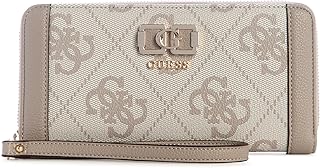


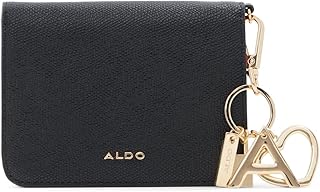


Women's wallets in 2026 are no longer limited to simple cash-and-card holders. For Indian shoppers, the most useful designs balance everyday organisation, compact dimensions, secure storage, material quality and style. A wallet may need to accommodate Indian currency notes, debit and credit cards, an Aadhaar card, driving licence, membership cards, receipts and occasionally coins, while still fitting comfortably inside a handbag, sling bag or tote.
The strongest choices are therefore not necessarily the largest or most fashionable wallets. The better option depends on how much you carry, how often you use cash, whether you prefer a compact handbag-friendly design, and whether you need dedicated coin, card or mobile-phone storage.
This 2026 buying guide focuses on the features that matter when comparing women's wallets in India, including wallet formats, materials, closures, compartments, card capacity, dimensions, durability, maintenance and value. Brands commonly considered by Indian shoppers include Lavie, Caprese, Baggit, Da Milano, Hidesign, DailyObjects, Fossil, Tommy Hilfiger, Allen Solly and similar established fashion and accessories brands. Product specifications, prices, colours and availability can change, so compare the current listing details and verified customer feedback before purchasing.
Wallet trends in 2026 increasingly combine fashion with practical organisation. Instead of choosing a wallet purely because of its appearance, shoppers can look for designs that solve specific everyday problems such as bulky handbags, loose coins, overcrowded card slots or difficulty accessing frequently used cards.
Compact wallets remain particularly useful for shoppers who regularly carry a small handbag, crossbody bag or sling bag. A well-designed compact wallet can provide several card slots, a currency compartment and a small coin section without taking up unnecessary space.
The main trade-off is capacity. A compact wallet becomes less useful if you routinely carry many cards, receipts and coins. Before buying one, count the cards you actually use rather than selecting a design based only on its advertised number of slots.
Long wallets provide more room for currency notes, cards, receipts and other essentials. They are often suitable for larger handbags and shoppers who prefer to keep everything organised in one wallet.
The drawback is greater overall size. A long wallet may be uncomfortable in a small sling or compact handbag, so dimensions should be checked rather than relying on photographs. A wallet that looks slim in product images can still occupy significant space once fully loaded.
Zip-around wallets enclose the main storage area with a zipper. This construction can help keep cards, cash and small items contained when the wallet is carried inside a handbag.
Look closely at zipper placement and the interior layout. A large number of compartments is not automatically an advantage if the wallet becomes difficult to open, close or organise when full.
Tri-fold and multi-fold wallets are designed to maximise organisation within a relatively compact footprint. They can include dedicated sections for cards, notes and coins while folding into a smaller package.
More folding sections can also mean more thickness. If you prefer a slim wallet, compare the closed dimensions and construction rather than counting compartments alone.
Minimalist card holders are suited to shoppers who have largely moved away from carrying cash. They can be particularly convenient when most payments are made digitally and only a small number of physical cards are required.
However, Indian currency notes do not always fit conveniently into extremely minimal card-only designs. If you regularly carry cash, choose a minimalist wallet with at least one practical currency compartment.
A separate coin pocket remains useful for people who frequently handle loose change. A zipper or secure flap can prevent coins from spreading throughout a handbag.
Coin storage should be considered carefully because a large coin compartment can add considerable bulk. If you rarely use coins, a small internal pocket may be more practical than a dedicated oversized section.
The best wallet is the one that matches your daily carrying habits. Start by identifying what you normally carry and then choose the smallest design that accommodates those essentials comfortably.
Genuine leather is valued for its natural texture, durability potential and ability to develop character over time. The quality of a leather wallet depends on more than the word "leather" alone. Leather type, thickness, finishing, stitching and construction all influence how the finished product performs.
Leather can also require more care than synthetic materials. Moisture, excessive heat, friction and unsuitable cleaning products may affect its appearance. If purchasing a leather wallet, check the manufacturer's care instructions rather than assuming every leather finish can be treated in the same way.
Synthetic leather wallets can offer a broad range of colours, textures and finishes. They are often selected by shoppers who want a fashionable design without choosing genuine leather.
Quality varies considerably between synthetic materials. Examine customer photographs and product specifications where available, paying attention to reports about peeling, cracking, loose stitching or premature deterioration.
Fabric wallets can be lightweight and casual. They are useful for shoppers who prioritise low weight and flexible construction over a structured appearance.
Because fabric can absorb moisture and stains more readily than some smooth synthetic finishes, consider whether the wallet will frequently be exposed to spills, cosmetics or other items inside a handbag.
Terms such as vegan leather can describe different materials and manufacturing approaches. Do not assume that a vegan material automatically has the same durability, texture or environmental characteristics as another product carrying the same broad description.
If material sourcing is important to you, examine the specific material information supplied by the brand and avoid relying solely on marketing terminology.
Stitching is one of the first details to inspect in product photographs and customer-uploaded images. Look for reasonably even seams, secure thread ends and stitching that follows the edges cleanly.
Particular attention should be given to corners and areas surrounding card slots because these sections can experience repeated stress during everyday use.
Wallet edges should appear neatly finished without excessive roughness, peeling or exposed material. On leather and synthetic designs, edge finishing can have a significant effect on long-term appearance.
Zippers, snaps, magnetic closures and other hardware should suit the wallet's intended use. A smooth zipper action is more useful than decorative hardware that adds unnecessary weight.
For a wallet used every day, consider whether the closure is easy to operate with one hand and whether it remains secure when the wallet is carried inside a moving handbag.
Card slots should hold cards securely without making them unnecessarily difficult to remove. Very tight slots may loosen with use, while excessively loose slots may allow cards to slide out.
When reviews mention that slots are initially tight, consider whether that is normal for the material or whether users report that the problem remains after regular use.
Manufacturers often highlight a high card-slot count, but maximum capacity should not be the primary buying criterion. A wallet with twelve slots may be less practical than an eight-slot design if the layout is crowded.
Separate your cards into three groups: cards you use every day, cards you occasionally need and cards that can remain at home. This simple exercise often reveals that a smaller wallet is sufficient.
Do not overfill card slots simply because there is available space. Excessive loading can stretch the material, distort the wallet and make the closure difficult to operate.
Currency storage is an important consideration that can be overlooked when buying fashion-focused wallets. Indian rupee notes are available in several denominations and can be awkward to manage in very small compartments.
A full-length note compartment is generally convenient for shoppers who carry several denominations. If you prefer a compact wallet, check whether the internal currency pocket accommodates notes without forcing them to bend excessively.
Multiple currency sections can help separate larger notes from smaller denominations or receipts, but additional dividers also increase construction complexity and can contribute to thickness.
Always compare the wallet's actual measurements with the internal dimensions of your most frequently used handbag. Product photography can make a wallet appear smaller or larger than it really is.
For small handbags, measure the usable opening as well as the internal space. A wallet may technically fit inside the bag but still be inconvenient if the opening is narrower than the wallet's width.
For tote bags, a larger wallet may be comfortable, but organisation becomes more important because a small wallet can easily disappear among other belongings. A contrasting colour or wristlet-style strap can make it easier to locate, although decorative features may add bulk.
Some women's wallets advertise RFID-blocking construction. RFID refers to radio-frequency identification technology, and wallets marketed with RFID protection generally use materials intended to reduce certain forms of radio-frequency communication with compatible contactless cards.
RFID protection should not be treated as a substitute for sensible card security. It also does not mean every type of wireless communication is blocked in every circumstance. If this feature is important to you, check the manufacturer's specific description of what the wallet is designed to protect against.
Colour is ultimately a personal choice, but some shades offer practical advantages depending on how the wallet is used.
For a wallet carried inside a dark handbag, a lighter or contrasting interior can make cards and cash easier to find. For a wallet that is frequently handled outside the bag, darker colours may hide everyday marks more effectively.
An office wallet should prioritise organisation and durability while fitting naturally with professional accessories. Structured silhouettes, restrained branding and neutral colours are generally easier to coordinate with formal handbags and workwear.
A professional wallet can be particularly useful when it includes separate sections for payment cards, identification and cash. If you frequently attend meetings or travel between offices, consider a design that provides quick access to the cards you use most often.
Brands such as Da Milano, Hidesign, Fossil, Tommy Hilfiger, Lavie, Caprese and Baggit offer styles across different aesthetic and material categories, but individual products should always be compared on their current specifications rather than judged solely by brand reputation.
Students often benefit from compact wallets that are easy to carry and do not consume much space in backpacks, sling bags or crossbody bags. A practical design may need only several card slots, a currency compartment and a small coin pocket.
Durability can be more important than elaborate detailing because student wallets are often carried frequently and exposed to friction from bags, books and other belongings. Easy-to-clean synthetic materials may also be practical for everyday use.
A travel wallet should be selected according to the type of travel rather than simply choosing the largest available design. For domestic trips, a wallet with secure storage for cards, cash and identification may be sufficient.
For longer trips, separate passport holders and travel organisers may make more sense than trying to fit every document into one conventional wallet.
When travelling, avoid carrying every payment card and identification document in the same place. Keeping essential items organised and limiting unnecessary cards can reduce inconvenience if a wallet is misplaced.
A higher price can be justified when it corresponds to genuinely useful construction or material improvements. Fashion branding alone does not guarantee better everyday performance.
Conversely, decorative chains, oversized logos, excessive metal hardware and unnecessary compartments may increase price or weight without improving functionality.
A wallet can look excellent in product photographs and still be inconvenient in everyday use. Check dimensions, capacity, closure type and internal layout before making a decision.
More compartments sound useful, but excessive internal dividers can make a wallet thick and difficult to organise. Choose the layout that matches your actual belongings.
Shoppers sometimes focus on internal capacity while overlooking the wallet's external dimensions. This can result in a wallet that does not fit comfortably into the handbag or compartment where it will be used.
Professional product photographs are useful for understanding design, but customer-uploaded photographs can reveal how colours, proportions and finishes look in everyday conditions. When available, examine recent verified customer feedback alongside the official specification.
Brand reputation can help narrow a search, but different wallet models from the same brand may use different materials, construction methods and layouts. Compare the specific product rather than relying solely on the brand name.
Minimalism works only when it matches your habits. If you routinely carry coins, cash, identification and multiple cards, choosing an ultra-small wallet may create frustration rather than convenience.
The opposite problem is equally common. A large wallet can become a storage container for receipts and unused cards. If you carry a small handbag, prioritise essential capacity instead of maximum capacity.
For a meaningful comparison, evaluate each shortlisted wallet using the same criteria. This prevents a strong colour or attractive photograph from overshadowing practical differences.
Customer reviews are most useful when you look for patterns instead of relying on a single five-star or one-star opinion. Repeated comments about zipper quality, peeling, card-slot tightness, colour accuracy, size or stitching are more informative than isolated statements.
Also distinguish between complaints about the product and complaints about delivery, packaging or individual retailer service. For an independent product comparison, the most useful evidence concerns the wallet itself.
Recent reviews can be particularly valuable for products that may have undergone material or design changes. Compare the review date with the current product listing and specification.
Overfilling is one of the simplest ways to shorten a wallet's useful life. Avoid placing several cards in one slot unless the manufacturer specifically indicates that the compartment is designed for multiple cards.
Receipts and unused cards gradually increase bulk. A weekly or monthly clean-out can help maintain the wallet's shape and make important items easier to locate.
Leather can react differently to water, oils and cleaning products depending on its finish. Follow the care instructions supplied for the specific product and avoid applying household cleaners without confirming compatibility.
Makeup, creams and liquid products can stain wallet interiors and surfaces if they leak inside a handbag. Keeping cosmetics in a separate pouch is a simple way to reduce this risk.
Coins, keys and other heavy objects should not be stored in a wallet unless the design is intended for them. Excess weight can place unnecessary strain on seams, closures and pockets.
A medium-sized bifold, zip wallet or compact multi-compartment wallet is often a practical choice for everyday use because it can balance cash, cards and small-item storage. The ideal format depends on how many items you carry and the size of your handbag.
There is no universally best material. Genuine leather can appeal to shoppers seeking a natural premium finish, while synthetic materials can provide greater variety in colours and textures. Fabric can be useful when low weight and casual styling are priorities.
Not automatically. Leather and synthetic materials have different characteristics, care requirements and price points. Construction quality, stitching, finishing and intended use are just as important as the material category.
Choose capacity based on the cards you actually carry. For many shoppers, a wallet with several dedicated slots is sufficient, while people carrying numerous payment, identification and membership cards may benefit from a larger organised design.
RFID protection is an optional feature rather than a universal requirement. If you are considering it, understand what type of contactless cards and communication the wallet is designed to address and assess whether the feature is relevant to your everyday use.
A compact wallet is usually easier to manage in a small handbag, but check the actual measurements of both the wallet and bag opening. A slim bifold or compact zip wallet can offer a useful balance between capacity and portability.
They can be. Long wallets often make it easier to store currency notes without excessive folding and can provide more room for cards and receipts. Their larger size makes them better suited to medium or large handbags.
Check the material, dimensions, compartment layout, card capacity, closure type and available customer feedback. Also verify the current price, seller information and return or exchange conditions shown on the retailer's current listing.
No online specification can guarantee a wallet's lifespan, but construction details can provide useful clues. Examine stitching, edge finishing, lining, hardware and customer comments about repeated use. Look for consistent feedback rather than relying on one review.
Darker colours such as black, dark brown and burgundy can make everyday marks less noticeable. Lighter colours can look elegant but may require more careful handling, particularly inside a handbag.
A recognised brand can provide useful information about design positioning and product consistency, but the specific wallet still needs to meet your requirements. Compare its materials, construction, dimensions and current customer feedback against alternatives before deciding.
Before purchasing, run through this checklist rather than choosing solely on appearance or discount percentage.
The best women's wallet for 2026 is not necessarily the most expensive, the smallest or the one with the greatest number of compartments. It is the design that fits your carrying habits, handbag size and organisational needs while offering appropriate material quality and dependable construction.
For everyday use, prioritise practical card storage, comfortable currency handling, a suitable coin compartment and dimensions that work with your handbag. For professional styling, structured designs and understated finishes can be useful. For compact bags, focus on slimness and essential capacity. For shoppers who primarily use digital payments, a minimalist card-focused wallet may be the most sensible choice.
When comparing specific products, consider established names such as Lavie, Caprese, Baggit, Da Milano, Hidesign, DailyObjects, Fossil, Tommy Hilfiger and Allen Solly alongside other suitable brands available in India. Treat brand recognition as one comparison factor rather than proof that a particular model is the right choice.
Finally, verify the current product specifications, recent customer feedback, seller information, return conditions and today's price before placing an order. Online listings can change during 2026, so the most useful buying decision is based on the specific model currently available rather than an old product description or historical price.