

♥ Wishlist
Compare 60 verified Mens Wallets for Everyday Style & Convenience products in India. Reviews, ratings, pros, cons and buying advice updated for October 2026.


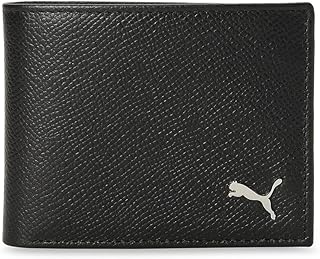


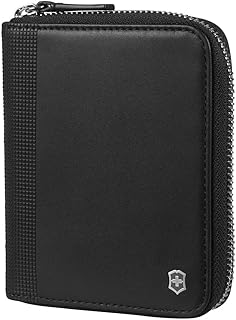


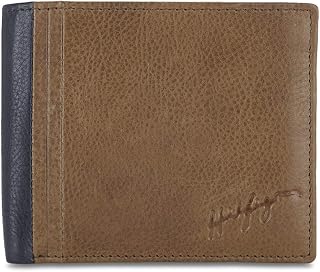


Men’s wallets have moved well beyond being simple holders for cash and cards. In 2026, the strongest wallet designs balance everyday practicality with slimmer profiles, organised card storage, durable materials, secure construction and a style that works with both casual and formal clothing. For shoppers in India, the right choice also depends on how frequently cash is carried, how many physical cards are used, whether identification cards need to remain accessible and whether the wallet will spend most of its time in a trouser pocket, jacket pocket, backpack or work bag.
This guide is intended to deepen the buying information around the latest men’s wallet trends in India. Instead of treating every wallet as interchangeable, it is useful to compare construction, capacity, dimensions, material, closure style, access, security features, maintenance requirements and long-term practicality. A wallet that looks excellent in photographs may not be the best everyday choice if it becomes bulky after adding several cards and receipts.
Brands such as Titan, WildHorn, Tommy Hilfiger, Fossil, Allen Solly, Woodland, Hidesign, Louis Philippe, American Tourister and Tommy Hilfiger offer different approaches to men’s accessories, but the brand name alone should not determine a purchase. Product specifications, construction details, current customer feedback and suitability for your daily routine are more important.
The following ten categories represent useful buying directions when comparing modern men’s wallets. They are best understood as design and functionality trends rather than claims that one particular model is universally superior.
The bifold remains a strong everyday format because it combines familiar organisation with a relatively compact footprint. A typical bifold opens from the centre and may include card slots, a cash compartment and sometimes an identification window. The important distinction is not simply whether a wallet is called slim, but how thick it becomes once it is actually loaded.
For Indian users who carry a combination of debit cards, credit cards, identification cards and some currency notes, a slim bifold can provide a useful balance. Look closely at the number and arrangement of card slots rather than choosing solely by exterior appearance.
A slim wallet should not be confused with a tiny wallet. A compact design with sensible capacity can be more useful than an ultra-thin card holder that forces the user to carry cash separately.
India’s widespread use of digital payments has changed what many consumers expect from an everyday wallet. People who frequently use UPI and keep only a few physical cards may have little reason to carry a traditional full-size wallet.
A minimalist card holder usually focuses on quick access and low bulk. Some designs provide several card slots, while others use a central pocket for multiple cards. The most important buying consideration is the actual number of cards you need rather than the maximum capacity advertised by a manufacturer.
A minimalist card holder may not be appropriate if you regularly carry substantial cash, multiple identification cards, receipts or business cards. Overloading a compact holder can defeat the purpose of choosing one.
RFID protection is frequently highlighted in modern wallet listings, but buyers should understand what the feature actually means. RFID refers to radio-frequency identification technology, and some payment and identification cards can contain contactless components. An RFID-blocking wallet is designed to reduce radio-frequency communication under particular circumstances.
RFID protection should be treated as one consideration within the overall purchase rather than the sole measure of wallet quality. Construction, card access, durability, capacity and comfort remain important.
Do not assume that every wallet with a modern appearance provides RFID protection. If this feature matters to you, check the individual product specification before purchasing.
Leather continues to be one of the most recognisable materials for men’s wallets because it combines a traditional appearance with a wide range of finishes and construction styles. However, the word leather alone does not tell you everything about quality.
Different leather types, tanning methods, surface treatments, thicknesses and construction techniques can produce very different results. A wallet described simply as leather should therefore be assessed through its detailed specification rather than treated as automatically premium.
Full-grain leather generally refers to leather that retains the outer surface of the hide, while top-grain leather has undergone surface treatment or correction. Other products may use corrected leather, split leather, bonded leather or synthetic alternatives. Terminology can vary between manufacturers, so buyers should read the exact material description supplied for the individual product.
For someone seeking a traditional office wallet, leather can provide an understated appearance that works naturally with formal trousers, shirts, blazers and business attire. For casual use, textured or rugged finishes can be more forgiving of everyday marks.
Not every buyer wants a smooth, polished wallet. Textured finishes can offer a more casual appearance and may make minor surface marks less visually prominent. Rugged-looking designs are especially suitable for everyday jeans, casual trousers, outdoor-inspired clothing and relaxed footwear.
When considering a textured wallet, inspect whether the texture is part of the actual material or simply a surface treatment. The distinction can influence how the wallet ages and how easily the finish shows wear.
Zip-around and zip-compartment wallets provide a different experience from conventional open bifolds. A zipper can help keep the contents enclosed, which may be useful when the wallet contains several small items. However, the zipper mechanism also adds hardware, weight and another component that must function reliably.
When evaluating a zip wallet, pay attention to the zipper path, puller construction and whether the zip interferes with the wallet’s ability to lie flat. A smooth exterior is not enough if the wallet becomes awkward to open repeatedly.
Money-clip wallets combine card storage with a mechanism for holding a small quantity of currency. They are particularly relevant for people who want to reduce the number of items carried in a pocket.
The main trade-off is capacity. A money clip is rarely the best answer for someone who carries numerous cards, receipts and cash notes. It works better when the contents are deliberately limited.
Before choosing a money-clip design, consider whether the clip is easy to operate, whether notes are held securely and whether the card compartment provides enough separation to find a particular card quickly.
Some men simply need more storage. A wallet containing multiple bank cards, identification cards, driving-related documents, loyalty cards, photographs and cash cannot always be replaced by a minimalist card holder.
High-capacity wallets can be useful, but capacity should not become an excuse to carry unnecessary items. A large wallet that remains permanently overstuffed can become uncomfortable, distort clothing pockets and put additional stress on seams and card slots.
A wallet can be a small accessory, but it often becomes visible during professional situations. A restrained leather bifold in black, dark brown or another neutral finish can complement formal clothing without attracting unnecessary attention.
For business use, simplicity often has more value than decorative detailing. Excessive logos, large metal hardware or bright colours may be less versatile with formal wardrobes. Buyers should consider the wallet alongside the clothing they wear most often.
Brands including Fossil, Hidesign, Titan and Louis Philippe offer styles across different segments, but individual products should still be assessed by material, construction and dimensions. Brand reputation should supplement product-level evaluation rather than replace it.
Wallets are frequently purchased as gifts because they are practical, compact and easy to match with different personal styles. For gifting, versatility can be more important than highly specialised features.
A classic bifold with sensible card storage is usually easier to gift than an extremely minimalist design or a highly specialised travel wallet because the recipient may have different carrying habits.
The best wallet is not necessarily the one with the highest number of compartments or the most expensive material. It is the one that matches the way you actually carry money and identification.
Start with a slim card holder or compact bifold. Carrying fewer physical items makes a minimalist format more practical. Consider whether you still need a dedicated cash section for occasional transactions, travel or situations where digital payment is inconvenient.
A bifold with a properly sized currency compartment is generally more practical than a pure card holder. Check how notes fit when the wallet is closed and whether the cash compartment becomes difficult to use when several cards are inserted.
Prioritise organisation rather than simply searching for the largest wallet. Several well-positioned slots can be more useful than a large central compartment where cards become difficult to identify.
Look for a genuinely compact design with low loaded thickness. Front-pocket carrying can be uncomfortable when a wallet has bulky stitching, thick leather, large metal hardware or excessive contents.
A slim leather bifold in a conservative colour is usually easier to coordinate with office clothing. Consider how the wallet looks when removed from a pocket during meetings, restaurants or other professional settings.
Consider organisation, security features and accessibility. A travel wallet may offer more storage, but the added size can make it less comfortable for normal everyday use. Some people benefit from maintaining a compact daily wallet and a separate travel organiser.
Dimensions matter because a wallet can look compact in product photographs while being surprisingly substantial in a trouser pocket. Always check the stated dimensions and, where possible, consider both the closed size and expected loaded thickness.
Width and height determine whether the wallet sits comfortably in your preferred pocket. Thickness is influenced not only by the wallet itself but also by the number and type of cards, the amount of cash and any additional contents.
An empty wallet can be extremely slim because the leather or synthetic material is flat. Once several cards are inserted into tightly spaced slots, the centre of the wallet can become considerably thicker. The same applies to cash compartments and zip constructions.
For this reason, do not compare two wallets only by their advertised empty dimensions. Think about the contents you intend to carry every day.
Card organisation has a direct effect on everyday usability. Individual slots make it easier to identify specific cards, while shared compartments may allow greater flexibility but can make cards harder to retrieve.
Very tight card slots can be frustrating when new cards are inserted, while overly loose slots may allow cards to slide out more easily. The ideal fit should hold cards securely while still allowing normal removal.
Cash storage remains relevant even in an increasingly digital-payment environment. Indian consumers may still need physical currency for small purchases, transport, local businesses, travel and situations where digital payments are unavailable.
A good cash compartment should allow notes to be inserted and removed without forcing the wallet open excessively. Check whether the compartment is divided into sections if you regularly separate different types of notes or receipts.
Do not assume that a wallet advertised for international use will automatically suit every carrying preference. Examine the actual internal dimensions and layout before purchase.
Material choice affects appearance, feel, maintenance, flexibility and expected ageing. There is no single material that is best for every buyer.
Leather offers a traditional look and can develop changes in appearance with use. Quality varies considerably, so inspect the stated leather type and construction rather than relying on the word premium.
Synthetic materials can provide a consistent appearance and may be available in a broad range of colours and textures. Their performance varies depending on the material and manufacturing process.
Fabric and technical textiles can reduce the traditional appearance of a wallet and may appeal to buyers who prefer lightweight, casual or sporty accessories. Look at edge finishing, stitching and resistance to everyday abrasion.
Metal card holders and hybrid wallets can provide a distinctive minimalist appearance. Their rigid construction can feel very different from leather and may not be suitable for buyers who want a flexible wallet with a conventional cash compartment.
Stitching is one of the most useful visual indicators to inspect when comparing product photographs. Look for consistent stitches, clean edges and reinforcement in areas that experience repeated opening and closing.
Pay particular attention to corners, the fold, card-slot edges and areas around zippers or clips. A wallet with attractive material but weak construction may not provide the long-term value expected from a daily-use accessory.
Colour should be selected according to wardrobe versatility rather than trend pressure alone. Black remains a straightforward option for formal and professional clothing. Brown can offer a warmer appearance and pairs naturally with many casual and business-casual outfits.
Tan, navy, grey and textured neutral finishes can provide alternatives for shoppers who want something less conventional without choosing an extremely bright colour.
Black is often the safer option for formal use because it coordinates naturally with black footwear and conservative business clothing. Brown can be more expressive and works particularly well with brown leather shoes, denim and smart-casual outfits.
If you are buying one wallet for multiple occasions, consider the colours already present in your wardrobe. A neutral shade that complements your existing shoes, belt and bag can provide greater practical value than a colour chosen solely because it is currently fashionable.
Security-conscious buyers often search for RFID wallets, but physical security involves more than RFID technology. A wallet should also keep cards secure, close properly and resist accidental opening during normal use.
When evaluating an RFID wallet, read the product specification carefully. Avoid assuming that a generic statement about security means the entire wallet has identical protective characteristics across every compartment.
Also remember that RFID protection can affect convenience. If a wallet is designed to shield cards, you may need to remove a card from the wallet before using it in a contactless situation. Decide whether that trade-off fits your normal routine.
Customer reviews can be useful, but the most valuable information is usually found in specific comments rather than star ratings alone. A high rating does not tell you whether a wallet will suit your particular carrying habits.
A wallet is used repeatedly, so its internal layout matters as much as its exterior. Before buying, inspect the card slots, cash compartment, dimensions and closure mechanism.
Extra compartments may appear useful but can encourage unnecessary accumulation. If you carry only a few cards, a large wallet can create avoidable bulk.
This is one of the most common mistakes in minimalist-wallet shopping. A wallet can be thin when empty but bulky when filled.
Leather quality and construction differ widely. Read the exact material specification and inspect the construction details.
A sporty technical wallet may not be the best companion for formal business clothing, while an ornate premium wallet may be unnecessarily formal for casual everyday use.
A wallet intended for a back pocket may feel very different from one designed for front-pocket carry. Choose the format around your normal carrying position.
Back-pocket wallets remain common because the format is familiar and easy to access. However, some buyers prefer front-pocket carry because they want a smaller profile or find it more comfortable for their routine.
If you prefer front-pocket carrying, prioritise a compact design and avoid unnecessary compartments. If you prefer a back pocket, still pay attention to thickness because an overloaded wallet can become uncomfortable and can place additional pressure on its construction.
There is no universally correct number. A useful starting point is to count the cards you actually use during an ordinary week. Separate essential cards from occasional cards and documents that can remain at home.
For many minimalist users, a small number of payment and identification cards may be enough. Others may require more storage because of work, travel or identification requirements. The important principle is to select capacity based on real use rather than advertised maximum capacity.
For office environments, a wallet should usually be compact enough to remain comfortable during commuting and sitting while still providing quick access to payment and identification cards.
Dark leather or understated synthetic finishes tend to be easy to coordinate with formal clothing. Excessive thickness is worth avoiding because office trousers can make a bulky wallet particularly noticeable.
If your wallet is regularly visible during meetings, restaurants or business travel, choose a design that looks intentional rather than one that appears overfilled.
Students and younger shoppers may prioritise affordability, compactness, casual styling and flexibility. A slim bifold, card holder or simple synthetic wallet can make sense when the daily load is small.
Before buying, consider how the wallet will be used with backpacks, jeans, casual trousers and public transport. A compact design can be more practical than a formal premium wallet if the rest of the wardrobe is casual.
Travel changes the ideal wallet configuration. You may need additional identification, payment cards, emergency cash or documents, but carrying everything in one oversized wallet is not always the safest or most convenient approach.
Consider separating everyday essentials from travel-specific documents. A dedicated travel organiser can be useful for longer trips, while a normal compact wallet can remain the better everyday option.
If you are buying a wallet for someone else, choose flexibility over highly specialised design. A neutral colour, moderate card capacity and conventional bifold structure are generally easier to match to different lifestyles.
Think about the recipient's likely clothing style and whether they carry cash. A minimalist wallet may be an excellent gift for someone who dislikes bulk but a poor choice for someone who routinely carries many cards and notes.
Everyday handling affects wallets differently. Leather may develop changes in colour, surface character and flexibility. Synthetic materials can experience surface wear or changes depending on their finish. Fabric can accumulate dirt and abrasion marks.
The way a wallet is carried also affects ageing. Repeatedly sitting on an overstuffed wallet, forcing too many cards into slots or keeping receipts in the cash compartment can place unnecessary stress on seams and folds.
Remove items you no longer need. Reducing unnecessary contents can help preserve the shape of the wallet and make daily access easier.
If a leather wallet becomes wet, avoid aggressive heating or direct high-temperature drying. Allow it to dry naturally according to appropriate leather-care guidance for the specific material.
Different leather finishes can react differently to conditioners and cleaning products. Check the manufacturer's care guidance before applying any treatment.
Use only cleaning methods appropriate for the specific material. Harsh chemicals can alter surface finishes or damage coatings.
Repeatedly forcing too many cards into a slot can permanently alter its shape. If cards are difficult to remove, reconsider how many you are storing there.
Small signs of loose stitching are easier to address than major structural failure. Regular inspection can help you identify wear before the wallet becomes unusable.
When two products appear almost identical, compare the details that are easiest to overlook. Start with material, dimensions, card-slot arrangement, cash storage, closure, stitching and stated security features.
A low purchase price is not automatically better value if the wallet is uncomfortable, poorly organised or unsuitable for your daily use. At the same time, a premium price does not guarantee better construction.
Think in terms of suitability, durability, functionality and frequency of use. A moderately priced wallet that is used comfortably every day can be a better choice than a more expensive wallet whose layout does not fit your needs.
When comparing prices in India, check the current listing because prices, discounts, colours, sellers and available configurations can change. Avoid making a purchase decision based on an old advertised price.
Instead of comparing dozens of wallets without a clear system, create a shortlist of three to five candidates and score them against the features that matter to you.
This approach reduces the temptation to select a product simply because it has the most compartments, the most fashionable design or the highest advertised specification count.
Comfort depends heavily on thickness, shape and carrying position. A wallet with hard edges or bulky hardware can become noticeable in a pocket even when its overall dimensions appear reasonable.
The internal layout also affects comfort. Unevenly distributed cards can create pressure points, while an overfilled cash compartment can prevent the wallet from folding naturally.
If comfort is your priority, start with the smallest format that genuinely accommodates your essential contents. Do not select a tiny wallet and then force it to carry the contents of a full-size bifold.
Minimalist wallet design is attractive because it encourages people to carry less. However, minimalism becomes counterproductive when it removes functions that you genuinely use.
The best balance is personal. Someone who rarely carries cash may be perfectly comfortable with a card holder, while someone who regularly uses physical currency may prefer a compact bifold.
Rather than asking whether minimalist wallets are better, ask whether a minimalist wallet matches your actual daily contents.
Brand recognition can be useful as one signal of positioning and design, but the specific product should still be evaluated independently. A lesser-known model with better dimensions and organisation can be more useful than a well-known model that does not match your requirements.
Before buying a wallet from a recognised brand such as Titan, Fossil, WildHorn, Hidesign, Tommy Hilfiger or Allen Solly, examine the individual model's material, dimensions, compartment design and current customer feedback.
A wallet is usually a small part of an outfit, but accessories can influence the overall impression. A simple black leather wallet can complement formal clothing, while a textured canvas or technical wallet may suit a casual wardrobe better.
For a versatile everyday accessory, choose a design that works with most of your existing clothes rather than buying according to a short-lived colour trend.
Choose a bifold if you carry cash, identification cards or several physical cards and want a familiar organisation system. Choose a card holder if your physical wallet contents are deliberately limited and you value minimum bulk.
If you are uncertain, a compact bifold can be the more adaptable option because it retains a cash compartment while remaining smaller than many traditional large wallets.
Choose leather when traditional appearance, tactile character and classic styling are important to you. Consider synthetic or textile materials when you prefer a particular texture, lighter casual styling or a different maintenance profile.
The material should be judged together with construction. A beautifully described material cannot compensate for weak stitching or a poorly designed interior.
Online photographs can make products appear similar, so specification checking is essential. Read the product title, material information, dimensions, compartment description and included features carefully.
Terms such as premium, luxury, smart, ultra-slim, executive and advanced can describe positioning rather than measurable performance. Whenever you see a marketing phrase, look for the specification behind it.
For example, instead of accepting “ultra-slim” at face value, check the dimensions and consider the expected thickness when loaded. Instead of assuming “premium leather” means a particular grade, read the exact material description.
Budget should influence material, finishing and feature priorities, but it should not replace functional evaluation. At a lower price point, focus on secure stitching, sensible organisation and comfortable dimensions. In the mid-range, compare material quality, finishing and additional features. At higher price points, pay particular attention to whether the construction, material and design actually justify the additional cost.
Because online prices can change throughout the year, compare the current listing price rather than relying on an old deal value or historical price reference.
Prioritise compact dimensions, secure card storage and fast access to frequently used cards.
Choose a restrained design that fits comfortably in formal trousers and works with business clothing.
Consider affordable, compact and casual designs that accommodate the cards and cash you actually carry.
Look for organised storage and secure closure, while deciding whether a dedicated travel wallet would be more practical than overloading your daily wallet.
Choose a versatile colour, conventional layout and moderate capacity unless you know the recipient strongly prefers minimalist or specialised designs.
Longevity is influenced by material, construction and use. A wallet carried every day should have secure stitching, properly attached card sections, a robust fold and suitable edge finishing.
How you use the wallet matters just as much. Overloading compartments, keeping the wallet exposed to moisture and repeatedly bending it beyond its intended shape can accelerate wear.
There is no single best wallet for every buyer. The right choice depends on card count, cash requirements, preferred carrying position, material preference, style, security features and budget. Compare current product specifications and detailed customer feedback before choosing.
Slim wallets are better for people who value low bulk and carry relatively few items. Traditional bifolds are better for users who need more card and cash organisation. Neither format is universally superior.
RFID protection can be useful for buyers who specifically want that type of protection for compatible cards, but it should not be the only purchase criterion. Construction, capacity and usability remain important.
Leather is a strong choice for classic styling, while synthetic and textile materials can suit buyers who prefer different textures, designs or maintenance requirements. The best material depends on your priorities.
Carry the cards you genuinely need for your normal routine. Remove expired or rarely used cards when possible. The goal is to prevent unnecessary bulk and stress on card slots.
Yes. The bifold remains a practical and versatile format, while modern versions increasingly focus on slimmer profiles, improved organisation, textured materials and security-oriented features.
They can be excellent for users who primarily make digital payments and carry only a few physical cards. If you regularly carry cash or several identification cards, a compact bifold may be more practical.
Black is a versatile formal choice, while brown provides a warmer traditional appearance. Navy, grey, tan and other neutral colours can work well for buyers who want an alternative to black.
Keep it reasonably loaded, avoid forcing cards into tight slots, protect the material from unnecessary moisture and follow the manufacturer's care recommendations for the specific material.
Only if you will actually use them. Excess compartments can increase size and encourage unnecessary contents. Prioritise useful organisation over maximum compartment count.
When the recipient's preferences are unknown, choose a versatile colour, moderate capacity and conventional design. If you know the person prefers minimalist accessories or carries many cards, choose accordingly.
Yes. Leather can be suitable for everyday use when the construction matches the workload and the material receives appropriate care. Avoid excessive overloading and follow the manufacturer's care instructions.
Before choosing a men’s wallet, use this checklist to make the comparison more objective:
For most buyers, the strongest wallet shortlist is created by starting with lifestyle rather than brand. First determine whether you need a minimalist card holder, compact bifold, traditional high-capacity wallet, zip wallet, RFID-focused design or a premium leather option. Then compare products within that category.
When reviewing current listings in India, verify the product specification, seller information, current price, customer feedback and applicable retailer policies immediately before purchasing. Product variants, colours, pricing and availability can change, so information shown on an older page should not be treated as a guarantee of today's listing.
Brands such as Titan, Fossil, Hidesign, WildHorn, Tommy Hilfiger, Allen Solly, Louis Philippe and Woodland can be useful starting points for comparison, but the individual wallet remains the most important unit of evaluation. A buyer should select the model whose dimensions, material, organisation, construction and style fit actual everyday requirements.
The latest men's wallet trends are not about replacing traditional designs with one universally superior format. Instead, the market offers more specialised choices for different carrying habits. Slim bifolds suit buyers who want familiar organisation without excessive bulk. Card holders appeal to digital-payment users who carry very few physical items. RFID-focused designs address a specific security consideration. Leather wallets remain strong for classic and formal styling, while technical, textured and hybrid designs offer alternatives for casual and minimalist users.
The most useful buying decision is therefore the one that begins with your daily routine. Count your cards, estimate your cash needs, identify where you carry the wallet and decide how much bulk you are comfortable with. Then compare materials, construction, dimensions, security features, customer feedback and current retailer information.
A well-chosen wallet should disappear into your routine rather than constantly remind you that you are carrying it. Whether you prefer a traditional leather bifold, a compact minimalist card holder, an RFID wallet or a modern hybrid design, prioritise practical capacity, comfortable dimensions and dependable construction over marketing language alone.