

♥ Wishlist
Compare 55 verified Men Eyewear for Everyday Style and Comfort products in India. Reviews, ratings, pros, cons and buying advice updated for October 2026.


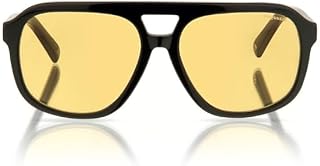


Men’s eyewear in 2026 is moving beyond a simple functional accessory. Frames are increasingly being chosen according to face shape, personal style, lens requirements, workplace setting, weather conditions and how frequently the glasses will be worn. For shoppers in India, the best choice is therefore not necessarily the most fashionable frame or the most expensive pair. A well-selected frame should combine comfortable fit, appropriate lens compatibility, durable construction and a style that works with the wearer’s everyday wardrobe.
This buying guide focuses on the major men’s eyewear directions to consider in 2026, including contemporary frame shapes, materials, colours, lens considerations and practical buying criteria. It is designed for commercial comparison, so shoppers can evaluate specifications and suitability before checking current prices, customer feedback and retailer availability.
Rectangular frames remain one of the easiest styles to evaluate because they work across a wide range of clothing and occasions. Their straight upper lines and defined corners can create a structured appearance, making them particularly suitable for office wear and smart-casual wardrobes.
When comparing rectangular frames, pay attention to the degree of width and corner sharpness. A very narrow rectangular frame can look restrictive on a broader face, while an excessively wide frame may dominate a smaller face. The objective is not simply to choose a rectangular shape but to find a proportion that sits naturally across the brow and cheek area.
For an understated everyday pair, black, dark brown, navy, charcoal or muted tortoiseshell can be easier to coordinate. Shoppers looking for a fashion-forward alternative can consider transparent or translucent finishes.
Soft-square frames sit between traditional rectangular eyewear and rounded designs. Their gently curved corners reduce the severity of strongly angular frames while retaining enough structure for a polished appearance.
This makes soft-square eyewear particularly useful for men who want one pair that can move between formal clothing, casual shirts, denim and weekend outfits. The style can also be easier to wear long term because it is fashionable without depending heavily on a single seasonal aesthetic.
Before purchasing, compare frame width, bridge dimensions and temple length rather than judging the design from the front image alone. A visually attractive frame can still be uncomfortable if the bridge does not suit the nose or the temples create excessive pressure.
Round eyewear provides a noticeably softer visual direction. It can work particularly well for shoppers who prefer artistic, vintage, academic or relaxed styling. Metal versions tend to look relatively discreet, while thicker acetate versions make the shape much more prominent.
Rounded frames require careful attention to proportions. The diameter of the lenses and the overall frame width should be appropriate for the wearer’s face. Extremely large round frames can overwhelm smaller facial proportions, whereas very small circular frames can look intentionally retro but may not provide the preferred field of view or visual balance.
Geometric eyewear offers a way to introduce personality without depending solely on bright colours. Hexagonal and other multi-sided designs can provide sharper visual definition while remaining suitable for everyday use when the frame dimensions are restrained.
These frames are worth considering when a shopper already owns conventional black or rectangular eyewear and wants a second pair with a noticeably different identity. Neutral geometric frames can be easier to integrate into an existing wardrobe than highly colourful statement frames.
Acetate-style frames are an important choice for men who prefer eyewear with visible construction and stronger styling. Compared with delicate-looking wire frames, thicker acetate profiles can make the glasses a central part of an outfit.
When comparing bold frames, weight deserves particular attention. A large frame can look excellent but become inconvenient if it creates pressure around the nose or ears during extended wear. Look at the frame dimensions and material information, and consider whether the design is intended for prescription lenses, fashion use or both.
Brands such as Ray-Ban, Oakley, Titan Eye+, Fastrack and John Jacobs offer different approaches to men's eyewear, but brand recognition should not replace specification-based comparison. The correct frame depends on fit, lens requirements, construction and intended use.
Thin metal frames remain a strong option for men who prefer understated eyewear. Their relatively fine profiles can work well with formal shirts, business clothing and minimalist wardrobes.
When evaluating metal eyewear, inspect the hinge construction, nose-pad arrangement, temple design and stated material. Adjustable nose pads can be useful for achieving a more precise fit, while fixed bridge designs may provide a cleaner appearance.
Metal frames are not automatically better than acetate frames. The decision should be based on comfort, durability, styling preference, lens requirements and the environments in which the glasses will be used.
Clear and translucent eyewear provides a contemporary alternative to traditional dark frames. Transparent grey, smoke, crystal and lightly coloured finishes can add visual interest while remaining relatively easy to coordinate.
These frames can be particularly useful for men who want something more modern than a standard black frame without moving into very bright colours. However, transparent materials can show dust, skin oils and fingerprints more visibly, so regular cleaning is important.
Tortoiseshell-style patterns offer a versatile way to introduce colour while retaining a classic appearance. Brown, amber, black and honey variations can complement both formal and casual clothing.
Because patterned frames naturally contain multiple tones, they can sometimes coordinate more easily with a varied wardrobe than a highly saturated single-colour frame. Compare the pattern carefully because the visual effect can differ considerably between subtle and high-contrast designs.
Browline designs place additional visual emphasis near the upper portion of the frame. The result is a structured appearance with a noticeable retro influence.
This style can work well for men who want eyewear to define the upper face without choosing an extremely thick full-frame design. When shopping online, compare the brow thickness, lens height and overall frame width because these details strongly affect how prominent the glasses appear.
Retro styling continues to influence modern eyewear, but the best contemporary interpretations usually combine nostalgic shapes with current materials, updated proportions and modern lens options.
Vintage-inspired does not have to mean impractical. A rounded acetate frame, classic keyhole-inspired bridge or retro rectangular silhouette can be evaluated using the same practical criteria as any other frame: fit, weight, hinge quality, lens compatibility and everyday versatility.
Face-shape guides are useful as a starting point, but they should not be treated as strict rules. Facial proportions vary considerably, and frame dimensions often matter more than a simple label such as round, square or oval.
Men with relatively rounded facial proportions may prefer rectangular, square or geometric frames because their straighter lines can introduce additional definition. Medium-to-strong frame structures can also provide useful contrast.
Rounded or oval frames can soften the appearance of prominent jaw and forehead angles. Soft-square designs can also work when the wearer wants some structure without emphasizing sharp corners.
Oval facial proportions can accommodate a broad selection of frame shapes. The main consideration is usually proportional balance: avoid a frame that is dramatically narrower or wider than the face unless that exaggerated effect is intentional.
Frames with greater lens depth can help create a more balanced visual proportion. Very shallow frames may emphasize facial length, although individual preferences and prescription requirements should take priority.
Frames with balanced width and moderate lower-frame emphasis can work well for faces with a broader forehead and narrower chin. Rounded, oval and selected lightweight geometric designs are worth comparing.
Acetate-style frames are often selected for their colour depth, shaping possibilities and substantial appearance. They can be particularly attractive when a shopper wants a bold frame or a patterned finish.
Metal frames generally offer a slimmer visual profile. Depending on construction, they can provide an understated appearance suitable for professional environments. Check the stated metal type and finish rather than assuming that every metal frame offers identical durability.
Combination frames use more than one material, such as a metal structure with an acetate-style front or contrasting temple construction. They can offer a balance between strong visual definition and a relatively refined profile.
Online shoppers should look beyond photographs. The most useful product comparison starts with measurable specifications.
Many eyeglass frames display three numbers, commonly representing lens width, bridge width and temple length. These measurements are particularly valuable when buying online because they allow shoppers to compare a prospective frame with glasses they already wear comfortably.
For example, if an existing pair fits well, recording its measurements can provide a useful reference point. A new frame does not need to have identical numbers, but large differences can indicate a substantially different fit.
Do not select eyewear based only on one measurement. Lens width without bridge width and temple length does not provide a complete picture of fit.
For prescription eyewear, the frame should be considered together with the lens prescription. Stronger prescriptions may require additional attention to lens thickness, lens material, frame dimensions and optical design.
Very large lenses can potentially increase lens volume and weight, while extremely narrow frames may not provide the desired visual or aesthetic effect. Prescription requirements should therefore be confirmed with a qualified optical professional before finalising a frame.
Blue-light filtering is frequently marketed as a feature for people who spend substantial time looking at digital screens. Shoppers should distinguish between a lens feature and a guaranteed solution to every form of digital eye discomfort.
If screen use is the main concern, also consider practical habits such as appropriate viewing distance, regular breaks, comfortable lighting, screen positioning and a suitable prescription. Lens coatings and filtering options should be evaluated according to the wearer’s actual needs rather than marketing terminology alone.
For sunglasses, UV protection is a more important specification than simply choosing a dark lens. A darker appearance does not by itself establish the level of ultraviolet protection provided.
When comparing men's sunglasses in India, look for clearly stated UV protection information and consider whether the glasses are intended for everyday commuting, driving, outdoor recreation or occasional fashion use.
Polarised lenses can reduce certain types of reflected glare and are often considered for driving and outdoor environments. They can be especially useful around reflective surfaces such as roads, water and glass.
However, polarisation is not the same as UV protection. When shopping, check both features independently rather than assuming that one automatically guarantees the other.
Photochromic lenses are designed to change their level of tint in response to light conditions. They can appeal to shoppers who want a single pair for different environments instead of switching between ordinary spectacles and sunglasses.
The exact performance depends on the lens technology and environmental conditions. Before choosing photochromic lenses, consider whether the primary use is indoors, outdoors, commuting or driving, because performance can differ between environments.
Lens coatings can influence everyday usability. Anti-reflective treatments are intended to reduce reflections from lens surfaces, while scratch-resistant treatments can improve resistance to everyday surface abrasion. Neither makes lenses completely scratch-proof.
When comparing coatings, examine the exact specifications supplied with the lens rather than relying on broad descriptions such as premium coating or advanced protection.
Indian shoppers may use eyewear in conditions ranging from hot summers and strong sunlight to monsoon humidity and dusty urban environments. These factors make practical maintenance particularly important.
Frames should be cleaned regularly and stored in a protective case when not being worn. Avoid leaving eyewear exposed to excessive heat for extended periods, particularly in locations where temperatures can become very high.
During humid or rainy weather, keeping a clean microfibre cloth and suitable eyewear cleaning solution available can make regular maintenance easier. Avoid wiping lenses with rough fabric, paper products or clothing because these can introduce scratches or spread particles across the lens surface.
For office environments, versatile frame shapes generally provide the greatest value from a single pair. Rectangular, soft-square, understated browline and slim metal designs can work across formal and business-casual wardrobes.
Neutral colours such as black, dark brown, charcoal, navy and restrained tortoiseshell can be easier to coordinate with shirts, jackets and trousers. Transparent frames can also work well when the workplace dress code is less conservative.
Casual eyewear provides more freedom to experiment with frame shape, thickness and colour. Bold acetate, geometric, rounded and translucent designs can all work when they complement the wearer’s existing wardrobe.
If the glasses will be worn every day, comfort should still outweigh novelty. A highly distinctive frame may be attractive in photographs but less useful if its dimensions cause pressure or if it coordinates poorly with most of the wearer’s clothing.
Drivers should prioritise clear vision, appropriate prescription accuracy, comfortable fit and glare management. Sunglasses should provide appropriate UV protection, while polarised options may be considered where reflected glare is a concern.
Very dark lenses should not be selected solely for appearance. Lens suitability depends on lighting conditions and intended use, and prescription or driving-specific requirements should be discussed with an optical professional where appropriate.
Sports and outdoor eyewear should be assessed differently from fashion frames. Frame stability, lens coverage, material, grip, impact-related design considerations and compatibility with the activity become more important.
A lightweight fashion frame may be perfectly suitable for commuting but inappropriate for demanding physical activity. Always check the manufacturer’s stated intended use and limitations rather than assuming that an attractive frame is suitable for sport.
Frame colour can change how prominent eyewear looks on the face. Black and dark frames generally create stronger definition, while clear and translucent frames can appear visually lighter.
Brown and tortoiseshell patterns can provide warmth and variation, while navy, grey and muted green can offer alternatives to conventional black. Brighter colours are best treated as deliberate styling choices because they may coordinate with fewer outfits.
Black frames are usually easier to use as an everyday signature accessory because they provide clear contrast and work with many wardrobes. They are particularly appropriate when the wearer wants eyewear to create a defined facial outline.
Transparent frames provide a softer and more contemporary effect. They can be useful for shoppers who want a noticeable change from conventional dark eyewear without selecting a saturated colour.
Brand reputation can be useful when comparing eyewear, but it should not be the only purchasing criterion. Established names such as Ray-Ban, Oakley, Titan Eye+, Fastrack and John Jacobs cover different design directions and price segments, while numerous other brands compete on specific frame styles and features.
A higher-priced frame does not automatically provide the ideal fit for every wearer. Compare the frame dimensions, material, hinge construction, lens compatibility and included features before making a decision.
For budget-conscious shoppers, it can be more sensible to spend according to actual requirements rather than paying extra for branding alone. For premium shoppers, construction quality, optical compatibility and long-term wearability should justify the additional cost.
A structured comparison process can reduce the risk of buying the wrong frame.
Customer reviews are most useful when they contain specific information rather than simple statements such as good product or excellent quality.
Reviews should be interpreted alongside the manufacturer’s specifications. A frame that fits one customer perfectly may not suit another person with different facial dimensions.
Remove loose dust and particles before wiping the lenses, then use a suitable lens-cleaning method and a clean microfibre cloth. Avoid abrasive materials and household cleaners unless the lens manufacturer specifically states that they are appropriate.
A hard or protective case can reduce the chance of accidental scratches, crushing or bending when glasses are placed in a bag or drawer.
Taking glasses off with both hands can reduce uneven stress on the temples and hinges. Repeated one-handed removal can gradually contribute to misalignment.
Even surfaces that appear clean can contain particles capable of scratching lens coatings or surfaces. Place glasses in their case whenever possible.
Extended exposure to high temperatures can affect some frame materials, coatings and adhesives. Avoid leaving eyewear in locations that can become extremely hot.
There is no universal replacement schedule that applies to every wearer. Eyewear should be reconsidered when the prescription changes, lenses become significantly damaged, coatings deteriorate, the frame no longer fits properly or the glasses no longer meet the wearer’s practical needs.
People who use one pair every day may naturally notice wear sooner than occasional users. Instead of replacing glasses simply because a particular season has changed, assess their condition, fit, optical requirements and intended use.
Focus on correct sizing, acceptable construction, appropriate lens specifications and everyday comfort. A simple rectangular or soft-square frame can provide excellent versatility without requiring an elaborate design.
This segment can be approached by balancing construction quality with design. Compare materials, hinge systems, coatings and brand reputation rather than selecting solely on appearance.
Premium shoppers should be especially careful not to confuse branding with suitability. Examine construction details, optical compatibility, materials, finishing and long-term wearability before paying a substantial premium.
The strongest eyewear choices for 2026 are not necessarily the most experimental. A good purchase combines contemporary styling with dimensions and construction that remain practical after the novelty wears off.
For a first or primary pair, versatile rectangular and soft-square frames remain sensible choices. Men who already own a conventional frame can introduce variety through round, geometric, transparent or patterned designs. Thin metal frames suit understated wardrobes, while bold acetate frames are appropriate for shoppers who want eyewear to become a stronger part of their personal style.
The right choice ultimately depends on fit, lens needs, lifestyle and budget. Trends can help narrow the field, but measurements and practical requirements should make the final decision.
There is no single best frame for every man. Rectangular and soft-square frames are strong choices for versatility, while round, geometric, transparent and bold acetate styles are useful for shoppers who want a more distinctive look.
Yes. Rectangular eyewear remains a practical and adaptable style, particularly when the frame proportions are modern and appropriately sized for the wearer.
Transparent and translucent frames can be a good choice for men who prefer contemporary styling with less visual weight than traditional dark frames. The frame colour and dimensions should still complement the wearer’s facial proportions.
Rectangular, square and selected geometric frames can provide useful contrast to rounded facial proportions. Fit and frame width remain more important than following a rigid face-shape rule.
Medium-width rectangular, soft-square, understated browline and slim metal frames are generally versatile for professional environments. Neutral colours can make coordination easier.
Choose based on preferred appearance, comfort, weight, construction and budget. Metal generally creates a slimmer visual profile, while acetate-style frames can offer stronger colours and thicker silhouettes.
No. Price and brand reputation should be evaluated alongside frame material, construction, fit, lens compatibility and actual requirements. A less expensive frame can be the better choice if it fits properly and meets the wearer’s needs.
Compare the measurements of the new frame with a pair you already wear comfortably. Check lens width, bridge width, temple length and total frame width, then review customer comments concerning fit and sizing.
Confirm that the frame is compatible with the required prescription and lens type. Frame size, lens shape, material and thickness can affect the final result, so prescription requirements should be verified with a qualified optical professional.
Polarised sunglasses can be useful for reducing certain reflected glare, particularly outdoors, but they are not automatically necessary for every user. UV protection and overall lens suitability should also be checked.
Use a suitable microfibre cloth, avoid abrasive cleaning materials, do not place the lenses face-down and store the glasses in a protective case when they are not being worn.
Black, dark brown, charcoal and restrained tortoiseshell are generally versatile choices. Transparent and translucent frames offer a more contemporary alternative without necessarily becoming difficult to coordinate.
The best men’s eyewear purchase is the one that remains comfortable and useful after the initial appeal of the design has passed. Start with your intended use, identify suitable frame proportions, compare specifications, then evaluate materials, lens features, styling and current customer feedback.
For Indian shoppers, practical considerations such as sunlight, heat, humidity, commuting and regular cleaning can be just as important as seasonal fashion. Whether you prefer Ray-Ban, Oakley, Titan Eye+, Fastrack, John Jacobs or another established or emerging brand, compare the individual frame rather than relying on the brand name alone.
Before purchasing, check the latest specifications, current customer reviews, available lens options, retailer policies and today's price. This approach makes it easier to identify eyewear that fits your face, complements your wardrobe and suits the way you actually use it.
When comparing options in India, shoppers may encounter established brands including Ray-Ban, Oakley, Titan Eye+, Fastrack and John Jacobs. These names can be useful starting points for comparing frame categories, but individual models should always be assessed on their specifications, fit, lens compatibility and current retailer information.
For shoppers researching men’s eyewear in August 2026, the most useful approach is to combine trend awareness with practical comparison. Instead of choosing a frame solely because it appears in a seasonal trend list, consider whether its proportions suit your face, whether the construction is appropriate for daily wear, whether the lens specifications meet your needs and whether the style works with clothing you already own.
That balance between fashion and function is what makes a pair of glasses genuinely useful. Trends can influence the shortlist; fit, optical requirements, construction and personal preference should determine the final choice.
Which direction fits your goal best: everyday office eyewear, bold fashion frames, or practical sunglasses?