

♥ Wishlist
Compare 35 verified Boys Sunglasses products in India. Reviews, ratings, pros, cons and buying advice updated for October 2026.


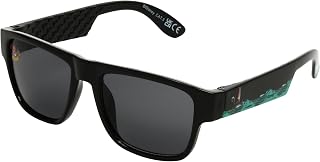


Choosing sunglasses for boys is about more than picking a fashionable frame. A good pair should provide comfortable coverage, suit the child's face and everyday activities, remain secure during movement, and offer appropriately labelled UV protection. For families shopping in India in 2026, the choice is particularly broad, ranging from lightweight everyday sunglasses and sporty frames to colourful designs, classic aviators, wraparound styles and character-inspired looks.
This guide is designed to make comparison easier when browsing boys' sunglasses in India. Instead of judging a pair only by colour or appearance, consider lens characteristics, frame construction, fit, comfort, hinge quality, coverage, intended use and the information supplied by the manufacturer or retailer. Brands such as Fastrack, Polaroid, Ray-Ban, IDEE, Vincent Chase and other established eyewear brands may offer different combinations of these features, so compare the actual specifications of each product rather than relying on the brand name alone.
Current children's eyewear styles increasingly combine playful designs with practical everyday features. The most useful trend is not simply a particular colour or frame shape, but the move toward sunglasses that are easier to wear for longer periods and better suited to active children.
The best sunglasses depend on the child's age, face shape, activity level, comfort preferences and how frequently the sunglasses will be used. There is no single frame that is ideal for every child. A pair that looks excellent in a product photograph may still be unsuitable if the frame is too wide, the temples are too long or the lenses sit incorrectly.
UV protection should be one of the first specifications to check. Look for clear manufacturer or product information describing the level and type of UV protection rather than assuming that a dark lens automatically provides adequate protection. Lens darkness and UV protection are different characteristics.
This distinction is especially important when shopping online. A very dark lens without appropriate UV protection should not automatically be considered safer than a lighter lens with clearly stated UV protection. Check the product specification, packaging information and manufacturer's claims wherever available.
Lens size and shape influence how much of the eye area is covered. Smaller fashion frames may look attractive but can leave more exposure around the sides. Larger or wraparound designs may provide broader coverage, provided the frame remains comfortable and does not interfere with the child's vision.
Children are less likely to wear sunglasses consistently if the frame feels heavy, pinches behind the ears or repeatedly slips down the nose. Pay attention to frame weight, temple shape, nose area, hinge construction and the overall dimensions listed by the retailer.
A secure fit matters particularly for boys who use sunglasses during outdoor games, cycling, travel or other active situations. The frame should remain stable without being so tight that it creates pressure around the temples or nose.
Tinted lenses are a straightforward option for everyday outdoor use. The tint can reduce perceived brightness, but shoppers should separately verify the stated UV protection. Different tint colours can also affect visual perception, so appearance should not be the only selection criterion.
Polarised lenses are designed to reduce certain types of reflected glare. They can be useful around water, roads, vehicles and other bright reflective surfaces. However, polarisation and UV protection serve different purposes. If a product is advertised as polarised, still check whether appropriate UV protection is explicitly specified.
Mirrored coatings can create a reflective appearance and are common in sporty and fashion-oriented sunglasses. The mirror effect is primarily a lens-coating characteristic and should not be used as the sole indicator of UV protection.
Gradient lenses are darker in one area and lighter in another. They are more commonly associated with fashion and adult eyewear, but some children's designs may use the same visual treatment. Consider whether the gradient offers a genuine practical advantage for the child's intended use.
Plastic frames are common in children's sunglasses because they can offer a combination of low weight, colour variety and straightforward styling. Different plastics have very different properties, so the generic word “plastic” does not tell you everything about durability or flexibility.
Some eyewear uses flexible thermoplastic materials marketed under names such as TR90. These materials can be useful when flexibility and low weight are priorities. However, material claims should still be considered alongside hinge design, frame thickness and overall construction.
Metal can provide a different aesthetic and construction approach, particularly in classic or aviator-inspired designs. For younger or highly active children, however, frame weight, edge finishing and durability should be considered carefully.
Higher-end eyewear may use acetate or other premium materials. Such frames can offer distinctive finishes and construction, but a higher material cost does not automatically mean that the sunglasses are a better match for a particular child. Fit and lens specifications remain essential.
Frame size is one of the most frequently overlooked factors when buying children's sunglasses online. Age ranges shown by sellers can be useful as a starting point, but they are not a substitute for checking measurements because children's faces develop at different rates.
When dimensions are available, compare the listed lens width, bridge width and temple length with a pair of glasses that already fits the child comfortably. Product photographs can be misleading because perspective and model proportions make frames appear larger or smaller than they actually are.
For younger children, comfort, secure positioning, durability and simplicity should generally take priority over complicated fashion details. Look for lightweight designs with smooth edges and a frame size appropriate for the child's face.
School-age children often have more varied requirements. A pair may be used for holidays, sports, family outings and everyday outdoor activities. Sporty rectangular, wayfarer-inspired, round and wraparound designs can all be considered depending on fit and use.
Older boys may have more interest in current fashion trends and adult-inspired silhouettes. Aviators, rectangular frames, square frames, minimalist designs and sport sunglasses can all work, provided the frame dimensions suit the wearer.
For ordinary outdoor wear, prioritise comfortable fit, appropriate UV protection, adequate lens coverage and a design the child is willing to wear. A simple rectangular or rounded frame can be more versatile than an extremely specialised sports design.
Cycling sunglasses should remain stable when the child moves. Lightweight construction, secure temples and good peripheral coverage are useful considerations. If the sunglasses are being worn with a helmet, check that the temples and helmet straps do not create uncomfortable pressure.
At beaches and other highly bright environments, glare and intense sunlight can make sunglasses particularly useful. Consider lenses with clearly stated UV protection and a frame that provides adequate coverage. Polarisation can be an additional consideration where reflected glare is a concern.
Sports-oriented sunglasses should be evaluated for stability, weight and construction rather than fashion alone. Children who frequently run or jump may benefit from a frame that sits securely without constant adjustment.
Travel sunglasses need to balance comfort and versatility. A durable everyday frame can be preferable to a delicate fashion frame if the sunglasses will be stored in bags, used frequently and exposed to changing environments.
Wayfarer-inspired shapes have a recognisable casual appearance and can work with many types of clothing. They are particularly suitable when parents want a versatile design rather than a highly sporty look.
Aviator styling is a classic choice that has become popular in children's and teen fashion. Because many aviator frames have a relatively distinctive shape, pay close attention to bridge dimensions and lens proportions.
Round frames offer a softer, retro-inspired appearance. They can be a useful alternative for children who want something different from conventional rectangular frames.
Square frames provide a stronger geometric appearance and are available in both sporty and casual designs. The frame should not be so wide that it repeatedly slips during use.
Wraparound frames curve around the face and can provide extensive coverage. They are often associated with outdoor and sports use. Fit is especially important because an excessively curved or large frame may be uncomfortable.
When creating a shortlist of the best boys sunglasses in India, avoid ranking products solely by star ratings or popularity. A better comparison considers several factors together.
Customer reviews can provide useful information, but they should be interpreted carefully. A high average rating does not necessarily mean that a particular frame will fit your child.
Look for repeated comments about frame size, comfort, slipping, hinge performance, lens clarity, packaging and whether the product matches its published description. Reviews that mention the reviewer's child's approximate age or the actual frame dimensions can be more useful for judging fit than comments that simply say the sunglasses “look great.”
Pay particular attention to recurring negative feedback. One isolated complaint may not represent the product, while multiple independent comments describing the same issue can be worth investigating further.
A fashionable frame is not necessarily a good-fitting frame. The first selection criteria should be suitability, protection information, comfort and size, followed by appearance.
Lens darkness does not by itself establish the level of UV protection. Always look for explicit product information about UV protection.
Buying solely according to an age label can lead to an oversized or undersized frame. Measurements are particularly valuable when ordering online.
Adult frames can be physically too large even when the style looks appropriate. Teenagers with larger faces may fit some adult designs, but the actual dimensions should be checked rather than assumed.
Children frequently put on and remove sunglasses throughout the day. A frame with a poorly constructed or fragile hinge may not be suitable for regular use, even if the lenses and frame design initially look attractive.
Polarisation reduces certain forms of glare, whereas UV protection addresses ultraviolet radiation. They are separate characteristics and should be assessed independently.
A delicate fashion frame may not be the best choice for cycling or vigorous outdoor play. Conversely, a highly sporty wraparound frame may be unnecessary for occasional family outings.
Durability is difficult to determine from a product photograph alone. Instead, inspect the available specifications and detailed photographs for clues about construction. Consider the frame material, hinge design, thickness of the frame, temple construction and whether the product is intended for children's use.
It is also worth considering how the child normally treats eyewear. A child who carefully stores sunglasses in a protective case has different requirements from a child who frequently leaves them in school bags, car seats or outdoor spaces.
When sunglasses are not being worn, storing them in a suitable case can help reduce scratches, crushing and accidental bending.
Use a clean lens-safe cloth and an appropriate cleaning method. Avoid wiping dry lenses with rough clothing or paper products because abrasive particles can create fine scratches.
Do not leave sunglasses exposed to extreme heat unnecessarily, particularly inside a closed vehicle under strong sunlight. Heat can affect some frame materials, coatings and adhesives.
Periodically check whether the temples have become loose or misaligned. If a frame develops a sharp edge, cracked component or damaged hinge, stop using it until its suitability can be assessed.
Throwing sunglasses loosely into a bag alongside keys, stationery or other hard objects increases the risk of scratching and bending. A case or dedicated compartment is a simple preventive measure.
Price is useful for narrowing a shortlist, but it should not be the only indicator of quality. A higher-priced pair may offer a particular brand, construction or design feature, while a less expensive option may be perfectly suitable for occasional use if it provides appropriate specifications and fits correctly.
For Indian shoppers, compare the current selling price with the actual features offered at the time of purchase. Retail prices, discounts, seller offers and stock conditions can change, so check today's price and the current product specifications before making a decision.
Branded eyewear can provide clearer product positioning and more consistent access to specifications, but brand recognition alone should not replace product-level evaluation. Budget sunglasses can also be worth considering when the specifications, fit and construction are appropriate.
When comparing a recognised brand such as Fastrack, Polaroid, Ray-Ban, IDEE or Vincent Chase with a lesser-known alternative, compare the actual frame dimensions, lens information, materials, construction and seller details. The better choice is the product that matches the child's requirements rather than simply the product with the most recognisable name.
Face shape can be used as a styling guide, but children's proportions vary considerably, so fit remains more important than following a rigid face-shape rule.
Rectangular and square frames can create a contrasting geometric appearance. Medium-width frames are generally easier to style than frames that are dramatically oversized.
Round or softly curved frames can provide visual contrast with stronger facial angles. Rounded designs can also create a distinctive retro appearance.
Many frame shapes can work with oval proportions, making dimensions and personal preference especially important.
Frames with appropriate vertical lens coverage can help balance longer facial proportions. Avoid choosing a frame purely for its shape if its bridge or temple length is unsuitable.
Sunglasses are an accessory, not protective sports equipment unless the product is specifically designed, tested and labelled for that purpose. Ordinary fashion sunglasses should not automatically be treated as impact-protection eyewear.
For activities where eye protection from impact is important, check whether dedicated protective eyewear is required rather than assuming ordinary sunglasses are sufficient. Parents should also supervise children during activities where eyewear could become damaged or displaced.
A useful top-10 comparison should include a mixture of designs rather than ten nearly identical products. This makes the list more valuable to different types of shoppers.
Before adding a product to a shortlist, evaluate it against the same criteria used for every other candidate. Consistent comparison makes a buying guide more useful and reduces the risk of choosing a product simply because its photographs are more attractive.
The best pair depends on the child's age, face size, activity, style preference and budget. Start by checking UV protection information, frame dimensions, comfort, coverage and construction before comparing current prices and customer feedback.
Prioritise clearly stated UV protection, an appropriate frame size, comfortable fit, adequate coverage, suitable construction and a design that matches how the child will use the sunglasses.
Polarised lenses can be useful for reducing reflected glare, particularly outdoors near bright reflective surfaces. However, polarisation is not the same as UV protection, so both characteristics should be checked separately.
Not necessarily. Lens darkness and UV protection are different properties. Check the manufacturer's stated UV protection rather than judging protection by how dark the lens appears.
Look for a lightweight, secure-fitting design with suitable coverage and specifications appropriate for the activity. If the activity involves impact risk, consider dedicated protective eyewear rather than ordinary fashion sunglasses.
Check the listed lens, bridge and temple dimensions when available and compare them with eyewear that already fits the child. Age labels can help narrow the choices but should not be treated as exact sizing standards.
Older boys and teenagers may fit some adult frames, but the decision should be based on actual dimensions and fit. Adult styling does not automatically mean the frame is suitable for a child's face.
Not automatically. Compare the actual lens information, frame construction, dimensions, comfort and intended use with the current price. A less expensive product may be sufficient for occasional use, while frequent outdoor use may justify investing in features that better match the child's requirements.
Use a clean lens-safe cloth and an appropriate cleaning method. Avoid abrasive materials and avoid storing the sunglasses loose with hard objects that could scratch the lenses.
There is no universal replacement interval. Replace or stop using sunglasses when the frame no longer fits, lenses are significantly scratched or damaged, hinges become unsafe, or the product no longer meets the child's needs.
Flexibility can be useful for active children, but it is only one part of the overall design. Frame fit, hinge construction, lens quality, comfort and intended use should also be considered.
Appropriate UV protection should be treated as a fundamental consideration, followed closely by correct fit, comfort and suitability for the child's intended activities.
The latest boys sunglasses trends in India are broad enough to accommodate almost every style preference, from sporty wraparound frames and colourful designs to classic rectangular, round, square and aviator-inspired sunglasses. The most reliable buying decision comes from combining style with practical evaluation.
Before purchasing, verify the current product specifications, UV protection information, dimensions, materials, customer feedback and retailer terms. Compare several options at the same time instead of selecting the first attractive design you find. If two products have similar styling, use fit, coverage, construction and specifications as the deciding factors.
For an independent buying decision, treat the “best” label as a starting point rather than an absolute rule. The right boys sunglasses for one child may be unsuitable for another. A well-fitting, comfortable pair with clearly stated protective characteristics and a design suited to the child's everyday activities is usually a more sensible choice than simply choosing the most expensive, darkest or most fashionable frame.