

♥ Wishlist
Compare 59 verified Boys Jeans products in India. Reviews, ratings, pros, cons and buying advice updated for October 2026.


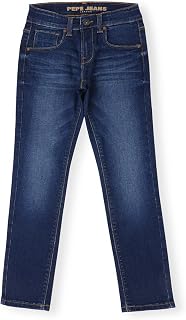


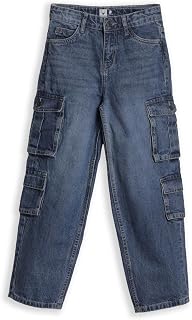


Choosing boys' jeans in 2026 is less about following every passing fashion trend and more about finding the right balance between fit, comfort, durability, versatility and age-appropriate style. Children's denim needs to withstand school days, outdoor play, family outings and repeated washing, while still looking smart enough for occasions when casual clothing needs a more polished finish.
For Indian shoppers, the choice becomes even more practical because denim may need to work across hot weather, monsoon conditions, cooler months and different levels of daily activity. A pair that looks fashionable but feels heavy, stiff or restrictive may not be a good everyday choice. Likewise, extremely soft denim can feel comfortable initially but may not provide the durability needed by an active child.
This guide explains the major boys' jeans trends for 2026 and the details worth checking before choosing a pair. Instead of treating a trend label as a guarantee of quality, compare the actual fabric composition, construction, waist design, leg shape, size information, washing instructions and customer feedback before purchasing.
The ideal jeans for a young child are not necessarily the right jeans for an older boy. Age, body shape, activity level and independence in dressing should all influence the purchase.
For younger children, comfort and ease of dressing should take priority over complicated styling. Elasticated or adjustable waistbands can make dressing simpler, while softer denim and a relaxed cut reduce the chance of restriction during crawling, running or play.
Avoid choosing a pair simply because it resembles adult fashion. Large decorative hardware, excessive distressing or rigid denim can be less practical for younger children. Look for uncomplicated construction, comfortable waistbands and a fit that permits normal movement.
School-age boys generally need jeans that can handle a mixture of sitting, walking, playing and travelling. Straight-leg, regular-fit and relaxed-fit styles are particularly versatile. If jeans are intended for school use, check the school's dress requirements before choosing colours or decorative finishes.
For everyday wardrobes, medium-blue or dark-blue denim is often easier to coordinate with T-shirts, polo shirts, sweatshirts and casual shirts. A second pair in black or charcoal can provide variety without requiring a completely different wardrobe.
Older boys may have stronger preferences regarding leg shape, colour and styling. Slim, straight, relaxed and loose silhouettes can all be appropriate depending on personal preference and body proportions.
At this stage, fit becomes especially important. A fashionable cut that is too tight through the thighs or too long at the ankle may look less balanced and can become uncomfortable during prolonged wear. It is better to choose the right silhouette first and then select the wash and details.
Fit terminology can vary between manufacturers, so the same label does not always produce the same shape. Use the manufacturer's measurement chart whenever possible rather than relying only on age recommendations.
Slim jeans generally follow the body more closely through the seat and legs. They can create a neat appearance and work well with fitted or standard tops. However, they should not feel restrictive when the child bends, sits, climbs or runs.
Regular-fit jeans provide a conventional balance between room and structure. They are a dependable option when versatility matters more than a strongly fashion-led silhouette.
Straight-leg jeans maintain a relatively consistent leg shape from the thigh toward the hem. They have a timeless appearance and are particularly easy to combine with different types of footwear.
Relaxed jeans provide additional room through areas such as the seat and thigh. They are useful for children who dislike restrictive clothing or spend substantial time playing and moving.
Loose jeans have a more generous overall silhouette and can create the contemporary oversized look that appears in casual youth fashion. The challenge is maintaining proportion: jeans that are excessively long or wide can become inconvenient for active children.
Jogger-style jeans typically combine denim or denim-like fabric with a more relaxed construction and a cuffed or elasticated ankle. They are useful when a child prefers the feel of casual joggers but wants the visual character of denim.
The fabric composition affects comfort, durability, stretch, appearance and care requirements. There is no single denim composition that is best for every child.
Traditional cotton denim has a structured feel and can develop character with wear. It is a good option for children who prefer classic jeans, but new heavyweight cotton denim may feel comparatively stiff until it softens.
Denim containing a small percentage of elastane or another stretch fibre can provide greater flexibility. This can be useful for children who frequently run, bend, sit on the floor or participate in active play.
Stretch should not be interpreted as a guarantee of superior quality. Evaluate the overall fabric, stitching and construction rather than choosing solely on the basis of stretch content.
Lightweight denim can be more comfortable in warmer conditions and may feel easier to move in. It can be particularly useful for casual wear in hot weather, although durability depends on the actual fabric and construction rather than weight alone.
Heavier denim generally has a more substantial feel and may be suitable for cooler weather or rugged everyday use. However, very heavy fabric can be uncomfortable in India's warmer regions and may feel restrictive for younger children.
India's climate varies considerably, so denim selection should reflect the conditions in which the jeans will actually be worn.
The waistband can have a greater impact on everyday comfort than many shoppers realise. Children grow quickly, and waist measurements can change even when overall height changes more gradually.
Internal elastic adjusters can help fine-tune the waist. They are especially useful when a child's waist measurement does not correspond neatly with the manufacturer's standard age-based sizing.
Elasticated waistbands are convenient for younger children and can make dressing easier. They may also be useful for casual jogger-style jeans.
Traditional button-and-zip construction can provide a familiar jeans appearance. For younger boys, consider whether the child can comfortably manage the closure independently.
Online clothing sizes can differ substantially between brands. An age label such as 8–9 years should be treated as a general reference rather than a precise measurement.
If measurements fall between two sizes, consider the intended silhouette, fabric stretch and available adjustment features rather than automatically choosing the larger size.
Blue jeans are usually the most flexible starting point because they coordinate with a wide range of colours and casual tops. Medium-blue washes are especially adaptable for everyday outfits, while dark blue can look more polished.
Black jeans provide a sharper alternative and can work well with monochrome outfits, printed T-shirts, hoodies and casual shirts. They may also be useful when parents want a darker colour for occasions where a cleaner appearance is preferred.
If buying only one pair, consider the child's existing wardrobe rather than choosing based solely on current fashion. The best colour is the one that will be worn frequently.
Different washes can change the visual character of the same basic cut. Light washes generally create a casual, relaxed appearance, while dark washes look more understated and versatile.
Light denim is well suited to casual summer outfits and pairs naturally with T-shirts, sneakers and lighter-coloured tops.
Medium blue offers a useful middle ground between very casual and relatively polished styling. It is a strong option for an everyday wardrobe.
Dark denim tends to appear cleaner and more refined. It can work with casual shirts, polo shirts, sweaters and jackets.
Distressing can include fading, whiskering, abrasions or intentionally damaged-looking areas. For children's everyday clothing, restrained detailing is generally more practical than excessive distressing because heavily decorated jeans can be harder to coordinate and may not suit every occasion.
Cargo-inspired denim combines the appearance of jeans with additional pockets or utility detailing. This style has become particularly relevant for casual wardrobes because it provides a more relaxed alternative to conventional five-pocket jeans.
Before buying cargo-style jeans, check whether the additional pockets are functional or primarily decorative. Large pockets can also alter the visual balance of the garment, so consider the child's height and overall proportions when selecting the style.
A product photograph rarely reveals every construction detail. When comparing jeans online, inspect the available product information carefully.
Children may spend several hours in the same pair of jeans, making comfort a practical requirement rather than an optional extra.
Brand selection should be based on the particular product rather than the brand name alone. Established children's and fashion brands can be useful starting points for comparison because they often offer multiple fits and sizing options.
Depending on the style and budget, shoppers may compare options from brands such as Levi's, Pepe Jeans, Lee, Wrangler, U.S. Polo Assn., Jack & Jones Junior, Allen Solly Junior, United Colors of Benetton, Gini & Jony and Monte Carlo. Product ranges, sizes, designs and availability can change, so always check the specifications of the individual pair.
When comparing branded jeans, pay attention to the fabric composition and measurements rather than assuming that a higher-priced or more recognisable brand will automatically provide a better fit for a particular child.
A useful comparison should evaluate several factors simultaneously rather than focusing on one rating or product photograph.
Age-based sizing is convenient but imprecise. Two children of the same age can have substantially different waist and leg measurements. Measurement charts are more useful when available.
Buying significantly oversized jeans can create problems with excessive length, loose waist fit and uncomfortable proportions. Adjustable-waist designs can be a better solution when growth is a concern.
A very narrow or rigid cut may look appealing but become uncomfortable during school, travel or play. Ask whether the child can sit, squat and walk normally before treating the style as a good choice.
Two jeans that look almost identical in photographs can feel very different because of their fabric composition and weight. Always check the listed materials.
Stretch content improves flexibility, but durability depends on the entire fabric and garment construction. Consider fabric composition alongside stitching and care instructions.
A highly distinctive wash can look excellent in isolation but may work with fewer tops and shoes. If versatility is the priority, classic blue, dark blue, black or charcoal may be easier to integrate.
Ratings alone do not explain whether a pair runs large, small, short or long. When reviews are available, look for repeated comments about fit and sizing rather than relying on the average rating alone.
Customer reviews can provide useful practical information, but they should be interpreted carefully. One person's experience does not establish a universal product characteristic.
Look for recurring observations from multiple verified purchasers. Comments about waist accuracy, fabric feel, shrinkage, colour, stitching, comfort and sizing consistency can be more useful than short comments that simply describe a product as good or bad.
Also distinguish between product quality and expectation mismatch. A customer who expected a slim fit may dislike a regular-fit pair even when the garment accurately matches its description. Similarly, a parent expecting very soft denim may not appreciate a structured cotton pair even if the construction is otherwise appropriate.
Children's jeans often experience stress at the knees, seat, pockets, waistband and crotch area. Active use can expose these areas to repeated bending, friction and pulling.
When durability is important, inspect available photographs and descriptions for reinforcement, stitching quality and fabric characteristics. Avoid assuming that thickness alone determines durability. A well-constructed medium-weight garment can be more useful than a heavy but uncomfortable pair.
Proper care can help preserve the appearance and useful life of denim. Always follow the care label supplied with the garment because washing instructions vary by fabric and finish.
There is no universal replacement schedule. A pair may need replacement because the child has outgrown it, the waistband no longer adjusts comfortably, the inseam has become too short, the fabric has developed significant wear or the garment no longer meets the child's needs.
Growth is often the deciding factor for younger children. For older boys, wear and changing style preferences may become more important. Instead of replacing jeans according to a fixed timetable, assess fit and condition regularly.
A child does not necessarily need a large collection of denim. A small selection of complementary styles can cover most casual situations.
The exact number of pairs should depend on the child's school requirements, laundry routine, climate and frequency of denim use.
Classic blue jeans pair easily with plain T-shirts, graphic tees, polos, casual shirts, sweatshirts and hoodies. Sneakers are the most obvious everyday footwear pairing, while boots or casual shoes can create a more structured outfit.
Dark jeans can be paired with polos, checked shirts, solid shirts, sweaters and jackets. Black jeans work particularly well with neutral colours and can create a simple monochrome appearance.
For loose or wide-leg jeans, footwear proportion matters. Chunkier casual shoes can balance a wider silhouette, while very narrow footwear may create a visually uneven outfit. The objective is not to follow a strict rule but to maintain a balanced overall appearance.
Choose according to the school's dress code. If denim is permitted, uncomplicated dark or medium-blue styles are usually easier to incorporate into a practical school wardrobe than heavily distressed or highly decorative designs.
Comfort should be the priority. Stretch, relaxed or regular fits can be preferable for long journeys where the child will spend extended periods sitting.
Choose a durable, movement-friendly pair without unnecessary restrictive construction. The child should be able to bend and move naturally.
Dark denim or a clean medium wash can provide a more polished appearance. Pairing the jeans with a polo, casual shirt or neat sweater can elevate the outfit without making it formal.
Value is not simply the lowest purchase price. A useful pair should provide an appropriate combination of fit, comfort, durability, versatility and expected frequency of use.
A moderately priced pair that fits correctly and is worn regularly may provide better value than a cheaper pair that the child dislikes wearing. Conversely, spending substantially more does not guarantee a better choice if the fit or fabric is unsuitable.
When comparing current offers, consider the complete specification and customer feedback, and check the retailer's current price, size availability, delivery terms and applicable return conditions before completing a purchase.
Relaxed, straight, loose and utility-inspired silhouettes are among the notable directions in casual boys' denim. Classic blue and dark denim remain useful because they combine current styling with everyday versatility.
There is no single best fit. Regular and straight fits are versatile starting points, while relaxed and loose fits can be better for children who prefer additional room. Slim fits may suit children who prefer a closer silhouette, provided they allow unrestricted movement.
Stretch denim can improve comfort and mobility, particularly for active children. However, stretch content should be evaluated together with fabric quality, construction and care instructions.
Medium blue, dark blue and black are among the easiest colours to coordinate with a typical casual wardrobe. Medium blue is particularly flexible for everyday outfits.
They can be especially useful for growing children or children whose waist measurement does not align neatly with standard age-based sizing. The adjustment mechanism should still provide a comfortable fit.
Not automatically. Oversizing can result in excessive length and an uncomfortable waist. If growth is the concern, an adjustable waistband or a fit with moderate flexibility may be more practical.
The waistband should sit securely without digging into the body. The child should be able to sit and move normally without the jeans slipping excessively or creating uncomfortable pressure.
Lightweight or medium-weight cotton-rich denim can be more comfortable in warmer conditions than very heavy denim. Fabric choice should also reflect the child's activity level and local climate.
Yes. Black jeans provide a versatile alternative to blue denim and can work with T-shirts, polos, casual shirts, sweatshirts and jackets.
Cargo-inspired and utility-style clothing remains a useful casual fashion direction. For younger or highly active children, prioritise comfort and practical construction over excessive pocket or hardware details.
Measure the child's waist and inseam, compare those measurements with the specific product's size chart, check fabric composition and read repeated customer comments about sizing. Avoid relying on age labels alone.
Depending on the desired style and budget, shoppers can compare brands such as Levi's, Pepe Jeans, Lee, Wrangler, U.S. Polo Assn., Jack & Jones Junior, Allen Solly Junior, United Colors of Benetton, Gini & Jony and Monte Carlo. Individual products should still be evaluated on their own specifications and fit.
There is no fixed number. A practical wardrobe may include an everyday pair, a darker smart-casual pair and an additional comfort or trend-focused pair, depending on the child's routine and laundry frequency.
The strongest boys' jeans choice for 2026 is not necessarily the most fashionable, expensive or highly rated option. It is the pair that matches the child's measurements, movement needs, climate, wardrobe and intended use.
Start by selecting the appropriate fit, then compare fabric composition, waistband design, construction, wash and care requirements. Use verified customer feedback to identify recurring sizing or quality concerns, but do not treat isolated reviews as definitive evidence. Finally, compare current specifications and prices across trusted retailers before purchasing.
For most wardrobes, a comfortable medium-blue or dark-blue pair provides the strongest foundation. From there, relaxed silhouettes, cargo-inspired designs, jogger jeans, black denim and contemporary washes can add variety according to the child's personal style. The most useful trend is ultimately the one that combines modern appearance with comfort, durability and real-world wearability.