

♥ Wishlist
Compare 55 verified Boys Shirts products in India. Reviews, ratings, pros, cons and buying advice updated for October 2026.





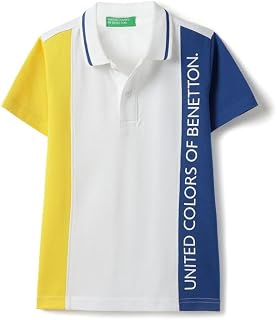

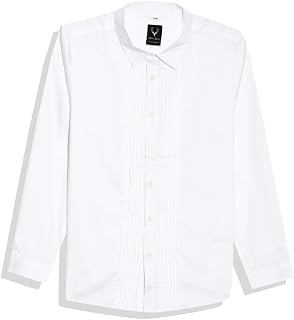


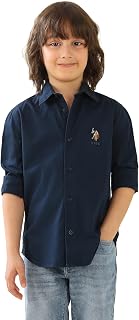


Choosing boys' shirts in 2026 is about more than following the newest colours or prints. The best choice depends on the child's age, the occasion, India's climate, fabric comfort, fit, washing requirements and how often the shirt is likely to be worn. For an independent buying comparison, look beyond photographs and promotional claims and compare fabric composition, stitching, sizing information, closure type, care instructions and verified customer feedback.
Relaxed silhouettes continue to be practical for children because they allow easier movement during school breaks, travel and everyday play. A comfortable shirt should not pull noticeably across the shoulders, restrict arm movement or feel excessively loose around the neck. For casual wear, slightly relaxed fits can also work well over a T-shirt or with lightweight trousers.
For formal occasions, a more structured regular fit generally creates a cleaner appearance. Parents should avoid buying substantially oversized shirts simply to extend their usable life, because excessive fabric can make a child's outfit look untidy and may interfere with movement.
Checks and stripes remain useful choices because they can be styled for several occasions. Small checks can look neat with jeans or chinos, while larger checks create a more casual appearance. Vertical stripes can provide a visually elongated effect, whereas horizontal stripes usually create a broader visual impression.
Printed shirts are another popular category, particularly for casual wardrobes. When selecting prints, consider whether the design can be combined with plain bottoms already in the child's wardrobe. A versatile shirt generally provides more outfit combinations than a highly specific novelty print.
Solid shirts in white, blue, navy, beige, olive, grey and other understated shades are practical additions to a boys' wardrobe. They can be paired with denim, chinos, formal trousers or shorts without requiring much coordination.
For younger children, brighter colours can add variety, while older boys may prefer muted or deeper shades. The most useful colour depends on the existing wardrobe rather than on a particular seasonal trend.
Denim-style and chambray shirts offer a casual appearance that works particularly well with jeans, chinos and shorts. However, actual fabric weight matters. Heavy denim can feel uncomfortable in hot Indian weather, whereas lightweight chambray-style fabrics may be more suitable for warm conditions.
When comparing these shirts, check the fabric description rather than relying only on the word "denim" in the product title. A lightweight woven shirt can have a denim-like appearance while feeling substantially different from a traditional denim garment.
Linen and linen-blend shirts are worth considering for warm-weather wardrobes because breathable woven fabrics can be comfortable in hot conditions. The trade-off is that linen can crease more readily than synthetic or wrinkle-resistant fabrics.
For children who need shirts that remain presentable with minimal ironing, a blend may be more practical than a high-linen-content garment. Always check the stated fibre composition and washing instructions before purchasing.
Collared casual shirts sit between T-shirts and traditional button-down shirts. They can work for family outings, casual celebrations and everyday wear when a slightly smarter appearance is desirable.
Look for collars that retain their shape without feeling stiff. For younger children, soft collars and easy closures can make dressing more comfortable.
Party shirts often feature stronger colours, textured fabrics, contrast details, embroidery, prints or decorative buttons. These details can be appropriate for birthdays, family celebrations and festive gatherings, but they should not compromise comfort.
For occasional use, consider whether the shirt can also be worn casually. A versatile party shirt may offer better value than one designed for only a single type of event.
Older boys may benefit from shirts that can transition between casual and semi-formal settings. Oxford-style textures, restrained checks, solid colours and button-down collars can provide this flexibility.
When comparing smart-casual shirts, pay particular attention to shoulder width, sleeve length and shirt length. These areas affect the overall appearance more than small decorative details.
Fabric should be one of the first specifications to compare because it influences comfort, breathability, durability, appearance and care requirements.
A shirt that works well during a mild winter day may be unnecessarily warm during India's hotter months. Rather than selecting purely by colour or brand, consider the season and location in which the shirt will be worn.
For hot weather, lightweight cotton, cotton blends, linen blends and other breathable constructions can be more comfortable. During cooler months, heavier cotton, flannel-inspired fabrics or layered shirt styles can provide additional warmth.
For humid conditions, breathability and moisture management become particularly important. For air-conditioned environments, offices, restaurants or evening events, slightly more substantial fabrics may be comfortable.
Children grow quickly, so sizing requires more attention than simply selecting the child's age printed on a product page. Age-based sizing can differ considerably between brands and manufacturers.
A small amount of growing room can be sensible for children's clothing, but buying several sizes too large can reduce comfort and make sleeves, shoulders and collars fit poorly. The best approach is to compare the child's measurements with the garment's size chart and allow only practical room for growth.
Traditional buttons provide a classic appearance, but younger children may find larger buttons easier to handle. Snap or press-stud closures can simplify dressing, particularly for casual shirts designed for younger children.
Inspect product photographs for button spacing, collar construction and closure design. For everyday children's clothing, secure stitching around buttons is more important than decorative detailing.
Short-sleeve shirts are generally easy to style for warm-weather casual outfits. They can work with shorts, jeans, chinos and lightweight trousers.
Full-sleeve shirts provide greater styling flexibility and can be useful for school events, family functions, travel and cooler conditions. Sleeves can sometimes be rolled for casual wear, provided the shirt is designed and cut appropriately.
For India's climate, consider buying both rather than treating one sleeve length as universally better. Seasonal versatility is usually more useful than following a single trend.
The intended frequency of use should influence the buying decision. An everyday shirt needs to tolerate repeated washing and regular activity, while an occasion shirt may place greater emphasis on appearance and distinctive detailing.
For younger children, comfort and ease of dressing should take priority. Soft fabrics, flexible construction, uncomplicated closures and forgiving fits can be more useful than sophisticated styling.
School-age boys generally need clothing that can handle active movement. Casual cotton shirts, checks, stripes, polos and lightweight overshirts provide practical variety.
Pre-teens often begin developing stronger preferences for colours, graphics and silhouettes. At this stage, a mix of versatile basics and trend-led pieces can provide both individuality and wardrobe flexibility.
Teenagers may prefer more mature styling, including oversized casual shirts, minimalist solids, overshirts, denim-inspired designs, checked shirts and smart-casual button-downs. Fit becomes especially important because teenagers can have significant differences in height and body proportions.
Product photographs can make two shirts appear similar even when their construction differs. Use the available specifications and close-up photographs to evaluate quality.
Customer reviews can provide useful information, but they should be interpreted rather than treated as a substitute for specifications. Look for repeated comments about sizing, fabric feel, colour accuracy, stitching, shrinkage, transparency, comfort and wash performance.
Pay particular attention to reviews that include measurements or explain the child's approximate age and build. A single review saying that a shirt "runs small" is less useful than several consistent comments describing the same sizing issue.
Also check recent verified customer feedback where available, because product specifications, manufacturing batches, sizing and seller information can change.
Age labels are convenient but not universal. Always compare measurements with the manufacturer's size chart.
A shirt can look attractive in photographs while being unsuitable for the intended climate or frequency of use. Read the material details carefully.
Some additional room can be useful, but excessive sizing can create uncomfortable shoulders, overly long sleeves and an untidy silhouette.
Trend-led pieces can be enjoyable, but a wardrobe made entirely from seasonal styles may offer fewer combinations. Balance statement shirts with versatile basics.
A shirt requiring frequent special care may be inconvenient for everyday children's wear. Compare washing, drying and ironing instructions before purchasing.
Lighting and styling can make fabric appear different from its actual texture. Use the specification panel, size chart and verified customer feedback alongside photographs.
Neutral and classic colours provide the greatest flexibility. White shirts can work with formal trousers, jeans and darker chinos. Blue shirts are similarly versatile. Navy, grey, beige, olive and muted earth tones can coordinate easily with casual bottoms.
Brighter colours and strong prints are useful for adding personality. If the shirt has a busy pattern, pair it with relatively simple trousers or shorts. Conversely, a plain shirt can balance patterned bottoms.
A practical wardrobe does not need dozens of shirts. A balanced selection can include a few everyday options, one or two smarter shirts and several seasonal or trend-focused pieces.
The exact number should depend on how frequently the child needs shirts, how often laundry is done and the existing wardrobe.
When researching options in India, shoppers may encounter established children's and fashion brands such as Allen Solly Junior, U.S. Polo Assn. Kids, Pepe Jeans London, Levi's, Monte Carlo, Peter England, Max Fashion, H&M and Marks & Spencer. Brand familiarity can be useful as a starting point, but the specific garment should still be evaluated on fabric, measurements, construction, care requirements and current customer feedback.
Do not assume that a well-known brand automatically means every shirt is the right choice. Different collections can use different fabrics, fits and construction methods.
The lowest listed price is not necessarily the best value. Consider expected frequency of use, fabric quality, versatility, ease of maintenance and whether the shirt can be worn across several occasions.
For example, a moderately priced solid shirt that coordinates with several pairs of trousers may deliver more practical value than a cheaper shirt that works with only one outfit. Similarly, an occasion shirt should not be judged by everyday durability if it is expected to be worn only a few times, although construction and comfort should still be considered.
The manufacturer's care instructions should take priority because different fabrics and finishes require different washing methods. Avoid assuming that every cotton or cotton-blend shirt should be treated identically.
Separating light and dark garments can help reduce unwanted colour transfer. New strongly coloured shirts deserve particular care during their first washes.
High washing or ironing temperatures can affect certain fibres, prints, trims and finishes. Use the temperature recommended on the garment label.
Hang structured shirts when practical and fold softer casual shirts according to available storage space. Ensure garments are completely dry before storing them for extended periods.
A trend-focused shirt becomes more useful when its colour and silhouette work with basic wardrobe pieces. A printed shirt can be paired with plain jeans or chinos. An oversized casual shirt can work as a standalone top or lightweight layer if its proportions permit. A bright shirt can be balanced with neutral bottoms.
This approach allows children to enjoy current fashion trends without making every wardrobe purchase dependent on a short-lived style cycle.
Everyday shirts should generally prioritise comfort, durability and easy care, while occasion shirts can place greater emphasis on styling and decorative details.
Consider whether the shirt will be worn in hot, humid, rainy or cooler conditions. Fabric weight and construction can make a significant difference to comfort.
A theoretically versatile shirt is not useful if the child dislikes its colour, fit or fabric. Comfort and personal preference can influence how frequently a garment is worn.
Check shoulder fit, arm mobility, sleeve length and shirt length. Children should be able to move naturally without the garment pulling across the upper body.
Popular directions include relaxed fits, checks, stripes, versatile solids, lightweight casual shirts, denim-inspired styles, smart-casual button-downs and occasion-focused prints. The most suitable trend depends on age, climate, occasion and personal preference.
There is no single best fabric for every child or season. Cotton and suitable cotton blends are common practical choices, while lightweight linen or linen blends can be useful for warm-weather dressing. Compare fibre composition, fabric weight and care instructions for the specific shirt.
Measure the child's body and compare the measurements with the individual brand's size chart. Do not rely solely on age labels because sizing can vary between brands and collections.
Yes, provided the design suits the child's wardrobe and the fabric and construction are appropriate for regular use. More restrained prints generally offer greater outfit flexibility.
Relaxed and oversized silhouettes can be part of contemporary casual styling, particularly for older boys and teenagers. The garment should still provide comfortable proportions rather than simply being several sizes too large.
Look for lightweight constructions and breathable fabrics appropriate for the local climate. Cotton, lightweight blends and linen-blend options may be worth comparing, while heavier fabrics can be less comfortable during very hot conditions.
There is no universal number. Consider school requirements, laundry frequency, climate, activities and how often the child wears shirts. A smaller collection of versatile shirts can be more practical than a large collection of rarely worn pieces.
Use the brand as one comparison factor rather than the deciding factor. The specific shirt's fabric, construction, fit, care requirements and verified customer feedback are more useful when comparing individual products.
Replacement depends on growth, wear, staining, fabric condition, changing preferences and whether the shirt still fits correctly. Children may outgrow an otherwise durable shirt long before it shows significant physical wear.
The strongest boys' shirt purchase is not necessarily the newest or most heavily promoted design. It is the option whose size, fabric, construction, style and maintenance requirements match the child's actual needs. For shoppers in India, climate and season deserve particular attention, while fast-growing children make accurate measurements especially important.
Before purchasing, compare specifications from multiple options, examine the size chart, read verified customer feedback, consider the intended occasion and check today's price from trusted retailers. For everyday wardrobes, prioritise comfort and versatility. For parties and festive occasions, allow more room for distinctive styling. For teenagers, fit and personal preference become increasingly important.
A thoughtful comparison of these factors can make it easier to identify boys' shirts that look current in 2026 while remaining comfortable, practical and useful beyond a single season.
Which guide should come next: boys' shirts by age, summer shirts, or party shirts?