

♥ Wishlist
Compare 51 verified Shampoo for Every Hair Type and Hair Care Routine products in India. Reviews, ratings, pros, cons and buying advice updated for October 2026.

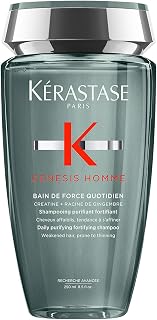


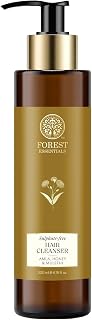


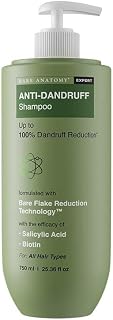


Choosing a shampoo in 2026 is no longer simply a matter of selecting a product for “dry” or “oily” hair. Indian shoppers can now choose from formulas designed around scalp care, hair damage, frizz control, colour maintenance, curl definition, volume, clarifying, strengthening and ingredient preferences. The right choice depends on your scalp condition, hair texture, styling routine, water quality, climate and how frequently you wash your hair.
This buying guide focuses on the latest shampoo trends relevant to Indian consumers in 2026 and explains what to compare before purchasing. Instead of assuming that one formula is universally best, use the criteria below to match a shampoo with your actual hair and scalp needs. Product availability, pack sizes, formulations and prices can change, so check the current product information and verified customer feedback before making a purchase.
The best shampoo is the one that solves the primary cleansing or scalp-care requirement without creating a new problem elsewhere. A shampoo that works well for an oily scalp may feel too drying on coarse or chemically processed lengths, while an intensely moisturising formula may feel heavy on fine hair.
Your scalp produces sebum, sweat and shed skin cells, while the lengths of the hair shaft do not produce their own natural oil. For that reason, shampoo selection should begin with the scalp.
Hair texture affects how a shampoo feels and how much cleansing is appropriate. Fine hair can become weighed down easily, while coarse, curly or highly porous hair often needs greater attention to moisture retention.
The scalp-care approach treats shampoo as part of a broader scalp routine rather than merely a product used to make hair smell fresh. These formulas may be positioned around oil control, buildup, scalp comfort, balancing or cleansing.
For Indian consumers, this approach can be especially practical because washing habits vary significantly with climate, physical activity, pollution exposure and personal preference. A shampoo selected around scalp needs can be more useful than buying a formula solely because it promises exceptionally smooth hair.
Best suited to: Shoppers who want to make scalp condition the starting point of their routine.
What to compare: Cleansing strength, active ingredients, fragrance, washing frequency and how the scalp feels between washes.
Potential mistake: Assuming that stronger cleansing automatically means healthier scalp care.
Frequent washing can be necessary for people who exercise regularly, have oilier scalps or simply prefer a fresh scalp every day or every other day. Gentle shampoos are designed around regular cleansing rather than occasional heavy-duty washing.
The important comparison is not whether a shampoo is labelled “daily use” but whether its cleansing performance and after-wash feel are appropriate for your routine. Fine hair may require frequent cleansing but can become weighed down by overly rich formulas. Conversely, dry or curly hair may need a more carefully managed washing schedule.
Best suited to: Frequent washers who want a comfortable cleansing routine.
What to compare: Surfactant system, residue, fragrance, scalp comfort and compatibility with your conditioner.
Anti-dandruff shampoos remain an important category because visible flakes can have different underlying causes. Products in this category may use recognised active ingredients intended for dandruff management rather than relying solely on cosmetic cleansing.
Ingredient selection matters. Some formulations use ingredients such as ketoconazole, zinc-based compounds, piroctone olamine or salicylic acid depending on the product and market. Always follow the product's directions and avoid assuming that a cosmetic anti-dandruff claim is equivalent to medical treatment.
Best suited to: Consumers specifically looking for dandruff-focused scalp cleansing.
What to compare: Active ingredient, usage instructions, scalp tolerance and whether the product is intended for regular or intermittent use.
Important: Persistent, severe, painful or unusual scalp symptoms may require professional assessment rather than repeated experimentation with consumer shampoos.
Clarifying shampoos are designed for situations where ordinary washing does not seem sufficient to remove accumulated residue. Styling products, oils and certain hair-care products can build up over time, creating a coated or heavy feeling.
A clarifying shampoo should generally be viewed as a targeted tool rather than automatically replacing your everyday shampoo. How often it is appropriate depends on your styling routine, scalp oiliness, hair texture and the formula itself.
Best suited to: People who frequently use styling products, dry shampoo or rich leave-in products.
What to compare: Cleansing intensity, intended frequency, hair texture compatibility and how the hair feels after washing.
Potential mistake: Using a strong clarifying formula every wash simply because the hair feels cleaner immediately afterward.
Heat styling, bleaching, colouring, chemical straightening and repeated mechanical stress can change the structure and feel of hair. Damage-focused shampoos are therefore one of the most visible modern categories.
Products may use bond-care technology, proteins, amino acids, conditioning polymers or other ingredients designed to improve the cosmetic condition and manageability of damaged hair. Shoppers should distinguish between cleansing and treatment: shampoo has relatively brief contact with the hair compared with leave-in or rinse-out treatments.
Best suited to: Coloured, bleached, heat-styled or chemically treated hair.
What to compare: Damage-care ingredients, cleansing strength, compatibility with your existing conditioner or mask and whether the formula makes the hair feel soft or stiff.
Frizz is affected by humidity, hair porosity, texture, friction, damage and styling practices. Smoothing shampoos are designed to improve the cosmetic feel of the hair and make subsequent conditioning and styling easier.
This category can be particularly relevant in humid conditions. However, shoppers should not expect shampoo alone to permanently eliminate frizz. Conditioner, leave-in products, drying technique and heat protection can have a major effect on the final appearance.
Best suited to: Dry, coarse, wavy, porous or frizz-prone hair.
What to compare: Smoothing ingredients, richness, silicone or conditioning technology where applicable, and whether the roots become flat.
Wavy and curly hair generally benefits from a routine that respects its natural pattern. Excessive cleansing can make some textured hair feel dry and harder to manage, while insufficient cleansing can leave the scalp uncomfortable or cause buildup.
The ideal approach is to balance scalp cleanliness with the needs of the lengths. Look at how the shampoo interacts with your conditioner and styling products rather than judging the shampoo in isolation.
Best suited to: Wavy, curly and coily hair types that require careful moisture management.
What to compare: Cleansing intensity, drying feel, fragrance, ingredient preferences and compatibility with your styling routine.
Volumising shampoos are formulated to provide a lighter feel and support the appearance of fuller hair. They are particularly useful for shoppers whose main complaint is that the roots become flat soon after washing.
Volume and moisture can sometimes pull in opposite directions. A very rich formula may improve softness but make fine hair appear flatter. A lightweight formula may create a better root feel while requiring a separate conditioner for the ends.
Best suited to: Fine, limp or easily weighed-down hair.
What to compare: Lightweight texture, cleansing ability, residue and compatibility with root-lifting styling products.
Hair colour can gradually change in appearance because of washing, heat, environmental exposure and the condition of the hair. Colour-care shampoos are formulated for people who want their shampoo routine to complement coloured or chemically treated hair.
Rather than choosing purely based on a “colour protect” label, compare the shampoo's cleansing intensity and whether it leaves treated hair comfortable. Very frequent washing with an unsuitable formula can work against a colour-maintenance routine.
Best suited to: Dyed, highlighted, bleached or otherwise chemically treated hair.
What to compare: Cleansing strength, conditioning characteristics, compatibility with coloured hair and the rest of your routine.
Ingredient-conscious shopping has become an important part of modern hair-care purchasing. Consumers increasingly read ingredient lists instead of relying entirely on advertising language such as “natural,” “clean,” “repair,” “detox” or “professional.”
A minimalist routine does not necessarily mean that a product must contain very few ingredients. It means choosing products based on a clear purpose and avoiding unnecessary changes to a routine that is already working.
Brands such as Minimalist, Mamaearth, Plum, Dove, L'Oréal Paris, Tresemmé, Pantene, Matrix, Schwarzkopf, Head & Shoulders, Sebamed and OGX offer products across different hair-care categories. Compare the specific formulation rather than assuming that every shampoo from a particular brand will suit the same hair type.
Understanding ingredients can make product comparisons more useful, but individual ingredients should not be treated as automatic guarantees of results. The complete formulation, concentration, cleansing system and your own hair and scalp characteristics all matter.
Salicylic acid is commonly used in scalp products where exfoliation and removal of excess scale or buildup are relevant. It can be useful for shoppers seeking a scalp-focused formulation, but stronger does not automatically mean better.
Ketoconazole is an antifungal active used in certain anti-dandruff products. If you are comparing products specifically for dandruff, check the active ingredient and directions rather than choosing solely by fragrance, packaging or general shampoo claims.
Niacinamide appears in some modern scalp and hair-care formulas. Consumers should evaluate it as one component of the complete formulation rather than assuming that its presence alone determines performance.
Ceramides are associated with barrier-supporting and conditioning concepts and appear in various hair-care products. In shampoos, their relevance should be considered alongside the entire cleansing and conditioning system.
Protein and amino-acid ingredients are commonly used in strengthening and damage-care products. They can contribute to the cosmetic feel and conditioning characteristics of a formula, particularly when hair has experienced chemical or mechanical stress.
Humectant ingredients are used in many moisturising formulations. They attract and help retain water within the formulation and can contribute to a hydrated feel. Their performance depends on the full product and environmental conditions.
Some consumers deliberately avoid silicones, while others value them because they can improve slip, smoothness and manageability. There is no universal requirement that all hair should avoid silicones. The more useful question is whether the formulation gives your hair the desired result without creating unwanted buildup or heaviness.
One of the most common shampoo-shopping decisions is whether to choose a sulfate-free formula. Sulfates are cleansing agents used in many shampoos, while sulfate-free formulas use alternative surfactant systems.
A sulfate-free shampoo is not automatically gentler, just as a sulfate-containing shampoo is not automatically harsh. The overall surfactant combination, concentration, frequency of use and the rest of the formulation influence the experience.
India includes a wide range of climates, from humid coastal regions to dry inland areas and cooler northern conditions. Shampoo needs can therefore change by location and season.
Humidity can make frizz more noticeable, particularly in porous, curly and wavy hair. A shampoo that leaves the hair clean but excessively rough may make styling more difficult. Smoothing and conditioning characteristics can become more important.
Sweat and increased scalp oiliness can make some people prefer more frequent washing. In this situation, a comfortable regular-use shampoo may be more useful than a very rich formula designed for infrequent cleansing.
During drier periods, some people may notice increased roughness or a dry-feeling scalp. A balanced cleansing routine and appropriate conditioner can be more beneficial than simply switching to the richest shampoo available.
Environmental exposure and styling products can contribute to a feeling of residue. If the hair routinely feels coated despite normal washing, review both your styling products and shampoo rather than automatically increasing shampoo strength.
Water quality can influence how hair feels after washing. Hard water contains higher levels of dissolved minerals, which may contribute to residue and can affect how cleansing and conditioning products perform.
If your hair repeatedly feels rough, coated or difficult to rinse despite changing shampoos, consider whether water quality could be contributing to the issue. A shampoo alone may not solve every hard-water-related hair concern.
When comparing products, also consider whether your routine includes a suitable conditioner or occasional cleansing step designed around buildup. Avoid using aggressive cleansing more frequently than necessary simply to compensate for an underlying water-quality issue.
An oily scalp combined with dry ends is one of the most difficult combinations to shop for because the scalp and lengths have different requirements.
The practical approach is to concentrate shampoo on the scalp and allow the rinse water and lather to clean the lengths without aggressively scrubbing them. Conditioner can then be applied mainly from the mid-lengths toward the ends.
“Hair fall shampoo” is a popular search term, but shoppers should distinguish between cleansing products and treatments for the underlying causes of hair loss or shedding. Shampoo primarily cleans the scalp and hair and has limited contact time.
If your main concern is increased shedding, sudden thinning, visible bald patches or a persistent change in hair density, choosing a shampoo solely from marketing claims may not address the underlying issue. A shampoo can be selected for scalp comfort and hair condition while the underlying concern is assessed separately.
For dandruff-focused shopping, the active ingredient is often more informative than the cosmetic claims on the front of the bottle. Look for the intended use, directions and warnings on the product packaging.
If the scalp problem is persistent or severe, professional advice is more appropriate than repeatedly switching between cosmetic shampoos.
Colouring, bleaching, straightening and other chemical processes can leave hair more vulnerable to dryness, breakage and roughness. Shampoo selection should therefore prioritise a balance between effective scalp cleansing and preservation of the cosmetic condition of the lengths.
Look for products that fit your broader damage-care routine. A shampoo can support manageability, but conditioner, masks, leave-in products, heat protection and reduced mechanical stress can also influence how treated hair looks and feels.
Curly and wavy hair often requires a different balance from straight hair because natural oils may not travel as easily from the scalp down the bends of the hair. Excessive cleansing can therefore make the lengths feel dry.
When shopping, compare the shampoo's cleansing strength with your wash frequency. If you use gels, creams, mousses or oils, also consider whether the shampoo can adequately remove your styling routine without requiring unnecessarily aggressive washing.
Fine hair often becomes weighed down more easily than thick hair. Rich shampoos can sometimes make the roots feel coated, particularly when combined with heavy conditioners, oils and styling products.
For fine hair, consider lightweight formulas and keep richer conditioning products away from the roots when appropriate. Volume is also influenced by haircut, drying technique and styling, so shampoo should not be expected to create permanent thickness.
Thick and coarse hair can benefit from a routine that prioritises manageability. If the hair becomes rough immediately after cleansing, a shampoo with stronger cleansing may not be the best everyday option.
Look for a balanced routine in which shampoo cleans the scalp while conditioner or treatment products provide additional softness and slip to the lengths. Anti-frizz shampoos can be useful as part of that routine, particularly in humid conditions.
Brand recognition can help shoppers narrow down choices, but it should not replace product-level comparison. Large brands such as Dove, L'Oréal Paris, Tresemmé, Pantene, Matrix and Schwarzkopf have multiple shampoo lines aimed at very different needs. Likewise, Indian-focused brands such as Mamaearth, Minimalist and Plum can offer formulas targeting specific ingredient preferences or concerns.
Compare the actual product rather than judging the entire brand. A brand known for moisturising products may also have a clarifying formula, while a brand associated with salon-style hair care may sell products for several scalp and hair types.
The cheapest bottle is not necessarily the cheapest option per wash. A better comparison considers quantity, required amount per wash and how frequently you need to use it.
For example, compare the approximate cost per wash rather than comparing only the printed pack price. A concentrated formula that requires less product per wash may provide different value from a larger bottle that requires more product each time.
Also consider whether the shampoo requires additional products to make the hair manageable. A lower-priced shampoo that consistently leaves the lengths difficult to detangle may not represent the best overall value for your routine.
A pleasant fragrance can improve the washing experience, but it does not determine cleansing performance or suitability for your scalp.
Higher price does not automatically mean better results for your specific hair type. Compare formulation, purpose, quantity and suitability instead.
Natural-origin ingredients can be useful, but “natural” is not a guarantee of gentleness, effectiveness or suitability. Evaluate the complete formulation.
Constantly switching products makes it difficult to determine what actually works. Unless there is a reason to change, give a suitable routine enough time to assess its practical performance.
More shampoo does not necessarily mean cleaner hair. The amount required depends on hair length, scalp oiliness, product concentration and washing technique.
Shampoo is primarily intended to clean the scalp. Rough mechanical treatment of the lengths can increase tangling and friction, particularly when the hair is wet.
Shampoo cannot replace conditioner, heat protection, appropriate styling practices or professional care when a persistent scalp or hair problem requires assessment.
There is no universal number of washes that suits every Indian consumer. Washing frequency depends on scalp oiliness, hair texture, exercise, weather, styling products and personal preference.
Shampoo and conditioner perform different jobs. Shampoo focuses primarily on cleansing, while conditioner is used to improve softness, manageability, slip and the cosmetic feel of the lengths.
If your shampoo provides excellent scalp cleansing but leaves the ends rough, the solution may not be finding a richer shampoo. A better approach can be pairing a suitable cleanser with a conditioner designed for the lengths.
Co-washing uses a cleansing conditioner rather than a conventional shampoo. It can appeal to people with particularly dry or textured hair, although its suitability depends on scalp oiliness, styling-product use and individual preference.
If you regularly use heavy styling products or have an oilier scalp, occasional conventional cleansing may still be useful. There is no single washing system that works equally well for every hair type.
Customer reviews can be useful, but hair-care products are highly individual. One person's “too drying” may be another person's “finally cleans my oily scalp.” Look for patterns instead of relying on one enthusiastic or negative review.
A simple comparison table can prevent impulse purchases. Record the product name, intended hair type, primary concern, active ingredients, pack size, approximate cost per wash, cleansing intensity and customer feedback.
Brand selection can be a useful starting point, particularly when comparing established product ranges, but individual formulations should always be checked before purchase.
A good shampoo should have a clear purpose and fit naturally into your existing routine. The strongest choice is not necessarily the one with the longest ingredient list or the most impressive marketing language.
For most buyers, the most useful decision criteria are scalp compatibility, cleansing performance, hair texture, primary concern, ingredient preferences, washing frequency, pack value and customer feedback. Once those factors are matched, secondary considerations such as fragrance, packaging and brand preference can help break a tie.
Changing products can make sense when your scalp or hair needs have changed. Examples include moving from frequent washing to occasional washing, colouring your hair, beginning regular heat styling, changing climates or introducing heavier styling products.
You may also want to reconsider a shampoo if it consistently leaves the scalp uncomfortable, causes unwanted dryness, makes the roots excessively greasy or leaves the hair coated despite appropriate washing.
However, not every change in hair texture means that a new shampoo is required. Seasonal changes, humidity, hard water, conditioner choice and styling habits can all influence how hair feels.
There is no single shampoo that is best for everyone. The appropriate choice depends on scalp type, hair texture, washing frequency and the primary concern you want to address. Compare products according to these factors rather than selecting solely from an overall popularity ranking.
Scalp-first hair care, ingredient-focused formulas, gentle cleansing, targeted active ingredients, damage care and specialised products for textured or chemically treated hair are among the most relevant trends to consider when comparing shampoos in 2026.
A suitable shampoo for an oily scalp should provide enough cleansing to remove excess oil without leaving the scalp uncomfortably dry. Your ideal choice also depends on how frequently you wash and whether you use styling products.
Dry hair generally benefits from a cleansing routine that does not unnecessarily strip the lengths. Look for a suitable cleansing system and pair it with an appropriate conditioner or treatment for the hair lengths.
No. Sulfate-free describes a particular cleansing approach, not a universal quality rating. Both sulfate-containing and sulfate-free shampoos can be suitable depending on formulation, scalp type, hair condition and washing frequency.
Shampoo can support scalp cleansing and hair manageability, but persistent hair shedding or thinning may have causes that cannot be addressed by shampoo alone. Avoid treating a shampoo marketing claim as a diagnosis or guaranteed solution.
Follow the directions on the specific product because recommended usage varies according to its active ingredients and formulation. If dandruff persists despite appropriate use, consider professional advice rather than continuously increasing application frequency.
Not necessarily. Price does not guarantee that a formula will suit your scalp or hair. Compare ingredients, cleansing performance, pack quantity, cost per wash and suitability for your specific needs.
Shampoo is primarily used to cleanse the scalp. For many routines, the lengths can be cleaned sufficiently by the lather and rinse water, while conditioner is applied mainly to the mid-lengths and ends.
Consider the climate where you live and how it affects your scalp and hair. Humidity can increase the appearance of frizz, while hot weather and exercise may increase the preference for frequent cleansing. Choose the formula and washing frequency together.
Clarifying shampoos are generally intended for more targeted cleansing rather than automatically replacing an everyday shampoo. Follow the specific product directions and consider your scalp and hair condition.
Ratings can help narrow down options, but they should not be the only deciding factor. Read verified customer reviews, examine recurring feedback and prioritise reviews from people with similar hair and scalp characteristics.
For an independent buying guide, the most useful comparison is based on product purpose, formulation characteristics, suitability, value and available customer feedback rather than unsupported claims about guaranteed results. Product information can change during the year, so shoppers should verify current specifications, ingredient lists, pack sizes and retailer information before purchasing.
The goal is to make the selection process easier: identify the scalp requirement, match the hair type, compare relevant ingredients, consider washing frequency and then assess value. This approach is more reliable than choosing a shampoo simply because it is heavily advertised or described as suitable for everyone.
The latest shampoo trends in 2026 are moving toward more specialised, purpose-driven hair care. Scalp-focused cleansing, targeted active ingredients, gentle formulas, damage care, anti-frizz technology, curl-friendly routines, clarifying products and ingredient-conscious shopping all give Indian consumers more ways to build a routine around their actual needs.
For the best purchase decision, start with your scalp rather than the bottle's marketing headline. Then consider hair texture, damage level, climate, washing frequency, styling habits and budget. Compare trusted brands such as Dove, L'Oréal Paris, Tresemmé, Pantene, Head & Shoulders, Matrix, Schwarzkopf, Sebamed, OGX, Mamaearth, Minimalist and Plum at the individual-product level, and check current specifications and verified customer feedback before buying.
Which guide would you prefer next: oily-scalp shampoos, anti-dandruff shampoos, or shampoos for dry/frizzy hair?