

♥ Wishlist
Compare 56 verified Mens Ethnic Wear for Traditional Indian Style products in India. Reviews, ratings, pros, cons and buying advice updated for October 2026.


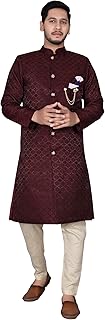


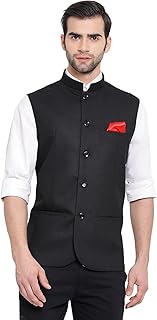


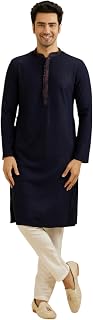


Men's ethnic wear in India is moving toward a more versatile balance between tradition, comfort and contemporary tailoring. The biggest change is not that classic garments such as kurtas, sherwanis or bandhgalas have disappeared; rather, they are being redesigned for more occasions and styled with greater restraint. Current 2026 fashion coverage points toward lighter silhouettes, refined layering, modern Indo-Western combinations, softer colour palettes and occasion-specific dressing instead of relying on one heavily embellished outfit for every celebration.
For shoppers, that shift is useful. A well-chosen kurta set can work for a puja, family gathering and festive dinner, while a versatile Nehru jacket can transform a relatively simple outfit into something more formal. A bandhgala can bridge the gap between western formalwear and traditional clothing, whereas a sherwani remains appropriate when the occasion genuinely calls for ceremonial dressing.
This guide focuses on the practical side of the 2026 men's ethnic wear trends in India: what each trend means, where it works best, which fabrics and fits deserve attention, how to compare garments, what mistakes to avoid and how to build an ethnic wardrobe without buying pieces that are difficult to wear again.
The kurta set remains one of the most useful categories in Indian men's ethnic fashion because it can be dressed up or down without requiring an elaborate outfit. In 2026, the more contemporary interpretation generally favours cleaner lines, controlled proportions and less visual clutter.
Instead of automatically choosing an oversized kurta with extensive decoration, consider the relationship between the shoulder, chest, sleeve, kurta length and bottom. A straight or gently tapered silhouette can look polished while still leaving enough room for comfortable movement.
Pastels have become an important direction in contemporary men's ethnic fashion, particularly for daytime celebrations, engagement events, mehendi functions and less formal wedding gatherings. Shades such as ivory, powder blue, sage, dusty pink, peach and muted yellow can create a lighter visual effect than traditional dark festive colours.
The practical advantage of pastel ethnic wear is that it can make embroidery and texture visible without requiring extremely elaborate decoration. However, very pale fabrics require more attention to transparency, lining, stain visibility and care requirements.
When comparing pastel garments, examine the actual fabric composition and construction rather than choosing a colour solely from an online product photograph. Lighting and image processing can significantly change how cream, beige, ivory and pale yellow appear on screen.
Indo-Western clothing continues to occupy an important space because it provides a middle ground between traditional ethnic garments and western tailoring. Contemporary examples include asymmetric kurtas, longline jackets, structured waistcoats, tailored ethnic trousers, draped silhouettes and hybrid formal jackets.
This category is especially useful when the dress code is festive but does not require a traditional sherwani. It can work well for receptions, cocktail-style wedding functions, sangeet events, dinners and modern celebrations where movement and individuality matter.
The bandhgala remains one of the strongest options for men who want a formal Indian appearance without wearing a traditional sherwani. Its high collar, structured construction and relatively clean surface can create a polished silhouette suitable for receptions, formal dinners, engagements and other sophisticated occasions.
Nehru jackets offer a more flexible version of the same design language. A sleeveless jacket can be worn over a kurta, shirt or other relatively simple base, making it easier to reuse across different outfits.
When evaluating a bandhgala, inspect the collar, shoulder line, button placement, lining, sleeve construction and waist shaping. Poor tailoring becomes particularly noticeable in structured garments because the jacket is expected to maintain its shape.
Heavy embroidery still has a place in groom and ceremonial clothing, but minimal decoration is increasingly useful for men who want an ethnic garment that can be worn more than once. Tone-on-tone embroidery, restrained thread work, subtle woven patterns and concentrated detailing around the collar or yoke can provide visual interest without dominating the entire outfit.
Minimal embroidery is also easier to coordinate with accessories. A relatively simple ivory, cream, navy or deep green kurta can be paired with different jackets, stoles, footwear and trousers across multiple occasions.
Before purchasing an embroidered garment, check whether the decoration is stitched, woven, printed or attached. The construction method can affect appearance, cleaning requirements, weight and long-term practicality.
Fabric choice should be treated as seriously as colour or design. India's climate varies considerably, but heat and humidity can make heavy synthetic or densely constructed clothing uncomfortable during long functions.
Cotton remains a practical choice for everyday and warm-weather ethnic wear. Linen can offer a lightweight, textured appearance, although it naturally wrinkles. Silk and silk blends are more appropriate when a richer finish is desired. Chanderi, khadi and other textured Indian fabrics can also provide character without relying exclusively on heavy embellishment.
Printed kurtas are particularly useful for shoppers who want something more distinctive than a plain kurta without moving into full ceremonial clothing. Floral motifs, geometric patterns, block-inspired designs and subtle surface textures can work well for family celebrations, festive lunches, mehendi functions and casual ethnic gatherings.
The key is scale. Large or high-contrast prints make the garment the focal point, while smaller patterns are easier to combine with jackets or neutral bottoms. If you expect to reuse the kurta frequently, a restrained print can provide more styling flexibility.
Layering is one of the easiest ways to make a basic ethnic wardrobe more versatile. A plain kurta can take on a completely different character when worn with a printed Nehru jacket, embroidered waistcoat or textured outer layer.
This approach also makes financial sense for shoppers who do not attend formal functions frequently. Instead of buying several fully embellished three-piece outfits, you can create multiple combinations from a smaller collection of interchangeable kurtas, trousers and jackets.
The sherwani remains an important garment for grooms and close family members, but it does not need to be the default answer for every wedding event. Contemporary versions can use cleaner construction, lighter materials, controlled embroidery and softer colours to reduce the sense of bulk.
When buying a sherwani, prioritise the occasion first. A groom's primary wedding outfit can justify more elaborate craftsmanship than a guest outfit intended for a single reception. Buying the most decorated garment available is not necessarily the best purchasing decision.
Pay particular attention to shoulder fit, chest room, sleeve length, front closure, collar comfort and the relationship between the sherwani and bottom. The garment should allow sitting, walking and normal movement rather than looking impressive only while standing.
One of the most useful developments in men's ethnic fashion is the move toward dressing differently for each part of an event. Instead of wearing a sherwani to every wedding function, shoppers can select clothing according to formality, time of day, venue, weather and expected activity.
The most common shopping mistake is selecting an outfit because it looks impressive in a product photograph and only later considering where it will be worn. Start with the event. A heavily embroidered sherwani may be appropriate for a groom but excessive for an office Diwali celebration. Conversely, a lightweight cotton kurta may be comfortable for a family puja but too casual for a formal reception.
Ask four questions before comparing products: How formal is the event? Will it be indoors or outdoors? How long will the outfit be worn? Can the individual pieces be reused separately?
Fit is often more important than the brand name. A moderately priced kurta with appropriate proportions can look considerably better than an expensive garment in the wrong size.
Slim fit can create a sharper appearance for formal events, but slim should not mean restrictive. Relaxed silhouettes are often more comfortable for daytime wear, hot weather and long celebrations.
For online purchases, do not rely solely on generic labels such as slim, regular or relaxed. Compare the seller's actual garment measurements with a well-fitting item you already own. This is a more reliable method because sizing conventions vary between manufacturers.
Cleaner vertical lines can help create a more balanced appearance. Avoid excessively long jackets or extremely oversized kurtas if they visually overwhelm your frame. A well-proportioned kurta with appropriately fitted trousers can create a cleaner silhouette.
Taller men generally have more flexibility with longer kurtas, layered jackets and broader silhouettes, but proportion still matters. Extremely short jackets can make an outfit appear unbalanced, while excessive layering can add unnecessary bulk.
Look for garments that skim rather than cling. Extremely tight ethnic clothing can restrict movement and emphasise areas that the wearer may prefer to keep understated. Vertical detailing, structured jackets and controlled patterns can create a cleaner overall appearance.
Layering can add visual structure. Nehru jackets, textured fabrics, waistcoats and moderate embroidery can create dimension without requiring an oversized garment. The goal is structure rather than simply adding more fabric.
Colour selection should reflect the occasion, time of day and how often you intend to reuse the garment. Current men's ethnic fashion includes both soft contemporary tones and deeper traditional shades.
Two garments with an identical design can look and feel completely different because of their fabric. Fabric weight affects drape, breathability, structure, wrinkle behaviour and how the garment photographs.
Cotton is one of the safest choices for practical everyday ethnic wear and warm-weather events. It is particularly suitable when comfort and repeated use matter more than formal sheen.
Linen has a distinctive natural texture and is well suited to contemporary minimalist styling. Its tendency to crease is part of its character, but shoppers who expect a permanently crisp appearance should understand this before purchasing.
Silk provides a richer visual finish and is commonly associated with more formal ethnic dressing. Silk blends can offer different combinations of drape, structure, cost and maintenance, so the actual fibre composition should always be checked rather than inferred from the product name.
Textured Indian fabrics can give a simple garment more visual interest without requiring heavy embroidery. They can be particularly effective for understated festive outfits.
Embroidery should match the formality of the event. Heavy decorative work can be appropriate for a groom or major ceremonial outfit, while restrained detailing is usually more versatile for guests and repeat wear.
Also consider where the embroidery is concentrated. Collar, cuff, placket and yoke detailing can provide a sophisticated focal point. All-over decoration increases visual weight and can make the outfit harder to coordinate with other pieces.
Brand choice should be treated as one part of the decision rather than the entire decision. Different brands and labels can specialise in different aesthetics, price levels, fabrics and levels of formality. When browsing men's ethnic wear, shoppers may wish to compare established names such as Manyavar, Fabindia, Raymond, ETHNIX BY RAYMOND and Anita Dongre, while also examining newer Indian labels and marketplace options.
Do not assume that a familiar brand automatically means the best garment for a particular occasion. Compare the individual product's fabric composition, measurements, construction, care instructions, customer feedback and return conditions before buying.
A lower price can be attractive, but the actual value depends on how often you can wear the garment, how well it fits, how easy it is to maintain and whether the individual pieces can be reused separately.
For example, a plain kurta with a versatile jacket may provide more long-term wardrobe value than a highly decorated complete outfit that only works for one type of event.
A fashionable garment can still be difficult to style. Before purchasing, identify the footwear, bottom, jacket and accessories you already own that can work with it.
Product titles can use attractive fabric terminology without providing enough information about the actual composition. Always check the specification section for fibre content and care instructions.
Sizes can vary across garments and manufacturers. Measure a well-fitting garment and compare its dimensions with the product's size chart whenever possible.
Decorative work looks impressive, but it can reduce versatility. If you attend several weddings each year, consider distributing your wardrobe across simple kurtas, jackets, bandhgalas and one or two more elaborate outfits instead of buying only heavily embellished pieces.
A visually impressive outfit can become uncomfortable if it is too heavy for the venue or season. Outdoor daytime functions in warm weather demand a different approach from an air-conditioned evening reception.
Light-coloured garments can behave differently under direct sunlight and artificial lighting. Check whether the garment is lined and read customer feedback for comments about opacity when such information is available.
You do not need a large collection to cover most Indian celebrations. A small wardrobe built around interchangeable pieces can provide considerably more flexibility.
This strategy allows a shopper to create several combinations without purchasing a completely new outfit for every celebration.
The groom has greater scope for ceremonial dressing, but comfort should not be sacrificed for appearance. Consider the full duration of the event, movement requirements, footwear, accessories and the likelihood of wearing the outfit again.
A bandhgala, sophisticated kurta-jacket combination or Indo-Western outfit can provide a formal appearance without competing too heavily with the groom's primary outfit.
Versatility is usually more valuable than maximum embellishment. A refined kurta set, printed jacket, Nehru jacket or bandhgala can create a polished appearance while remaining suitable for future occasions.
Festive clothing does not always require a sherwani or heavily embroidered jacket. A well-fitting kurta in ivory, cream, deep green, maroon, navy or another suitable festive shade can look complete with the right bottom and footwear.
For a more elevated appearance, add a Nehru jacket or textured waistcoat. If the celebration involves significant outdoor time, prioritise lightweight construction and comfortable footwear.
Office ethnic wear benefits from restraint. A clean kurta with straight trousers or a subtle Nehru jacket can communicate festive intent without appearing like wedding attire.
Prefer solid colours, small-scale patterns and limited embroidery when the setting is professional. Extremely ornate sherwanis, dramatic draping and heavy embellishment are generally better reserved for ceremonial occasions.
Footwear can change the character of an ethnic outfit considerably. Traditional options such as juttis and mojaris can reinforce a classic appearance, while clean formal shoes can work with contemporary bandhgalas and Indo-Western tailoring.
Match footwear formality to the outfit. A heavily embroidered sherwani paired with extremely casual footwear can create an unintended visual mismatch.
Accessories should support the clothing rather than compete with it. Depending on the occasion, useful additions can include a stole, pocket square, brooch, watch, understated jewellery, traditional footwear or a turban for appropriate ceremonial settings.
If the garment already contains substantial embroidery, reduce the number of additional statement elements. With a plain kurta, a textured stole or carefully selected jacket can provide the necessary visual interest.
Do not assume that every kurta can be machine washed simply because it is made from cotton. Embroidery, decorative trims, lining, dyes and blended fabrics can change the recommended cleaning method.
Heavy embroidery and structured garments should be stored in a way that prevents unnecessary crushing or snagging. Avoid overcrowding the wardrobe because decorative surfaces can catch against neighbouring clothing.
Ivory, cream and pastel clothing can show stains more readily than dark colours. Follow the garment's care instructions and avoid aggressive home treatments that could damage embroidery or delicate fabric.
Bandhgalas and Nehru jackets benefit from appropriate hangers and sufficient wardrobe space. Maintaining the garment's shape helps preserve the appearance of the collar and shoulders.
Customer reviews can provide useful information, but they should be read systematically rather than judged by the star rating alone. Look for repeated comments about the same issue.
Recent reviews can be particularly useful when a listing has existed for a long period, because manufacturing batches, sizing or materials can sometimes change. Treat individual reviews as experiences rather than universal guarantees.
No. Price can reflect fabric, tailoring, embroidery, construction, brand positioning and other factors, but it does not automatically guarantee that a particular garment is the right choice for you.
A more expensive garment may make sense when craftsmanship, special fabric or ceremonial detailing is important. For everyday festive wear, however, a comfortable, well-fitting and versatile garment can provide better practical value than an elaborate outfit that is rarely worn.
A strong purchase combines appropriate style, comfortable fit, suitable fabric, reliable construction and realistic repeat-use potential. The best garment is not necessarily the one with the most embroidery or the highest advertised rating. It is the one that fits your actual occasion, climate, body proportions, wardrobe and maintenance preferences.
For shoppers comparing products online in India, the most useful approach is to evaluate the complete specification first and then use customer feedback to identify recurring strengths or weaknesses. Brand reputation can help narrow the field, but the individual garment still deserves scrutiny.
There is no single style that suits every occasion, but refined kurta sets, modern Indo-Western silhouettes, Nehru jackets, bandhgalas, lighter fabrics and more restrained embroidery are prominent directions in 2026 men's ethnic fashion.
A well-fitting kurta set is generally one of the most versatile options. Adding a separate Nehru jacket can extend its usefulness by creating a more formal layered look.
Yes. Pastel and soft tones such as ivory, sage, powder blue, peach and dusty pink are widely represented in contemporary men's ethnic styling, particularly for daytime and pre-wedding occasions.
Yes. The sherwani remains an important ceremonial garment, particularly for grooms and formal wedding occasions. The contemporary direction is often toward cleaner silhouettes, controlled embellishment and more wearable proportions.
A bandhgala, sophisticated Indo-Western outfit, formal kurta-jacket combination or appropriately styled sherwani can all work depending on the dress code. Evening receptions generally allow richer colours and more structured tailoring.
Lightweight kurtas, pastel shades, breathable fabrics, subtle jackets and refined layered outfits are practical choices. Consider the weather and venue before choosing heavier fabrics.
Cotton and linen are practical choices for warm weather because of their lightweight and breathable characteristics. The actual construction and fibre composition should still be checked before buying.
Yes. The Nehru jacket remains useful because it can add structure to a simple kurta or shirt without requiring the formality of a complete sherwani or suit.
It should be well-fitted rather than unnecessarily tight. The correct fit should provide a clean silhouette while allowing normal movement, sitting and walking.
Change the outer layer, bottom, footwear and accessories. A plain kurta can be styled casually on its own, upgraded with a Nehru jacket for a festive gathering or combined with a more structured layer for a formal event.
Check fabric composition, garment measurements, size chart, included pieces, care instructions, customer reviews, product photographs and the current return or exchange conditions. These details are generally more useful than relying on the product title alone.
It can require more care than a simple garment because embroidery, trims and decorative elements may have specific cleaning requirements. Always follow the garment's care label.
The strongest men's ethnic wear choices for 2026 are not necessarily the loudest ones. Contemporary Indian menswear is giving shoppers more flexibility: a simple kurta can be elevated with a jacket, a bandhgala can replace a conventional formal outfit, and Indo-Western tailoring can provide a modern alternative to traditional ceremonial clothing.
When comparing the latest men's ethnic wear trends, focus on the combination of occasion, fit, fabric, comfort, versatility and construction. Use current customer feedback to identify recurring product issues, compare specifications carefully and consider how frequently you will realistically wear the garment.
For most wardrobes, a balanced collection of versatile kurtas, breathable fabrics, one or two adaptable jackets and a formal statement piece is more practical than buying several highly specialised outfits. Before purchasing, compare the latest available options, check verified customer reviews, confirm the current specifications and review today's pricing and return conditions so your final choice matches both your style and your actual requirements.