

♥ Wishlist
Compare 28 verified School Bags for Kids in India products in India. Reviews, ratings, pros, cons and buying advice updated for October 2026.


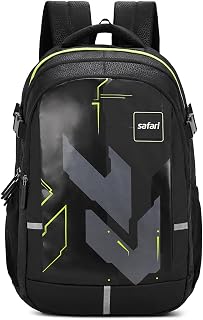


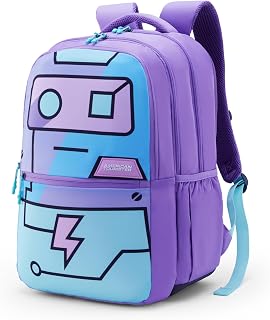


Choosing a school bag in 2026 is about more than colour, characters or a fashionable shape. A useful school bag needs to balance carrying comfort, organisation, durability, weight, weather resistance and the amount of schoolwork a child actually carries every day. For families in India, the choice can also depend on school uniform requirements, commuting method, climate, tuition classes, sports equipment and whether the bag is used for primary school, middle school or higher classes.
This independent buying guide explains the latest school bag trends for 2026 and the practical features that matter when comparing options. Instead of choosing a bag simply because it looks attractive, compare its dimensions, construction, compartments, straps, padding, material and everyday usability. Product specifications and customer feedback should always be checked before purchase because models, variants and availability can change.
The strongest school bag trends for 2026 combine modern styling with practical features. Minimalist designs, ergonomic construction, lightweight materials, laptop-compatible compartments for older students, water-resistant fabrics and better internal organisation are increasingly relevant when comparing school backpacks.
The best school bag is not necessarily the largest, most expensive or most heavily padded model. It is the one whose dimensions and construction match the child's age, body size, daily load and method of travel. Before comparing brands such as Wildcraft, American Tourister, Skybags, Safari, Aristocrat and other established backpack manufacturers, identify the actual requirements first.
A school backpack should be proportionate to the child rather than selected solely according to the number of litres advertised by the manufacturer. A very large backpack can encourage overpacking and may become uncomfortable when filled with books. Conversely, a very small bag can force notebooks and textbooks into an overcrowded main compartment.
Look at the published dimensions, shoulder-strap placement, back-panel height and overall shape. For younger children, a compact design that sits securely against the back is generally more practical than an oversized backpack intended for teenagers.
Empty bag weight is an important specification that is frequently overlooked. Two backpacks with similar storage capacity can have noticeably different empty weights because of differences in frames, padding, hardware, fabric and reinforcement.
When comparing school bags, check the manufacturer's listed weight where available. A lighter construction can leave more of the child's carrying capacity available for essential school materials.
Shoulder straps should be sufficiently wide, adjustable and padded without being excessively bulky. Smooth adjustment is useful because the bag needs to fit different clothing layers throughout the year.
Back padding can improve comfort, but more padding does not automatically mean a better school bag. The important factors include the distribution of padding, the firmness of the structure, ventilation and how the backpack sits when loaded.
In hot Indian weather, breathable or ventilated back-panel materials can be particularly useful. A heavily padded back that traps heat may be less comfortable during long commutes than a thoughtfully ventilated design.
Material affects durability, weight, cleaning, appearance and resistance to everyday wear. The exact fabric composition varies between models, so check the product specification instead of assuming that every backpack marketed as waterproof has the same level of protection.
Polyester is widely used in backpacks because it can offer a practical balance between weight, durability and cost. Different polyester fabrics can have different densities and finishes, so the material name alone should not be treated as a complete quality assessment.
Nylon can provide a strong and relatively lightweight construction. It is commonly used in backpacks intended for frequent use. As with polyester, the quality of the finished bag depends on fabric construction, stitching, zippers, reinforcement and design rather than the fibre name alone.
Water resistance can be particularly useful during India's monsoon season. However, water-resistant and fully waterproof are not interchangeable terms. A water-resistant exterior may help protect against light rain or splashes, while prolonged exposure to heavy rain can require a rain cover or a backpack designed specifically for stronger weather protection.
Canvas-style materials can offer a distinctive appearance and may appeal to students who prefer casual or fashion-oriented designs. Before buying, check the total weight and cleaning instructions because a material chosen primarily for appearance may not be the most convenient option for a child carrying the bag every day.
Backpack capacity should be judged against the child's daily requirements rather than treated as a simple bigger-is-better measurement. A primary-school child carrying a few notebooks may need considerably less capacity than a secondary-school student carrying textbooks, practical materials, stationery and personal items.
Always compare internal dimensions as well as the advertised litre capacity. A backpack can have a high nominal capacity but poor usable organisation if most of its space is divided into narrow compartments.
Good organisation can make a school bag easier to use every morning. Instead of placing everything in one deep compartment, look for a layout that reflects the child's routine.
Too many pockets can also be inconvenient. Younger children may find a simple two- or three-compartment layout easier to manage than a highly segmented backpack.
For very young children, simplicity and fit usually matter more than maximum storage. Choose a lightweight backpack with easy-to-use zippers, comfortable straps and a size that does not overwhelm the child's back.
Bright colours, animal designs and familiar characters can make the bag appealing, but practical construction should remain the priority. Avoid choosing an oversized backpack simply because it appears to provide better value.
Primary-school students generally need enough space for textbooks, notebooks, a lunch box, stationery and a water bottle. A structured main compartment with a few clearly defined storage areas can make daily packing easier.
Durability becomes particularly important because the bag may be placed on classroom floors, school buses, playground areas and other surfaces during everyday use.
As academic requirements increase, organisation becomes more important. Students may need separate notebooks for multiple subjects, folders, project materials and additional stationery.
Look for stronger zippers, reinforced handles, dependable strap stitching and a compartment arrangement that allows heavier books to sit close to the back.
Older students often prefer designs that resemble everyday backpacks rather than traditionally styled school bags. Minimalist black, navy, grey and neutral designs can work well for school, tuition classes and other activities.
If the student carries a laptop or tablet, verify the exact device compartment dimensions rather than relying on a generic laptop-size label. A sleeve should hold the device securely without forcing it into a tight opening.
India's varied climate makes weather protection an important buying consideration. Requirements differ between regions, but a school bag may encounter intense summer heat, sudden rain, dust and humid conditions.
Do not assume that a backpack is waterproof merely because its fabric repels small amounts of water. Check the manufacturer's stated level of water protection and consider a dedicated rain cover for regular monsoon travel.
Small construction details often determine whether a school backpack remains useful after months of daily use. Zippers, seams, handles and strap attachment points experience repeated stress and deserve careful inspection.
Look for zippers that move smoothly and have pulls large enough for the child to operate. A zipper that catches frequently can become frustrating during rushed school mornings.
Pay particular attention to the areas where shoulder straps, grab handles and compartments connect to the main body. Reinforced stitching at these points can be a useful indicator of attention to load-bearing areas.
A top grab handle is useful when lifting the bag from a classroom floor, desk or vehicle. It should feel securely attached rather than acting like a decorative feature.
Ergonomics should be considered separately from aesthetics. A backpack that looks fashionable but hangs awkwardly, has poorly positioned straps or distributes weight unevenly may be less practical for daily school use.
For persistent discomfort, pain or unusual posture concerns, parents should seek advice from an appropriately qualified healthcare professional rather than relying on backpack marketing claims.
School bags are increasingly treated as part of a student's everyday style. The right design depends on age and school culture, but several aesthetic directions are especially useful when comparing options.
Clean shapes, limited branding and neutral colours can make a backpack suitable for school as well as tuition, travel and casual use. This can increase practical value when one bag needs to serve multiple routines.
Younger children often prefer cartoon characters, animals, colourful prints and playful graphics. These designs can make children more enthusiastic about using their school bags, although parents should still check dimensions, weight and construction quality.
Sport-inspired designs can suit students who move between school, coaching and extracurricular activities. Look for durable fabrics and enough organisation to separate books from sports-related items.
Older students may benefit from dedicated compartments for laptops, tablets, chargers and other accessories. These features should be selected according to actual device requirements rather than buying a bag simply because it is marketed as a tech backpack.
Colour is mostly a personal preference, but there are practical considerations. Darker colours such as black, navy and charcoal can make everyday dust and minor marks less noticeable. Brighter colours and reflective elements can make a backpack easier to identify in a busy school environment.
For younger children, a distinctive colour or pattern can also help them recognise their bag quickly among similar backpacks. Parents should check school rules before choosing designs that may conflict with uniform or appearance policies.
Brand reputation can be a useful starting point, but the individual model matters more than the logo. Established names commonly considered by Indian shoppers include Wildcraft, American Tourister, Skybags, Safari, Aristocrat, Puma, Adidas, Nike and other backpack brands available through Indian retailers.
When comparing these brands, do not assume that every product in a brand's range offers the same construction quality. Compare the specific model's dimensions, material, capacity, empty weight, compartments, warranty information where applicable and current customer feedback.
If two backpacks appear similar, use a structured comparison instead of relying on appearance. The following criteria can help narrow the decision.
A large backpack may appear future-proof, but unused capacity can encourage unnecessary packing. Choose capacity according to the child's normal school load.
Colour and graphics are immediately visible, while stitching, zipper construction and strap reinforcement are less obvious. Examine both before making a decision.
A heavily constructed backpack can consume part of the available carrying capacity before any books are added. Always compare listed empty weights when the information is available.
Marketing terminology can vary. Check the manufacturer's exact description and consider a rain cover if the student regularly travels during heavy rainfall.
Some schools have requirements concerning colour, branding, size, trolley bags or other accessories. Check the school's rules before purchasing a bag that may not be permitted.
Online photographs can make a backpack appear much larger or smaller than it really is. Compare the listed height, width and depth with the child's current school materials.
Customer reviews can provide useful information, but they should be interpreted carefully. A single positive or negative comment rarely establishes whether a backpack is suitable for every child.
Reviews are most useful when they confirm specific construction or usability characteristics rather than when they simply describe the product as good or bad.
When buying branded backpacks online, compare the product name, model information, images, dimensions and specifications carefully. Major differences between the advertised product and the delivered variant can sometimes arise from model-year changes or different sizes.
Regular maintenance can help a school backpack remain usable for longer. Cleaning requirements vary by material, so follow the manufacturer's care instructions before washing or applying cleaning products.
Even a well-designed backpack can become uncomfortable if it is packed poorly. Organisation should start with the heaviest items.
A higher price does not automatically indicate better quality. However, certain features can justify spending more when they solve a genuine problem.
Conversely, decorative elements, excessive pockets and oversized branding may add cost without providing meaningful everyday benefits.
Trolley-style school bags can reduce the need to carry a loaded bag continuously, but they are not appropriate for every school environment. Consider the route between home, school, classrooms and transport before selecting one.
Rolling bags may be inconvenient on stairs, uneven roads, crowded corridors or locations where students are expected to carry their bags. Check school policies and consider the child's actual commute rather than choosing a trolley design solely because it looks convenient.
The best option depends on the student's environment and school rules, not simply on the theoretical carrying convenience.
There is no single correct school bag budget for every Indian family. Instead of setting a price target first, identify the features that genuinely matter and then compare several models offering those features.
A budget backpack can be a sensible choice when the child needs a basic bag for a short period or has a relatively light load. A more expensive model can make sense when stronger construction, better organisation, improved comfort or greater versatility is expected to provide value over several school terms.
Always compare the current price, specifications and available alternatives because promotional pricing can change frequently across Indian marketplaces and retailers.
Focus on low empty weight, compact dimensions and only the compartments the child actually needs. Avoid unnecessary frames and excessive hardware.
Prioritise comfortable straps, supportive construction, durable stitching, sensible weight distribution and a compartment layout that keeps heavier books close to the back.
Look for water-resistant fabric, protected construction and, ideally, a suitable rain cover. Verify the manufacturer's exact weather-resistance claims.
Consider a minimalist backpack with stronger construction, organised compartments and a properly sized device sleeve if the student carries a laptop or tablet.
Prioritise low weight, simple organisation, easy zippers, adjustable straps and child-friendly dimensions. Attractive graphics can be considered after these practical requirements are satisfied.
There is no universal best school bag for every student. The right choice depends on age, body size, school load, commute, climate, budget and preferred organisation. Compare the exact model's dimensions, weight, construction and customer feedback before buying.
Brands such as Wildcraft, American Tourister, Skybags, Safari and Aristocrat offer school and everyday backpack options, while sports-focused brands such as Puma, Adidas and Nike also have backpacks that may suit older students. Brand reputation is useful, but the specifications of the individual model should be the deciding factor.
A lightweight bag can be advantageous because the backpack itself contributes less to the total carried load. However, weight should be considered alongside fit, strap construction, durability and organisation.
Polyester and nylon are common practical choices, but the quality of the finished backpack depends on fabric construction, stitching, reinforcement, zippers and design. Compare the complete specification rather than selecting solely by material name.
It can be useful for students who regularly travel during monsoon weather. However, check whether the bag is described as water-resistant or waterproof and consider a separate rain cover for stronger protection.
There is no ideal number for every child. A main book compartment plus a few practical sections is often easier to organise than a bag containing numerous small pockets. Older students carrying devices may benefit from a dedicated sleeve.
Not necessarily. Trolley bags can be useful on smooth routes, while conventional backpacks are generally more versatile for stairs, walking and uneven surfaces. School rules and the child's commute should guide the decision.
Check the exact model, dimensions, empty weight, capacity, material, compartment layout, strap construction, water-resistance description, customer feedback and applicable warranty information. Also compare the same model across reputable retailers before deciding.
Clean it whenever visible dirt, spills or odours develop, while following the manufacturer's care instructions. Regularly emptying the compartments can prevent unnecessary dirt and clutter from accumulating.
Reflective details can improve visibility in lower-light environments. They are particularly worth considering when a student walks or cycles during early morning or evening hours.
The latest school bag trends for 2026 are moving toward designs that combine style with practical everyday performance. For Indian students, the strongest buying decisions usually come from matching the backpack to the child's actual routine rather than choosing the most fashionable or largest model.
Before purchasing, compare empty weight, dimensions, capacity, strap design, back support, material, compartments, zippers, stitching and weather protection. Then consider colour, graphics and brand preference. For online shopping, read recent verified customer feedback and compare the exact model's specifications with competing products available in India.
Whether you are looking for a lightweight school backpack, an ergonomic bag for daily commuting, a waterproof option for monsoon weather, a stylish teenage backpack or a durable school bag for heavier academic loads, the most useful choice is the one that solves the student's specific needs without adding unnecessary weight or complexity.
A simple comparison table created from the current product listings you are considering can make the final choice easier. Record the model name, price, empty weight, dimensions, capacity, material, number of useful compartments, laptop compatibility, rain protection, customer rating, review count and applicable manufacturer information. This approach helps prevent a visually attractive backpack from winning simply because its photographs are better.
Because product availability, pricing, specifications and customer feedback can change during 2026, verify these details immediately before placing an order. Treat the information on retailer and manufacturer listings as the current reference for the specific variant you intend to purchase.
This guide is intended for independent consumer research in India. Product models, colours, specifications, prices, ratings and availability can change over time, so the latest listing information should be checked before purchase. Recommendations should be based on the student's actual age, school requirements, carrying routine, climate and budget rather than on trend value alone.
Which guide would you prefer next: budget school bags under ₹1,500, premium school bags, or bags for specific age groups?