

♥ Wishlist
Compare 58 verified Skin Care Products for Everyday Skin Care products in India. Reviews, ratings, pros, cons and buying advice updated for October 2026.


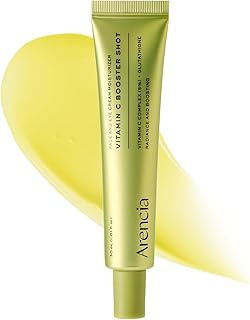

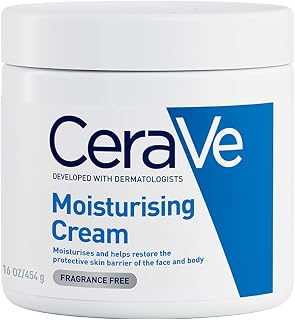


Skin care in 2026 is moving beyond long routines and trend-driven product collecting. The most useful developments focus on practical skin-barrier support, daily sun protection, gentle cleansing, targeted ingredients, hydration, and routines that can be maintained consistently. For shoppers in India, climate, humidity, heat, pollution exposure, seasonal changes, skin type, and personal tolerance can all affect whether a particular product is a sensible choice.
This guide is designed for shoppers comparing the latest skin care trends and products in India. Instead of treating every viral ingredient as essential, consider what a product is formulated to do, whether its ingredients suit your skin, how often it should be used, and whether it fits realistically into your routine.
The best skin care product is not necessarily the most expensive, newest, or most heavily promoted option. A better buying decision starts with identifying the job the product needs to perform.
Skin type is a useful starting point, although it does not describe every aspect of your skin. Oily skin may benefit from lighter textures, while dry skin often needs richer moisturising support. Combination skin can require different approaches for different areas of the face. Sensitive or easily irritated skin generally benefits from a simpler routine and careful introduction of new products.
Indian shoppers may experience very different environmental conditions depending on region and season. Hot and humid weather can make heavy creams uncomfortable, whereas dry winter conditions can increase the appeal of richer moisturisers. A product that feels excellent in winter may feel unnecessarily heavy during summer.
Rather than choosing a product solely because it is labelled for a particular skin type, consider the combination of texture, formulation, climate, and your own skin's response.
Ingredient lists can provide more useful information than front-label claims. Look for the ingredients relevant to the product's intended purpose and consider their position in the ingredient list, the overall formulation, and your personal tolerance.
Common categories include humectants that help attract water, emollients that help soften the skin, occlusive ingredients that reduce moisture loss, antioxidants, exfoliating acids, retinoid-related ingredients, and soothing or barrier-supporting components.
Niacinamide, a form of vitamin B3, is widely used in modern skin care. It can appear in cleansers, serums, moisturisers, and other formulations. It is often selected by consumers looking for a versatile ingredient that can complement routines focused on oiliness, uneven-looking skin tone, and barrier support.
Higher concentration does not automatically mean better results. If a lower-strength formulation is comfortable and fits the rest of your routine, there may be little reason to chase the highest percentage available.
Hyaluronic acid is a humectant commonly included in hydrating products. It can help the skin feel hydrated and is available in products ranging from lightweight serums to moisturisers.
A hydrating serum does not replace every moisturiser. The complete formulation and the needs of your skin determine whether you need an additional moisturising layer.
Ceramides are lipid components associated with the skin barrier and are commonly used in moisturisers designed to support dry or compromised-feeling skin. Products containing ceramides may be particularly useful when the goal is comfortable, sustained moisturising rather than a quick cosmetic effect.
Glycerin is a well-established humectant found in many moisturisers and cleansers. It can contribute to hydration and is compatible with a wide variety of skin-care formulations.
Vitamin C products are commonly used in routines targeting the appearance of dullness and uneven-looking skin tone. Formulation stability, packaging, concentration, and the specific vitamin C derivative all matter when comparing products.
Do not judge two vitamin C products solely by the percentage printed on the front. Different forms of vitamin C can behave differently, and the surrounding formulation can substantially influence the user experience.
Salicylic acid is a beta hydroxy acid commonly used in products formulated for oily or blemish-prone skin. It can help remove excess oil and dead skin cells, but using too many exfoliating products simultaneously can leave skin feeling dry or irritated.
Ingredients such as glycolic acid and lactic acid are commonly used for exfoliation and improving the appearance of uneven texture. They should be introduced thoughtfully, particularly when combined with other active products.
Retinoid-based skin care is widely discussed for concerns related to texture, signs of ageing, and breakouts. However, these ingredients can be irritating, especially when introduced too quickly. A gradual routine is generally more sensible than immediately combining multiple strong actives.
The skin barrier deserves attention because an overly aggressive routine can become counterproductive. Frequent exfoliation, harsh cleansing, repeated use of strong actives, and constantly changing products can make skin feel uncomfortable.
A barrier-conscious routine generally emphasises gentle cleansing, adequate moisturising, sensible active-ingredient use, and consistent sun protection. This does not mean every shopper needs a specialised barrier product. Often, the more important decision is avoiding unnecessary complexity.
These signs do not identify a medical condition, but they can be a useful reason to simplify a cosmetic routine. Persistent or significant skin problems are better discussed with a qualified dermatologist.
Sunscreen should be considered separately from cosmetic treatments because daily ultraviolet exposure is an important consideration for long-term skin care. When comparing sunscreens, look beyond marketing language and examine the labelled protection, texture, finish, intended use, and whether you are realistically willing to apply enough product consistently.
There is no universal requirement to use a ten-step routine. For many people, a basic routine can be built around a gentle cleanser, moisturiser, sunscreen, and one carefully selected treatment when needed.
A more elaborate routine may make sense when different products have clearly different purposes and the user's skin tolerates them. However, adding multiple serums with overlapping ingredients can make it difficult to determine which product is responsible for either improvement or irritation.
The exact order can vary by product formulation and directions. The objective is not to maximise the number of steps but to create a routine that is effective, comfortable, and sustainable.
A good cleanser should remove daily buildup without leaving the skin unnecessarily uncomfortable. Oily skin may favour gel or foaming formats, while dry or sensitive skin may prefer gentler cream, lotion, or low-foam formulations.
Popular brands such as Cetaphil, CeraVe, Neutrogena, Minimalist, Plum, and The Derma Co offer products across different skin-care categories, but the brand name alone should not determine the choice. Compare the specific formulation, ingredients, intended skin type, and directions.
Moisturiser selection should be based primarily on skin needs and texture preference. A lightweight gel may be comfortable in hot weather, while a cream may be more suitable for dry skin or cooler conditions.
Look for useful combinations of humectants, emollients, and barrier-supporting ingredients rather than assuming one fashionable ingredient makes a moisturiser superior.
Serums are concentrated-format products designed around specific ingredients or purposes. Vitamin C, niacinamide, hyaluronic acid, exfoliating acids, and other actives are commonly found in serum formulations.
Before purchasing several serums, identify the specific concern you want to address. Buying multiple products with overlapping functions can increase cost and complexity without necessarily improving the routine.
Sunscreens deserve careful comparison because daily comfort affects consistency. Indian consumers can find options from brands such as Minimalist, Neutrogena, La Roche-Posay, Re'equil, and Fixderma, among many others. Always check the current product label and formulation rather than assuming that every product from a brand has identical characteristics.
Exfoliating products can be useful when used appropriately, but physical scrubs and chemical exfoliants are not interchangeable. If your routine already contains several active ingredients, adding another exfoliant may increase irritation risk.
When two products appear similar, compare them systematically rather than choosing based only on price or packaging.
Social media can introduce useful products, but popularity is not evidence that a product is appropriate for every skin type. A product that works well for one person may be unsuitable for another.
A stronger concentration is not automatically a better purchase. Tolerance, formulation, frequency of use, and the rest of the routine all matter.
Combining several exfoliating or treatment products at once can make a routine unnecessarily aggressive. Introduce unfamiliar actives gradually and avoid changing multiple variables simultaneously when possible.
A theoretically suitable product may still be a poor choice if its texture makes you avoid using it. Consistency is an important part of practical skin care.
Constantly switching between cleansers, serums, moisturisers, and treatments can make it difficult to understand how your skin responds. Give a routine enough time to evaluate comfort and suitability unless irritation or another problem requires stopping sooner.
Price does not provide a universal measure of formulation quality or suitability. Compare ingredients, product purpose, quantity, texture, packaging, and actual requirements before deciding how much to spend.
When comparing skin-care products on Amazon India or another trusted retailer, inspect the individual product listing carefully. Product names can be similar, and packaging or formulation can change over time.
Customer reviews can be useful for identifying practical characteristics that are difficult to judge from a product description, such as texture, fragrance preference, packaging convenience, or whether a dispenser is easy to use.
However, reviews should not be treated as controlled product testing. Skin care results vary substantially between individuals, and a review describing a personal outcome does not establish that the same outcome will occur for everyone.
Prioritise effective but comfortable cleansing, lightweight moisturising, and suitable sunscreen. Ingredients such as niacinamide or salicylic acid may be relevant depending on the product and individual tolerance.
Focus on gentle cleansing and consistent moisturising. Products containing humectants and barrier-supporting ingredients can be useful components of a dry-skin routine.
Use texture strategically. A lighter product may work across the face while richer moisturisation can be reserved for areas that become dry.
Keep the routine uncomplicated and introduce one new product at a time where practical. Fragrance, exfoliating acids, retinoids, and other potentially irritating ingredients should be considered carefully according to individual tolerance.
Hydration, moisturisation, and consistent sun protection remain useful fundamentals. Targeted products containing ingredients associated with the appearance of fine lines or uneven texture can be considered if they suit the individual's skin and tolerance.
Some ingredients receive considerable attention online but should not be selected simply because they are trending. The correct question is whether the ingredient serves a genuine purpose in your routine and whether the particular formulation is suitable.
In hot Indian weather, lightweight products can improve comfort and reduce the temptation to skip moisturiser or sunscreen. During colder or drier months, a richer moisturiser may become more useful.
Humidity also affects how products feel. Two moisturisers with broadly similar goals can produce very different experiences depending on their texture and finish. This is why product format matters almost as much as the ingredient list for everyday usability.
Packaging is not merely an aesthetic consideration. It can influence convenience, hygiene, portability, and how easily a product can be dispensed.
A sensible budget does not require buying every trending product. Start with the categories that provide the foundation of the routine.
Before adding another product to your cart, ask three questions: What problem is this product intended to address? Do I already own something that performs a similar function? Can I use it comfortably alongside my existing routine?
If the answer to the second question is yes, the new product may provide less practical value than expected. A carefully selected routine is usually easier to maintain and evaluate than a collection of overlapping products.
Well-known names such as Cetaphil, CeraVe, Neutrogena, La Roche-Posay, Minimalist, The Derma Co, Dot & Key, Plum, Re'equil, Fixderma, Bioderma, and Simple cover a range of skin-care categories. Their inclusion here does not mean every product from these brands is suitable for every person.
When comparing brands, evaluate the individual product rather than assuming that brand reputation guarantees suitability. Formulations differ across cleansers, moisturisers, sunscreens, serums, and treatments, and the same brand may offer products aimed at very different skin types.
The most useful 2026 skin-care trends are not necessarily the most complicated ones. For most shoppers, the strongest purchasing framework is still based on a few fundamentals: understand your skin type, protect your skin from ultraviolet exposure, maintain comfortable hydration, choose active ingredients for a specific purpose, and avoid unnecessarily aggressive routines.
When comparing the latest skin-care products in India, give greater weight to formulation, usability, compatibility, directions, and current product information than to viral status. A product that fits your routine and that you can use consistently is often a more practical choice than a highly promoted product that does not suit your skin or lifestyle.
There is no single universally best trend. Barrier-conscious routines, daily sun protection, ingredient-focused purchasing, targeted treatments, and simpler routines are among the most practical themes for consumers.
For a basic routine, start with products that cover cleansing, moisturising, and daytime sun protection. Add targeted treatments only when you have a clear reason to use them.
Not necessarily. Price alone does not establish that a formulation will perform better for your particular skin. Compare ingredients, product purpose, texture, quantity, packaging, and suitability.
Neither approach is universally superior. A minimalist routine is often easier to maintain and evaluate, while a longer routine can be appropriate when every step has a clear purpose and the products are compatible.
It depends on the specific ingredients, concentrations, formulations, and your skin's tolerance. Combining multiple strong treatments can increase the chance of irritation, so introduce active products thoughtfully rather than assuming more actives will produce better results.
There is no universal replacement schedule for every cosmetic product. Follow the product's storage and usage information and consider replacing products when they are finished, expired, contaminated, or no longer in suitable condition.
Oily skin can still benefit from moisturising. The more useful question is which texture and formulation provide comfortable hydration without feeling unnecessarily heavy.
Yes, sunscreen serves a different purpose from moisturisers and cosmetic treatment products. A complete routine should consider sun protection separately from hydration and active ingredients.
They perform different roles and are not automatically alternatives. A serum may deliver a targeted ingredient or hydration, while a moisturiser is primarily selected to support comfortable hydration and reduce moisture loss.
No. Natural origin does not automatically determine whether an ingredient is suitable for your skin. Individual tolerance and the complete formulation matter.
Compare products according to your skin type, specific concern, ingredients, texture, directions, packaging, customer feedback, and value. Check current product information from trusted retailers before purchasing.
No. Skin-care suitability varies between individuals. These buying principles are intended to support product comparison, not to replace personalised medical advice or guarantee a particular result.
The best latest skin care trends for 2026 are the ones that translate into sensible, consistent skin care rather than simply adding more products. Indian shoppers should focus on a suitable cleanser, comfortable moisturisation, reliable sun protection, and carefully selected treatments that address genuine needs. Ingredient knowledge, climate awareness, product compatibility, and realistic usage are more useful decision-making tools than hype alone.
Use this guide as a framework for comparing products, then verify the current formulation, directions, customer feedback, and retailer information before making a purchase.