

♥ Wishlist
Compare 60 verified Ties, Socks & Belts for Men products in India. Reviews, ratings, pros, cons and buying advice updated for October 2026.

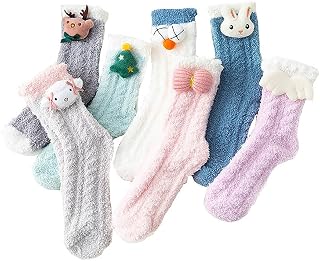


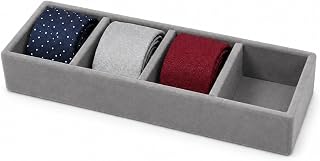


The right tie, socks and belt can make a formal or smart-casual outfit look considerably more polished without requiring a complete wardrobe change. In India, where clothing needs can range from office wear and interviews to weddings, festive occasions, business meetings and everyday smart-casual dressing, these accessories should be selected according to the occasion, fabric, colour, fit, climate and footwear.
This 2026 buying guide focuses on the practical differences between ties, socks and belts so you can compare products more intelligently before purchasing. Rather than choosing an accessory only because it looks attractive in a product photograph, consider construction, materials, sizing, versatility, maintenance and how well it works with the clothes and shoes you already own.
Current menswear trends continue to balance traditional formal dressing with more relaxed styling. Classic colours and versatile designs remain useful because they work across multiple outfits, while textured fabrics, understated patterns and contemporary proportions can add personality without making an outfit difficult to coordinate.
A tie should be evaluated as part of an outfit rather than as an isolated accessory. The ideal choice depends on the shirt collar, jacket or blazer, trouser colour, occasion and overall proportions.
Solid ties are among the easiest options for building a versatile wardrobe. Navy, burgundy, dark green, charcoal and other restrained shades can work with several shirt colours. A solid tie is particularly useful when the shirt already contains a pattern.
When comparing solid ties, pay attention to the depth and consistency of the colour, fabric texture and finish. A matte or lightly textured surface can provide visual interest without relying on a prominent print.
Striped ties are a practical choice for business and office wardrobes. Traditional stripes can create a more formal appearance, while wider or less conventional stripe arrangements can look more contemporary.
Consider the direction, width and contrast of the stripes in relation to the shirt. A strongly patterned shirt and strongly patterned tie can compete visually, so one element should usually be more restrained.
Geometric, dotted, paisley-inspired and small repeating patterns can add character to an otherwise simple outfit. Smaller patterns are generally easier to use across professional settings, while larger prints may be better suited to social occasions.
Textured ties can add depth to simple outfits. Knitted ties are particularly useful for smart-casual wardrobes, although their relaxed appearance may not suit every conservative business environment.
Tie proportions matter almost as much as colour. A tie that is significantly too narrow or too wide can make an otherwise well-fitted outfit look unbalanced.
Matching does not require every item to be the same colour. Good coordination usually comes from combining related colours and controlling pattern contrast.
Socks are frequently overlooked because they are less visible than shirts, trousers or shoes. However, material, thickness, construction and fit have a significant effect on comfort, particularly in warm and humid conditions.
Cotton socks are popular for everyday use because they are comfortable and widely available in different weights and designs. However, cotton can retain moisture, so the exact fabric composition and construction should be considered rather than assuming that every cotton sock performs identically.
Blended fabrics can combine different characteristics, such as softness, stretch, durability and moisture management. Check the stated composition before buying, especially if you have specific preferences for natural or synthetic fibres.
Formal socks generally work best when they are long enough to prevent exposed skin between the trouser hem and shoe while sitting. Black, navy, charcoal and dark brown are useful foundation colours for a formal wardrobe.
Checks, dots, stripes and novelty patterns can add personality to an outfit. For professional environments, understated patterns are usually easier to integrate. More expressive patterns can be reserved for casual, social or festive occasions.
A simple approach is to coordinate socks primarily with the trousers rather than attempting to match them exactly with the shoes. This creates a visually continuous line between the trouser leg and footwear.
The material of a belt affects appearance, durability, flexibility and maintenance. The best option depends on how frequently the belt will be worn and the type of clothing it needs to support.
Leather belts are a traditional choice for formal and business wardrobes. When comparing leather products, inspect the stated leather type, construction, thickness, edge finishing and buckle attachment. The term leather alone does not provide enough information to determine the exact quality of a belt.
Full-grain leather retains the outer surface of the hide and is commonly associated with durable, premium leather goods. It can develop changes in appearance with use and may require appropriate care.
Top-grain leather has undergone surface processing to create a more consistent appearance. It can be a practical choice for people who want a refined leather finish while prioritising a uniform look.
Synthetic belts can provide an affordable alternative to leather and are available in numerous colours and finishes. Buyers should inspect the material description carefully and consider expected frequency of use, because appearance and longevity can vary considerably between constructions.
Fabric belts are generally more relaxed than traditional leather belts and can work well with chinos, jeans and casual trousers. They may be less suitable for conservative formal environments.
For traditional formal dressing, coordinating the belt and shoes is one of the simplest ways to create a cohesive appearance. The colours do not necessarily have to be identical, but they should generally belong to the same visual family.
Buying the correct belt size is more important than simply selecting a favourite colour. Check the seller's sizing instructions because belt measurements can be presented in different ways.
Traditional prong buckles use predetermined holes, while ratchet or track-style belts allow more incremental adjustment. Neither design is automatically better for every buyer.
When researching ties, socks and belts, established brands can be useful starting points because their product ranges often provide clearer information about sizing, materials and intended use. Availability and individual product quality can vary, so brand recognition should not replace product-level comparison.
Online photographs can make accessories appear similar even when their materials and construction differ. Before purchasing through an Indian online marketplace or retailer, inspect the product information carefully.
Waist measurements and belt measurements are not always presented in the same way. Always confirm how the manufacturer defines the size.
A tie can have an attractive colour and pattern but still look wrong if its width and length are incompatible with your body proportions and clothing.
Short socks may be comfortable for casual footwear but can expose skin when worn with formal trousers. Match sock length to the intended outfit.
Leather quality, thickness, surface treatment, stitching and buckle construction can differ substantially. Read the specifications instead of treating leather as a complete quality assessment.
A product photograph cannot fully communicate fabric density, elasticity, edge finishing or hardware quality. Specifications and consistent customer feedback can provide additional information.
A small collection of versatile accessories can be more useful than a large collection of nearly identical products. Build around colours and patterns that complement your existing wardrobe.
If you are starting from scratch, prioritise versatility rather than purchasing numerous statement designs. A small selection can cover a wide range of professional and social situations.
The exact colours should be adjusted according to the shirts, suits and jackets already in your wardrobe.
Buying multipacks can be convenient, but compare the composition and construction before assuming that a larger pack automatically represents better value.
Choose a restrained tie, dark formal socks and a simple leather belt. Navy, charcoal, burgundy, white, light blue and other conservative combinations can provide a professional foundation.
Keep accessories understated and ensure everything fits correctly. A simple tie, clean formal socks and a belt coordinated with your shoes usually create a more controlled appearance than highly fashionable accessories.
There is greater scope for richer colours, textures and distinctive patterns. Coordinate accessories with the overall colour palette of the outfit rather than attempting to match every item exactly.
A textured tie, patterned socks and a less formal belt can work with chinos, blazers and dress-casual footwear. The accessories should reflect the relaxed nature of the clothing.
Ties may not be necessary, while socks and belts can be selected primarily for comfort and coordination. Canvas, braided and casual leather belts can work well with jeans and casual trousers.
India's climate varies considerably between regions and seasons. Even within the same city, hot summers, monsoon humidity and cooler winter periods can change what feels comfortable.
When two products appear similar, use a structured comparison rather than relying on photographs or star ratings alone.
Customer reviews can provide useful information, but they should be interpreted systematically. One unusually positive or negative comment is less informative than a recurring pattern across many relevant reviews.
The cheapest accessory is not necessarily the best value, and a higher price does not automatically establish superior quality. Value should be considered in relation to material, construction, versatility, expected frequency of use and maintenance requirements.
For a frequently worn office accessory, construction and versatility may justify prioritising quality over novelty. For an occasional festive accessory, appearance and occasion-specific styling may be more important. Compare products at the same quality level and check the current price before making a purchase decision.
Navy is one of the easiest colours to integrate into a versatile wardrobe, although burgundy, charcoal and other dark shades can also work well. The best choice ultimately depends on your existing shirts, trousers and suits.
The finished tie should normally extend to approximately the waistband or belt area. Check the manufacturer's length information and consider your height, body proportions and preferred knot.
For formal dressing, coordinating socks with the trousers is often an easy way to create a continuous visual line. The socks do not have to be identical in colour to the shoes.
For traditional formal dressing, the belt and shoes should generally coordinate in colour and formality. Casual outfits allow more flexibility.
Not automatically. Leather can provide a traditional appearance and may be suitable for formal wardrobes, while synthetic materials can offer different characteristics and price points. Compare the actual material and construction rather than choosing solely by category.
Casual leather, canvas, braided and other relaxed belt styles can work with jeans. The belt should complement the shoes and overall casual character of the outfit.
Choose socks that are long enough to prevent exposed skin when sitting and that fit comfortably inside your formal shoes. Dark, neutral colours are versatile for business wardrobes.
Yes, when the workplace dress code permits them. Subtle patterns are generally easier to integrate into conservative professional outfits than very bright or novelty designs.
There is no universal number. A small collection of versatile solid, striped and subtly patterned ties can cover many professional situations. Expand the collection according to your wardrobe and lifestyle.
For many wardrobes, one black formal belt, one brown formal belt and one casual option provide a useful starting point. A reversible design can reduce the number of separate accessories required.
They can be useful when you regularly wear two complementary shoe colours. Check the buckle mechanism and construction carefully because convenience should not come at the expense of reliability.
Start with the colour, fabric and formality of your main outfit. Richer colours and textures can work for festive events, but accessories should complement the clothing rather than compete with it.
Check material composition, dimensions, sizing information, product photographs, care instructions, customer feedback and the current listing details. For belts in particular, confirm how the stated size is measured.
The best ties, socks and belts are not necessarily the most fashionable or expensive options. The strongest purchases are those that fit correctly, complement your existing wardrobe, suit India's climate and intended occasions, and provide construction appropriate for how frequently they will be used.
When comparing products in 2026, prioritise specifications over marketing language. For ties, examine width, length, fabric and construction. For socks, consider material composition, elasticity, length, thickness and seam construction. For belts, verify material, width, sizing method, buckle design and overall construction.
Use customer feedback as supporting evidence rather than the sole decision-maker, compare several similar products, and check the current specifications and price before purchasing. A carefully selected collection of versatile accessories can cover office wear, interviews, weddings, festive occasions and smart-casual outfits without requiring a large number of redundant pieces.