

♥ Wishlist
Compare 40 verified Men Sportswear for Workout, Running & Active Lifestyles products in India. Reviews, ratings, pros, cons and buying advice updated for October 2026.


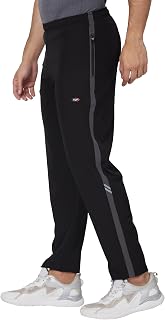


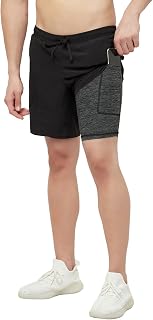


Men’s sportswear in India has moved well beyond basic gym clothing. In 2026, shoppers are increasingly looking for apparel that can work across workouts, running, walking, travel, casual outings and everyday active lifestyles. The right combination of fabric, fit, breathability, stretch, moisture management and durability can make a much bigger difference than simply choosing a garment because it looks fashionable.
This guide explores the latest men’s sportswear trends for 2026 with a practical buying perspective for Indian consumers. Instead of treating trends as purely visual choices, the focus is on how modern sportswear performs in real purchasing situations: hot and humid weather, frequent washing, outdoor activity, gym sessions, commuting and versatile everyday wear.
The strongest sportswear trends are increasingly connected to functionality. Lightweight materials, relaxed silhouettes, versatile designs, technical fabrics and coordinated outfits are all influencing what men choose for training and everyday use. Brands such as Nike, Adidas, Puma, Reebok, Under Armour, ASICS, HRX and Decathlon offer different approaches to performance apparel, making it important to compare the actual construction rather than relying only on brand recognition.
Performance T-shirts remain one of the most useful sportswear purchases because they can serve several purposes. A good training shirt should allow comfortable movement, manage perspiration reasonably well and avoid becoming excessively heavy during exercise. For Indian conditions, fabric weight and ventilation deserve particular attention because heat can make unsuitable clothing uncomfortable very quickly.
Look for synthetic performance fabrics such as polyester blends when sweat management is a priority. Some garments also incorporate elastane or other stretch fibres to improve freedom of movement. The ideal composition depends on the activity: a gym shirt may prioritise stretch and durability, while a running shirt may place greater emphasis on lightweight construction and ventilation.
For hot-weather training, a shirt that looks highly technical is not automatically the best option. A simple, lightweight construction with adequate ventilation can be more useful than unnecessary design features.
Relaxed sportswear has become increasingly relevant because many men now wear athletic clothing outside formal exercise. Oversized T-shirts, relaxed sweatshirts and loose training tops can create a casual silhouette while allowing considerable freedom of movement.
However, oversized should not automatically mean excessively large. A garment that is too wide or too long can interfere with exercise equipment, look unbalanced with certain trousers and become uncomfortable during high-intensity activities. The best relaxed fit preserves mobility without producing excessive fabric around the arms and waist.
For running, cycling and other activities where excess fabric can become distracting, a conventional athletic or regular fit may be more practical.
Running shorts have evolved from simple lightweight garments into purpose-built pieces with features such as stretch panels, inner liners, secure waistbands and storage pockets. The most appropriate design depends on running distance, personal preference and whether a phone or other essentials need to be carried.
Shorter running shorts generally provide a greater feeling of freedom, while longer options can offer more coverage and may transition more easily into general training. Some designs include built-in liners, reducing the need for additional base layers.
Do not judge running shorts purely by inseam length. Pocket security, waistband construction and liner comfort can have a greater effect on usability.
Joggers have become one of the most versatile categories in men’s sportswear. A well-designed pair can work for warm-ups, strength training, walking, travel and casual wear. The key distinction is between fashion-oriented joggers and genuinely useful training joggers.
Training-oriented joggers generally benefit from stretch fabric, a comfortable waistband and a tapered shape that stays clear of the ankles. Some are designed with lighter materials for warmer conditions, while others use thicker fabrics better suited to cooler weather or indoor environments.
A very thick fleece jogger can be comfortable in cooler weather but may feel unnecessarily warm during summer workouts. Conversely, extremely thin fabric may not provide the structure or durability some users want.
Tapered track pants occupy the space between classic athletic trousers and modern casual wear. Their narrower lower leg gives them a cleaner appearance than traditional loose track pants and makes them easier to pair with contemporary athletic footwear.
For gym use, look for enough room around the hips and thighs to perform squats, lunges and other movements without pulling at the fabric. The taper should become narrower gradually rather than creating a restrictive lower leg.
The terms are often used interchangeably, but shoppers can distinguish them by construction. Track pants traditionally refer to athletic trousers intended for warm-ups, sports or training, while joggers often emphasise a casual tapered silhouette. In modern retail, the categories overlap heavily, so specifications and fabric matter more than the name.
Matching sportswear sets are a practical 2026 trend for shoppers who want a coordinated appearance without spending time assembling separate pieces. A typical set may pair a T-shirt with shorts, joggers or track pants, while some collections include matching jackets.
The main advantage is visual consistency. The main disadvantage is that both pieces may not be equally suitable for your needs. Always evaluate the top and bottom separately before buying a complete set.
Minimalist sportswear is particularly useful for men who want clothing that can transition between exercise and everyday activities. Neutral shades, small logos and uncomplicated silhouettes can be easier to combine with other garments.
Black, navy, grey, white, olive and muted earth tones can work as versatile wardrobe foundations. Brighter colours can still be useful for running, outdoor activities or shoppers who prefer a more noticeable athletic style.
Minimalist design should not be confused with minimal functionality. A plain-looking shirt can still include moisture-managing fabric, stretch construction and ventilation panels.
Layering has an important role in sportswear, particularly for early-morning walks, outdoor training, travel and changing weather. A lightweight athletic jacket can provide additional coverage without the bulk of a heavy winter garment.
When buying a sports jacket, consider whether it is primarily intended for warmth, wind protection, light rain resistance or general styling. These functions require different constructions, and a garment designed for one purpose may not perform equally well in another.
Sports polos provide a middle ground between a conventional T-shirt and a more formal casual shirt. They can be useful for golf-inspired outfits, casual workplaces with relaxed dress codes, travel and low-intensity activities.
Look for stretch and breathable construction if the polo will be worn during physical activity. A heavier cotton polo may look polished but can behave differently from a technical performance polo in hot conditions.
For men building a compact wardrobe, a neutral sports polo can be especially versatile because it can be paired with shorts, chinos, jeans or athletic trousers.
Perhaps the most significant broader trend is the continued blending of sportswear and everyday clothing. Hybrid pieces are designed to look appropriate beyond the gym while retaining characteristics associated with active apparel.
This includes stretch trousers, technical T-shirts, clean-cut joggers, lightweight overshirts and performance polos. The objective is not necessarily maximum athletic performance; instead, it is versatility.
Hybrid clothing can be a sensible choice for commuters, travellers and people who move between multiple activities during the day. The important question is whether the garment genuinely supports those activities rather than simply using athletic styling.
Fabric choice can influence comfort, drying speed, durability, stretch and overall suitability more than colour or branding. There is no universally best sportswear fabric because different activities require different characteristics.
Polyester is widely used in performance sportswear because it can be lightweight, durable and suitable for moisture-management constructions. It is common in running shirts, training tops and shorts.
Adding elastane can improve stretch and freedom of movement. These blends are often useful for training trousers, gym shorts and fitted athletic tops where mobility is important.
Cotton is comfortable and familiar, making it popular for casual sportswear and low-intensity activities. However, cotton can absorb sweat and remain wet for longer than many synthetic performance fabrics. For demanding workouts in hot weather, this distinction can matter.
Blended fabrics can balance everyday comfort with some of the practical characteristics associated with synthetic fibres. They can be a useful choice for athleisure and moderate activity.
Mesh can increase airflow when strategically placed, especially around areas that generate heat. More mesh is not automatically better; durability, modesty and garment construction still need consideration.
Prioritise stretch, comfortable movement, sweat management and durable construction. Tops should allow unrestricted shoulder movement, while shorts or trousers should provide sufficient room for squats, lunges and other exercises.
Weight, ventilation, chafe prevention, secure pockets and freedom of movement become particularly important. Reflective details can also be useful for people exercising in low-light conditions.
Comfort and breathability usually matter more than highly specialised performance features. A lightweight T-shirt and flexible trousers or shorts can provide a practical combination.
Choose apparel according to the sport rather than purchasing generic gym clothing. Court sports, football, cycling and outdoor training can have different requirements for movement, durability, ventilation and protection.
Versatility becomes the priority. Consider wrinkle resistance, easy washing, quick drying, comfortable stretch and the ability to combine each item with multiple outfits.
Prioritise fit, styling and versatility alongside comfort. A technically advanced garment is not necessarily the best everyday option if its cut or appearance does not work with the rest of your wardrobe.
Fit is one of the easiest factors to overlook when comparing sportswear online. Two garments with identical listed sizes can feel very different because brands use different patterns and intended silhouettes.
A T-shirt should sit comfortably across the chest without excessive pulling. The shoulder seam should generally align reasonably with the shoulder rather than falling dramatically down the arm unless the garment is intentionally oversized.
Armholes that are excessively tight can restrict movement. Extremely low armholes can also create unwanted movement and fabric bunching.
Sports trousers should stay securely positioned without requiring constant adjustment. Drawcords can be helpful, especially during running or training.
There should be enough room for the intended movement. Tightness across the thighs can become especially noticeable during squats, lunges and climbing movements.
Shorts should provide appropriate coverage for the intended activity. Trouser length should avoid excessive bunching around the ankle unless that appearance is intentional.
For performance-focused exercise, the correct fit is the one that permits the required movement without unnecessary restriction or excess fabric.
When shopping online, specifications can provide more useful information than marketing language. Before choosing between two similar products, compare the details that directly affect your intended use.
A stylish sportswear set can still be uncomfortable or unsuitable for training. Consider the activity first and aesthetics second.
Do not assume that your usual size will fit identically across brands. Consult the garment's measurement chart and compare chest, waist, hip and inseam measurements where provided.
Heavy fabrics can be uncomfortable in hot Indian weather, while extremely lightweight garments may not be appropriate for cooler conditions. Match fabric weight and construction to the season and activity.
A pocket can look useful in product photography but still be poorly positioned for running or training. Consider whether the pocket can securely hold what you actually carry.
It is easy to accumulate multiple black T-shirts or identical joggers while still lacking useful variety. Build around different activities and conditions instead.
Price alone does not determine suitability. A moderately priced garment with the right fabric, fit and construction may be more appropriate than a premium product designed for a different use case.
A useful sportswear wardrobe does not need dozens of pieces. The goal is to cover your main activities while keeping enough variety for washing cycles, weather changes and different occasions.
Colour selection is partly personal preference, but it also affects how versatile a wardrobe becomes. Neutral colours are generally easier to mix and match, while brighter colours can add variety and may provide useful visibility for outdoor activity.
Dark garments can hide certain marks better, although sweat marks can still become visible depending on the fabric. Very light colours may show dirt more readily. Instead of selecting every item based on one trend, consider whether the colour works with your existing shoes, shorts and trousers.
Climate should be a central consideration for Indian shoppers. In warmer regions and during summer months, breathability, lightweight construction and sweat management can significantly affect comfort.
Regional climate also matters. A sportswear choice that works well during a cooler northern winter may be less comfortable during hot and humid conditions elsewhere in India.
During the monsoon season, drying time becomes particularly relevant. Clothes that retain significant moisture can be inconvenient when humidity is high.
Lightweight synthetic sportswear can be useful because it often dries faster than heavier cotton garments, although actual drying performance depends on fabric construction, ventilation and environmental conditions.
For outdoor use, also consider whether you need a separate weather-resistant layer. Sportswear itself should not automatically be treated as waterproof simply because it is marketed as outdoor or performance clothing.
Cold-weather sportswear is best approached through layers rather than assuming one thick garment will suit every situation. A base layer can manage moisture, a mid-layer can provide warmth and an outer layer can address wind or precipitation depending on conditions.
Layering also improves flexibility because garments can be removed as the body warms during exercise. The appropriate combination depends heavily on regional temperature and the intensity of the activity.
Recognised sportswear brands can make it easier to find established sizing systems and broad product categories, but brand reputation should not replace product-level comparison.
These brands should not be treated as interchangeable. Compare the specific garment's material, fit, intended activity, construction and current customer feedback before purchasing.
Customer reviews can provide useful clues, but they need to be interpreted carefully. A high rating alone does not establish that a sportswear product is ideal for your needs.
One isolated complaint about sizing may not tell you much. Repeated comments about the same issue can be more informative.
One shopper may prefer a loose fit while another expects a slim fit. Such disagreement does not necessarily indicate a problem with the garment.
Comments about shrinkage, fading, pilling, seam durability and fabric changes after washing can be useful when assessing long-term practicality.
A product used for casual walking may receive different feedback from someone using it for intense training. Try to identify reviews from customers with similar intended use.
Never assume that an identical letter or number size represents identical measurements across different brands.
Frequent-use sportswear should be evaluated for construction as well as fabric. Training clothes can experience repeated stretching, sweat exposure, washing and friction.
Inspect product photographs for seam quality, waistband construction, reinforcement and pocket attachment. Flat seams can be useful in garments designed for high movement because they may reduce areas of friction, although their effectiveness depends on the overall construction.
For joggers and track pants, examine the ankle opening and waistband. For T-shirts, pay attention to the collar and shoulder seams. For shorts, examine the liner, waistband and pocket attachment.
Proper care can help preserve the performance and appearance of sportswear. Always follow the garment's own care label because fabrics and finishes differ.
Sportswear used regularly should be allowed to dry thoroughly between uses. This is particularly important when clothes have been worn during intense exercise or humid conditions.
The answer depends on workout frequency and laundry habits. Someone exercising twice per week does not need the same rotation as someone training every day.
Rather than purchasing a large collection at once, identify the activities you perform most often and buy enough pieces to maintain a comfortable rotation. This can also make it easier to identify which fabrics, fits and brands actually work for you before expanding the wardrobe.
A limited budget does not mean you need to sacrifice practicality. Prioritise items that can perform multiple roles and spend more selectively on garments where technical construction genuinely matters.
Higher-priced sportswear can make sense when a specific technical feature solves a real problem. Examples may include specialised running construction, carefully engineered ventilation, advanced layering systems or activity-specific designs.
However, a premium price is not automatically justified for a basic T-shirt that will primarily be used for casual wear. Compare what additional functionality you are actually receiving.
When two products appear nearly identical, use a simple comparison framework:
This approach is more reliable than choosing based solely on the highest rating or most recognisable logo.
Start with function, not fashion. Identify where and how the garment will be used, then evaluate fabric, fit and construction. Once those requirements are satisfied, colour and styling become useful deciding factors.
For Indian shoppers, climate should remain a central consideration. A lightweight, breathable garment may be more useful than a heavier premium option when training outdoors in warm conditions. Likewise, a versatile layering piece can be more practical in regions with significant seasonal temperature changes.
It is also worth separating wardrobe essentials from specialist equipment. A good performance T-shirt can serve several activities, while a highly specialised garment may only make sense when you regularly participate in the activity for which it was designed.
Major trends include performance fabrics, relaxed silhouettes, tapered joggers, technical running shorts, coordinated sets, minimalist designs and hybrid athleisure. The broader direction is toward clothing that combines athletic functionality with everyday versatility.
There is no single best option for every man. The right choice depends on activity, climate, fit preference and budget. Lightweight breathable clothing is generally useful for warm conditions, while layered garments can be more practical during cooler weather.
Polyester is commonly used in gym apparel because it can provide lightweight construction and moisture-management characteristics. The quality and performance still depend on the specific fabric and garment construction.
Cotton can be comfortable for low-intensity activity, casual use and some gym sessions. It can absorb sweat and remain damp longer than many synthetic performance fabrics, so it may be less suitable for prolonged high-intensity exercise in hot conditions.
They can work well for casual gym sessions and low- to moderate-intensity exercise if you prefer a relaxed fit. For running or activities where excess fabric can interfere with movement, a more controlled athletic fit may be preferable.
Consider weight, freedom of movement, waistband security, pocket placement, liner comfort and ventilation. The ideal combination depends on running distance, weather and personal preference.
Yes, provided they offer adequate stretch and room for the exercises you perform. A tapered design should not restrict movement around the knees, thighs or hips.
Sportswear should provide enough room for the intended movement without excessive fabric. The correct fit depends on the garment category and personal preference, but restriction around the shoulders, hips, thighs or knees is generally undesirable during exercise.
Popular brands to compare include Nike, Adidas, Puma, Reebok, Under Armour, ASICS, HRX and Decathlon. Compare individual products rather than assuming one brand is best across every sportswear category.
Replacement depends on frequency of use, washing, fabric quality and construction. Visible deterioration such as persistent loss of shape, damaged seams, excessive pilling, thinning fabric or degraded elastic can indicate that a garment has reached the end of its useful life.
Neither is universally better. The garment should provide the required mobility without creating distracting excess fabric or restrictive pressure. Running apparel often benefits from a more controlled fit, while casual gym and athleisure clothing can accommodate a relaxed silhouette.
Follow the garment's care label, avoid inappropriate washing temperatures, dry clothing properly and do not leave sweaty garments compressed for long periods. Rotating frequently used pieces can also reduce excessive wear on a single item.
A well-fitting performance T-shirt is among the most versatile options because it can work for training, walking, travel and casual athleisure. A neutral pair of joggers or athletic trousers can provide similar versatility on the lower half.
The best men’s sportswear trend for 2026 is ultimately the one that solves a genuine need. Fashion can influence colour, silhouette and styling, but comfort, fit, fabric, mobility and durability determine whether a garment remains useful after the initial purchase.
Before buying, compare specifications, size information and customer feedback rather than relying exclusively on product photographs or brand recognition. For Indian conditions, give particular attention to breathability, drying behaviour and seasonal suitability. When comparing products from Nike, Adidas, Puma, Reebok, Under Armour, ASICS, HRX, Decathlon and other established brands, evaluate the individual garment against your intended activity.
A thoughtful sportswear wardrobe should balance performance, comfort, versatility and value. Instead of chasing every new trend, select pieces that fit your lifestyle and can withstand the way you actually exercise, travel and dress.