

♥ Wishlist
Compare 56 verified Men Boots for Stylish Everyday & Casual Looks products in India. Reviews, ratings, pros, cons and buying advice updated for October 2026.


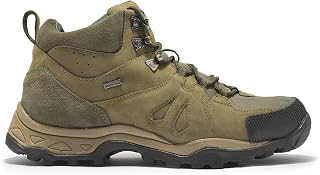


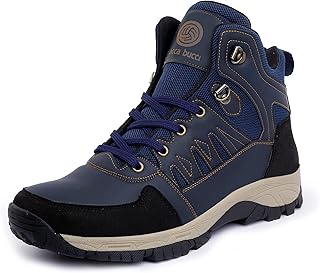


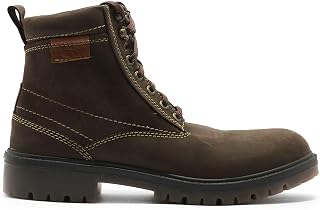


Men’s boots in 2026 are moving beyond a single definition of rugged footwear. Current buying decisions increasingly depend on where the boots will be worn, how much walking they need to handle, the climate, the construction, and how easily they can be paired with everyday clothing. For shoppers in India, these considerations are especially important because footwear may need to work across hot weather, monsoon conditions, office environments, travel, casual weekends, and cooler winter months.
This guide expands the buying considerations behind the latest men’s boot trends so you can compare styles more intelligently rather than choosing only by appearance. The strongest option for one buyer may be a lightweight Chelsea boot, while another may need a durable lace-up boot with a more protective outsole. Brands such as Red Tape, Woodland, Clarks, Bata, Hush Puppies, Red Chief, Lee Cooper, and Timberland represent different approaches to styling, construction, comfort, and intended use, so comparing specifications matters more than relying on brand recognition alone.
Chelsea boots remain one of the most versatile men’s boot silhouettes because their clean profile can bridge casual and semi-formal outfits. The elastic side panels eliminate the need for conventional lacing and give the boot a streamlined appearance. A relatively low-profile Chelsea boot can work with jeans, chinos, trousers, overshirts, knitwear, and smart-casual jackets.
For Indian buyers, pay particular attention to the upper material and sole construction. Smooth leather or good-quality leather alternatives can create a polished appearance, while suede-style finishes offer a softer casual look but require more care against water, dust, and stains. The ankle opening should hold the foot securely without creating uncomfortable pressure.
Chunkier boots are an important fashion direction for 2026. Their larger outsole profile creates a more substantial appearance and can complement relaxed denim, cargo trousers, oversized layers, and contemporary streetwear. The lugged tread can also provide useful traction on uneven surfaces.
However, a visually aggressive sole is not automatically a better sole. Heavier boots can become tiring during long walks, particularly when combined with a stiff upper. When comparing chunky boots, consider overall weight, outsole flexibility, heel height, tread pattern, cushioning, and the shape of the toe box.
Traditional lace-up boots continue to appeal to buyers who want a dependable combination of structure and versatility. Depending on their design, they can be styled with denim, workwear-inspired clothing, casual trousers, or winter layers.
The major advantage of a lace-up design is adjustability. You can control the fit around the instep and ankle more precisely than with many slip-on styles. Look for securely attached eyelets or hooks, evenly finished stitching, a supportive heel counter, and a sole that does not feel excessively rigid for your intended use.
Not every Chelsea boot needs to look formal. Casual versions with textured uppers, contrasting soles, pull tabs, or wider proportions are useful for everyday wardrobes. This category is particularly practical for shoppers who want one pair of boots to work with jeans and casual trousers without looking overly dressy.
Before buying, compare the elastic panel quality and ankle fit. The elastic should allow the foot to enter without excessive force while still holding the boot comfortably once worn. A removable or well-shaped insole can also make a meaningful difference if the boots will be used for extended periods.
Workwear-inspired boots borrow visual elements from utility footwear, including reinforced-looking uppers, thicker soles, metal hardware, contrast stitching, and robust silhouettes. They can be particularly effective with denim, flannel shirts, utility jackets, overshirts, and rugged casual clothing.
Do not assume that a fashion boot with a rugged appearance is suitable for industrial work. Actual workplace footwear may require specific protective properties that ordinary fashion boots do not provide. Check the manufacturer's specifications and workplace requirements before using any boot for occupational safety.
Chukka and desert-style boots provide a comparatively understated alternative to heavy boots. Their shorter ankle height and relatively simple construction make them useful for casual and smart-casual wardrobes.
These boots are worth considering for buyers who want ankle coverage without the visual bulk of a high-profile work boot. Suede-style versions can look particularly refined with chinos, denim, and casual shirts, although they generally demand more attention in wet or muddy conditions.
A modern interpretation of the Chelsea boot combines the traditional elastic-sided upper with a thicker or more pronounced outsole. This creates a useful middle ground between classic tailoring and contemporary streetwear.
The key comparison is proportion. A modestly raised sole can modernise an outfit without overwhelming it, whereas an extremely thick sole creates a much more fashion-forward appearance. Choose according to your existing wardrobe rather than treating the most exaggerated silhouette as automatically more stylish.
Textured footwear continues to be useful for creating visual contrast in otherwise simple outfits. Suede and suede-look boots can soften the appearance of denim and add depth to neutral clothing.
Indian weather requires additional consideration. Dust, humidity, rain, and accidental splashes can affect textured surfaces more visibly than smooth finishes. Buyers who frequently commute during monsoon weather may prefer easier-to-clean materials, while those primarily wearing boots indoors or during dry conditions may place greater emphasis on the appearance and tactile finish.
Minimalist boots focus on clean lines rather than heavy decoration. They can be especially useful for capsule wardrobes because they pair naturally with several trouser styles and do not dominate an outfit.
When assessing a minimalist boot, inspect details that are easy to overlook in product photographs. Look at the shape of the toe, the height of the shaft, the transition between upper and outsole, the stitching, the heel profile, and the finish around the ankle. Simple designs leave fewer decorative elements to distract from poor proportions or finishing.
Outdoor-inspired boots are increasingly influencing everyday men's footwear. They often feature deeper tread patterns, protective-looking panels, durable hardware, and more substantial construction. They can be useful for travel, casual outdoor activities, and wardrobes influenced by hiking or utility aesthetics.
There is an important distinction between outdoor-inspired fashion boots and genuine technical footwear. If traction, weather resistance, ankle support, or durability is essential for an outdoor activity, evaluate the manufacturer's technical specifications rather than selecting footwear based purely on its appearance.
The most reliable way to narrow down a large selection is to define the primary purpose before comparing brands. A boot intended for office-to-evening wear has different requirements from a boot intended for motorcycle-inspired styling, travel, winter use, or rough outdoor conditions.
Leather remains a popular choice for men's boots because it can offer a structured appearance and, depending on the leather quality and construction, can develop character with use. However, the word leather alone does not tell you everything about the finished product. Different leather grades, finishes, thicknesses, and construction methods can produce very different results.
When comparing leather boots, inspect the product specifications for the stated material rather than assuming that every leather upper has the same durability or feel. Maintenance also matters. Cleaning, conditioning where appropriate, and proper drying can help preserve suitable leather footwear.
Synthetic materials can provide an accessible alternative to leather and may offer consistent surface finishes and straightforward cleaning. They can be particularly appealing to shoppers prioritising appearance and easy maintenance.
Quality varies significantly between synthetic materials. Examine product construction, lining, stitching, outsole attachment, and customer feedback about long-term comfort rather than choosing solely on the material label.
Suede offers a distinctive nap and softer visual texture. It works particularly well with casual and smart-casual styling, but it is less forgiving of stains and moisture than many smooth finishes.
Some contemporary boots combine multiple materials to reduce weight or create contrast. Mixed-material designs can be visually interesting, but they introduce additional seams and material transitions that should be inspected carefully. Buyers should consider how easily each material can be cleaned and whether the combination suits India's climate and their normal routine.
The upper forms the main body of the boot and affects appearance, flexibility, breathability, and durability. Check how the material folds around the forefoot and whether the ankle area feels supportive without restricting movement.
The insole influences underfoot comfort and can sometimes be replaced or removed. A removable insole may make sizing and maintenance more flexible, although the exact benefit depends on the design.
Where present, the midsole can contribute to cushioning and impact absorption. Not every fashion boot has a clearly separated midsole, so compare the complete sole construction rather than focusing on terminology alone.
The outsole is critical for traction, durability, and walking feel. A deeper tread can be advantageous on some uneven or wet surfaces, but tread design should be considered alongside rubber compound, sole stiffness, and the conditions in which the boot will actually be used.
Heel height changes both the appearance and walking mechanics of a boot. A modest heel can provide a classic profile, while a larger stacked or platform-style heel produces a more fashion-oriented look. Consider stability and comfort rather than selecting height solely for appearance.
Correct sizing is more complicated than simply choosing your usual shoe size. Boot lasts differ between brands and models, and the same nominal size can feel different depending on toe shape, width, upper structure, lining, and insole design.
If shopping online, check the brand's measurement instructions and the specific product's size information. Do not assume that a size conversion between different footwear systems will always produce an identical fit.
Round-toe boots are generally versatile and can accommodate a range of casual styling. Their proportions work particularly well with denim and relaxed trousers.
An almond-shaped toe provides a slightly more refined appearance without the sharper visual effect of some pointed designs. It can work well for smart-casual wardrobes.
Square-toe boots create a more contemporary or fashion-focused silhouette. They can be especially effective with straight or relaxed trousers where the wider shape remains visible.
Pointed profiles create a sharper appearance and are commonly associated with more fashion-led or Western-inspired footwear. Buyers should be particularly careful about toe-box comfort because visual pointiness should not be confused with useful interior space.
Sole design affects far more than appearance. When comparing men's boots, consider the balance between grip, weight, flexibility, cushioning, and durability.
Black is one of the easiest colours to integrate into a wardrobe that includes dark denim, black trousers, charcoal clothing, and monochrome outfits. Smooth black boots can look particularly polished, while matte or textured versions create a more casual impression.
Dark brown is a versatile alternative to black and works naturally with blue denim, beige chinos, olive clothing, cream knitwear, and earth-tone layers.
Tan boots create a noticeably more casual appearance and can brighten outfits built around denim and neutral trousers. They may require more frequent cleaning because dust and marks can be more visible on lighter surfaces.
Deep burgundy and similar shades can add personality without becoming as difficult to style as very bright colours. They are most effective when the rest of the outfit uses relatively restrained tones.
Heavy boots can feel uncomfortable in hot conditions. If you live in a warm region or regularly commute outdoors, consider lighter construction, breathable lining where available, and a boot that does not create unnecessary insulation around the foot.
Rainy conditions require more than simply choosing a boot with a thick sole. Examine the upper material, seams, tongue construction, outsole traction, and manufacturer-stated water-resistance claims. Water resistance is not necessarily the same thing as waterproofing, and neither should be assumed without supporting product specifications.
For colder northern Indian conditions, consider the lining, insulation, shaft height, sock compatibility, and outsole grip. A fashion boot may look suitable for winter while providing little insulation, so check construction details before purchasing for genuinely cold conditions.
Choose a relatively clean silhouette with restrained detailing. Chelsea boots, refined lace-up boots, and minimalist ankle boots can work particularly well with trousers and chinos when their proportions complement the clothing.
Comfort and versatility are usually more valuable than formal detailing. Casual Chelsea boots, chukkas, lace-up boots, and low-profile chunky boots can work with jeans, cargo trousers, hoodies, overshirts, and casual shirts.
Travel footwear needs to balance appearance with practicality. Consider weight, cushioning, walking comfort, sole traction, ease of cleaning, and whether the boot is likely to require a lengthy break-in period.
Motorcycle-inspired boots can deliver a distinctive rugged aesthetic through heavier soles, buckles, hardware, and reinforced-looking panels. However, fashion styling should not be mistaken for certified motorcycle protection. If a boot is intended for actual riding, evaluate its protective specifications separately.
A useful comparison should go beyond star ratings. Ratings can help identify products worth investigating, but specifications and individual fit requirements should determine the final choice.
Customer reviews are most useful when you look for patterns rather than isolated comments. One complaint about sizing may not indicate a widespread problem, but repeated comments about the same issue deserve attention.
Look for feedback that discusses actual fit, comfort after extended wear, sole grip, material quality, sizing consistency, break-in time, and durability. Reviews that simply say a product looks good or arrived quickly provide less information about long-term footwear performance.
It is also useful to separate product-specific information from retailer-specific experiences. Delivery, packaging, or seller communication may not tell you much about the boot itself. For an independent buying decision, concentrate on recurring observations about the actual footwear.
A fashionable boot that causes pressure, heel movement, or toe restriction is unlikely to become a favourite. Start with fit and intended use, then choose among the styles that meet those requirements.
Weight alone is not a reliable measure of durability. Construction quality, materials, stitching, sole attachment, hardware, and maintenance all contribute to how footwear performs over time.
A suede-style boot may look excellent in a product photograph but may be inconvenient for a buyer who regularly walks through heavy monsoon rain. Conversely, a heavy lug boot may be unnecessary for someone who mainly wants smart office footwear.
Relying exclusively on your usual shoe size can lead to disappointing results. Check the brand's sizing information and consider your foot shape and normal sock thickness.
These terms should not be treated as interchangeable. Always check the manufacturer's stated specifications and intended conditions of use.
Some structured boots become more comfortable as the materials flex, while others should feel comfortable from the beginning. If you need boots for immediate travel or an event, avoid assuming that significant discomfort will automatically disappear with wear.
Jeans are one of the easiest pairings for men's boots. Straight-leg and slim-straight denim can work with many Chelsea and lace-up profiles, while relaxed denim can balance chunkier soles. The hem should sit naturally rather than creating excessive bunching around the boot.
Chinos work particularly well with Chelsea, chukka, desert, and refined lace-up boots. Brown boots with neutral chinos create a classic combination, while black boots can give the outfit a sharper contrast.
Chunkier lace-up and utility-inspired boots generally complement cargo trousers better than highly formal boot silhouettes. Keep the overall proportions balanced so the footwear does not look disproportionately large.
Not every boot belongs with formal trousers. If the outfit requires a polished appearance, choose a streamlined boot with minimal decoration and a sole proportion that resembles dress footwear rather than outdoor footwear.
Remove surface dust regularly with a suitable soft brush or cloth according to the material. Avoid applying generic cleaning products without checking whether they are appropriate for the boot's upper.
If boots become wet, allow them to dry naturally in a ventilated area. Excessive direct heat can damage or distort some materials. Follow the manufacturer's care instructions for the specific footwear.
Leather footwear may benefit from appropriate cleaning and conditioning, but products should be selected according to the type and finish of leather. Over-conditioning or using an unsuitable product can alter the appearance of some finishes.
Suede generally benefits from a dedicated brush and material-appropriate cleaning approach. Avoid treating suede like smooth leather, and check care instructions before applying any protector or cleaner.
Store boots in a dry, ventilated location away from prolonged direct sunlight or excessive heat. Keeping footwear in a suitable shape between wears can also help reduce unwanted creasing, particularly in structured boots.
Neither material should automatically be considered the universal winner. Leather may appeal to buyers who value its traditional appearance and material characteristics, while synthetic alternatives can appeal to shoppers who prioritise particular finishes, easy maintenance, or budget considerations.
Chelsea boots are convenient and visually streamlined, making them particularly attractive for smart-casual wardrobes. Lace-up boots provide more adjustable fit and can deliver a more rugged or traditional appearance.
Lightweight construction can be advantageous for daily commuting, travel, and extended walking. Heavier boots can create a more substantial appearance and may use more robust components, but weight should never be treated as a direct proxy for quality.
If you spend several hours on your feet, pay particular attention to cushioning, sole flexibility, heel stability, and total footwear weight. If the boots are mainly for occasional fashion use, silhouette and styling may deserve greater priority.
Remember that comfort is highly individual. Foot shape, walking style, previous footwear preferences, sock thickness, and intended terrain can all affect whether a particular boot feels comfortable.
The right budget depends on how frequently you will wear the boots and what features you require. Occasional fashion footwear does not necessarily justify the same spending level as a pair used for daily commuting or frequent travel.
Instead of choosing by price alone, compare what you receive for the money: upper material, outsole construction, lining, insole, finishing, fit options, care requirements, and expected use. A moderately priced boot that fits your lifestyle can be a better purchase than an expensive style that remains uncomfortable or impractical.
You do not need many pairs to cover most occasions. A carefully selected collection can provide more flexibility than several highly specialised fashion boots.
Yes, provided the style and construction match the climate and routine. Lightweight casual boots can be practical for everyday wear, while heavier insulated or rugged designs may be more appropriate for specific conditions.
Simple Chelsea, chukka, and understated lace-up boots are among the easiest silhouettes to combine with jeans, chinos, and casual trousers. Black and dark brown are particularly versatile starting colours.
Yes. Chelsea boots remain a useful contemporary silhouette, particularly when updated with modern proportions, textured materials, or more substantial soles.
They can be, but sole thickness does not guarantee comfort. Check weight, cushioning, flexibility, foot shape compatibility, and overall fit.
The answer depends on the exact finish. Smooth synthetic surfaces can be relatively straightforward to clean, while smooth leather can be maintained with appropriate care. Suede and other napped materials generally require more specialised maintenance.
Not automatically. Boot sizing varies by model and brand. Check the specific size guide and account for foot width and the socks you intend to wear rather than sizing up by default.
No. Price can reflect materials, construction, design, branding, and other factors, but it does not guarantee the right fit or performance for every buyer. Compare specifications and intended use before deciding.
Clean them whenever dirt or moisture accumulates, with frequency determined by material and usage. Regular light maintenance is generally preferable to allowing dirt and stains to build up.
The best men's boots are not necessarily the most expensive, heaviest, or most fashionable pair. The better choice is the one that matches your actual use, foot shape, climate, wardrobe, walking requirements, and maintenance preferences.
For maximum versatility, start with a clean Chelsea or understated lace-up boot in black or dark brown. If casual styling is the priority, consider chukka, desert, or textured brown boots. If contemporary fashion is more important, chunky lug soles and utility-inspired silhouettes offer a stronger visual statement. For demanding outdoor activities, move beyond fashion trends and evaluate genuine technical specifications.
Before purchasing, compare the complete specification, check the sizing information, read verified customer reviews for recurring patterns, and review current prices from trusted retailers in India. A careful comparison is more useful than choosing solely from a trend list because the right boot should work not only with your clothes but also with your daily routine.
There is no single best style for everyone. Chelsea boots are a strong choice for versatility, lace-up boots suit buyers who prefer adjustable fit and rugged styling, and chunky or lug-soled boots are better suited to contemporary fashion-led outfits.
Black and dark brown are generally the easiest starting colours. Choose based on the trousers and clothing already in your wardrobe.
Most casual Chelsea, chukka, lace-up, and rugged boots can work well with jeans. Match the boot's visual weight to the cut of the denim.
Look at the upper material, seams, tongue design, outsole traction, drying requirements, and manufacturer-stated water-resistance specifications. Do not assume that every boot marketed as rugged is waterproof.
Streamlined Chelsea boots and minimalist lace-up boots are usually easier to integrate into smart-casual office wardrobes than heavily lugged or highly decorative styles.
Compare the individual boot models rather than choosing solely by brand. Look at material, construction, outsole, fit, intended use, care requirements, customer feedback, and current retailer pricing. Different brands and even different models within the same brand can target very different uses.
Some are, but fashion boots are not automatically designed for extended walking. Prioritise fit, cushioning, weight, flexibility, heel stability, and outsole traction if walking comfort is a major requirement.
Replacement depends on construction, frequency of use, maintenance, and wear. Visible sole deterioration, damaged structural components, persistent discomfort, or compromised upper construction can indicate that it is time to replace a pair.
Many are, but suitability depends on the specific design. Lightweight boots can be more practical in hot weather, while suitable water-resistant construction and traction become more important during monsoon conditions. Always match the boot to the environment rather than selecting a trend without considering climate.