

♥ Wishlist
Compare 45 verified Boys Sports Shoes products in India. Reviews, ratings, pros, cons and buying advice updated for October 2026.
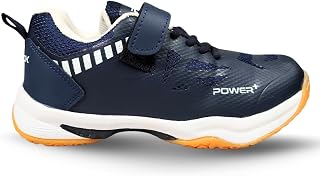


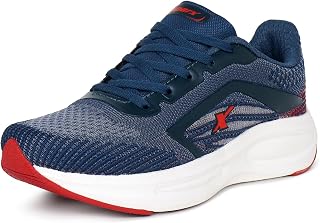


Choosing sports shoes for boys in India involves more than picking a popular colour or a familiar brand. The right pair should suit the child's age, foot shape, activity level, playing surface, climate and everyday routine. A shoe used for school, casual walking and occasional outdoor play has different requirements from one intended for running, athletics, court sports or regular training.
This 2026 buying guide focuses on the practical features that matter when comparing boys' sports shoes in the Indian market. Alongside appearance and current styles, consider cushioning, outsole grip, flexibility, upper construction, heel stability, ventilation, weight, fastening system, sizing and ease of maintenance. Brands such as Nike, Adidas, Puma, Skechers, ASICS, New Balance, Reebok and Campus offer different combinations of these characteristics, so the best choice depends on the intended use rather than brand name alone.
Product specifications, sizes, colours, ratings, prices and availability can change. Before purchasing, compare the current product information and recent customer feedback on the retailer or marketplace listing.
The most useful way to compare sports shoes is to start with the child's actual activities. A shoe cannot be considered universally "best" because cushioning, flexibility and grip requirements change according to use.
For everyday walking and school use, prioritise comfort, flexibility, ventilation, reasonable weight and a durable outsole. For running, look more closely at cushioning, heel security, forefoot flexibility and outsole traction. For court sports, lateral stability and grip become more important. For general outdoor play, durability and secure fastening can matter as much as cushioning.
A running-style shoe may feel comfortable for walking but is not automatically the right choice for sports involving frequent sideways movement. Similarly, a heavily reinforced training shoe may be unnecessarily rigid for a child who mainly walks to school.
Age ranges printed on footwear listings are useful only as a starting point. Children's feet do not grow at exactly the same rate, and sizing can vary between brands and individual models.
Whenever possible, measure the child's feet and compare the measurement with the specific brand's size chart. Measure both feet because one foot can be slightly longer or wider than the other. The larger foot should generally determine the required shoe size.
The shoe should hold the heel securely without excessive pressure. The toes should have enough room to move naturally, while the foot should not slide forward and backward inside the shoe.
Children's feet grow, so buying a shoe with a small amount of practical room can be sensible. However, deliberately buying a significantly oversized shoe to extend its lifespan can reduce stability and make running or playing uncomfortable.
Too much internal space can allow the foot to move excessively inside the shoe. This can contribute to rubbing, blisters and poor control. The objective is not the largest possible shoe; it is a secure fit with appropriate toe room.
The upper is the part that surrounds the foot. Mesh, knitted textile, synthetic leather, overlays and combinations of these materials are common.
The midsole sits between the upper and outsole and contributes significantly to cushioning and ride feel. Different manufacturers use different foam compounds and construction methods, so a specification such as "cushioned sole" does not by itself tell you how a shoe will feel.
For everyday use, look for a midsole that provides a comfortable balance rather than simply choosing the thickest possible foam. Excessively soft cushioning is not automatically better for children, particularly when the shoe needs to remain stable during active movement.
The outsole is responsible for contact with the ground. Look for a tread pattern appropriate to the surface on which the shoe will normally be used.
For school corridors and ordinary pavements, a versatile rubber outsole can be practical. For outdoor playgrounds, traction and durability become more important. For specialised court sports, select footwear designed specifically for that sport rather than assuming any athletic-looking sole will provide equivalent lateral grip.
Cushioning helps manage the impact and pressure associated with walking, running and jumping. It can also affect how comfortable the shoe feels during extended wear.
However, cushioning should be evaluated together with stability and flexibility. A very soft shoe may feel pleasant initially but may not provide the structured feel some activities require. Conversely, an overly firm shoe may feel less comfortable for everyday walking.
A good everyday children's sports shoe should generally allow natural movement through the forefoot. Check whether the shoe bends in a controlled manner rather than being completely rigid or collapsing excessively.
Flexibility is especially relevant for walking and running. Sports involving rapid lateral movement can require a different balance between flexibility and support.
A secure heel helps reduce unnecessary movement inside the shoe. Look for a heel area that holds the foot comfortably without creating pressure points.
The heel counter, collar padding and fastening system all contribute to this fit. A shoe that appears well cushioned but allows the heel to slip repeatedly may not be the right match.
The front of the shoe should provide enough room for the toes to sit naturally. A narrow toe box can create pressure, while excessive width or length can allow the foot to move unnecessarily.
Children with wider feet may need to pay particular attention to the actual internal shape of a shoe rather than relying solely on the listed size.
India's warm conditions make ventilation an important consideration for many children. Breathable mesh can help reduce the feeling of heat during active use. Socks also influence comfort, so pairing sports shoes with breathable, appropriately sized socks can be useful.
Breathability should not be considered in isolation. A highly open upper may not be ideal when the child frequently uses the shoe in dusty, wet or rough environments.
Children can be hard on footwear. Repeated stopping, turning, climbing, playground use and outdoor walking can wear down the outsole quickly.
Inspect the tread depth and rubber coverage when comparing models. Areas under the heel and forefoot generally receive substantial contact, so a well-designed outsole should provide suitable coverage for the intended activity.
For school, versatility is usually more valuable than specialised performance. Look for a comfortable upper, secure fastening, durable outsole and a design that works with the school's dress requirements.
If the child wears the shoes throughout the school day, ventilation and lightweight construction become particularly important. If school activities include running or physical education, a reasonably supportive athletic shoe can be more practical than a casual sneaker.
Running shoes should generally be evaluated for cushioning, weight, heel security, forefoot flexibility and traction. A child who runs regularly may benefit from footwear designed specifically around running rather than a generic lifestyle sneaker.
For organised athletics, check the rules and footwear requirements of the relevant school, club or sporting body before buying specialised models.
Outdoor play can expose shoes to dust, rough surfaces and repeated abrasion. Prioritise a secure fit, durable outsole, reinforced high-wear areas and materials that are practical to clean.
Training can involve a mixture of movements, so a versatile trainer may be more appropriate than a highly specialised running shoe. Consider lateral stability, sole grip, cushioning and overall structure.
Basketball, badminton, tennis and similar activities involve movement patterns that differ from ordinary walking. Lateral stability and court-appropriate traction become especially important.
For regular participation in a specific court sport, compare footwear designed for that sport instead of selecting purely on appearance.
Brand selection can make comparison easier, but it should not replace model-level evaluation. Different brands and product ranges use different constructions, sizing approaches and intended-use categories.
The best brand is therefore not necessarily the one with the highest recognition. Compare the specific model's dimensions, material, fastening, sole construction, intended use, current customer feedback and return conditions before deciding.
Hook-and-loop fastening is convenient for younger children and can make independent dressing easier. It also allows reasonably quick adjustment. The main consideration is whether the strap provides sufficient tension to keep the foot secure during active movement.
Elastic lace systems can combine the appearance of traditional laces with easier entry and adjustment. They can be practical for school and everyday use.
Traditional laces can provide precise adjustment and a secure fit when tied correctly. They are often useful for older children who can reliably tie and retie their shoes.
Slip-on sports shoes can be convenient, but convenience should not come at the expense of heel security. For running and active sports, make sure the shoe holds the foot securely rather than relying solely on a loose slip-on fit.
Do not assume that a particular numerical size is identical across every brand. A size label is useful only when interpreted alongside the relevant manufacturer's sizing information.
There is no single price point that guarantees the right shoe. A sensible budget should be based on frequency of use, activity level, expected durability and the child's current growth stage.
When comparing deals, calculate value from expected use rather than focusing only on the discount percentage. A cheaper shoe that fits poorly or wears quickly may offer less practical value than a moderately priced model that suits the child's routine.
Bright colours, large logos and fashionable silhouettes can be appealing, but appearance says little about fit, cushioning or traction. Use style as a secondary criterion after functional requirements have been established.
Buying significantly oversized shoes because children grow quickly can reduce stability and cause the foot to slide. Appropriate growing room is useful; excessive room is not.
Two shoes with the same labelled length can feel completely different because their internal shapes differ. Children with wider or narrower feet may need to compare several designs before finding a comfortable fit.
A versatile trainer can work well for general activities, but specialised sports may require different traction and stability characteristics.
A shoe that fits comfortably with thin socks may feel tight with thick school or sports socks. Consider the socks the child normally wears when assessing fit.
Heavy construction is not automatically synonymous with durability. Compare the materials and reinforcement points instead of assuming that more weight means better quality.
The upper often attracts the most attention in product photographs, but the outsole has a major effect on grip and durability. Review the tread pattern and intended surface before buying.
A high overall rating can be useful, but it does not reveal whether a shoe suits a particular child. Read recent reviews for recurring comments about sizing, width, comfort, durability, sole wear and material quality.
Customer reviews can provide useful real-world information, but they should be interpreted carefully. Look for patterns rather than relying on one exceptionally positive or negative comment.
When two products appear similar, use a structured comparison instead of choosing by photograph or discount.
India includes a wide range of climates, so material choice should reflect where and when the shoes will be used.
For hot and humid conditions, breathable mesh or textile uppers can be useful. In dusty environments, slightly more closed constructions may be easier to keep clean. During wet weather, consider whether the shoe is designed for moisture exposure rather than assuming that any synthetic upper is waterproof.
Sports shoes generally should not be treated as waterproof unless the product specifically states that they have a water-resistant or waterproof construction. Ordinary mesh running shoes can allow water through easily.
Follow the care instructions supplied with the shoe. Mesh and textile footwear may require gentle cleaning, while some synthetic surfaces can be wiped more easily. Avoid assuming that every sports shoe can safely be machine washed.
If shoes become wet, remove excess moisture and allow them to dry in a well-ventilated area. Excessive direct heat can affect adhesives, synthetic materials and the shape of the shoe.
Accumulated mud and debris can reduce the effectiveness of tread patterns. Clean the outsole regularly, particularly after outdoor use.
If a child has more than one suitable pair, alternating footwear can make it easier for each pair to dry and recover between uses. Rotation can be particularly practical during periods of heavy activity or wet weather.
Check the outsole, upper, heel lining and fastening system periodically. Visible separation, severe tread wear, damaged stitching or a deformed structure can indicate that the shoes should be replaced.
Replacement should be based on fit and condition rather than a fixed number of months. Children grow at different rates, and wear depends heavily on activity and frequency of use.
Online shopping can provide a large selection, but footwear requires more careful comparison than many other products because fit varies between models.
Before placing an order, review the complete product title, model name, size chart, material description, outsole information and intended-use category. Check the product photographs for sole construction, fastening details and reinforcement areas.
Compare the same model across reputable retailers when appropriate. The lowest displayed price is not necessarily the best deal if another listing provides clearer sizing information, a better return policy or a more reliable fulfilment arrangement.
Because prices and inventory change frequently, treat any price shown on a product page as a current snapshot rather than a permanent value.
A genuine value purchase should balance product suitability and total cost. Consider the following before responding to a sale label:
One of the most important distinctions is between genuine performance footwear and shoes that simply use athletic styling.
A lifestyle sports shoe may look similar to a running shoe but may not provide the same level of sport-specific construction. This is not necessarily a problem. If the child needs footwear for casual use, school and light activity, a lifestyle model can be perfectly appropriate.
For regular running, training or organised sport, examine the product's intended use and technical construction more carefully. Do not assume that an attractive athletic design is equivalent to specialised sports footwear.
For younger children, easy fastening, lightweight construction, secure heel fit and durable materials are particularly useful. Shoes should be easy for the child to put on and remove without creating excessive looseness.
School-aged boys may need footwear that can transition between classrooms, playgrounds, walking and physical education. Versatility, ventilation and durability become increasingly important.
Older children may have more specialised sporting interests and can benefit from footwear selected around the actual sport. They may also have stronger preferences about style, so the best choice often combines technical suitability with a design they are willing to wear consistently.
A sports shoe's sole typically includes several functional areas. The outsole makes contact with the ground, while the midsole contributes cushioning and underfoot feel. Some designs also include additional structural components intended to influence stability or durability.
Do not judge sole quality simply by thickness. A thick sole can be useful for cushioning but may also increase weight or alter ground feel. The correct construction depends on the intended activity.
Traction is influenced by rubber formulation, tread geometry, contact area and the surface itself. A tread pattern designed for one environment may not perform identically on another.
For ordinary school and outdoor use, a versatile tread is often practical. For specialised sports, select a model designed for the relevant playing surface.
Remember that even a well-designed outsole cannot guarantee perfect grip on wet, oily, dusty or otherwise slippery surfaces. Children should use appropriate footwear and follow the safety requirements of the activity.
There can be trade-offs between maximum ventilation and maximum protection. Very open mesh can provide airflow but may be more exposed to abrasion. More heavily reinforced uppers can provide additional structure and durability but may feel warmer.
The ideal balance depends on the child's environment. A child who spends most of the day indoors may prioritise ventilation and comfort, while one who plays outdoors regularly may benefit from additional reinforcement.
Lower weight can make footwear feel less cumbersome, particularly during walking and running. However, the lightest shoe is not automatically the best shoe.
Compare weight with cushioning, structure, durability and intended activity. A modest increase in weight may be worthwhile if it provides meaningful support or durability for the child's needs.
If two shoes have similar prices and appearance, identify the factor that matters most for the child. For hot weather, ventilation may decide the comparison. For daily outdoor use, outsole durability could be more important. For running, cushioning and flexibility may carry greater weight.
It can help to create a simple priority order: fit first, intended activity second, comfort and stability third, durability and maintenance fourth, and appearance and price after the essential requirements have been satisfied.
The best pair depends on the child's intended use, foot shape, activity level and budget. For general school and everyday wear, prioritise comfort, ventilation, fit and durability. For running or specialised sports, select footwear designed for that activity.
There is no single best brand for every child. Nike, Adidas, Puma, Skechers, ASICS, New Balance, Reebok and Campus all have different models and price ranges. Compare the individual model's fit, construction, intended use and current customer feedback rather than choosing solely by brand.
Higher-priced footwear can include additional construction features, materials or sport-specific technologies, but price alone does not guarantee suitability. The most valuable shoe is one that fits correctly and matches the child's activities.
There should be enough room for comfortable toe movement and normal growth, but the shoe should not be so large that the foot slides inside it. Use the specific brand's size guidance and assess overall fit rather than choosing a much larger size simply for future growth.
Breathable mesh can be a practical choice for hot conditions because it generally allows more airflow than heavily enclosed materials. However, durability, cleaning requirements and exposure to rain or rough surfaces should also be considered.
Yes, running-style shoes can work well for school when they comply with the school's requirements and provide a secure, comfortable fit. They can be particularly useful when the child also walks frequently or participates in physical activities.
A versatile pair can cover school, walking and light play, but specialised sports may require specialised footwear. Court sports, regular running and other high-intensity activities can place different demands on grip, stability and cushioning.
Replace them when they no longer fit correctly or when the structure, outsole, heel lining, upper or fastening system has deteriorated significantly. Growth and wear vary widely, so a fixed replacement schedule is less useful than checking fit and condition.
Focus on repeated comments about sizing, width, comfort, durability, sole wear and material quality. Reviews are most useful when they provide details about the child's use and when several customers report similar experiences.
They can be suitable for light activity if the heel and midfoot remain secure. For running or sports involving rapid direction changes, choose a fastening and construction that provides dependable foot retention.
Do not assume that machine washing is safe. Check the manufacturer's care instructions because heat, agitation and prolonged soaking can damage adhesives, cushioning, textiles or synthetic components.
Neither is universally more important. A good choice balances cushioning, flexibility and stability according to the intended activity. Walking and running may benefit from a different balance than court sports or general playground use.
The latest boys sports shoes trends for 2026 are not only about colours, logos or fashionable silhouettes. The strongest purchase decisions come from matching the shoe to the child and the activity. Start with fit, then evaluate the intended use, upper material, cushioning, flexibility, heel security, outsole grip, fastening system and durability. After those fundamentals are satisfied, compare current customer feedback, retailer policies and prices.
For school and everyday use, a comfortable and breathable multi-purpose trainer is often the most practical choice. For regular running, prioritise running-oriented construction. For specialised sports, select footwear designed around the demands of that sport. For younger children, easy fastening and secure fit can be especially valuable.
Because children's feet grow and product listings change, revisit the size chart and current product information immediately before ordering. Compare specifications rather than relying on a product's appearance, and treat ratings and reviews as supporting evidence rather than the only basis for your decision.
Editorial note: Product availability, sizes, specifications, customer ratings and prices can change during 2026. Always verify the latest listing information and retailer terms before making a purchase.
Which next guide would be more useful: boys sports shoes under ₹1,000 or best branded options under ₹2,000?