

♥ Wishlist
Compare 60 verified Women Sports Shoes for Comfort, Style and Active Lifestyles products in India. Reviews, ratings, pros, cons and buying advice updated for October 2026.


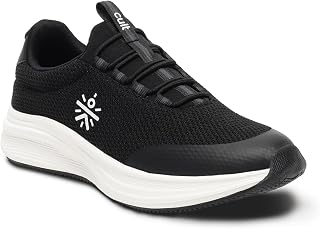


Women’s sports shoes have become increasingly versatile in 2026, with designs intended not only for running and structured workouts but also for walking, commuting, travel, gym sessions and everyday active lifestyles. For shoppers in India, the right choice should balance cushioning, stability, breathability, durability, fit and intended activity rather than relying on appearance or brand recognition alone.
When comparing the latest women’s sports shoes, consider the way you actually plan to use them. A lightweight running shoe can be excellent for road running but may not provide the lateral support preferred for strength training. A highly cushioned walking shoe can be comfortable for long urban walks but may feel less responsive during faster workouts. Understanding these differences makes it easier to compare specifications and avoid paying for features that do not match your needs.
Lightweight construction remains an important trend for women who want one pair of shoes for several daily activities. Modern sports shoes increasingly use engineered mesh, streamlined midsoles and simplified upper constructions to reduce unnecessary bulk.
A lightweight shoe can be particularly useful for commuting, casual walking, travel and low-impact exercise. However, low weight should not automatically be treated as better. If a shoe sacrifices adequate cushioning, heel security or structural support to achieve a lighter design, it may be less suitable for long sessions.
Highly cushioned footwear continues to appeal to shoppers who spend considerable time walking on hard surfaces. This category is especially relevant in Indian cities where daily routines can involve substantial pavement, concrete, tiled floors and other firm surfaces.
Look for cushioning that feels comfortable without making the shoe excessively unstable. The ideal amount depends on body weight, walking pace, foot mechanics, surface and personal preference. A soft-feeling midsole can be pleasant initially, while a more balanced cushioning system may provide a firmer and more controlled sensation.
Breathability is an important consideration for sports shoes worn in warm and humid conditions. Mesh uppers can encourage airflow around the foot and may be preferable to heavily enclosed materials for everyday use and exercise.
Breathability should still be evaluated alongside durability. Very open mesh can provide excellent airflow but may be more vulnerable to abrasion, dust and snagging. Reinforced areas around the toe box, heel and eyelets can improve the practical durability of a lightweight upper.
Many shoppers want a single pair that works for gym sessions, treadmill walking, casual movement and light training. Versatile trainers generally aim for a compromise between cushioning and stability rather than being optimised exclusively for one sport.
For resistance training, examine the sole width and overall stability. For cardio and treadmill sessions, cushioning and flexibility may become more important. If your workouts include substantial lateral movement, a dedicated training shoe can be preferable to a soft, narrow running shoe.
Running footwear is becoming increasingly specialised. Road-running shoes, daily trainers, lightweight running shoes and higher-cushion models can feel noticeably different even when they share similar visual styling.
For beginners, a dependable daily trainer is often easier to evaluate than an aggressively specialised racing-oriented design. Experienced runners may instead prioritise weight, responsiveness, cushioning characteristics, heel-to-toe geometry and upper lockdown according to their running style.
Sports shoes are increasingly designed to transition between exercise and everyday outfits. Neutral colourways, streamlined silhouettes and minimal branding can make performance footwear easier to pair with jeans, trousers, athleisure clothing and casual Indian wear.
Style is useful when choosing an everyday shoe, but it should not override fit and functional requirements. A fashionable shoe that creates heel movement, toe pressure or discomfort is rarely a good long-term purchase.
Flexibility can make a shoe feel comfortable during walking and certain types of training. However, the ideal amount of flexibility depends on the activity. Walking shoes can benefit from controlled forefoot flexibility, while gym footwear may need a more stable platform.
Instead of simply looking for the most flexible sole, compare where the shoe bends. A useful design generally flexes in a location that complements normal foot movement rather than folding excessively through the entire midsole.
The first buying decision should be the primary activity. Ask whether the shoes will mainly be used for running, walking, gym training, casual wear, travel or a combination of activities.
Foot shape is one of the most overlooked aspects of online shoe shopping. Two shoes with the same stated size can feel very different because their internal shapes, toe boxes, heel counters and overall lasts are not identical.
If your forefoot is broad, avoid assuming that simply buying a larger size will solve the problem. Increasing length can leave excessive space in front of the toes while the shoe remains unsuitable around the forefoot. A genuinely appropriate width and toe-box shape is generally preferable.
Your toes should have enough room to spread naturally without repeatedly contacting the front or sides of the shoe. At the same time, excessive empty space can allow the foot to move inside the shoe.
When checking a pair, consider both standing and walking fit. Feet can expand slightly during prolonged activity, making a shoe that feels barely adequate indoors potentially uncomfortable during a longer session.
A secure heel is important because excessive heel movement can make a shoe feel unstable and may cause rubbing. The heel counter should hold the rear of the foot comfortably without creating painful pressure.
Do not confuse a tight heel with a secure heel. A good fit should feel supportive rather than constricting.
The upper is the portion surrounding the foot. Common materials include engineered mesh, knitted textiles, synthetic overlays and combinations of these materials.
The midsole controls much of the shoe’s cushioning and ride characteristics. Different foam formulations can produce different sensations, ranging from firm and responsive to soft and highly cushioned.
Do not judge cushioning solely by pressing the shoe with your hand. A midsole’s performance also depends on its thickness, geometry, density, rocker profile and interaction with the outsole.
The outsole is particularly important when shoes are used across different surfaces. Examine the placement and coverage of rubber, especially in areas that experience repeated contact with the ground.
For indoor gym use, the traction requirements can differ from those of outdoor road running. A tread pattern designed for one environment may not deliver the same feel on another surface.
The heel counter helps stabilise the rear of the shoe. Some sports shoes use a relatively soft construction for comfort, while others use more structured components to provide a secure sensation.
Support should be evaluated as part of the entire shoe rather than from one component alone. Upper construction, sole width, heel geometry and lacing can all affect how securely the foot sits inside the shoe.
One of the most common purchasing mistakes is assuming that every sports shoe performs the same way. Running, walking and training place different demands on footwear.
If you regularly perform several different activities, identify which activity represents the majority of your use. A compromise shoe can work well for moderate mixed use, but specialised footwear can make more sense when one activity dominates your routine.
Brand selection can help narrow a large marketplace, but the model itself remains more important than the logo. Women comparing sports shoes in India may encounter established brands such as Nike, Adidas, Puma, Reebok, ASICS, New Balance, Skechers and Under Armour.
Each brand offers different shoe families with different fits, cushioning systems and intended uses. Rather than assuming one brand is universally best, compare the specifications and intended activity of the individual model.
A recognised brand can provide useful consistency across product lines, but reputation does not guarantee that every shoe will suit every foot. A runner with a wide forefoot may prefer a different model than another shopper with a narrower foot, even if both normally buy the same brand.
Use brand reputation as a starting point, then verify the actual model’s sizing information, construction, activity category and customer feedback.
Lower weight can contribute to an agile feel, but weight should always be considered alongside cushioning and durability. An extremely lightweight shoe is not automatically superior for walking or training.
Heel-to-toe drop describes the difference in height between the heel and forefoot of the shoe. It can influence how the shoe feels during movement, although it should not be treated as a standalone indicator of comfort or performance.
Stack height refers broadly to the amount of material positioned between the foot and the ground. More material can contribute to cushioning, but the resulting ride also depends on foam characteristics and shoe geometry.
Compare how cushioning is distributed rather than focusing only on the total amount. A shoe with a balanced platform may feel very different from one that concentrates more cushioning beneath the heel.
Mesh ventilation can be particularly useful in warmer climates. However, consider the trade-off between airflow, structure, protection and durability.
Indian conditions can vary significantly between regions and seasons, so the ideal shoe depends on where and when it will be worn. Hot weather can increase the value of breathable uppers, while monsoon conditions make outsole traction and material care more important.
For regular outdoor use, consider how the shoe will respond to dust, occasional splashes and repeated exposure to urban surfaces. A highly ventilated upper may be comfortable in heat but can require more frequent cleaning when exposed to dust.
Sports shoes should not automatically be treated as waterproof unless the manufacturer specifically identifies them as such. Standard mesh running shoes can absorb water readily.
If wet-weather use is unavoidable, prioritise outsole grip and practical drying and cleaning characteristics. Avoid storing damp footwear in enclosed spaces for prolonged periods.
For warm-weather walking and exercise, lightweight construction, breathable uppers and moisture-management features can improve comfort. Socks also play an important role and should be considered alongside the shoe rather than separately.
Colour and styling are easy to compare online, but they reveal little about fit or performance. A visually appealing design may still have an unsuitable toe box or inadequate stability for your intended activity.
Do not assume your size is identical across every brand and model. Internal dimensions can vary considerably. Use the manufacturer’s sizing information whenever available and pay attention to customer feedback concerning fit.
Length alone does not determine fit. A shoe can be long enough but too narrow across the forefoot, or wide enough but excessively long.
More cushioning is not universally better. A highly soft shoe may be comfortable for walking but can feel less stable during certain gym movements. Match cushioning characteristics to the activity.
Running shoes are designed primarily around forward movement. Strength training and lateral exercises can require a more stable base. If your workouts regularly involve squats, resistance exercises or side-to-side movement, compare training-specific designs as well.
Before purchasing online, independently check the retailer’s current return, exchange and size-replacement policies. These policies can change and may differ between sellers, product categories and promotional listings.
Customer reviews can be useful, but the most valuable information is usually found in recurring patterns rather than isolated comments. Look for repeated observations about sizing, comfort, durability, sole grip, breathability and suitability for the stated activity.
Online shopping removes the opportunity to try on footwear before payment, so preparation matters. Measure both feet because slight differences between left and right feet are common. Use the larger foot when considering overall length and width, and compare the measurement with the specific manufacturer’s size chart.
Consider when you normally wear the shoes. If they are intended for exercise, assess the fit with the type of socks you expect to use during workouts. A shoe that fits comfortably barefoot or with thin socks may feel different with thicker athletic socks.
Prioritise comfort, dependable fit, reasonable cushioning, stability and versatility. Beginners generally benefit more from a well-balanced shoe than from highly specialised performance features they may not need.
Focus on long-session comfort, breathable construction, appropriate cushioning, outsole durability and a fit that remains comfortable after extended use.
Compare cushioning, responsiveness, weight, heel security, upper lockdown and outsole construction. Consider the surfaces you normally run on and whether the shoe is designed for road, trail or another environment.
Prioritise stability, traction, secure fit and controlled flexibility. If your training includes significant running or jumping, consider whether a cross-training design provides the appropriate compromise.
Versatility, comfort, easy maintenance and styling may be more important than specialised running performance. A durable everyday trainer can be more practical than a highly technical sports model if most use consists of walking and commuting.
Always consider the manufacturer’s care instructions before cleaning. Mesh, synthetic overlays, suede-like components and other materials can respond differently to water, detergent and brushing.
For routine cleaning, remove loose dirt first and use an appropriate gentle cleaning method. Avoid aggressive scrubbing that can damage delicate mesh or printed components.
After exposure to rain or heavy moisture, allow shoes to dry naturally in a well-ventilated area. Avoid excessive direct heat because high temperatures can affect adhesives, foams and certain synthetic materials.
If you exercise frequently, rotating between suitable pairs can give footwear additional time to dry and recover between uses. This is particularly useful for people who train on consecutive days.
Visible wear on the outsole can change traction and the way the shoe contacts the ground. Inspect high-contact areas periodically, especially if the shoes are used frequently outdoors.
There is no single replacement interval that applies to every person or shoe. Lifespan depends on activity, body weight, running or walking volume, surface, shoe construction, storage and maintenance.
Instead of relying exclusively on a calendar date, inspect the condition of the shoe. Significant outsole wear, compressed cushioning, damaged upper materials, reduced stability or persistent discomfort can indicate that the footwear should be reconsidered.
The lowest listed price is not necessarily the best value. Compare the shoe’s intended use, materials, construction, expected versatility, sizing confidence and current retailer terms.
For someone who participates in several activities, owning different shoes for different purposes can be more practical than expecting one pair to perform every task.
Not everyone needs three pairs. If your activity level is moderate, a versatile trainer may cover most requirements. The key is understanding the compromises you are accepting.
The best option depends on your activity, foot shape, preferred cushioning, budget and expected frequency of use. A running shoe may be ideal for one shopper while a walking or training shoe may be more appropriate for another.
There is no universally best brand for every woman. Nike, Adidas, Puma, Reebok, ASICS, New Balance, Skechers and Under Armour all offer different models and categories. Compare the individual shoe’s fit, specifications and intended use rather than selecting solely by brand.
Not necessarily. Price can reflect materials, technology, construction and brand positioning, but a more expensive shoe can still be unsuitable for a particular foot or activity. Fit and intended use should remain central to the decision.
Many running shoes can work very well for walking because they provide cushioning and comfortable forward movement. However, the best choice depends on the individual shoe’s flexibility, fit, weight and cushioning characteristics.
Yes, but the appropriate type depends on the workout. A running-oriented shoe can work for treadmill activity, while strength training and lateral movements may benefit from a more stable training shoe.
Breathable mesh can be a practical choice for warm conditions because it can encourage airflow. The exact level of ventilation depends on the mesh construction, lining and overall upper design.
Measure both feet and compare the measurements with the manufacturer’s current size chart. Also consider the shoe’s width and shape because numerical sizing can vary between brands and models.
There should generally be enough room for natural toe movement without the foot sliding excessively. The exact amount varies by foot shape, activity and personal preference, so comfort during movement is more useful than relying on a single universal measurement.
Replacement depends on usage and condition rather than a universal timetable. Monitor outsole wear, cushioning, upper damage, stability and changes in comfort.
A versatile pair can cover moderate mixed activities, but it will involve compromises. If running and strength training are both frequent parts of your routine, comparing dedicated running and training footwear can produce a better match.
The strongest approach to choosing women’s sports shoes in 2026 is to work backwards from your real routine. Start with the activity, identify the surface and duration, consider your foot shape, then compare cushioning, stability, upper construction, outsole traction, weight and fit.
Do not let a prominent discount, fashionable colour or familiar brand name replace basic product evaluation. Compare the exact model, read relevant customer feedback, verify sizing information and check the current terms offered by the retailer before purchasing.
For shoppers building a shortlist, the most useful comparison is not simply “Which shoe is best?” but “Which shoe best matches my activity, foot shape, climate, comfort preferences and expected frequency of use?” That approach makes it easier to identify genuinely suitable options while avoiding unnecessary features and unsuitable compromises.