

♥ Wishlist
Compare 50 verified Men Sports Shoes for Running, Training & Everyday Comfort products in India. Reviews, ratings, pros, cons and buying advice updated for October 2026.


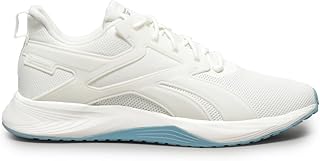


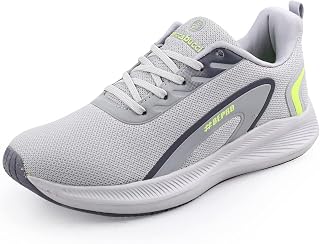


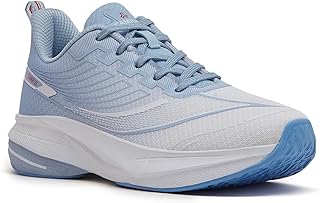
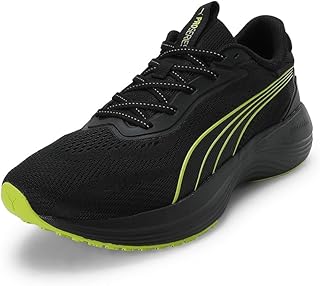


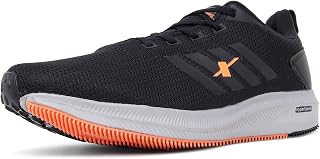

Men’s sports shoes in India are no longer limited to a single style designed for general exercise. The 2026 market includes running shoes, walking shoes, gym trainers, cross-training shoes, lightweight everyday sneakers, trail-oriented footwear and versatile athletic shoes intended for multiple activities. The most useful way to compare them is not simply by appearance or brand name, but by matching the shoe’s construction, cushioning, fit, traction and intended use with your routine.
For Indian buyers, climate, road surfaces, commuting habits, indoor and outdoor use, seasonal heat, monsoon conditions and the amount of daily walking can all influence which type of sports shoe makes sense. A shoe that works well for occasional gym sessions may not be the right choice for regular road running, while a highly cushioned running shoe may feel unnecessarily bulky for strength training.
This 2026 buying guide focuses on the practical differences that matter during commercial comparison. Brands such as Nike, Adidas, ASICS, New Balance, Puma, Reebok, Skechers, Under Armour and Decathlon offer different approaches to cushioning, fit, materials and intended use, but the best choice still depends on the individual wearer.
One of the most noticeable directions in modern athletic footwear is the attempt to reduce unnecessary weight while retaining a comfortable ride. Lightweight mesh uppers, engineered textiles, streamlined overlays and foam-based midsoles can make shoes feel less cumbersome during repeated movement.
However, lighter does not automatically mean better. A very lightweight shoe may use less structural material, which can be beneficial for some activities but less suitable for users who need additional stability or durability. Buyers should therefore compare total construction rather than treating weight as the only indicator of quality.
Modern running and lifestyle sports shoes frequently feature substantial midsoles. Increased foam volume can provide a softer or more protective feel, particularly during repetitive impact activities. Yet maximum cushioning is not automatically appropriate for every workout.
For gym exercises involving weights, rapid direction changes or lateral movement, excessive softness can feel less stable. For walking and steady running, however, a well-designed cushioned midsole can be a useful feature. The intended activity should therefore determine how much cushioning you actually need.
Breathability remains particularly relevant for Indian consumers because footwear can become uncomfortable when used for long periods in warm and humid conditions. Mesh and engineered textile uppers are commonly used to encourage airflow while keeping the shoe lightweight.
Breathability must be evaluated alongside durability. Very open mesh can offer excellent ventilation but may provide less protection from dust, rough surfaces or light moisture. More densely woven uppers can provide additional structure while potentially reducing airflow.
Many buyers prefer one pair that can handle commuting, errands, casual outfits and occasional workouts. This has encouraged demand for versatile athletic silhouettes that combine everyday styling with basic performance features.
Versatility is useful, but there is a limit. If running, weight training or court sports are a major part of your routine, a specialised shoe can offer advantages that a general-purpose trainer cannot reproduce.
Sports shoes have become a major part of casual menswear. Neutral colourways, minimalist branding, retro-inspired profiles and contemporary running-inspired silhouettes can transition easily between casual clothing and everyday activities.
If appearance is a priority, compare the shape of the upper, outsole profile and overall proportions rather than focusing only on colour. A fashionable shoe still needs an appropriate fit if it will be worn for several hours at a time.
The first buying decision should be the activity. Consider what you actually do during a normal week rather than choosing based on the appearance of the shoe.
A technically advanced shoe is still a poor purchase if the fit is wrong. Your heel should feel secure without being painfully compressed, while the forefoot should provide enough room for natural movement.
Do not assume that the same numerical size will fit identically across brands. Nike, Adidas, ASICS, New Balance, Puma and Skechers can use different lasts, shapes and fit philosophies across individual models and product families.
Check the manufacturer’s sizing information whenever possible and consider both foot length and width. If your feet are wider than average, do not simply buy a much longer shoe to obtain extra width, because excessive length can cause unwanted movement and reduce control.
Feet can change slightly in volume during the day, particularly after prolonged standing or walking. If a sports shoe will be used primarily for evening walks or after-work exercise, consider the conditions under which it will actually be worn.
Also account for your usual socks. A shoe that fits perfectly with thin socks may feel restrictive with thicker athletic socks. Small differences in fit can become noticeable after extended use.
Heel security is particularly important for running and training. Excessive heel movement can cause discomfort and make the shoe feel unstable.
Look for a heel counter and collar that hold the foot securely without creating pressure points. The collar should not dig into the Achilles area, and the heel should not repeatedly lift out of the shoe during ordinary movement.
The front of the shoe should allow your toes to spread naturally. A cramped toe box can become uncomfortable during longer walks or runs, especially when feet swell slightly during extended activity.
At the same time, excessive space can allow the foot to slide forward. The objective is controlled room rather than simply choosing the largest possible shoe.
The upper is the part of the shoe that surrounds the foot. Common materials include mesh, engineered textile, synthetic overlays, knitted constructions and combinations of different materials.
Mesh: Often selected for ventilation and low weight.
Engineered textile: Can balance breathability and targeted support.
Knit-style construction: May provide a flexible, sock-like feel, although stretch characteristics vary considerably.
Synthetic overlays: Can add structure and reinforcement to areas that experience greater movement or abrasion.
The midsole sits between the upper and outsole and has a major influence on how the shoe feels underfoot. Different foams can produce different combinations of softness, responsiveness, stability and weight.
A soft midsole can feel comfortable during walking and steady movement, while a firmer construction can provide a more controlled sensation. Some performance shoes use advanced foam compounds intended to improve energy return, but the presence of a premium-sounding foam name should not replace evaluation of fit and intended use.
The outsole is the primary contact point with the ground. Examine both rubber coverage and tread design.
A road-running shoe may use a relatively streamlined outsole pattern because it is designed primarily for predictable paved surfaces. A trainer intended for varied gym movements may require broader contact and dependable grip. Outdoor shoes can use more pronounced tread patterns for uneven surfaces.
Heel-to-toe drop describes the difference in midsole height between the heel and forefoot. It can influence how a shoe feels during movement, but there is no universally correct drop for every man.
Rather than choosing a shoe solely because a particular drop number is advertised, consider what you already wear comfortably and whether the new shoe is intended for running, walking, training or another activity.
Stack height refers broadly to the amount of material under the foot. Higher-stack shoes can provide a substantial cushioned platform, while lower-profile footwear can offer a closer-to-the-ground sensation.
Higher stack does not automatically mean greater comfort, and lower stack does not automatically mean better stability. The geometry and material combination are equally important.
Running shoes are designed primarily around repeated forward movement. They generally emphasise cushioning, smooth transitions, a secure upper and an outsole appropriate for the intended running surface.
If you run several times a week, a dedicated running shoe is usually a more sensible comparison category than a generic sports shoe.
Gym training often involves movements that differ substantially from running. Squats, lunges, strength exercises, lateral drills and machine-based workouts can benefit from a stable platform and reliable traction.
Very soft running shoes may feel comfortable during treadmill sessions but can feel less controlled during heavy lifting or lateral exercises. A cross-trainer may therefore be more versatile for mixed gym routines.
Walking shoes prioritise repeated low-impact movement and all-day comfort. For commuting, errands and long daily walks, consider cushioning, flexibility, upper ventilation, heel security and outsole durability.
A walking shoe can be an excellent choice when running is not part of your routine. There is little benefit in paying for performance features that you will not use.
For many parts of India, ventilation is an important consideration. Shoes worn for commuting or outdoor exercise can become uncomfortable when heat and perspiration accumulate.
Look for breathable construction, but remember that breathability is not determined by the word “mesh” alone. Mesh density, lining, tongue construction, overlays and internal padding all influence airflow.
During monsoon conditions, outsole traction deserves additional attention. Smooth or worn tread can provide less confidence on wet surfaces, and no standard athletic shoe should be assumed to offer unlimited grip on slippery flooring.
For regular wet-weather use, inspect the outsole pattern and rubber coverage and avoid treating water resistance and traction as the same feature. A shoe can resist some moisture without being specifically designed for wet-surface grip.
Urban Indian footwear can encounter dust, rough pavement, construction debris and uneven sidewalks. A very delicate upper may be less suitable for users who frequently walk through such environments.
For daily commuting, compare reinforced areas around the toe, heel and eyelets, especially if the shoe will receive significantly more use than an occasional workout pair.
Cushioning should be matched to comfort preferences, activity and stability requirements. More cushioning can create a plush sensation, but more material does not automatically produce a better shoe.
The correct level is ultimately the one that provides comfortable movement without creating instability or pressure points.
Width can be just as important as length. Men with wider feet may experience pressure along the forefoot even when the measured shoe length is correct.
When comparing models, look for available width variations where offered. If a brand does not provide a dedicated wide version, examine the upper shape, toe-box construction and customer sizing information carefully.
Do not use a larger size as a substitute for a wider fit unless the resulting length remains appropriate. Excess length can create heel movement and reduce confidence during exercise.
Nike offers a broad range of running, training and lifestyle-oriented athletic footwear. When comparing Nike models, pay attention to the exact product category because cushioning and fit can vary considerably between running and training lines.
Adidas covers running, training, walking-oriented everyday use and lifestyle footwear. Its product range includes different midsole approaches, so buyers should compare the specifications of the individual model rather than relying only on brand reputation.
ASICS is particularly relevant when comparing running-focused footwear. Buyers should examine the intended running category, cushioning characteristics, upper fit and outsole design rather than assuming every ASICS sports shoe provides the same ride.
New Balance is worth considering for buyers who place particular importance on fit and width options. Individual models differ, so check the specific size and width information before purchasing.
Puma offers athletic and lifestyle footwear across several price and performance segments. Compare individual shoes according to activity, upper construction, cushioning and outsole characteristics.
Skechers has a strong presence in comfort-oriented walking and everyday footwear alongside athletic categories. Its range can be relevant for users who prioritise casual comfort and daily walking, but the exact model should still be matched to the intended activity.
Reebok offers training, fitness and lifestyle-oriented footwear. For gym users, examine the shoe’s stability, sole profile and lateral support instead of selecting purely on appearance.
Under Armour offers running and training footwear with different cushioning and support approaches. Buyers should compare the exact model’s intended use, fit and outsole rather than assuming one construction represents the entire range.
Decathlon provides sports footwear across multiple activities and budget levels. It can be useful for buyers who want activity-specific footwear without automatically moving into premium price categories. Compare the intended sport and construction details carefully.
Colour and styling are important for everyday footwear, but appearance cannot tell you whether a shoe is suitable for running, lifting or long-distance walking. A visually attractive shoe may still have the wrong fit or construction for your routine.
Price is an important part of the decision, but the lowest initial cost is not necessarily the best value. Compare the upper, midsole, outsole, intended activity and expected frequency of use.
Brand recognition does not eliminate differences between models. Two shoes from the same company can feel substantially different because of changes in shape, cushioning, materials and intended use.
A correct length does not guarantee a comfortable fit. Forefoot pressure is one of the clearest reasons to investigate width and toe-box shape before buying.
Running shoes can be excellent for treadmill work but may not provide the stable, laterally controlled platform preferred for certain strength and cross-training activities.
Highly cushioned footwear can be comfortable, but some activities benefit from a firmer and more stable platform. Match cushioning to your activity rather than choosing the largest-looking midsole.
When purchasing online, review the current retailer return and exchange terms before placing an order. Footwear fit can be difficult to judge from photographs and specifications alone.
A sensible value comparison considers how frequently you will use the shoe and what role it plays in your routine. A dedicated running shoe may justify a higher budget for a frequent runner, while a casual wearer may be better served by a comfortable general-purpose model.
Compare the complete specification rather than one headline feature. Important factors include cushioning, upper material, outsole construction, fit, weight, activity category and the manufacturer’s sizing information.
Also distinguish between promotional claims and useful specifications. Terms such as “advanced,” “premium,” “performance” or “comfort” are not enough to determine whether a particular shoe is right for you.
Customer reviews can provide useful information, but they should be interpreted carefully. Look for recurring comments rather than relying on one exceptionally positive or negative review.
When two shoes look similar, create a simple comparison using the specifications that affect your use case.
Choose a pair that balances appearance, walking comfort and ventilation. If most of your movement consists of commuting and city walking, a comfortable everyday trainer may make more sense than an aggressive performance-running shoe.
Prioritise cushioning, fit, flexibility and outsole grip. If walking is the main activity, there is no requirement to choose a shoe designed around high-speed running.
Consider a dedicated running category and compare cushioning, heel security, fit, weight and outsole design. If you run on roads, make sure the shoe is designed for road use rather than assuming every athletic shoe is suitable.
A versatile training shoe can be a practical starting point when workouts combine machines, light cardio, strength exercises and general fitness movements.
Look for a stable platform and dependable ground contact. A highly soft running shoe may not be the ideal choice for exercises where stability and controlled foot placement are important.
Durability, comfort, ventilation and versatile styling may be more important than specialised performance. A general sports sneaker can be useful when it needs to handle walking, commuting and casual use throughout the day.
Remove loose dirt regularly using an appropriate soft brush or cloth. Avoid aggressive cleaning methods that could damage mesh, adhesives, printed graphics or synthetic finishes.
If sports shoes become wet, allow them to dry in a well-ventilated area. Excessive direct heat can affect some materials and adhesives, so avoid using intense heat as a shortcut.
Regular ventilation and completely drying shoes between uses can help manage moisture. Rotating between pairs can also give each pair additional time to dry when footwear is worn frequently.
Check the tread periodically. Uneven wear, smooth sections or visibly degraded rubber can change how a shoe interacts with the ground.
Foam can change with repeated use. If a previously comfortable shoe develops noticeably different cushioning, stability or compression characteristics, reassess whether it remains suitable for your routine.
There is no universal replacement date that applies to every sports shoe. Frequency of use, body weight, activity, surface, shoe construction and individual gait all influence wear.
Instead of relying only on a calendar, inspect the actual footwear. Warning signs can include significantly worn outsole tread, visible structural damage, persistent loss of cushioning, uncomfortable pressure points, separated components or a noticeable change in stability.
For running shoes, frequent runners should pay particular attention to changes in ride and outsole wear. A shoe that still looks acceptable externally may feel substantially different after extensive use.
Not necessarily. Higher-priced footwear can include more advanced materials, specialised foams, lighter construction or performance-oriented design, but those features are useful only when they match your needs.
A moderately priced shoe with an excellent fit and suitable construction can be a better purchase than an expensive shoe with the wrong width or activity category. Compare the features that directly affect your use rather than using price as a substitute for evaluation.
There is no single best sports shoe for every buyer. The right option depends on whether you need footwear for running, walking, gym training, cross-training or everyday use, along with your preferred fit, cushioning and budget.
Nike, Adidas, ASICS, New Balance, Puma, Skechers, Reebok, Under Armour and Decathlon all offer different types of athletic footwear. Instead of selecting a brand universally, compare the exact model according to activity, fit, cushioning and outsole design.
They can be suitable for treadmill running and some general gym sessions, but running shoes are not always ideal for strength training or workouts involving substantial lateral movement. A training shoe can provide a more balanced platform for mixed gym activities.
Not automatically. Price can reflect materials or specialised construction, but the best value comes from choosing a shoe whose features match your actual needs and whose fit is comfortable.
Look for comfortable cushioning, a secure fit, flexible construction, breathable materials and an outsole suited to pavement and other surfaces you regularly encounter.
Mesh can be a useful choice in warm conditions because it can encourage airflow. However, mesh construction varies, so consider durability, dust exposure, moisture and the amount of structural support provided by the particular upper.
The heel should feel secure without painful pressure, the midfoot should feel comfortably held and the toes should have enough room for natural movement. Avoid both excessive tightness and excessive internal movement.
Usually, simply increasing length is not the best solution to a width problem. If available, look for a wider version or another model with a more suitable forefoot shape.
Yes, provided the shoe is appropriate for the activity and remains comfortable. However, frequent daily use can accelerate wear, so inspect the outsole, midsole and upper regularly.
Check the exact model, size chart, width availability, intended activity, materials, cushioning description, outsole construction, customer feedback and the retailer’s current return or exchange terms. Prices and stock can change, so compare current information before ordering.
The best men’s sports shoes are not necessarily the newest, most expensive or most heavily marketed models. A strong purchase is one that fits correctly, suits the activity, provides the level of cushioning and stability you prefer, and uses materials appropriate for your environment.
For Indian buyers, practical considerations such as breathability, walking surfaces, monsoon traction, daily commuting and frequency of use deserve as much attention as styling. Compare specifications, read relevant customer feedback, verify sizing and check current retailer policies before making the final decision.
If you are comparing the latest men’s sports shoes for 2026, treat brand reputation as a starting point rather than the final answer. The most useful shortlist is the one that narrows the market according to your activity, foot shape, comfort preference and budget.