

♥ Wishlist
Compare 45 verified Tote Bags for Women in India products in India. Reviews, ratings, pros, cons and buying advice updated for October 2026.


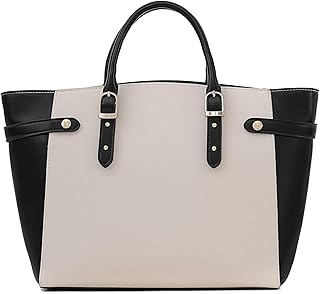
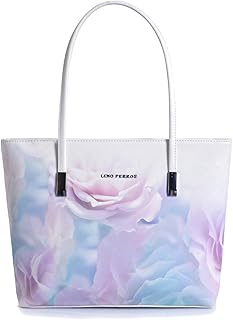


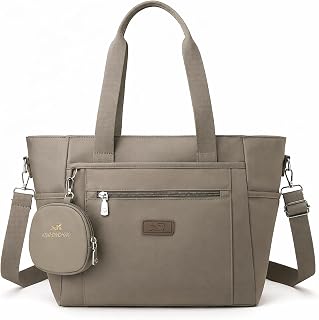


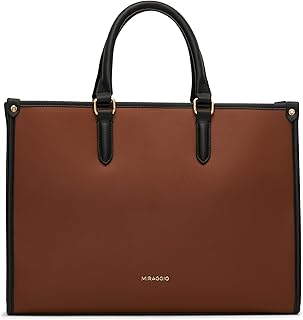
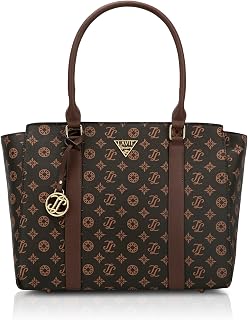


Tote bags have moved well beyond the basic open-top carryall. In 2026, shoppers in India can choose from structured office totes, lightweight everyday bags, canvas shoppers, leather-look designs, laptop totes, oversized carryalls, compact tote bags and versatile styles that work across commuting, college, travel and casual use. The right choice depends less on a single “best” design and more on how much you carry, where you use the bag, the material you prefer and how much organisation you need.
For an independent buying guide, the most useful way to compare the latest tote trends is to look beyond appearance. Construction quality, handle attachment, lining, closure, interior layout, base reinforcement, material behaviour in Indian weather and compatibility with your daily routine can make a much bigger difference than a fashionable colour or logo.
The strongest tote styles for 2026 combine practical capacity with a more polished appearance. Instead of treating trends as purely visual, consider whether a particular design solves a genuine everyday problem.
The best tote is the one that matches your normal load rather than the one with the largest advertised capacity. A very large bag can become uncomfortable when filled, while a small fashion tote may look attractive but quickly become impractical for work or college.
Make a short list of what normally goes into your bag. A typical office user may need a wallet, phone, keys, sunglasses, charger, notebook, water bottle and laptop. A college student may need books, stationery, a tablet or laptop and additional personal items. Someone looking for a shopping tote may prioritise capacity and easy cleaning instead.
Once you understand your typical load, compare the bag's dimensions, compartments and weight. Internal capacity should be considered together with the shape of the opening because a wide rectangular tote may be easier to pack than a narrow bag with similar measurements.
Small totes are useful when you carry only essential items. Medium totes are generally more versatile for daily use, while large totes are better suited to shoppers who routinely carry several bulky objects.
Do not judge capacity solely from product photographs. Check the listed height, width and depth and consider whether the dimensions include handles or external pockets.
Structured totes retain their shape when placed down and generally create a more polished appearance. They can be particularly useful with office clothing, formal outfits and professional environments. Their rigid construction may also make it easier to organise documents and electronic devices.
Slouchy totes have softer bodies that collapse or change shape more easily. They often create a relaxed, casual appearance and can be comfortable for shoppers who prefer flexible storage. The trade-off is that loose interiors can make smaller items harder to locate.
Material selection affects appearance, weight, durability, maintenance and the way a tote changes with use. There is no universally superior material because the best option depends on the environment and intended use.
Canvas is popular for casual tote bags because it can provide a relatively lightweight and straightforward design. Cotton canvas can develop a softer appearance with use, while heavier canvas constructions may feel more substantial.
Before buying, check whether the fabric is lined, how the handles are attached and whether the bottom has additional reinforcement. A thin canvas body with weak stitching may not perform like a heavier, well-constructed canvas tote.
Leather totes can provide a premium appearance and may develop distinctive character over time. Genuine leather, however, can vary considerably in finish, thickness and construction. Buyers should examine the material description carefully rather than assuming that every bag marketed as “leather” has the same characteristics.
Leather also generally requires more attention to moisture, stains and storage than washable fabric. If the bag will be exposed frequently to rain or rough everyday conditions, maintenance requirements should be part of the buying decision.
Faux leather and other synthetic materials can provide a polished appearance without requiring the same type of leather care. They are available in many colours and finishes, including smooth, textured and pebbled surfaces.
Inspect product specifications for the exact material instead of relying on terms such as premium, luxury or leather-look. Marketing language does not replace a clear material description.
Nylon and similar technical fabrics can be useful when low weight and practical everyday use are important. They are particularly suitable for shoppers who prefer a more casual or utility-inspired aesthetic.
For a daily-use nylon tote, pay attention to zipper quality, lining, seam finishing and handle construction. A lightweight body does not automatically indicate poor quality, but the supporting components still need to be suitable for the intended load.
Durability comes from the complete construction rather than from the outer fabric alone. A strong material can still produce a disappointing bag if the handles, seams or hardware are poorly designed.
When product photographs are available, zoom in on the handle attachment points, corners, base and zipper areas. These are often more informative than a front-facing promotional photograph.
The handles determine how the bag feels when carrying it. Two totes with similar dimensions can feel completely different because of differences in handle length, width, thickness and attachment.
Short handles are useful for hand carrying and can create a cleaner, more structured appearance. They may be less convenient if you frequently want to place the bag over your shoulder.
Long handles make a tote easier to carry on the shoulder. This can be valuable during commuting, shopping and situations where you need your hands available for other tasks.
Wider straps can distribute pressure over a larger area, which may make a loaded tote feel more comfortable. However, strap comfort depends on the material, padding, stiffness and overall bag weight as well.
An open-top tote offers quick access and is convenient when you frequently reach inside the bag. It is also visually simple and works well for casual carrying.
A zip-top tote provides an additional barrier against accidental spills, dropped items and unwanted access. It can be a better choice for commuting or crowded environments when securing personal belongings matters.
An office tote should be judged primarily by organisation, comfort and compatibility with the equipment you carry. A fashionable appearance is useful, but it should not compensate for poor functionality.
Before choosing a laptop tote, compare the actual internal compartment dimensions with your laptop dimensions. A bag labelled for a particular screen size may not fit every laptop with that screen measurement because bezel size, chassis shape and compartment dimensions differ.
College users often need more flexibility than office users because the contents can change significantly from one day to another. Look for a tote that can comfortably accommodate notebooks, stationery, electronics and personal items without becoming difficult to carry.
A reinforced base can be particularly useful if books or other heavy objects are regularly carried. Multiple internal pockets can also prevent small objects from collecting at the bottom of a deep tote.
For shopping and errands, capacity and easy maintenance often matter more than formal styling. A washable or easy-care fabric may be preferable when the bag is used frequently.
Consider how the bag behaves when empty and when full. A tote that folds easily may be convenient for storage, while a structured tote can be easier to load and unload. If you frequently carry groceries or heavier purchases, pay close attention to handle attachment and base construction.
A travel tote can serve as a personal carry bag, day bag or supplementary piece of luggage. Useful features include secure closure, accessible pockets, comfortable shoulder straps and enough space for documents, electronics and travel essentials.
Neutral tote bags remain practical because they can coordinate with a wide range of clothing. Black, beige, brown, tan, grey and other understated shades are easy to integrate into everyday wardrobes. More expressive colours, prints and contrasting details can work well when the bag is intended to be a noticeable part of an outfit.
The most useful approach is to choose colour according to wardrobe compatibility rather than buying solely because a shade is currently fashionable. A tote that works with several outfits is more likely to earn regular use.
Minimalist totes generally rely on clean shapes, restrained branding and simple hardware. They can be versatile for office, casual and travel settings.
Logo-focused or statement totes can act as fashion accessories and may suit shoppers who want the bag to make a stronger visual statement. The choice is primarily aesthetic, but branding should never distract from practical considerations such as dimensions, material and construction.
When researching branded tote bags, compare the exact model rather than assuming that every product from one brand has identical construction. Established fashion and accessories names such as Lavie, Caprese, Baggit, Hidesign, Allen Solly, DailyObjects, Da Milano and Charles & Keith offer different approaches to materials, styling and intended use across their respective ranges.
International brands such as Michael Kors, Coach, Kate Spade and Tommy Hilfiger are also commonly considered by shoppers looking for branded fashion accessories. Availability, current pricing, seller reputation and model specifications can vary, so check the individual listing before making a purchase.
For budget-conscious buyers, the brand name should be only one comparison factor. A less expensive tote with appropriate construction and useful organisation may be more suitable than a premium-looking bag that does not fit your everyday requirements.
When two products appear similar, compare them using the same criteria instead of relying on photographs or brand recognition.
A tote may look excellent in photographs but prove inconvenient if the handles are uncomfortable, the opening is too narrow or the interior lacks organisation. Evaluate function before making a final choice.
A large, heavily constructed tote can already have noticeable weight before anything is placed inside. If you expect to carry a laptop, books or other heavy items, the empty weight becomes especially important.
Extra space sounds useful, but a very large tote can encourage overpacking. If you normally carry only a few essentials, a medium-sized design may be more comfortable and easier to organise.
Water-resistant, water-repellent and waterproof are not interchangeable descriptions. Read the manufacturer's stated material and care information carefully rather than assuming that a coated exterior makes the entire bag waterproof.
Screen size alone is not sufficient. Always compare the actual laptop dimensions with the internal dimensions of the padded compartment.
The handles experience substantial stress, particularly when a tote is heavily loaded. Look for reinforced attachment and well-finished stitching rather than judging handle quality by appearance alone.
Customer reviews can provide useful information, but they are most valuable when read systematically. Instead of focusing only on the overall star rating, search for repeated comments about the exact characteristics that matter to you.
A single positive or negative review rarely provides enough evidence to judge an entire product. Repeated observations across multiple reviews are more useful for identifying potential strengths or weaknesses.
When buying online, product photographs are an important source of visual information. Inspect the details rather than simply viewing the main promotional image.
Proper care can help preserve the appearance and function of a tote. The appropriate cleaning method depends on the material, so the care instructions supplied for the specific bag should take priority.
Remove loose dirt regularly and follow the recommended washing or spot-cleaning method. Avoid assuming that every canvas or fabric tote is machine washable, particularly when it includes leather trim, rigid inserts, printed graphics or structured components.
Protect leather from unnecessary moisture and use only care products appropriate for the particular leather finish. Store the bag in a dry location and avoid compressing structured bags for long periods.
Many synthetic materials can be cleaned with a soft cloth, but aggressive cleaning chemicals can affect surface finishes. Follow the manufacturer's care instructions whenever available.
Storage affects the long-term appearance of a bag. Empty the tote before storing it and remove receipts, food packaging and other objects that could cause odour or staining.
Structured bags are generally best stored in a way that preserves their shape. Soft totes can often be folded or stored flat if the material and construction allow it. Avoid placing heavy objects on top of a structured tote for extended periods.
Price does not automatically determine quality. A higher-priced tote may offer a particular material, construction method, design, brand positioning or finish, but the additional cost is worthwhile only if those characteristics matter to you.
For everyday use, compare measurable attributes such as material, dimensions, lining, hardware, compartments, handle construction and weight. For fashion-focused purchases, styling and brand preference may legitimately carry more importance.
Prioritise useful dimensions, sturdy handles, acceptable stitching and easy maintenance. Avoid paying extra for decorative details that do not improve your intended use.
This category can provide a useful balance between appearance and everyday functionality. Compare lining quality, organisation, hardware and construction carefully because products can vary substantially even at similar prices.
At a premium price point, examine exactly what you are paying for. Material quality, craftsmanship, design details and brand positioning may all contribute to the cost. Make sure the features align with how frequently you will use the bag.
India's climate varies significantly by region, so the most suitable material depends on where and when the tote will be used. In hot and humid conditions, breathable or easy-care fabric may be attractive for casual use, while shoppers exposed to monsoon rain may prefer a bag with a suitably water-resistant exterior and protected contents.
Rain protection should be evaluated carefully. A water-resistant outer surface does not necessarily mean that seams, zippers or the interior are waterproof. If protecting electronics or documents is important, consider a separate protective sleeve or waterproof organiser rather than relying exclusively on the tote's exterior material.
Carrying comfort depends on several interacting factors. A large tote can become uncomfortable when overloaded, while a compact bag can be equally inconvenient if its straps are narrow or the contents become concentrated in one area.
More pockets are not automatically better. Organisation works best when the compartments correspond to the objects you actually carry. Too many small pockets can reduce the flexibility of the main compartment.
For everyday use, a combination of one main compartment, one secure pocket and one or two accessible pockets may be sufficient. For work or travel, additional dedicated compartments can be useful for electronics, chargers, documents and small accessories.
A laptop compartment can make a tote significantly more useful for work and study, but check the compartment construction rather than simply looking for the word “laptop.” Padding thickness, closure, internal dimensions and separation from other contents all matter.
If you carry a laptop frequently, a protective sleeve inside the compartment can provide an additional layer of protection. The tote itself should not be treated as a substitute for careful handling of electronic equipment.
Deep tote bags can hold substantial amounts but may become difficult to organise. A lighter-coloured lining can sometimes make it easier to see contents, while internal pockets reduce the need to search through the entire bag.
If the tote has a very open interior, consider whether a removable organiser would improve usability. This can also make it easier to transfer your belongings between bags.
A tote does not need to be highly seasonal to feel current. A clean silhouette in a versatile colour can remain useful across multiple outfits and occasions. If you want one primary tote rather than several fashion-specific bags, choose a shape that works with both casual and polished clothing.
Neutral colours generally offer greater wardrobe flexibility, while statement colours and patterns can add visual interest when the bag is intended to function as an accessory.
Environmental claims should be evaluated carefully. Terms such as sustainable, eco-friendly and recycled can refer to different aspects of a product's materials or manufacturing. Look for specific information about the material composition and construction rather than relying on broad marketing language.
Longevity is also relevant to practical consumption. A tote that remains useful for a long period can be more sensible than repeatedly replacing inexpensive bags that fail because of poor construction. Consider repairability, material durability and realistic frequency of use alongside any sustainability claim.
Before purchasing, use the following checklist to avoid overlooking important specifications:
If you want a tote primarily for professional use, prioritise a structured shape, secure closure, laptop compatibility and comfortable handles. If your main requirement is shopping or everyday errands, capacity, durability and easy maintenance deserve greater weight. For fashion use, silhouette, material, colour and styling can become more important.
For travel, look for a balance of capacity and security rather than simply selecting the largest available tote. If you routinely carry heavy belongings, construction around the handles and base should be among your highest priorities.
There is no single best tote for every shopper. The right choice depends on intended use, size, material, carrying method, organisation requirements and budget. Compare specifications and recent customer feedback for the exact model before buying.
Yes. Tote bags remain versatile because they combine practical carrying capacity with many fashion directions, including minimalist, structured, oversized, casual canvas and professional designs.
Durability depends on the specific material grade and construction. Examine fabric or leather quality, stitching, handle attachment, lining, hardware and base reinforcement instead of choosing solely by material name.
They can be, particularly for shoppers who value a polished appearance and are prepared to follow appropriate care instructions. Weight, moisture exposure and maintenance should be considered before choosing leather for daily commuting.
Neither is universally better. Canvas can suit lightweight casual use and a relaxed appearance, while faux leather can provide a more polished look and different maintenance characteristics. Compare the actual construction and intended use.
Choose a size based on the dimensions of the items you carry rather than a generic size label. If you carry a laptop, measure the device and compare it with the tote's internal laptop compartment dimensions.
A zippered tote generally offers better enclosure and security, while an open tote provides faster access. Your commuting environment and carrying habits should determine which design is more suitable.
Inspect the stitching, handle attachment, seams, base, lining, zipper and hardware. Product photographs and repeated customer comments can help identify construction details that are difficult to assess from the main product image.
They can be worth considering if the material, construction, design or brand characteristics justify the additional cost for your needs. Price alone should not be treated as proof of superior quality.
Neutral shades such as black, brown, beige, tan and grey are generally easy to coordinate with different outfits. The best colour is ultimately the one that complements your existing wardrobe and intended use.
Check exact dimensions, material, weight, closure, compartments, handle design, care instructions and seller information. Also compare recent customer feedback and inspect product photographs for stitching, construction and actual proportions.
No. A rating can provide an initial signal, but the written feedback often contains more useful information. Look for repeated comments about dimensions, comfort, durability, material and construction.
The latest tote trends offer plenty of choice, but the smartest purchase is not necessarily the most fashionable or expensive option. Start with your daily routine, identify what you carry, decide how much organisation you need and then compare construction, material, dimensions and comfort.
For an everyday tote, durability and versatility usually deserve more attention than decorative details. For office use, laptop protection and organisation become more important. For travel, security and capacity matter more. For fashion-led purchases, silhouette and styling can take priority while comfort and construction should still be checked.
Before purchasing, compare the exact specifications of shortlisted models, read verified customer reviews where available, check the current seller information and review the latest price and return details on the retailer listing. Product availability, pricing, colours and specifications can change, so verify those details at the time of purchase rather than relying on older information.