

♥ Wishlist
Compare 55 verified Rings for Women and Men products in India. Reviews, ratings, pros, cons and buying advice updated for October 2026.


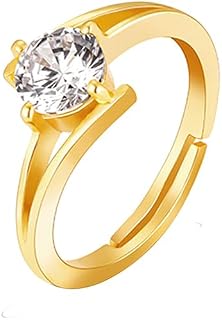


Ring trends in 2026 are moving beyond a single definition of what looks fashionable. Current styles span minimalist bands, sculptural statement rings, stackable sets, personalised designs, gemstone accents, adjustable rings and versatile everyday pieces. For shoppers in India, the best choice is not necessarily the most eye-catching design. A useful buying decision also considers metal type, finish, sizing, comfort, skin sensitivity, maintenance, occasion, styling flexibility and the reliability of the seller.
This independent buying guide is designed to make that comparison easier. Instead of treating every fashionable ring as equally suitable, consider how the design fits your wardrobe, how frequently you expect to wear it and whether its construction matches the price. Brands and retailers such as GIVA, Mia by Tanishq, CaratLane, Tanishq, Bluestone and Swarovski represent different positions across jewellery and fashion accessories, so specifications should always be checked for the individual product rather than assumed from the brand name.
The strongest ring trends can be grouped into several practical categories. Understanding these categories is more useful than simply choosing a ring because it appears in a trend list.
Minimalist rings remain one of the easiest trends to incorporate into an existing wardrobe. Their appeal comes from restrained proportions, uncomplicated shapes and styling flexibility. A plain band can work with casual clothing, office wear and occasion outfits without competing with other accessories.
When comparing minimalist rings, look beyond the apparent simplicity. A very thin band may be visually elegant but can be less suitable if you prefer a substantial feel. Conversely, a wider plain band may provide greater visual presence but can feel restrictive between adjacent fingers. Rounded edges generally create a softer feel, while flat or sharply geometric profiles deliver a more contemporary appearance.
For everyday use, examine the material and surface finish carefully. A polished surface can produce a brighter appearance but may show scratches more visibly over time. Matte, brushed or satin finishes can provide a more subdued look, although their appearance may also change with wear.
Stacking is one of the most flexible approaches to modern ring styling. Instead of relying on one statement piece, several rings can be combined to create different looks. This makes stackable designs particularly useful for buyers who enjoy changing their jewellery regularly.
The important consideration is proportion. Three or four extremely wide rings can quickly become uncomfortable, while several very thin bands may provide less visual definition. A balanced stack often combines different widths, textures or shapes while maintaining a consistent visual theme.
Before buying a stacking set, check whether the individual rings are intended to be worn together. Differences in edge shape, surface texture and height can affect comfort. Rings that look attractive separately may not sit comfortably when worn side by side.
Statement rings are designed to attract attention. In 2026, this category includes oversized shapes, organic curves, architectural forms, twisted structures and unconventional silhouettes. They can transform a simple outfit without requiring several additional accessories.
The trade-off is versatility. A dramatic ring may look excellent with a simple outfit but can compete with heavily patterned clothing or elaborate jewellery. Large rings can also feel less practical for typing, driving, cooking or other activities that require frequent hand movement.
When evaluating a statement design, inspect the underside as well as the visible face. A large decorative surface does not automatically mean the ring is well constructed. Look for a finish that appears consistent and edges that are sufficiently smooth for comfortable wear.
Chunky rings continue the broader shift toward bolder jewellery proportions. These designs typically use wider bands, thicker profiles or enlarged decorative elements. They can create a strong contemporary look and are particularly effective when paired with simpler accessories.
Comfort deserves extra attention with chunky rings. Finger width varies naturally, and a wide band may feel tighter than a narrow ring of the same nominal size. If a product listing provides internal diameter, ring width or sizing information, use those measurements rather than relying solely on a generic size label.
Another consideration is visual weight. A thick ring does not have to be highly decorated. A plain chunky band can provide a modern appearance while remaining easier to coordinate with other jewellery.
Adjustable rings can be useful when an exact ring size is uncertain. They may also appeal to shoppers whose finger size changes slightly during the day or between seasons. However, adjustable does not automatically mean universally comfortable.
Examine how the adjustment mechanism is designed. A smooth, flexible opening can be more comfortable than a rigid design with exposed edges. Repeatedly opening and closing an adjustable ring may also affect its shape or finish, depending on its construction.
Adjustable rings are particularly useful for gifting when the recipient's exact size is unknown, but buyers should still check the stated adjustment range. An adjustable design intended for a limited range should not be assumed to fit every finger.
Personalised jewellery has a strong appeal because the design can carry individual meaning. Initials, names, symbols and dates can turn a simple ring into a keepsake or gift.
Personalisation requires more careful checking than an ordinary purchase. Review the spelling, character sequence, font style, engraving position and stated dimensions before ordering. If the design includes several characters, consider how legible they will remain at the actual size of the ring.
For gifting, personalisation can make a relatively simple design feel distinctive. However, the buyer should balance sentimental value with everyday practicality. A heavily customised ring may be less versatile if the recipient normally prefers minimalist jewellery.
Gemstone rings provide a straightforward way to introduce colour into jewellery styling. Depending on the design, stones may be used as a subtle accent or as the central feature of the ring.
Do not evaluate a gemstone ring solely from a product photograph. Images can make stones appear larger, brighter or more saturated than they look in ordinary lighting. Product specifications should clarify the stone type, setting material and any relevant treatment information when supplied by the manufacturer or retailer.
The setting is also important. A raised stone can create a more prominent appearance but may catch on clothing or objects. Lower-profile settings can be easier for everyday wear, particularly for people who use their hands frequently.
Geometric rings use straight lines, angles, squares, rectangles, arcs and deliberately structured forms. They are particularly suitable for contemporary wardrobes where clean silhouettes and modern accessories are preferred.
The most important buying consideration is edge treatment. Geometric jewellery can look sharp and precise while still being comfortable if the edges have been appropriately finished. Inspect product photographs from several angles where available, and pay attention to the inside of the band.
Geometric rings also work well as a single focal accessory. If the design is visually complex, pairing it with simpler jewellery can prevent the overall look from becoming crowded.
Textured finishes provide dimension without requiring large gemstones or elaborate decorations. Hammered surfaces, twisted bands, irregular contours and organic shapes can create a handcrafted visual effect.
Texture can also influence maintenance. Deep grooves and intricate surfaces may collect dust, cosmetics or residue more easily than a smooth band. If the ring is intended for frequent wear, consider whether you are comfortable giving it occasional detailed cleaning.
Organic shapes can be especially attractive for shoppers who want something less conventional than a perfectly symmetrical band. However, asymmetrical designs may be harder to pair with other rings, so consider your existing jewellery before purchasing.
Mixed-metal styling makes it easier to coordinate jewellery across different accessories. Gold-tone, silver-tone and other finishes can be combined rather than treated as mutually exclusive.
A two-tone ring can act as a bridge between different jewellery colours. This is useful for shoppers who already own accessories in more than one metal tone and want a single piece that works with both.
When buying fashion jewellery, verify exactly what the product description means by terms such as gold-tone, gold-plated, gold vermeil, sterling silver or stainless steel. These terms describe different material constructions and should not be treated as interchangeable.
The right ring depends on the intended use. A ring for everyday office wear has different requirements from a statement piece for weddings, festivals, parties or occasional styling.
Material is one of the most important differences between rings that may otherwise look similar. The material influences appearance, durability, weight, maintenance and price positioning.
Stainless steel is commonly used for contemporary fashion rings because it can provide a durable, modern appearance. It is particularly common in minimalist, geometric and men's or gender-neutral styles. The exact composition and finish vary between products, so buyers should rely on the stated specifications.
Sterling silver is a widely recognised jewellery material with a bright metallic appearance. It can develop tarnish over time, particularly when exposed to air, moisture and certain chemicals. Proper storage and appropriate cleaning can help maintain its appearance.
Gold jewellery is available in different purities, commonly expressed using karats. Higher purity generally means a greater proportion of gold, while lower-karat alloys contain a larger proportion of other metals. Buyers should check the stated purity and hallmark information where applicable.
Gold-plated rings use a base material covered by a layer of gold. The appearance can be attractive while generally costing less than solid gold, but the plated layer can wear with repeated friction and exposure to moisture or chemicals. Product descriptions should be checked for the base material and plating information.
A product described simply as gold-tone should not automatically be assumed to contain a meaningful quantity of gold. Gold-tone generally describes colour or appearance rather than solid-gold construction. Read the material specification carefully before comparing products.
Incorrect sizing is one of the easiest ways to turn an otherwise attractive ring into an inconvenient purchase. Ring sizes are not always presented using the same measurement system, and sellers may use different regional conventions.
Before ordering, check the specific sizing chart associated with the product. If the seller provides internal diameter or circumference, compare that measurement with a ring that already fits the intended finger.
Remember that finger size can vary. Heat, activity and other ordinary conditions can affect how a ring feels. A ring that is too tight can become uncomfortable, while an excessively loose ring can rotate or slip.
Ring width is often overlooked because shoppers naturally focus on the design visible from above. Yet the width of the band can significantly affect comfort.
Narrow bands generally leave more space for adjacent fingers. Medium-width bands offer a balance between visibility and flexibility. Wide bands create a stronger visual effect but can occupy more finger surface and may feel tighter.
If you are new to wearing rings, a moderate-width design can be a practical starting point. If you already wear rings regularly, compare the width with pieces you find comfortable.
The same basic ring shape can look very different depending on its finish. Polished, brushed, matte, satin, hammered and textured surfaces each create a distinct visual effect.
Finish also affects how wear appears. Reflective surfaces can make fine marks more noticeable, while textured finishes may naturally disguise small changes in the surface.
For professional environments, minimalist bands, small stones and refined geometric designs are generally easier to integrate with formal clothing. The goal is not necessarily to choose a plain ring, but to select a design that does not interfere with the rest of the outfit.
Casual styling provides more freedom to experiment with stacking, colourful stones, adjustable rings, signet-inspired designs and mixed textures.
Festive clothing can support more decorative jewellery. Statement rings, coloured stones, gold-tone finishes and ornate motifs can complement traditional outfits, although the overall combination should remain balanced.
For formal occasions, consider how the ring interacts with other jewellery rather than evaluating it independently. A highly decorative ring may work best when the remaining accessories are relatively restrained.
Jewellery coordination does not require every piece to be identical. Instead, look for a deliberate relationship between colour, scale and finish.
Women's ring styling in 2026 encompasses everything from delicate stacking bands to oversized statement pieces. Personalisation, gemstones, organic silhouettes, textured finishes and mixed-metal combinations offer multiple directions without requiring a single dominant trend.
The best choice depends on personal style rather than a trend label. A minimalist ring can remain useful for years, while a sculptural fashion ring may be more appropriate when the goal is to create a distinctive seasonal outfit.
Men's ring styling continues to include signet-inspired rings, broad bands, minimalist metal rings, textured finishes and geometric designs. Contemporary styling is less dependent on rigid jewellery categories, making many designs suitable for anyone who likes their proportions and finish.
For men who are new to rings, a simple band or understated signet shape can be easier to integrate into an existing wardrobe than a highly decorative design. Width, weight and comfort should be considered carefully, especially when the ring will be worn throughout the day.
Many current ring styles can be selected without treating men's and women's jewellery as separate categories. Plain bands, chunky rings, geometric designs, signet shapes, textured surfaces and mixed-metal styles can work across different wardrobes.
For gender-neutral buying, focus on measurable characteristics such as width, diameter, material, finish and decorative scale. These specifications are more useful than relying on marketing labels.
There is no universal winner because the materials serve different priorities.
When comparing two rings, do not judge material solely from colour. A silver-coloured ring may be silver, stainless steel, another alloy or a plated fashion material. The specification determines what you are actually buying.
Online photographs are useful for judging design but cannot answer every important buying question. A disciplined comparison should include the following.
Customer reviews can provide useful information, but they should be interpreted rather than counted blindly. A high review score does not tell you whether the ring suits your particular requirements.
Look for repeated comments about sizing, colour accuracy, finishing, comfort, packaging and long-term appearance. Pay particular attention to reviews that include measurements or photographs, while remembering that individual experiences can vary.
For fashion jewellery, separate comments about appearance from comments about construction. A reviewer may love the design while still mentioning that the finish requires careful handling.
A fashionable ring may receive attention online but still spend most of its time unused if it does not fit your wardrobe. Think about how many outfits you can realistically wear it with.
Photographs can make jewellery appear larger or smaller than it really is. Check stated measurements whenever they are available.
Colour does not establish material. Always read the material and purity description.
Do not guess when a sizing chart or measurement is available. The ring's band width can also influence perceived tightness.
The underside, inner band and edges affect comfort and quality perception. Look for photographs that show the complete ring.
A ring that requires delicate care may not be suitable for someone who wants a low-maintenance everyday accessory.
Appropriate care depends on the material and finish, so the manufacturer's or retailer's care instructions should take priority. In general, rings benefit from avoiding unnecessary exposure to harsh chemicals, cosmetics, chlorine and prolonged moisture when the material is susceptible to damage or discolouration.
Storage matters because jewellery can scratch against other jewellery even when it is not being worn. A ring box, soft-lined compartment or individual jewellery pouch can help separate pieces.
Keep pieces with delicate finishes away from harder jewellery that could cause abrasion. If a ring contains a raised stone or detailed setting, avoid storing it loose in a container where it can repeatedly contact other pieces.
For precious-metal jewellery in India, buyers should pay attention to applicable hallmark and purity information. Hallmarking requirements and applicable standards can change, so verify current information through the relevant official Indian authority when purchasing valuable precious-metal jewellery.
For fashion rings, descriptions such as alloy, stainless steel, plated or gold-tone should be interpreted literally. Do not infer precious-metal content from photographs, colour or a product title alone.
There is no single correct budget because rings range from inexpensive fashion accessories to significant precious-metal purchases. A sensible approach is to separate the budget for a fashion accessory from the budget for a long-term jewellery investment.
For lower-cost fashion rings, prioritise fit, finish and design rather than expecting investment value. For precious-metal jewellery, material purity, weight, hallmark information and workmanship become more important comparison factors.
Regardless of budget, avoid paying a premium solely because a listing describes a ring as “latest,” “viral” or “trending.” Trend language can describe style, but it does not establish material quality.
When two rings appear nearly identical, use a structured comparison rather than relying on photographs.
Neither option is inherently better. Stackable rings provide flexibility because individual pieces can be rearranged, removed or combined with other jewellery. A statement ring provides stronger visual impact with less effort.
If you frequently change outfits and enjoy experimenting, stacking may provide better versatility. If you prefer a quick accessory that immediately changes the appearance of an outfit, a statement ring may be more practical.
Adjustable rings can be a good choice when flexibility is more important than a precision fit. They are particularly useful for gifts and for shoppers who are uncertain about standard ring sizing.
However, inspect the adjustment design and stated size range. An adjustable mechanism that feels uncomfortable or requires frequent reshaping may reduce the practical advantage. For valuable jewellery, buyers may prefer a properly sized fixed ring instead.
A versatile ring usually combines a manageable visual scale with a design that does not depend on one specific outfit. Neutral metal tones, moderate proportions, simple geometric forms and restrained stone details can make a ring easier to wear repeatedly.
Ask yourself whether the ring works with casual clothing, workwear and at least one dressier outfit. If the answer is yes, it is more likely to become a regular part of your jewellery rotation.
Minimalist bands, slim stackable rings and low-profile designs are generally among the easiest options for everyday wear. The best choice depends on comfort, material, occupation and personal style.
There is no single universal trend. Minimalist rings, stacking, chunky proportions, sculptural designs, personalised pieces, textured finishes, gemstones and mixed-metal styling all offer relevant directions in contemporary ring fashion.
They can be, but comfort depends on band width, inner profile, size and finger shape. Wide rings may feel tighter than narrow rings even when their nominal size is the same.
Yes. Minimalist rings remain useful because their understated appearance works with many outfits and they can also be combined with other rings.
There is no universal best material. Stainless steel, sterling silver, gold and other jewellery materials each have different characteristics. Choose according to durability expectations, appearance, maintenance requirements and budget.
Use the specific seller's sizing information and compare internal diameter or circumference with a ring that already fits the intended finger. Avoid assuming that a numerical size is identical across every sizing system.
Not necessarily. “Gold-tone” generally describes colour or appearance. Check the product's stated material and any plating or purity information before buying.
Some are, but suitability depends on the stone, setting, profile and care requirements. Lower-profile settings may be more practical for frequent hand use.
Check material, size, dimensions, finish, stone specifications, adjustment range, care instructions and customer feedback. For precious-metal jewellery, also verify applicable purity and hallmark information.
An adjustable ring can reduce sizing uncertainty, although its stated adjustment range should still be checked. Another option is to discreetly obtain the recipient's ring size before purchasing.
Follow the product's specific care instructions. Sterling silver can tarnish, so appropriate storage and gentle cleaning can help maintain its appearance. Avoid abrasive methods unless they are specifically suitable for the item.
Yes. Ring stacking is not limited to one gender. Men can combine simple bands, signet-style rings, textured pieces and other compatible designs according to personal style and comfort.
Absolutely. Chunky rings are a styling choice rather than a gender-specific requirement. Choose the width and profile based on comfort and the visual effect you want.
There is no fixed rule. One statement ring can create a strong focal point, while two or more complementary rings can create a layered appearance. Comfort and visual balance matter more than a specific number.
The best latest ring trend is ultimately the one that combines current style with practical suitability. Before buying, move beyond the product photograph and examine the specifications that determine whether the ring will actually work for you: material, size, width, finish, setting, comfort, maintenance and intended occasion.
For an everyday purchase, prioritise comfort and versatility. For a fashion-led purchase, focus more heavily on silhouette, texture and styling impact. For gifting, sizing and personal meaning become particularly important. For precious-metal jewellery, verify purity and hallmark information rather than relying on appearance or marketing language.
Because product ranges, specifications, customer feedback and availability can change during 2026, compare the current listing information before making a purchase. A careful comparison is more reliable than choosing a ring simply because it is labelled as the newest or most popular trend.