

♥ Wishlist
Compare 54 verified Sportswear for Men & Women products in India. Reviews, ratings, pros, cons and buying advice updated for October 2026.


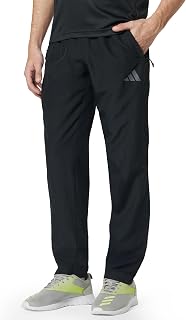


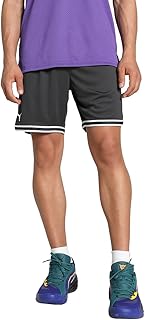


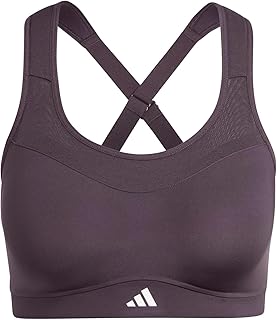


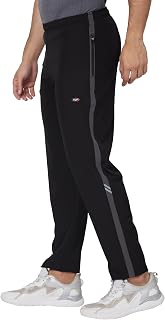


Sportswear in 2026 is no longer limited to basic gym clothing. Indian shoppers are increasingly looking for activewear that combines workout performance, everyday comfort, practical construction and modern styling. The latest sportswear trends cover everything from breathable training T-shirts and supportive sports bras to performance leggings, running shorts, lightweight jackets, training shoes and versatile athleisure layers.
For Indian conditions, however, a fashionable design is only one part of the buying decision. Heat, humidity, monsoon conditions, frequent washing, commuting, indoor workouts and different levels of physical activity can all influence which sportswear is genuinely useful. A garment that works well for a short gym session may not be the best choice for outdoor running or high-intensity training.
This 2026 buying guide focuses on the product characteristics behind the latest sportswear trends rather than treating fashion alone as a reason to buy. When comparing products, consider fabric composition, breathability, moisture management, stretch, fit, support, construction quality, durability, intended activity and care requirements. Brands such as Nike, Adidas, Puma, Under Armour, Reebok, ASICS, New Balance, HRX, Decathlon and Jockey offer different approaches across these categories, so comparing specifications is more useful than choosing purely by logo or appearance.
The biggest sportswear direction in 2026 is the continued merging of performance apparel and everyday clothing. Consumers want garments that can move from workouts to errands without feeling excessively technical or uncomfortable.
India's climate makes fabric selection particularly important. A heavy cotton garment can feel comfortable initially but may become saturated with sweat during a long workout. Conversely, an ultra-light technical fabric can be excellent for running but may not provide the feel or structure someone wants for casual wear.
For summer workouts and humid conditions, prioritise lightweight construction, airflow and moisture management. Loose or strategically ventilated garments can improve comfort when temperatures are high. Look for tops with breathable panels and bottoms that do not trap excessive heat around the waist or thighs.
For outdoor exercise, colour and construction can also influence comfort. Darker garments can absorb more radiant heat, while very thin fabrics may require attention to opacity and sun exposure. The best choice depends on the activity, location and time of day.
During monsoon weather, quick-drying materials become especially useful. If clothing is likely to become damp during commuting or outdoor activity, avoid choosing garments solely because they feel soft when dry. Consider how quickly the material is likely to dry and whether it becomes heavy after absorbing moisture.
Layering is generally more versatile than purchasing a single very thick garment. A breathable base layer can be combined with a sweatshirt or lightweight jacket and removed as the body warms up. Runners may also benefit from lightweight outer layers that block wind without creating excessive heat retention.
Understanding fabric composition can prevent many poor purchases. The material listed on a product page tells only part of the story, but it provides a useful starting point when comparing similar garments.
Polyester is widely used in performance sportswear because it can be lightweight, durable and suitable for moisture-management constructions. It is particularly common in running T-shirts, training tops and shorts.
Not every polyester garment performs identically. Knit structure, fabric weight, finishing and garment construction can significantly affect breathability and comfort.
Nylon is valued for its strength, smooth feel and durability. It is common in leggings, sports bras and fitted performance garments. Nylon-rich fabrics can provide a comfortable combination of stretch and structure when engineered appropriately.
Elastane provides stretch and recovery. It is particularly useful in leggings, compression garments, sports bras and fitted training clothing. A higher percentage does not automatically mean a better garment; the appropriate amount depends on the intended fit and activity.
Cotton is naturally comfortable and familiar, making it appealing for low-intensity exercise and casual athleisure. However, it tends to absorb sweat rather than rapidly moving moisture away from the skin. For intense training or long outdoor sessions, a technical fabric may be more practical.
Blends attempt to combine the properties of different fibres. A cotton-polyester blend, for example, can balance softness with improved drying performance, while nylon-elastane combinations can provide stretch and durability.
These terms are often used interchangeably in sportswear descriptions, but they refer to related rather than identical characteristics.
Moisture-wicking generally describes how a fabric helps move moisture away from the skin across or through the material. Quick-drying refers to how rapidly the garment dries after becoming wet.
A good training top may have both properties, but shoppers should avoid assuming that every garment described as breathable, dry-fit or performance automatically performs equally well. Compare fabric weight, construction and customer feedback alongside marketing terminology.
The correct fit depends on the sport, body movement and personal preference. Sportswear should allow the intended movement without excessive fabric interfering with equipment or creating discomfort.
Relaxed clothing provides greater airflow and freedom of movement. It can be useful for casual wear, walking, warm-weather training and people who dislike close-fitting garments.
Regular-fit sportswear provides a balance between movement and structure. It is one of the most versatile options for gym sessions and general activewear.
Fitted garments can reduce excess fabric and work well for activities requiring unrestricted movement. However, a close fit should not create uncomfortable pressure, excessive pulling or restricted breathing.
Compression garments are designed to fit substantially closer to the body. They are popular for training and running, but the correct compression level is highly personal. Do not assume tighter automatically means better performance.
A performance T-shirt is one of the most versatile sportswear purchases. Look for lightweight construction, comfortable seams, adequate ventilation and a fit appropriate to your activity.
For Indian summers, avoid choosing a shirt solely because the fabric feels thin. Check whether it provides sufficient coverage, whether it becomes transparent when wet and whether the neckline and sleeves suit your workout.
Sports bras should be selected according to activity intensity rather than appearance alone. Low-impact designs can work for walking, stretching and gentle activities, while running and high-impact training generally require substantially more support.
Important features include band stability, strap design, cup construction, adjustability, breathability and ease of movement. A sports bra that looks fashionable but moves excessively during exercise is not a practical purchase.
Leggings are useful for strength training, yoga, studio workouts and everyday athleisure. Look for adequate opacity, stretch recovery, a waistband that stays in position and seams that do not create irritation.
For squats and other deep movements, fabric stretch and opacity are particularly important. If purchasing online, check available measurements rather than relying only on generic labels such as S, M or L.
Running shorts should be lightweight and allow unrestricted stride movement. Useful features can include a secure waistband, breathable fabric, inner lining and pockets that can safely carry small essentials.
Longer shorts may provide more coverage, while shorter designs can offer greater freedom of movement. The best length depends on personal comfort and running conditions.
Joggers have become a major part of the athleisure category because they can serve both active and casual purposes. For training, consider stretch, taper, waistband stability and ankle construction.
Very thick joggers can be uncomfortable in India's warmer regions, while lighter fabrics may be more suitable for indoor gyms and everyday use.
Sweatshirts are most useful during cooler months, travel and pre-workout warm-ups. Consider fabric weight, interior texture, hood construction, pocket design and ease of layering.
A sweatshirt intended primarily for casual wear does not necessarily need the same moisture-management properties as a training layer.
Light jackets are useful for early-morning running, travel and transitional weather. Look for low bulk, comfortable arm movement and a fit that leaves enough room for the layers underneath.
Socks are often overlooked when building an activewear wardrobe. Proper sports socks can improve comfort by reducing friction and managing moisture around the foot.
Consider cushioning, arch support, seam placement, height and fabric construction according to the activity. Running socks and everyday gym socks do not necessarily need the same design.
Sportswear and footwear should be considered together. Running shoes, training shoes and walking shoes are designed around different movement patterns and priorities.
Do not choose athletic footwear only because it matches the rest of an outfit. Activity type, fit, foot shape, surface and intended mileage should influence the decision.
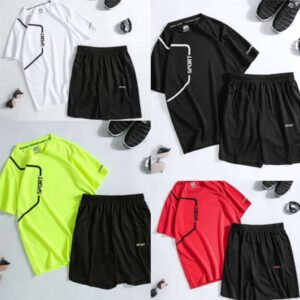
Matching sets can simplify outfit selection and create a coordinated appearance. However, buying a complete set is not always the most economical or practical option if the top and bottom require different performance characteristics.
Gym clothing needs to accommodate varied movements. Strength training can involve squats, deadlifts, lunges, pressing movements, pulling exercises and machines, so garments should provide sufficient mobility without becoming distracting.
Running creates repetitive movement and prolonged exposure to sweat, so comfort becomes increasingly important over longer distances.
A suitable running outfit should minimise chafing, manage moisture and allow unrestricted movement. Shorts or leggings should remain stable, while tops should not accumulate excessive moisture or become heavy during the run.
For early-morning or evening outdoor running, reflective details can improve visibility, although they should be treated as an additional safety feature rather than a substitute for appropriate road awareness and lighting.
Yoga and Pilates require freedom of movement across a wide range of positions. Stretch, waistband stability and fabric opacity become more important than heavy insulation.
High-rise leggings can provide additional coverage during bending and inversion movements. Soft, flexible fabrics may be preferable to rigid performance materials. Avoid garments with bulky seams or hardware positioned where they could create pressure during floor-based exercises.
Walking does not necessarily require highly technical clothing. Comfort, breathability, appropriate fit and ease of care may matter more than advanced performance features.
For people who use sportswear for commuting, shopping and casual activities, versatile pieces such as lightweight T-shirts, joggers, polos, leggings and simple jackets can provide more value than specialised garments that are rarely used.
When comparing two apparently similar products, work through the specifications rather than relying on the product photograph.
Size labels are not standardised across all brands. A medium from one manufacturer can fit differently from a medium from another. This is especially important for leggings, sports bras, compression garments and fitted tops.
Use the manufacturer's current measurement chart whenever possible. Depending on the garment, relevant measurements may include chest or bust, waist, hips, inseam and underbust.
When reviews repeatedly mention that a particular garment runs small or large, treat that information as a useful signal but not as a universal rule. Body proportions differ, and reviewers may also have different fit preferences.
A stylish garment is not necessarily suitable for the intended activity. Performance requirements should be established before choosing colour or design.
Cotton can be comfortable, but it may become heavy when saturated with sweat. For intense training, running and hot outdoor exercise, consider moisture-management fabrics instead.
A waistband that rolls, digs in or repeatedly slips can make otherwise good sportswear frustrating to use. Pay attention to waistband width, elastic construction and drawcords.
Compression should match personal preference and intended use. Excessive tightness can make movement uncomfortable and is not automatically evidence of better quality.
Very light-coloured or thin garments may become more revealing when stretched or wet. This is particularly relevant for leggings and lightweight tops.
Performance fabrics can require specific washing practices. Repeated exposure to high heat, harsh detergents or fabric softeners may affect some technical fabrics over time.
Running, court sports, strength training and walking have different footwear requirements. A versatile shoe can be convenient, but it may not be the best choice for every activity.
Online shopping removes the opportunity to inspect the garment physically, so use every available source of information.
Different brands have different strengths, product ranges and pricing strategies. Instead of assuming one brand is best for every category, compare the specific garment.
A higher price does not automatically guarantee a better purchase. The value of premium sportswear depends on whether its additional features are relevant to your activity.
Premium garments may offer more refined construction, specialised fabrics, advanced ventilation, improved patterning or additional fit options. Budget products can still be perfectly adequate for walking, casual gym sessions and moderate exercise when the fit and fabric are appropriate.
For frequent athletes, durability and comfort can make a more expensive garment worthwhile if it is used regularly. For occasional exercise, a simpler garment may offer better value.
A practical wardrobe does not require dozens of specialised outfits. The right quantity depends on workout frequency, laundry habits and the types of activities you perform.
A basic activewear rotation could include several breathable tops, a small selection of suitable bottoms, appropriate sports bras where applicable, training or running socks, and footwear matched to the main activity. Add jackets, layers and specialised garments only where they solve a genuine need.
People who exercise frequently may benefit from additional rotation so that sweaty garments do not need to be washed and dried immediately before the next session.
Proper care can help activewear retain its fit and performance characteristics.
Start with the activities you perform most often rather than buying every trending category.
Some trends are valuable because they solve practical problems. Breathable panels can improve airflow, stretch fabrics can increase mobility, secure pockets can improve convenience, and lightweight layering can make clothing more adaptable.
Other trends are primarily aesthetic. Oversized silhouettes, coordinated colour palettes, retro-inspired designs and minimalist branding can change the appearance of sportswear without necessarily improving athletic performance.
A useful buying principle is to separate performance features from style features. If a feature improves comfort, movement, durability or convenience for your specific activity, it may justify consideration. If it only changes appearance, decide whether that aesthetic benefit is worth the additional cost.
Before buying any product from a 2026 sportswear shortlist, ask:
One of the strongest directions is the combination of performance functionality and everyday versatility. Consumers increasingly want breathable, comfortable and flexible garments that can work for exercise as well as casual activities.
There is no single best fabric for every person or activity. Lightweight polyester, nylon and blended technical fabrics can be useful for hot-weather training because they can offer moisture management and fast-drying characteristics. Cotton can remain comfortable for casual use and lower-intensity activity.
Yes. Polyester is widely used in gym clothing because it can be lightweight, durable and suitable for moisture-management constructions. The specific fabric construction and garment design still matter.
Cotton can be suitable for light exercise, walking and casual gym use. For high-intensity workouts or hot outdoor training, a moisture-managing technical fabric may be more comfortable because cotton can retain more moisture.
Choose according to activity intensity and required support. Consider band stability, strap construction, adjustability, coverage, breathability and comfort. Running and high-impact workouts generally require more support than walking or gentle stretching.
Prioritise fit, stretch recovery, waistband stability, opacity, seam placement and comfort. If performing squats or deep movements, make sure the material remains adequately opaque when stretched.
They can be, particularly for frequent use when improved construction, fabric performance or durability provides a meaningful benefit. However, price alone is not proof of quality. Compare specifications and fit against alternatives.
There is no universal replacement schedule. Replace a garment when its fabric, elastic, seams, waistband or structural support has deteriorated enough to affect comfort or function.
It should provide the movement and support required by the activity without creating uncomfortable restriction. Running and training garments may be closer fitting, while casual activewear can be more relaxed.
Matching sets are convenient and visually coordinated, but they are not automatically the best value. Compare the performance characteristics of the individual pieces and choose sets when both garments suit your needs.
Prioritise lightweight, breathable and moisture-managing garments. Loose or appropriately fitted construction can improve airflow, while quick-drying materials are useful when sweating heavily.
Layering is generally practical. Start with a breathable base layer and add a lightweight outer layer depending on temperature and wind. Remove or adjust layers as your body warms during the run.
Follow the garment's care label, avoid unnecessary high heat, wash sweaty clothing promptly, protect delicate fabrics from abrasive fasteners and store garments only after they are completely dry.
The best latest sportswear trend is ultimately the one that improves how you actually exercise and live. A technically advanced garment has little value if it does not fit properly, while an inexpensive item can be a smart purchase when its fabric, construction and intended use align with your needs.
For Indian shoppers, climate should remain a major consideration. Breathability, moisture management, drying speed and comfortable construction can be especially valuable in warm and humid conditions. At the same time, winter layers, monsoon-friendly materials and versatile athleisure pieces can make a sportswear wardrobe more practical throughout the year.
Before buying, compare the material, measurements, fit, support, construction, care requirements, current customer feedback and retailer policies. Check today's pricing rather than relying on an old price reference, and verify that the product is appropriate for the activity you actually perform.
Whether you are upgrading a gym wardrobe, preparing for running, looking for comfortable yoga clothing or simply following the latest athleisure trends, the strongest purchase is not necessarily the most expensive or fashionable one. It is the product that delivers the right combination of comfort, functionality, fit, durability and value for your individual requirements.