

♥ Wishlist
Compare 58 verified Shirts, Tops and Tees for Men and Women products in India. Reviews, ratings, pros, cons and buying advice updated for October 2026.


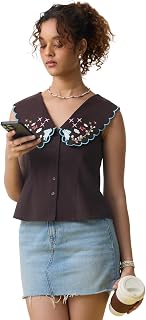


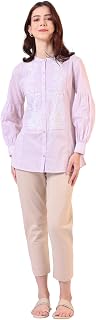


Fashion in India continues to move toward versatile clothing that works across everyday wear, workwear, college outfits, casual occasions and travel. In 2026, the strongest shirt, top and T-shirt choices are not defined by one single style. Instead, shoppers are seeing a broader mix of relaxed silhouettes, clean basics, textured fabrics, contemporary prints, oversized fits and easy-to-style wardrobe staples.
This buying guide is designed to help Indian shoppers compare the latest shirts, tops and tees more intelligently. Rather than choosing only by colour or appearance, consider fabric, fit, construction, climate suitability, comfort, care requirements, versatility and the type of occasions for which you intend to wear the garment.
Brands such as Levi's, Van Heusen, Allen Solly, Peter England, Louis Philippe, U.S. Polo Assn., Puma, Adidas, Roadster, Max and Bewakoof cover different parts of the Indian fashion market. However, brand recognition alone should not determine a purchase. The right garment depends on its specifications, fit, material, intended use and value for your budget.
The most useful way to understand 2026 fashion trends is to separate temporary styling details from practical wardrobe trends. A fashionable garment should still be comfortable, reasonably easy to maintain and appropriate for the Indian climate and your lifestyle.
Relaxed and oversized clothing remains an important casualwear direction. These silhouettes provide more room through the chest, shoulders and body and can create a contemporary streetwear-inspired appearance. They work particularly well with straight-fit jeans, relaxed trousers, cargo pants and casual shorts.
When buying an oversized T-shirt or shirt, do not simply select a larger conventional size. A deliberately oversized garment normally has its own pattern proportions, including shoulder width, sleeve length and body length. Going several sizes up can create an uneven fit rather than the intended silhouette.
Regular-fit shirts and T-shirts remain practical because they are easier to wear across different settings. A well-proportioned regular fit can work with denim, chinos, formal trousers or casual bottoms without looking excessively loose or restrictive.
This is particularly useful for shoppers building a compact wardrobe. Neutral regular-fit garments can be combined repeatedly with different trousers, footwear and layers.
Polo T-shirts occupy the space between casual T-shirts and traditional collared shirts. They are useful for smart-casual dressing, weekend outings, casual office environments and travel. Look for a collar that retains its shape, comfortable sleeve openings and a fabric weight appropriate for the weather.
Classic solid colours such as navy, white, black, grey, olive and muted blue generally provide greater outfit flexibility than highly distinctive patterns.
Texture is increasingly useful when shoppers want a simple garment to look more considered without relying on large graphics. Ribbed, waffle, knitted, pique and other textured constructions can add visual depth to an otherwise plain shirt or top.
Texture should be evaluated together with climate and fabric weight. A heavier textured garment may be comfortable during cooler weather but less suitable for hot and humid conditions.
Plain T-shirts continue to be wardrobe essentials because they can function as standalone garments or layering pieces. Minimalist designs are particularly useful when you want maximum combinations from a limited number of clothes.
Pay attention to neckline construction, fabric opacity, stitching and length. A basic T-shirt can look substantially better when the shoulder seams, sleeve proportions and hem sit correctly on the body.
Graphic T-shirts remain relevant for casual wardrobes, particularly among shoppers interested in streetwear, music-inspired aesthetics, pop-culture themes, typography or expressive artwork. The key consideration is whether the print complements the rest of your wardrobe.
Large graphics can become the dominant visual element of an outfit, while small chest prints and understated typography generally offer more styling flexibility.
Linen and linen-blend shirts are especially useful in warm Indian conditions because their relaxed appearance suits summer dressing. They are popular for vacations, resort-inspired outfits, casual gatherings and breathable everyday styling.
Pure linen naturally develops wrinkles, so shoppers who prefer a consistently crisp appearance may find a linen blend easier to manage. Always check the care instructions before buying because washing and ironing requirements can vary by fabric construction.
Open shirts and lightweight overshirts can be worn as outer layers over T-shirts or buttoned as standalone pieces. They add flexibility to casual wardrobes and are particularly useful during transitional weather or air-conditioned environments.
For layering, choose enough room around the chest and shoulders to accommodate the garment underneath. A very slim shirt may become uncomfortable when worn as an overshirt.
Camp-collar shirts provide a relaxed alternative to conventional pointed collars. They work well with shorts, relaxed trousers, jeans and casual footwear. Prints can range from subtle geometric designs to tropical or abstract patterns.
For greater versatility, consider smaller prints or solid colours rather than extremely bold patterns. A camp-collar shirt can then transition from holiday wear to regular summer outfits.
Women's fashion in 2026 includes a wide range of tops, including relaxed T-shirts, fitted basics, cropped silhouettes, oversized shirts, textured tops, polo-inspired designs, casual blouses and statement prints.
The best choice depends heavily on intended use. A work-friendly top requires different characteristics from a weekend or party garment. Consider neckline, sleeve design, length, opacity, stretch and ease of movement before selecting a style.
Instead of assuming that one garment is universally the best, compare products according to the role they will play in your wardrobe. The following ten categories cover many of the most useful options for Indian shoppers in 2026.
The best garment for an office is not necessarily the best garment for a weekend. Before comparing individual products, decide where you expect to wear the item most often.
Fabric affects comfort, appearance, durability, washing behaviour and seasonal suitability. Cotton remains one of the most practical choices for everyday Indian clothing, but not every cotton garment feels or performs identically.
Different cotton constructions can have different weights, textures and levels of softness. Combed cotton, jersey, pique, poplin, twill and other constructions are not interchangeable. The product specification should therefore be considered alongside the fibre composition.
Polyester and polyester blends can offer useful properties such as durability, shape retention and quick drying, although comfort depends on the particular fabric and weather conditions. Blended fabrics can combine characteristics from multiple fibres and may be useful for shoppers seeking easier maintenance.
Fit is one of the most important factors in clothing because even a high-quality garment can look uncomfortable if its proportions are wrong. Check shoulder placement, chest room, sleeve length, body length and the shape of the hem.
For shirts, the shoulder seam should generally sit appropriately relative to the shoulder rather than extending far down the upper arm unless the garment is intentionally designed as oversized. For T-shirts, examine the neckline, sleeve length and overall body proportion.
Clothing sizes are not perfectly standardised between brands or even between different product lines from the same brand. A medium in one garment can fit differently from a medium in another.
Compare your own measurements with the product's published size chart whenever one is available. Pay particular attention to chest or bust measurement, shoulder width, garment length and waist measurements where relevant.
Fabric weight can strongly influence comfort in India. Lightweight materials can be preferable for hot weather, while medium-weight fabrics may offer a more substantial appearance and greater suitability for layering.
Do not automatically assume that heavier fabric means better quality. A heavy T-shirt may be desirable for structure and durability but unnecessarily warm for summer. Quality should be assessed according to the intended use.
Cotton is a popular choice for shirts and T-shirts because it is comfortable and versatile. It is particularly useful for everyday wear, although performance varies with weave, knit, finishing and fabric weight.
Combed cotton is processed to remove shorter fibres and can provide a smoother feel. It is commonly used in T-shirts and casual clothing where softness and a cleaner surface are desirable.
Organic cotton refers to cotton produced under specific agricultural standards. When considering such products, shoppers should distinguish between marketing language and independently stated certification information. Do not assume that the word organic by itself establishes a particular certification.
Polyester is valued for durability, shape retention and relatively easy care. It is frequently used in sportswear and performance-oriented clothing. Comfort in warm conditions depends on fabric construction, ventilation and garment design.
Blended fabrics can balance characteristics such as softness, durability, drying performance and shape retention. They can be practical for people who want everyday clothing that is relatively easy to maintain.
Linen is lightweight and well suited to relaxed warm-weather clothing. Its natural tendency to crease is part of its appearance, so shoppers should choose it when they are comfortable with a less structured finish.
Viscose and related regenerated fibres can provide a soft drape and flowing appearance. They are commonly used in women's tops, casual shirts and fashion-oriented garments. Care instructions deserve particular attention because some constructions can be more sensitive to washing and handling.
A collar should suit the purpose of the shirt. Formal shirts typically benefit from a structured collar, while casual shirts can use softer construction. Camp collars are intentionally relaxed and should not be judged by the standards of a formal shirt.
Inspect button placement and attachment where product photographs provide sufficient detail. Buttons should appear properly aligned and securely attached. For shirts intended for frequent use, reinforcement around high-stress areas can be a useful construction consideration.
Clean stitching is an important visual indicator when evaluating garment construction. Look for reasonably even seams, neat finishing and the absence of obvious loose threads. A product image cannot reveal every construction detail, so specifications and customer photographs can provide additional information.
The hem should match the garment's intended style. A casual T-shirt may have a straightforward single hem, while other garments can use more structured finishing. Sleeve openings should provide sufficient movement without becoming unnecessarily loose.
Casual shirts offer more flexibility than formal shirts, but that does not mean every casual shirt is interchangeable. Compare collar shape, sleeve style, fabric, pattern scale, fit and intended season.
A solid Oxford-style shirt can work with jeans or chinos and may provide more versatility than a highly patterned shirt. A printed resort shirt, on the other hand, can create a stronger holiday or weekend look but may have fewer outfit combinations.
For regular use, consider how easily the shirt coordinates with trousers you already own. Neutral shades, understated checks and subtle textures generally offer more combinations than very specific statement prints.
When choosing officewear in India, also consider workplace expectations. A garment can be technically well made but inappropriate for a particular professional environment if its print, colour or silhouette is too casual.
Neckline design changes both appearance and comfort. Crew neck, V-neck, square neck, boat neck, polo-inspired and other designs create different visual proportions. Select according to personal preference and the intended occasion rather than trend popularity alone.
Top length matters when styling with jeans, trousers, skirts or shorts. Cropped tops require different proportions from longline or tunic-inspired designs. Check the garment measurements rather than relying only on model photographs.
For light-coloured or lightweight tops, opacity is an important buying consideration. Product photographs may not always make fabric thickness obvious, so customer images and product descriptions can be helpful when available.
Stretch can improve comfort and mobility, particularly in fitted tops. However, excessive stretch is not automatically better. Consider how much movement the garment requires and whether the fabric is intended to retain its shape.
Colour choice should reflect the rest of your wardrobe. If you frequently wear blue jeans, black trousers and neutral chinos, shirts and T-shirts in white, black, navy, grey, beige, olive and muted earth tones can create numerous combinations.
India has substantial regional variation, so the ideal garment differs between cities and seasons. A shopper in a hot region may prioritise lightweight breathable fabrics, whereas someone in a cooler climate may place greater emphasis on medium-weight layers.
For hot summer conditions, consider lightweight cotton, linen and appropriate blends. For monsoon conditions, drying time and care requirements become more important. During cooler months, shirts and T-shirts can be selected as layering pieces under sweatshirts, jackets or overshirts.
Indoor environments also matter. If you spend significant time in air-conditioned offices, a slightly more substantial shirt may be comfortable even when outdoor temperatures are high.
Trends change quickly. A garment is a better purchase when it fits your lifestyle and can be worn repeatedly rather than when it simply matches a temporary social-media trend.
Choosing your usual size without checking measurements can result in poor fit. Always examine the brand or seller's size information when it is available.
Terms such as cotton, premium cotton, stretch and soft fabric do not provide the complete picture. Construction, weight, fibre blend and finishing also influence how a garment feels and performs.
A lower purchase price does not necessarily mean better value. Consider expected frequency of wear, construction, fabric, versatility and care requirements when comparing garments.
A garment requiring special washing or ironing may not be practical for someone seeking low-maintenance daily wear. Check care instructions before purchasing.
Statement shirts and graphic T-shirts can be excellent choices, but they may combine with fewer pieces. If wardrobe versatility is the priority, balance statement pieces with neutral basics.
Well-known brands can offer reliable sizing systems and broad product ranges, but fit still varies between collections and styles. Compare the actual garment measurements whenever possible.
Indian shoppers can compare a broad range of established and widely recognised fashion brands. Levi's is strongly associated with denim and casualwear, while Van Heusen, Allen Solly, Peter England and Louis Philippe offer options spanning formal and smart-casual clothing. U.S. Polo Assn. is relevant for classic casual and polo-inspired styles, while Puma and Adidas are useful comparisons when the requirement leans toward sportswear or athletic-inspired casual clothing. Roadster, Max and Bewakoof provide additional options across contemporary casualwear and everyday T-shirts.
These brands should be treated as comparison points rather than automatic recommendations. Product-level specifications, current customer feedback, fit, fabric and intended use should determine the final choice.
Customer reviews can provide useful information that product descriptions cannot fully communicate, particularly regarding fit, fabric feel, colour accuracy and washing behaviour. However, individual experiences can differ.
The cheapest shirt or T-shirt is not automatically the best value, and a higher-priced garment is not automatically superior. Value comes from the combination of useful attributes relative to the purchase cost.
For an everyday T-shirt, repeated wear, comfortable fabric, good fit and easy maintenance can matter more than decorative details. For an office shirt, collar construction, appearance after washing, fabric behaviour and versatility may be more important. For a fashion-focused top, design and silhouette may reasonably receive greater weight.
A balanced wardrobe does not require dozens of garments. Start with versatile basics and then add specialised pieces according to your lifestyle.
Keep the rest of the outfit relatively clean so the relaxed silhouette remains the primary feature. Minimal sneakers and restrained accessories can maintain a balanced casual appearance.
A polo with chinos is a straightforward smart-casual combination. Neutral trousers allow the polo colour to provide the main visual contrast without creating an overly formal outfit.
For summer dressing, an open linen or linen-blend shirt over a simple T-shirt can create an easy layered outfit. Lightweight trousers and casual footwear complement the relaxed construction.
When the T-shirt includes a large graphic, keep other elements comparatively simple. This prevents several competing visual elements from dominating the outfit.
A solid or subtle-pattern shirt can be paired with denim for a dependable everyday outfit. The shirt can be worn buttoned or open over a plain T-shirt depending on the desired level of casual styling.
Age alone should not determine clothing choices, but lifestyle and comfort requirements can influence the most practical options. Students may prefer graphic T-shirts, oversized silhouettes and casual shirts, while professionals may require a larger proportion of formal and smart-casual pieces.
For mature wardrobes, comfort-fit shirts, high-quality basics, polos and understated colours can provide versatility without requiring a conservative style. The important factor is proportion, comfort and suitability for the occasion rather than following a rigid age-based fashion rule.
The garment care label is the most reliable starting point for washing and maintenance. Different fabrics and finishes can require different temperatures, detergents and drying methods.
Separating colours can reduce the risk of unwanted dye transfer. New dark or strongly coloured garments may require additional caution during their first washes.
High heat can affect some fabrics, prints, elastane-containing garments and finishes. Follow the manufacturer's recommended washing and drying instructions rather than assuming that every T-shirt can tolerate the same treatment.
Turning graphic garments inside out before washing can help reduce direct friction against the printed surface. The appropriate care method still depends on the garment's instructions.
Fold casual T-shirts where practical. Structured shirts can be hung using suitable hangers that support the shoulders. Avoid overcrowding the wardrobe because excessive compression can contribute to wrinkles and make garments harder to maintain.
Online fashion shopping can make it difficult to judge texture, thickness and fit from photographs alone. A more systematic comparison reduces the chance of buying based only on attractive imagery.
Long-term value comes from repeat usability. A garment that works with several pairs of trousers and remains comfortable after regular care can provide more practical value than a highly distinctive piece that is worn only occasionally.
Look for a combination of appropriate fabric, dependable construction, comfortable fit, versatile colour and reasonable care requirements. For trend-led pieces, consider whether the silhouette can remain useful after the current trend becomes less prominent.
There is no single best option for every shopper. The right choice depends on your budget, preferred fit, climate, fabric preference, occasion and wardrobe. A versatile cotton T-shirt may be ideal for everyday use, while a linen shirt may be more appropriate for summer and a structured shirt may be better for professional wear.
Cotton is a practical choice for many everyday situations, but the best fabric depends on climate, activity and personal preference. Cotton blends and performance-oriented fabrics can also be useful when durability, drying speed or sportswear performance is important.
Relaxed and oversized silhouettes remain an important part of contemporary casualwear in 2026. The most important consideration is proportion. Choose an intentionally designed oversized garment rather than simply purchasing several sizes larger than your normal fit.
That depends on the workplace dress code. In relaxed or smart-casual workplaces, a clean polo can be appropriate. Traditional formal workplaces may require a conventional collared shirt instead.
Linen is well suited to warm-weather clothing because of its lightweight, breathable character. Its natural tendency to wrinkle should be considered before purchasing, particularly if you prefer a crisp appearance.
Choose slim fits if you prefer a closer silhouette, regular fits for balanced everyday proportions and oversized fits for a deliberately relaxed contemporary appearance. Your body proportions and comfort should guide the final choice.
There is no universal number. A practical starting point is enough neutral T-shirts to cover your normal weekly routine, followed by additional colours, graphics or specialised styles based on how frequently you do laundry and how varied your outfits need to be.
White, black, grey, navy, beige and other neutral or muted colours generally offer strong versatility. The ideal selection should also complement the trousers, jeans and footwear already in your wardrobe.
Brand reputation can be one consideration, but it should not replace product-level comparison. Check fabric composition, measurements, construction, customer feedback, care instructions and current price before making a decision.
Measure a garment that already fits you well and compare those measurements with the product's size chart. Also consider whether the garment is designed to be slim, regular, relaxed, oversized or cropped.
No. Price can reflect brand positioning, fabric, design, construction and other factors, but a higher price does not automatically guarantee better fit or durability. Compare the actual specifications and value of competing products.
There is no need to replace a wardrobe simply because a new trend appears. A more practical approach is to maintain dependable basics and add selected trend-led pieces that genuinely suit your style and can be worn repeatedly.
The strongest approach to buying shirts, tops and T-shirts in India is to combine trend awareness with practical evaluation. Fashion trends can help you discover new silhouettes and styling ideas, but fabric, fit, construction, comfort, climate suitability and versatility should ultimately determine what you buy.
Before making a purchase, compare the product specifications, size information, customer feedback, care requirements and current price. Consider how often you are likely to wear the garment and how many existing outfits it can complement. This approach makes it easier to distinguish between a short-lived fashion purchase and a genuinely useful addition to your wardrobe.
For August 2026, relaxed silhouettes, versatile basics, polos, lightweight summer fabrics, contemporary casual shirts, graphic T-shirts and practical layering pieces provide plenty of options across men's and women's wardrobes. The best choice is ultimately the one that matches your personal style, climate, budget and everyday requirements rather than simply following the most visible trend.