

♥ Wishlist
Compare 60 verified Track Pants for Men & Women products in India. Reviews, ratings, pros, cons and buying advice updated for October 2026.


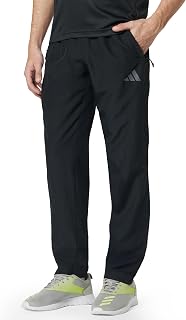


Track pants have moved well beyond basic gym and lounging wear. In 2026, the category includes performance joggers, relaxed streetwear silhouettes, tapered training pants, lightweight running bottoms, cargo-inspired designs and everyday athleisure styles. The right pair depends less on a single “best” design and more on how you intend to wear it, the climate you live in, the fabric construction, fit, waistband design and the amount of movement required.
For shoppers in India, those factors become particularly important because track pants may need to work across hot and humid weather, cooler mornings, indoor workouts, travel, casual outings and seasonal layering. A pair that feels comfortable in an air-conditioned gym may not be equally practical for outdoor walking in peak summer, while a heavily insulated design can be unnecessary for much of the year.
The strongest track-pant trends are increasingly divided between performance-focused clothing and lifestyle-focused athleisure. Instead of choosing purely on appearance, compare the intended use with the garment's construction.
The best track pants are the ones whose specifications match your actual routine. Before comparing individual products, establish where and when you are most likely to wear them.
Training, running, walking, travel and casual wear place different demands on a garment. Running-oriented track pants generally benefit from lightweight construction, secure pockets and a fit that does not interfere with stride. Gym users may prefer stretch, a flexible waistband and enough room around the hips and thighs for resistance exercises.
For casual use, appearance and versatility become more important. A clean tapered pair can transition from errands to informal social settings, whereas heavily technical running pants may look more purpose-built.
Climate should influence fabric weight and construction. In hot regions, lightweight and breathable materials are generally more practical than thick fleece. If you frequently exercise outdoors, look for designs that avoid unnecessary layers and excessive insulation.
For winter use in northern parts of India, thicker track pants or brushed interiors can provide additional warmth. However, shoppers should distinguish between genuinely warm constructions and ordinary polyester trousers marketed as winter wear.
Fabric composition affects comfort, stretch, drying behaviour, durability and overall feel.
Size labels are not completely consistent between brands. A medium from one manufacturer may fit differently from a medium from another. Check the garment's size chart, waist measurements and stated fit before purchasing.
A good fit should allow normal movement without excessive pulling around the hips or crotch. At the same time, the waistband should not require constant adjustment. For tapered styles, check that the lower leg remains comfortable when sitting, squatting and walking.
Slim track pants sit relatively close to the body throughout the leg. They can create a polished appearance and work well for casual athleisure, but they should not feel restrictive during movement.
Tapered track pants provide more room around the upper leg while narrowing toward the ankle. This is one of the most versatile shapes because it combines athletic styling with a relatively neat silhouette.
Regular-fit track pants provide moderate room throughout the leg. They are a practical choice when comfort and unrestricted movement matter more than a close-fitting appearance.
Relaxed track pants provide additional space and are increasingly associated with casual and streetwear styling. They can be particularly comfortable for travel and everyday wear.
The waistband is one of the first areas to evaluate because an uncomfortable waistband can make otherwise good track pants frustrating to wear.
Pocket design is especially important for people who use track pants while commuting, walking or travelling. Look beyond the number of pockets and consider their placement and closure.
For workouts and outdoor activities, fabric that manages perspiration effectively can improve comfort. Product descriptions may use terms such as moisture-wicking or quick-drying, but shoppers should still examine the actual fibre composition and construction rather than assuming every garment with performance terminology performs identically.
Stretch is valuable when the wearer frequently bends, squats, lunges or runs. However, maximum stretch is not automatically better. Excessively soft or highly elastic fabric may provide a different level of support and structure than a firmer woven performance fabric.
Breathability is particularly relevant for India's warmer months. Lightweight fabric and ventilated panels can help, but breathability depends on the complete garment rather than a single material specification.
Examine descriptions and product photographs for reinforced seams, gussets and articulated panels where applicable. These details can improve freedom of movement and may reduce stress on high-movement areas.
Elasticated cuffs help maintain a tapered appearance and keep fabric away from footwear. Open hems offer a looser, more relaxed feel. The better choice depends on whether you prioritise athletic functionality or casual styling.
The terms track pants and joggers are frequently used interchangeably, but they can describe somewhat different design priorities. Traditional track pants often refer to sports-oriented trousers, sometimes featuring smooth synthetic fabric, athletic paneling or a looser silhouette. Joggers are generally associated with a tapered leg and cuffed ankle, although the categories overlap considerably.
When shopping, the name should not be the deciding factor. Examine the fit, fabric, waistband, pockets, cuffs and intended use. A product labelled as joggers may be perfectly suitable for training, while a track pant may be designed primarily for casual wear.
Sweatpants typically emphasise softness and warmth, often using cotton-rich or fleece constructions. Track pants more commonly use lightweight synthetic or blended fabrics and may prioritise movement and moisture management.
For India's warmer climate, lightweight track pants can be more versatile than thick sweatpants. For winter lounging or cold-weather travel, fleece sweatpants may be preferable.
Brand recognition can be a useful starting point, but specifications should determine the final decision. Established sportswear names such as Adidas, Nike, Puma, Reebok, Under Armour and ASICS offer different approaches to fit and performance. Indian shoppers may also encounter a wide range of options from fashion, value and sportswear brands.
Compare products using the same criteria rather than choosing solely on logo recognition.
Customer reviews can reveal practical issues that are difficult to identify from product photographs, but they should be interpreted carefully. Instead of focusing only on the overall star rating, look for recurring comments about sizing, fabric thickness, colour accuracy, waistband comfort, stitching, shrinkage and durability.
Reviews are more useful when several customers independently mention the same characteristic. A single comment about sizing may reflect individual preference, whereas repeated comments about a garment running small can justify checking the size chart more carefully.
Also separate product-specific feedback from retailer-related complaints. Shipping or packaging problems may not tell you much about the actual construction of the track pants.
A stylish pair may look excellent in product photographs but feel uncomfortable during movement. Evaluate construction and intended use before prioritising colour or branding.
Buying your usual size without checking measurements is one of the easiest ways to end up with an unsuitable fit. Size charts should take priority over assumptions based on previous purchases.
Heavy fabric may feel comfortable indoors but can become unpleasant during outdoor activity in warm conditions. Consider lightweight alternatives when ventilation is important.
Extra pockets, panels, zippers and branding do not automatically indicate better construction. Features should solve an actual need rather than simply increase visual complexity.
For commuting or travel, an open pocket may not be adequate for keys, cards or a smartphone. Consider zippered or otherwise secure storage when necessary.
Performance fabrics can benefit from appropriate washing and drying practices. Always follow the manufacturer's care label rather than applying a generic assumption about synthetic or cotton garments.
When product photographs are available, zoom in on construction details rather than looking only at the model's overall outfit.
Gym track pants should provide enough mobility without creating excessive fabric around the legs. Tapered or regular athletic fits can work well depending on personal preference.
For strength training, pay particular attention to stretch and the fit around the hips and thighs. For treadmill or cardio sessions, lightweight fabric and secure pockets can be more valuable. If you alternate between strength and cardio, a versatile stretch-blend pair may offer a better compromise than highly specialised running trousers.
Running places repetitive demands on the garment, making weight, movement and pocket security important. Avoid unnecessarily loose legs if they interfere with your stride or footwear. A secure pocket is useful for a key or small phone, particularly when you do not want to carry a separate bag.
For walking, especially casual walking, comfort can take priority over technical performance. A soft, breathable and moderately loose pair may be preferable to a highly fitted running design.
Travel is one of the situations where versatility matters most. A good travel pair should be comfortable for prolonged sitting, easy to combine with multiple tops and sufficiently durable for repeated wear.
Neutral colours such as black, charcoal, navy and grey are generally easier to coordinate with different casual outfits. If carrying essentials in the garment is important, prioritise secure pockets over decorative details.
Black remains a practical choice because it pairs easily with most casual tops and footwear. Charcoal and dark grey provide similar versatility while creating a slightly softer appearance. Navy works well with white, grey and lighter blue tops.
Brighter colours, contrast panels and large logos can make an outfit more distinctive but may reduce versatility. Choose them when you already have basic neutral pairs and want a more expressive wardrobe.
There is no universally correct fit for every body shape. The goal is balanced comfort and movement rather than following a fixed rule.
Proper care can help preserve the fabric, elastic and overall appearance of track pants. Always prioritise the garment's own care label because different materials and finishes have different requirements.
Durability depends on fabric quality, construction, frequency of use, washing practices and the intensity of activity. A pair worn occasionally for travel may experience far less stress than one used several times a week for gym training.
High-stress areas include the waistband, crotch, inner thighs, pocket openings and ankle cuffs. If customer feedback repeatedly identifies problems in one of these areas, that pattern deserves more attention than isolated comments about colour preference.
There is no single price point that guarantees quality. Instead of setting a budget and buying the most expensive option within it, compare what the additional cost actually provides.
For occasional casual wear, paying extra for highly technical performance features may offer little practical benefit. Conversely, someone who trains frequently may find fabric performance, fit and construction more important than saving a small amount initially.
Rather than selecting the first highly rated item you see, create a shortlist of three to five products and compare them against the same requirements.
Use this checklist when comparing the latest track pants available in India:
Lightweight track pants are particularly suitable for people who live in warmer climates, exercise outdoors, travel frequently or prefer minimal clothing weight. They can also work well as transitional pieces between seasons.
Heavier constructions make more sense for colder conditions, winter morning workouts and people who prioritise warmth. They are less suitable when maximum ventilation is required.
No. Higher-priced track pants may provide better fabrics, construction, brand-specific technologies or finishing, but those advantages only matter if they address your requirements. A reasonably priced pair with the correct fit and fabric can be a better purchase than a premium model with features you will never use.
Established brands can make comparison easier because their product descriptions, sizing systems and design categories may be more clearly defined. Names such as Adidas, Nike, Puma, Reebok and Under Armour cover a wide range of designs, so brand alone should not determine the purchase.
Compare the exact model's specifications and customer feedback rather than assuming every product from a recognised brand has identical quality or performance.
Online shopping makes it easy to compare a large selection, but product pages should be read carefully.
For daily wear, prioritise a comfortable waistband, breathable or seasonally appropriate fabric, practical pockets and a versatile colour. A regular or tapered fit is often easier to style across different casual situations.
Lightweight polyester blends and other breathable performance fabrics can be practical for summer activity. Cotton can also feel comfortable for casual wear, although moisture-handling characteristics vary by fabric construction.
They can be comfortable for lower-intensity workouts, but cotton may retain perspiration more readily than some synthetic performance fabrics. For high-sweat activities, compare moisture management and drying characteristics as well as comfort.
Neither is universally better. The fit should provide sufficient movement without excessive fabric interfering with your activity. Tapered and regular fits offer useful middle-ground options.
The terms overlap, but joggers are commonly associated with tapered legs and cuffed ankles, while track pants can cover a wider range of sports-oriented designs. Product construction is more useful for comparison than the label alone.
Black, charcoal, grey and navy are among the easiest colours to combine with everyday tops and footwear.
Tapered designs can be practical because they reduce excess fabric around the lower leg, but the upper leg and hip area still needs enough room for movement. The ideal fit depends on the exercise and personal preference.
Prioritise lightweight construction, freedom of movement, comfortable waist adjustment and secure storage. Avoid a fit that restricts stride or creates unnecessary fabric around the ankles.
The waistband should remain secure during normal movement without requiring excessive tightening. A drawcord can provide useful adjustment, especially when the garment is worn during exercise.
That depends on how frequently you wear them. A small wardrobe might include one versatile everyday pair and one performance-oriented pair, while frequent exercisers may benefit from several options that can rotate between washes.
Shrinkage depends on fibre composition, construction and washing or drying conditions. Check the care instructions and product composition before purchase rather than assuming every pair will behave the same way.
Measure yourself according to the brand's instructions and compare those measurements with the product-specific size chart. Also consider recurring customer feedback about whether the item tends to fit larger or smaller than expected.
The strongest track-pants purchase is not necessarily the most fashionable, most expensive or highest-rated option. It is the product that combines the right fit, fabric, construction and features for the way you actually intend to use it.
For hot-weather use in India, start with lightweight and breathable options. For gym training, focus on mobility, waistband comfort and appropriate stretch. For running, consider weight, movement and secure storage. For travel and everyday wear, versatility, comfort and easy maintenance can matter more than highly specialised technical features. For winter, look at heavier or fleece-backed constructions when additional warmth is genuinely needed.
Before purchasing, compare the exact specifications, size chart, customer feedback, current price and retailer policies. Brands such as Adidas, Nike, Puma, Reebok, Under Armour and ASICS can be useful benchmarks, but the best choice should ultimately be based on the individual product rather than the logo.
Which is the best option in India? The right choice depends on your budget, intended use, preferred fit, climate and required features.
Are these recommendations updated? This buying guidance is structured for the 2026 shopping season and should be checked against current product specifications, customer feedback, prices and retailer policies before purchase.
What should your shortlist prioritise? Choose gym performance, everyday comfort, or travel and athleisure.