

♥ Wishlist
Compare 55 verified T Shirts Polos for Stylish Everyday Wear products in India. Reviews, ratings, pros, cons and buying advice updated for October 2026.


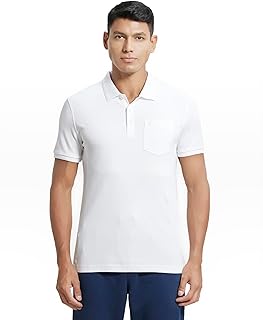

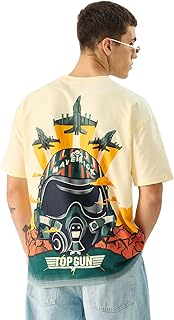


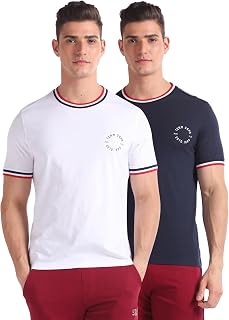


Choosing a T-shirt or polo shirt in 2026 is about more than selecting a colour or following the latest fashion trend. The right option should suit India's climate, your daily routine, preferred fit, fabric expectations, washing habits and budget. A T-shirt that works well for commuting in hot weather may not be the best choice for travel, workouts, casual office wear or evening outings.
This guide is designed to make comparison easier by looking beyond appearance. When evaluating the latest T-shirts and polos, consider fabric composition, weave or knit structure, GSM where provided, fit, collar construction, stitching, colourfastness, shrinkage expectations, breathability, moisture management, versatility and care requirements. Brand reputation can also help when specifications are unclear, with established names such as Levi's, Adidas, Puma, Nike, U.S. Polo Assn., Van Heusen, Allen Solly, Louis Philippe, Jack & Jones, Peter England and Roadster offering different approaches to casual and smart-casual clothing.
Because product ranges, colours, sizes, ratings and prices can change, shoppers should verify the current product specifications and recent customer feedback before purchasing. The objective is not simply to find a fashionable T-shirt or polo, but to identify the option that provides the best balance of comfort, construction, appearance and intended use.
Current casualwear is increasingly divided between relaxed everyday silhouettes, refined smart-casual polos, performance-inspired basics and fashion-led statement pieces. This gives Indian shoppers more choice, but it also makes product comparison more important.
The distinction is primarily about structure, styling and intended formality. A conventional T-shirt normally has a simpler neckline and a more relaxed visual character. A polo has a collar and typically a short button placket, giving it a more structured appearance.
Fabric selection is one of the most important buying decisions because it influences softness, breathability, durability, appearance, drying time and care requirements. Fabric labels should therefore be examined before relying on photographs alone.
Cotton remains one of the most practical choices for everyday casualwear. It generally offers a familiar hand feel and can be comfortable in warm conditions. However, cotton garments can differ considerably in thickness, finishing, fibre quality and construction.
When comparing two cotton T-shirts, do not assume that identical fibre percentages mean identical performance. Yarn quality, fabric construction, finishing and garment manufacturing can produce noticeably different results.
Combed cotton is processed to remove shorter fibres and impurities before spinning. The resulting yarn can contribute to a smoother-feeling fabric. It is commonly used in garments positioned as softer or more refined basics.
Organic cotton refers to cotton produced under applicable organic agricultural standards. It should not automatically be interpreted as softer, stronger or more durable than conventional cotton. When considering an organic cotton garment, examine the complete specification and relevant certification information rather than treating the material label alone as a quality guarantee.
Polyester is frequently used in sports and performance clothing because it can be lightweight, durable and quick drying. Polyester-rich fabrics may be useful for exercise and travel, particularly when rapid drying is more important than the natural feel of cotton.
Blended fabrics can balance characteristics from different fibres. Depending on the proportions and construction, a blend may provide a combination of comfort, durability, shape retention and easier drying. Always check the exact fibre composition instead of assuming that every cotton-polyester blend performs identically.
Viscose and modal can contribute to a soft, smooth drape and are often used in fashion-oriented casualwear. These materials can feel different from conventional cotton and may require more careful washing depending on the garment construction.
Small quantities of elastane can improve stretch and recovery. This can be useful in fitted T-shirts and polos, especially when ease of movement is important. Excessive stretching, high heat and unsuitable washing conditions can affect stretch components over time.
GSM stands for grams per square metre and is a measure of fabric weight. It can be useful when comparing T-shirts, but it should never be treated as a direct measurement of quality.
A higher GSM does not automatically mean a better garment. A lightweight, well-constructed T-shirt may be more suitable for summer than a heavier garment. Consider fabric weight together with fibre type, knitting quality, fit and intended use.
Two garments can look almost identical in product photography while differing significantly in construction. Inspecting available specifications and detailed product photographs can reveal useful information.
A T-shirt neckline should sit comfortably without feeling excessively tight. Ribbed neckbands are common because they provide structure and recovery. A polo should have a collar that lies relatively flat and maintains its intended shape.
Shoulder seams influence both appearance and durability. Clean stitching and consistent seam construction are desirable. Some relaxed or oversized styles intentionally move the shoulder seam lower on the arm, so seam placement should be judged according to the intended fit rather than treated as universally good or bad.
Side seams should appear reasonably straight and consistent. Twisting after washing can sometimes indicate construction or fabric-related issues, although actual performance depends on the garment and care conditions.
A clean, even hem contributes to appearance and longevity. Check whether the hem matches the design of the garment and whether stitching looks consistent in product images.
Visible stitching should generally appear even and secure. Loose threads are not automatically evidence of poor quality, but repeated irregularities, poorly finished seams or visibly weak construction should prompt closer comparison.
Fit should be selected according to body proportions and intended styling rather than relying only on the size label. Size names such as S, M, L, XL and XXL are not completely standardised across brands.
Before ordering online, compare the brand's garment measurements with a T-shirt you already own. Chest width, shoulder width and body length are particularly useful measurements. If the seller provides a size chart, use the actual measurements rather than assuming that your normal size will fit identically across brands.
A polo generally looks best when the shoulders align naturally and the body provides enough room for movement without appearing excessively loose. The sleeve should sit comfortably around the upper arm, while the collar should retain its intended shape.
India's varied climate means the ideal T-shirt or polo differs by region and season. Hot and humid conditions increase the importance of airflow and moisture management, while cooler northern winters allow heavier fabrics and layering.
For daily wear, prioritise comfort, reliable construction and easy colour coordination. Solid black, white, navy, grey and muted shades can form a versatile foundation, while seasonal colours can add variety.
Workout T-shirts should be evaluated primarily for movement, moisture management and drying performance. Polyester or performance blends may be more convenient than heavyweight cotton during intense exercise.
Travel-friendly T-shirts benefit from versatility and easy care. If frequent washing is expected, consider fabrics that dry relatively quickly and colours that can be combined with multiple outfits.
Oversized designs should be assessed using actual garment measurements. The width, shoulder drop and length work together to create the silhouette. Simply buying a larger size of a regular-fit T-shirt does not necessarily create the same appearance as a purpose-designed oversized garment.
When buying printed T-shirts, inspect the design quality and placement. Consider whether the print covers a large portion of the garment, whether the design suits your existing wardrobe and whether care instructions place restrictions on washing or ironing.
A plain T-shirt can appear considerably more refined when the fabric has good structure, the neckline is clean, the seams are consistent and the fit is appropriate. Minimal branding can also make a garment easier to use across different outfits.
Casual polos are useful with jeans, chinos, shorts and casual trousers. They can offer a more structured alternative to a T-shirt without becoming as formal as a button-down shirt.
For smart-casual settings, look for a clean collar, restrained branding, consistent fabric texture and a well-proportioned fit. Brands such as U.S. Polo Assn., Van Heusen, Allen Solly and Louis Philippe offer different interpretations of polo styling across their ranges.
Sports polos may use performance fabrics and construction details designed for movement and moisture management. They should be compared differently from lifestyle polos because technical performance can be more important than fabric softness or traditional appearance.
Knitted polos can have a richer texture and a more elevated appearance. They are often better suited to occasions where the goal is sophisticated casualwear rather than maximum athletic performance.
Colour should be selected according to the rest of your wardrobe. Versatility is usually highest when a T-shirt can work with several pairs of trousers and footwear.
The collar is one of the defining features of a polo and deserves more attention than it often receives. A collar that sits unevenly can make an otherwise attractive garment look untidy.
Online clothing purchases are easier when you compare garment measurements rather than relying exclusively on traditional size labels. A practical method is to lay a well-fitting T-shirt or polo flat and measure it.
A systematic comparison can prevent a low price or attractive photograph from becoming the main deciding factor. Use a checklist that matches the garment to your actual needs.
Customer reviews are most useful when interpreted systematically. A high average rating alone does not guarantee that a T-shirt or polo will suit every shopper.
Product photography cannot replace physical inspection, but it can provide useful clues. Zoom into seams, neckline construction, print edges and fabric texture whenever high-resolution images are available.
Durability depends on fibre, yarn, fabric construction, stitching, finishing and care. No single material label guarantees long service life.
For everyday garments, reinforced or well-finished seams, a stable neckline, consistent fabric construction and appropriate care are useful indicators. T-shirts that are repeatedly exposed to high heat, aggressive washing or rough drying may deteriorate faster regardless of their initial quality.
Always follow the garment's care label because treatment varies by fabric and manufacturer. In general, excessive heat can increase the risk of shrinkage or shape changes in some garments.
Black garments can show fading more visibly than some lighter colours. Correct care can help maintain their appearance.
White T-shirts are highly versatile but can reveal stains, discolouration and fabric wear more easily. Promptly treating stains according to the garment's care instructions is preferable to allowing them to become deeply set.
Avoid applying aggressive treatments without checking fabric compatibility. Some fibres, prints and finishes can react differently to stain removers or bleaching products.
Polos require attention to both fabric and collar structure. Follow the manufacturer's care label, especially for knitted polos and garments containing stretch fibres.
Brand selection should be based on the specific garment rather than the name alone. Different brands can have different fits, fabrics and target audiences across their product ranges.
These brands should not be treated as automatic winners. Compare the exact product's material, size chart, construction, care requirements and current customer feedback before making a decision.
Whether a T-shirt is suitable for work depends on the workplace dress code. In relaxed offices, a clean solid T-shirt may work with chinos, trousers or a structured overshirt. In more formal environments, a polo or button-down shirt may be more appropriate.
For a professional appearance, prioritise restrained branding, clean construction, an appropriate fit and colours that coordinate with smart-casual trousers. Avoid heavily distressed designs, excessive graphics or visibly stretched collars when the goal is polished officewear.
A practical wardrobe does not require dozens of nearly identical garments. Start with versatile colours and then add designs that fill a genuine styling need.
The ideal number depends on how frequently you do laundry, how often you wear casual clothing and whether your wardrobe includes other tops. Someone who dresses casually every day will naturally need more rotation pieces than someone who frequently wears formal shirts.
Instead of buying a fixed number simply because it is recommended online, consider your weekly usage and washing frequency. Prioritise garments that can be worn with multiple trousers and shoes.
A higher price does not automatically guarantee superior quality, while an inexpensive T-shirt is not necessarily poor. The useful question is whether the garment's construction and characteristics justify its cost for your intended use.
Compare fabric, stitching, fit, finishing, durability expectations and versatility rather than using price as the sole indicator. A moderately priced basic that fits exceptionally well and works across many outfits can provide more practical value than an expensive fashion piece that is rarely worn.
There is no universal best T-shirt shape. The objective is to create balanced proportions while maintaining comfort.
If two garments both claim to use cotton and appear similar in photographs, compare the details that are easier to overlook.
For polos, collar and fit deserve additional weight in the comparison. Start with fabric composition, then examine collar structure, placket, buttons, sleeve finish and body length. A polo intended for casual wear does not necessarily need the same construction as one intended for a polished workplace outfit.
Oversized T-shirts remain relevant for shoppers who prefer relaxed silhouettes and contemporary streetwear. Their usefulness depends on styling and personal preference rather than a universal fashion rule.
When shopping for oversized clothing, compare shoulder width, chest width and body length separately. A good oversized design maintains intentional proportions, whereas simply purchasing a much larger regular-fit garment can create excessive length or poorly balanced sleeves.
Yes. Polo shirts remain a practical part of smart-casual dressing because they occupy a useful middle ground between T-shirts and formal shirts. Their continued appeal comes from versatility rather than a single short-lived trend.
Modern polo styling includes classic cotton designs, performance polos, textured knits, relaxed fits and minimalist versions. The best choice depends on whether the garment is intended for work, travel, social occasions, casual wear or sport.
During cooler months, fabric weight and layering become more important. A heavier cotton T-shirt can work as a standalone top in mild weather or as a base layer under a sweatshirt, jacket or sweater. Consider the complete layering system rather than selecting the thickest available T-shirt.
Travel clothing should be selected for practical performance rather than appearance alone. Consider drying time, versatility, wrinkle behaviour, weight and ease of washing. Neutral colours can also reduce the number of garments required because they work with more trousers and outer layers.
Gym T-shirts should allow unrestricted movement and handle perspiration appropriately. Performance fabrics can be useful for high-intensity exercise, while lightweight construction may improve comfort. Avoid selecting gym clothing solely because it resembles professional sportswear; examine the actual fabric and construction details.
A polo can be an effective choice when a T-shirt is too casual but a formal shirt is unnecessary. For a cleaner appearance, select a restrained colour, a well-proportioned collar and a fit that allows movement without excessive fabric. Pairing with chinos or tailored casual trousers can create a balanced smart-casual outfit.
A premium appearance is usually created by several details working together rather than one expensive material label. A clean neckline, stable fabric, appropriate weight, consistent stitching, balanced proportions and restrained branding can make a basic T-shirt look substantially more refined.
Fabric texture also influences appearance. Smooth fabrics can create a cleaner minimalist look, while textured or heavier fabrics can create a more substantial silhouette.
A polished polo typically benefits from a collar that retains its shape, clean placket construction, balanced proportions and a fabric appropriate to the occasion. Knitted or textured fabrics can create a richer appearance, while smooth performance fabrics are generally better suited to athletic or active use.
Fashion trends can be useful for discovering new silhouettes and colours, but a trend should still fit your lifestyle. Before buying a highly distinctive T-shirt, ask whether it works with at least several items already in your wardrobe.
For a more efficient wardrobe, use a combination of dependable basics and a smaller number of trend-led pieces. This approach provides variety without making the entire wardrobe dependent on short-term fashion cycles.
When sustainability matters, look beyond marketing language. Consider fibre composition, expected garment life, care requirements and how often the item is likely to be worn. A garment that remains useful and wearable for a long period can be more practical than a short-lived trend purchase.
Where sustainability claims or certifications are important to your purchase decision, verify the specific claim associated with the product rather than assuming that a general description applies to every item in a brand's collection.
There is no single best T-shirt for everyone. The right choice depends on climate, fit preference, fabric, intended use, budget and care requirements. For everyday use, prioritise comfortable construction and versatility; for sport, prioritise movement and moisture management.
Cotton is a practical choice for many everyday situations, while polyester and performance blends can be useful for exercise and fast-drying requirements. The best fabric depends on weather, activity and personal comfort.
No. Cotton can provide a comfortable natural feel, but performance blends may be more suitable for workouts, travel or situations where rapid drying is important. Fabric quality also depends on construction and finishing.
Not necessarily. Higher GSM generally indicates a heavier fabric, but heavier does not automatically mean better. Choose fabric weight according to climate, desired structure and intended use.
Regular fit is generally versatile, slim fit creates a closer silhouette, relaxed fit provides additional room and oversized fit creates a deliberately loose appearance. The best choice depends on body proportions and personal style.
They can be, particularly when the fabric is breathable and appropriately lightweight. However, an oversized T-shirt made from a heavy fabric may feel warmer than a lighter regular-fit garment.
They can be. Look for breathable construction and fabric weight appropriate to the climate. Performance polos can be particularly useful for active situations, while lightweight cotton polos can suit casual everyday wear.
Brands such as Levi's, Adidas, Puma, Nike, U.S. Polo Assn., Van Heusen, Allen Solly, Louis Philippe, Jack & Jones, Peter England and Roadster are among the names shoppers may compare. The best choice should be determined from the specifications and fit of the exact product rather than brand reputation alone.
Use the seller's current size chart and compare its measurements with a T-shirt that fits you well. Do not assume that the same letter size will fit identically across different brands.
Check fabric composition, GSM where available, stitching, neckline construction, garment measurements, care instructions and recurring customer feedback. High-resolution photographs and customer-uploaded images can also provide useful visual information.
There is no universal number. Base your wardrobe on how frequently you wear T-shirts, how often you wash clothes and the variety of activities you need to cover. A smaller collection of versatile garments can be more useful than a large collection of rarely worn pieces.
Plain T-shirts are generally more versatile, while printed designs can add personality. A balanced wardrobe can include neutral basics alongside a smaller number of graphic or statement pieces.
White, black, navy and grey are practical starting points because they work with many trousers. Add other colours according to your existing wardrobe and personal style.
Check the fabric, collar construction, placket, buttons, fit, garment measurements, care instructions and customer feedback. The collar deserves particular attention because it strongly influences the overall appearance of a polo.
They can be, if the garment offers qualities you genuinely value, such as better construction, a preferred fabric, superior fit or greater versatility. Price alone does not establish quality.
Use both. Specifications provide objective information about materials and measurements, while customer feedback can reveal practical issues such as sizing, shrinkage and appearance after use. Neither should be treated as a complete substitute for the other.
The best T-shirt or polo is ultimately the one that matches your actual wardrobe needs rather than the one with the most fashionable description. Start by deciding where you will wear it, then compare fabric, fit, construction, climate suitability, care requirements and current customer feedback.
For everyday Indian casualwear, versatile colours and comfortable fabrics are usually strong foundations. For workouts and active use, technical performance can matter more than traditional cotton comfort. For smart-casual occasions, a well-fitted polo can provide the structure that a basic T-shirt lacks. For fashion-led wardrobes, oversized cuts, graphics and textured fabrics can add variety when their proportions work with the rest of the outfit.
Before purchasing, verify the current size chart, exact fabric composition, product variant, care instructions, retailer policies and recent customer feedback. Prices, stock, colours, ratings and product specifications can change during 2026, so current information should always take priority over older listings or general assumptions.
A thoughtful comparison based on intended use, fit, fabric, construction and long-term versatility is more reliable than choosing purely by brand, discount or trend. Use those criteria to narrow the available choices and select the T-shirt or polo that offers the most useful combination of comfort, appearance and practicality for your wardrobe.