

♥ Wishlist
Compare 61 verified Men Sports T Shirts for Active and Everyday Wear products in India. Reviews, ratings, pros, cons and buying advice updated for October 2026.


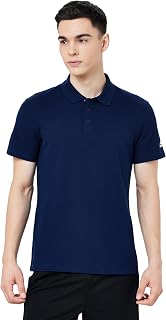


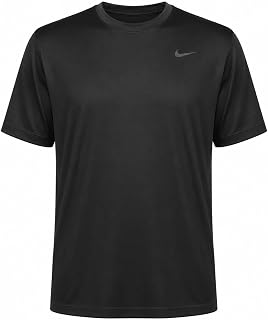


Men’s sports T-shirts have moved beyond basic workout clothing. In 2026, shoppers in India can choose from lightweight training tees, quick-dry running shirts, relaxed gym fits, performance polos, oversized athletic styles and versatile designs that work for both exercise and everyday casual wear. The right choice depends on the activity, climate, fit preference, fabric construction and the amount of moisture and movement the T-shirt needs to handle.
This buying guide focuses on the latest men’s sports T-shirt trends for 2026 and the practical details that matter when comparing options in India. Instead of choosing a T-shirt only because of its appearance, consider fabric, breathability, drying performance, stretch, stitching, fit, sleeve construction, odour management, washing requirements and intended use.
Popular sportswear names such as Nike, Adidas, Puma, Reebok, ASICS, Under Armour, Decathlon, HRX and Jockey offer different approaches to athletic clothing. However, the best T-shirt for one person may not be the best for another. A runner training outdoors in hot weather has different requirements from someone lifting weights in an indoor gym or looking for an athletic T-shirt for weekend wear.
Quick-dry sports T-shirts remain one of the most practical choices for Indian conditions. These shirts are designed to move moisture away from the skin and help the fabric dry faster than many conventional cotton T-shirts. This can be particularly useful during high-intensity gym sessions, outdoor workouts, running and sports where perspiration is unavoidable.
When comparing quick-dry T-shirts, look beyond the phrase “dry fit” or “moisture wicking.” Examine the actual fabric composition, weight, ventilation features and construction. A lightweight polyester-based fabric can feel considerably different from a heavier blended material even when both are marketed for sports.
Ventilation is becoming increasingly important in athletic clothing. Mesh panels, perforated sections and strategically placed breathable fabrics can improve airflow around areas where heat and sweat tend to accumulate.
A ventilated T-shirt can be especially useful for outdoor exercise in warm conditions. However, more mesh does not automatically mean better performance. Very open mesh may offer excellent airflow but can provide less coverage, while tightly knitted performance fabrics may provide a more balanced combination of ventilation, durability and opacity.
Slim athletic fits continue to appeal to shoppers who prefer a closer silhouette without the extreme tightness of compression clothing. These T-shirts can work well for strength training, gym sessions and casual athleisure outfits.
The key distinction is between a genuinely athletic cut and a T-shirt that is simply undersized. A good sports T-shirt should allow sufficient movement through the shoulders, chest and arms. If the fabric pulls across the upper back or the sleeves restrict arm movement, sizing up or choosing a different cut may be more appropriate.
Relaxed and oversized athletic T-shirts have become a strong style choice for men who want greater freedom of movement and a contemporary streetwear-inspired appearance. They can be useful for warm-ups, casual gym sessions, walking and everyday wear.
Oversized does not necessarily mean unsuitable for sport. The important consideration is the activity. A loose T-shirt can feel comfortable during low-impact exercise, but excessive fabric may become distracting during certain movements or sports.
Stretch is valuable when a sports T-shirt needs to accommodate repeated movement. A small amount of elastane or another stretch component can improve flexibility and help a garment recover its shape after movement.
Stretch should be evaluated together with fabric weight and fit. A highly stretchy fabric is not automatically more breathable or more durable. For gym training, mobility exercises and sports involving frequent arm movement, a balanced combination of stretch and moisture management can be more useful than simply selecting the most flexible fabric available.
Minimalist sports T-shirts are increasingly useful because they can transition from exercise to casual clothing. Solid black, white, grey, navy and other understated colours can be easier to combine with shorts, joggers, jeans and track pants.
A simple appearance does not mean a basic construction. A minimalist T-shirt can still feature moisture management, breathable panels, four-way stretch, reflective details or ergonomic seams. If versatility is important, consider the garment’s fabric and fit rather than choosing based only on colour.
Sportswear and streetwear increasingly overlap, making graphic athletic T-shirts a popular choice for casual styling. Large logos, contrast panels, typography, colour blocking and retro-inspired athletic graphics can create a more distinctive appearance.
For actual training, however, visual design should remain secondary to fabric performance. A stylish cotton-heavy graphic T-shirt may be comfortable for casual use but less suitable for high-sweat workouts than a purpose-built performance shirt.
Running-specific T-shirts often include features designed around outdoor movement. Reflective elements can improve visibility in lower-light conditions, while lightweight construction and moisture management can improve comfort during longer sessions.
Reflective detailing should not be confused with complete visibility protection. If running in darkness or around traffic, clothing is only one part of a broader visibility strategy. The T-shirt should also fit securely enough that it does not flap excessively or interfere with movement.
Sports polos and collarless polo-inspired athletic tops occupy a useful middle ground between activewear and casual clothing. They can be appropriate for recreational sports, travel, casual Fridays, walking and everyday use where a conventional gym T-shirt may look too informal.
When selecting a sports polo, examine collar construction, fabric breathability and the amount of stretch. A stiff collar or heavy fabric can reduce comfort in hot weather. Performance-oriented polos may use lightweight synthetic blends or other technical fabrics that are easier to maintain than traditional heavy cotton polo shirts.
Material sourcing is becoming a more visible consideration when comparing sportswear. Some manufacturers use recycled polyester or other materials intended to reduce reliance on virgin resources. This can make material composition an important part of the buying decision.
However, a sustainability claim should not replace practical evaluation. Look at the complete product specification, care requirements, expected use and construction. A garment that fits well, receives regular use and is maintained correctly can be more useful than buying solely around a marketing phrase.
The best men’s sports T-shirt should be selected according to activity, climate, fit and fabric rather than popularity alone. Before comparing individual products, identify how and where you expect to use the garment.
For strength training and general gym workouts, look for breathable fabric, adequate shoulder movement, comfortable armholes and moderate stretch. A T-shirt that fits closely without restricting movement can reduce distractions during exercise.
If you perform exercises involving repeated overhead movement, check the shoulder and underarm construction carefully. The shirt should not pull uncomfortably across the upper back or ride excessively upward when you raise your arms.
Running places greater emphasis on lightweight construction, moisture management and freedom of movement. A T-shirt that feels comfortable while standing may become irritating after prolonged repetitive movement, so pay attention to seams, neckline construction and fabric texture.
For outdoor running, consider reflective detailing, ventilation and weather conditions. In hot Indian climates, a lightweight breathable shirt may be preferable to a heavier garment even when both are marketed as performance wear.
Outdoor sports can require a combination of breathability, stretch and durability. Football, cricket training, badminton, tennis and recreational fitness activities all involve different movement patterns, so choose accordingly.
For sports involving substantial arm movement, shoulder mobility is particularly important. For activities with frequent contact or abrasion, fabric durability and seam construction deserve greater attention.
If the T-shirt will mainly be used for walking, commuting or casual activities, comfort and versatility may be more important than advanced technical features. A breathable cotton blend can be appealing for everyday wear, while lightweight performance fabrics can be useful when perspiration and frequent washing are concerns.
Polyester is widely used in performance sportswear because it can be lightweight, durable and suitable for moisture-management constructions. It also tends to dry relatively quickly compared with many heavier natural-fibre garments.
The quality and feel of polyester sportswear vary significantly. Two shirts can have the same broad fibre category while feeling completely different because of yarn, knitting method, fabric weight and finishing.
Cotton is valued for its familiar softness and everyday comfort. It can be an excellent choice for casual wear and lower-intensity activities, but conventional cotton can retain moisture and take longer to dry after heavy sweating.
For intense workouts, compare cotton with technical alternatives rather than assuming that one fabric is always superior. Cotton can remain a strong option when comfort and casual versatility are the primary priorities.
Blended fabrics attempt to combine characteristics from different fibres. The exact result depends on the fibre ratio and fabric construction, so do not judge a blend only by its label.
These shirts can be attractive for people who want a compromise between traditional cotton comfort and some of the easier-care characteristics associated with synthetic fibres.
Elastane is commonly incorporated into sportswear to provide stretch. It can improve freedom of movement and help a garment accommodate athletic activity.
When evaluating stretch, consider both stretch direction and recovery. A garment that stretches easily but does not recover its shape well may not provide the long-term fit you expect.
Moisture-wicking describes a fabric construction intended to move perspiration away from the skin and distribute moisture through the material so it can evaporate more readily. It is different from simply saying that a T-shirt is “quick drying.”
Quick drying refers primarily to how rapidly moisture leaves the garment, while moisture management describes how the fabric interacts with perspiration. A good sports T-shirt can combine both characteristics, but shoppers should still inspect the actual fabric specifications and construction.
Remember that moisture-wicking fabric does not prevent sweating. Its purpose is to manage moisture after perspiration occurs. In hot and humid conditions, ventilation and fabric weight remain important even when a shirt has moisture-management technology.
A regular fit provides a conventional silhouette with enough room for everyday movement. It is a versatile option for walking, casual wear, general gym use and people who dislike restrictive clothing.
An athletic fit typically follows the body more closely while allowing movement through the shoulders and arms. It can provide a cleaner silhouette without functioning like compression wear.
A relaxed fit provides additional room through the torso and can feel comfortable during casual training and everyday wear. It is particularly suitable for shoppers who prefer a less restrictive appearance.
Oversized designs intentionally use additional body volume and longer or wider proportions. They are strongly associated with contemporary streetwear but may not be ideal for every type of sport.
Compression-style garments sit substantially closer to the body. They are a specialised category and should not be confused with an ordinary slim-fit sports T-shirt. If compression is not specifically required, a conventional athletic or regular fit may be more practical.
Never assume that a particular size will fit identically across different brands. Sportswear sizing can vary according to the intended fit, garment pattern and product range.
The neckline can affect both comfort and appearance. Crew necks remain the most common option for athletic T-shirts, while V-necks and polo-style collars offer different styling choices.
Sleeve length and sleeve opening are equally important. Short sleeves that are too tight around the upper arm can restrict movement, while excessively loose sleeves can become inconvenient during some exercises.
For strength training, shoulder mobility is usually more important than having a particularly short sleeve. For running, a lighter sleeve construction can reduce the sensation of excess material during repetitive arm movement.
Fabric specifications receive considerable attention, but construction quality can have just as much impact on comfort. Examine the seam placement, neckline finish, sleeve attachment and hem construction when product images make these details visible.
Flat or smoother seams can be beneficial where repeated movement creates friction. Reinforced stitching can matter in areas exposed to greater stress, although shoppers should not assume that a particular stitch pattern guarantees durability without evidence.
Colour is primarily a personal preference, but it can influence practical use. Dark colours can be versatile and may make some stains less noticeable, while lighter colours can provide a different visual feel for daytime wear.
For outdoor exercise, colour should not be considered a substitute for appropriate sun protection. A T-shirt’s actual fabric construction, coverage and any documented protective features are more meaningful than colour alone.
If you want a small sportswear wardrobe, neutral colours such as black, grey, navy and white can be easy to combine. Brighter colours and contrast panels are useful when a more noticeable athletic style is preferred.
India includes highly varied climates, so there is no single ideal sports T-shirt for every region or season. A shirt that feels comfortable during a dry morning workout may perform differently in humid conditions.
Prioritise lightweight fabric, airflow and moisture management. Excessively heavy fabric can become uncomfortable when saturated with sweat.
Breathability remains important, but the best choice also depends on how much you sweat and whether you exercise indoors or outdoors. Lightweight fabrics can help reduce the sensation of heat.
During humid and rainy periods, quick drying can become particularly useful. If you frequently wash sportswear, consider garments that can dry efficiently in your available laundry environment.
A sports T-shirt can function as a base layer beneath a sweatshirt, training jacket or lightweight athletic layer. In these conditions, fit becomes important because an overly loose T-shirt can bunch underneath another garment.
Marketing language can make a basic sports T-shirt sound highly technical. Not every added feature provides meaningful value for every user.
A comfortable casual cotton T-shirt may not be the most practical choice for long, sweaty training sessions. Conversely, highly technical synthetic clothing may be unnecessary if the garment will mainly be used for casual wear.
A sports T-shirt should not be so tight that it restricts movement or so loose that it becomes distracting. Always compare the manufacturer's size chart with your measurements.
Many shoppers focus on chest measurements and overlook the shoulders. Poor shoulder fit can become noticeable during overhead exercises, racket sports and other activities involving arm movement.
A well-known brand can offer reliable product ranges, but the individual garment still needs to meet your requirements. Compare material, construction, fit and intended use rather than buying purely based on brand recognition.
Performance clothing can require different care from ordinary cotton garments. High heat, unsuitable detergents and improper drying can affect some fabrics, elastane content, prints and garment finishes.
“Quick dry” is a broad product description. Fabric density, weave, finishing, garment weight and construction can produce very different experiences. Check detailed specifications where available.
When two products appear similar, compare them systematically rather than relying on the product title.
Customer reviews can provide useful information that product specifications do not always reveal, particularly concerning fit and everyday comfort. However, reviews should be interpreted carefully rather than treated as definitive product testing.
Look for repeated patterns. If multiple customers independently mention that a garment runs small, that may be useful when checking the size chart. If reviews repeatedly discuss fabric thickness, sleeve tightness or colour differences, those comments may help identify questions worth investigating.
Avoid treating one unusually positive or negative review as conclusive evidence. Consider the reviewer’s intended use, selected size and expectations before applying their experience to your own purchase decision.
Correct maintenance can help sportswear remain comfortable and functional for longer. Always follow the care label and manufacturer instructions for the specific garment.
Perspiration, body oils and environmental contaminants can remain in fabric after exercise. If a T-shirt is heavily saturated after training, avoid leaving it damp in a closed gym bag for an extended period.
After exercise, remove the T-shirt from your bag and allow it to dry or proceed with washing according to the care instructions. This is especially important when the garment has become heavily damp.
Follow the garment label rather than assuming that all sportswear can be washed in the same way. Temperature, cycle selection and drying method can affect synthetic fibres, elastane, prints and finishing treatments.
Some performance garments can be affected by excessive heat. If the manufacturer recommends air drying or a low-temperature setting, follow that guidance.
A T-shirt can look new while the fabric's performance characteristics gradually change with repeated washing. Conversely, minor surface changes do not necessarily mean that a garment has become unusable. Evaluate comfort, fit, fabric integrity and intended performance.
Different brands often emphasise different aspects of sportswear, so it can be useful to compare product ranges rather than assuming one company is best for every requirement.
Brand names should be treated as a starting point for comparison rather than a guarantee of suitability. Product specifications can differ substantially between ranges from the same manufacturer.
A more expensive sports T-shirt is not automatically the better choice. The right value depends on how closely its features match your intended use.
A lower-cost T-shirt can be perfectly practical for occasional workouts, casual wear or building a larger rotation of training clothes. If the fit is comfortable and the fabric meets your requirements, advanced features may not be necessary.
A higher-priced garment may be worth considering when it provides features you will actually use, such as specialised running construction, better ventilation, carefully designed seams, advanced stretch or specific performance characteristics.
The important question is not whether the shirt is expensive but whether the additional cost corresponds to useful construction or features for your activity.
The ideal number depends on training frequency, laundry habits and whether the same garments are used for casual wear. Someone training frequently may benefit from maintaining enough T-shirts to avoid repeatedly wearing damp or recently used garments.
A practical wardrobe can combine several lightweight training shirts with one or two versatile casual athletic T-shirts. This provides flexibility without requiring every garment to have identical technical specifications.
Comfort comes from several factors working together. Fabric softness matters, but so do fit, moisture management, seam placement, neckline construction, sleeve design and garment weight.
A T-shirt can feel soft when first worn yet become uncomfortable during exercise if it retains too much moisture or rubs against the skin. Similarly, a highly technical fabric may not be comfortable if the fit is too tight or the seams are poorly positioned.
The best approach is to consider comfort under actual intended conditions: movement, heat, perspiration, duration of use and frequency of washing.
There is no single best option for every shopper. The right choice depends on whether you need a T-shirt for running, gym training, outdoor sports, walking or casual wear. Compare fabric, fit, breathability, stretch, construction and care requirements before deciding.
For sweaty workouts, a lightweight quick-dry performance T-shirt can be more practical because it is designed to manage moisture and dry efficiently. Cotton can remain an excellent choice for casual wear and lower-intensity activities where its familiar softness is preferred.
There is no universal best fabric, but lightweight performance fabrics with moisture-management properties and suitable stretch are commonly practical for gym training. The correct choice should also consider fit and breathability.
They can be, particularly when the fabric is lightweight and breathable. Polyester performance fabrics vary considerably in texture and construction, so examine the specific garment rather than judging every polyester T-shirt in the same way.
Choose according to activity and preference. Athletic or slim fits can provide a closer silhouette, while regular fits generally provide more room. For exercise, the garment should allow unrestricted movement through the shoulders, chest and arms.
They can work well for casual training, warm-ups and low-impact activities, but excessive fabric may be inconvenient during some sports or exercises. Consider the specific activity before choosing an oversized cut.
Follow the care label supplied with the individual garment. Performance fabrics, stretch fibres, prints and special finishes can have different washing and drying requirements.
Not necessarily. Durability depends on fabric, construction, use, washing and care. A higher-priced T-shirt can be worthwhile when its specific features provide meaningful benefits, but price alone does not prove superior durability.
Measure yourself and compare those measurements with the manufacturer's size chart. Also check the stated fit because a medium regular-fit T-shirt can have different proportions from a medium oversized or athletic-fit garment.
Many are. Minimalist performance T-shirts can work well for casual outfits, travel and walking. If everyday versatility is important, prioritise comfortable fabric, neutral colours, a suitable fit and easy-care construction.
Nike, Adidas, Puma, Reebok, ASICS, Under Armour, Decathlon, HRX and Jockey are among the brands worth comparing in relevant categories. The most suitable choice depends on the individual product's specifications, fit and intended use.
There is no fixed replacement schedule. Consider replacing a T-shirt when the fabric has significantly deteriorated, the fit has changed, seams are failing, persistent odour remains despite appropriate washing, or the garment no longer provides the comfort and performance you require.
The strongest men’s sports T-shirt purchase is not necessarily the most fashionable, most expensive or most technically described option. It is the garment whose construction matches the way you actually train and live.
For intense workouts and running, prioritise lightweight moisture management, ventilation and freedom of movement. For everyday wear, comfort, fit and versatility may matter more. For outdoor activities, consider visibility, coverage and climate. For frequent training, quick drying and easy maintenance can make a meaningful practical difference.
When comparing products in India, always check the latest specifications, size information, customer feedback and current retailer details before purchasing. Product prices, discounts, sizes, colour options and availability can change, so treat the live retailer listing as the final source for current purchasing information.
A thoughtful comparison of fabric, fit, construction, activity suitability and maintenance requirements will help you narrow a large selection of men’s sports T-shirts into a much smaller group of genuinely suitable choices for 2026.
Use the product title to identify the category, the specifications to understand what you are buying, the size chart to determine fit, verified customer feedback to identify recurring practical issues, and the current retailer listing to confirm the latest price and availability. This approach is more reliable than choosing a sports T-shirt solely because it appears popular or has a familiar brand name.
Last reviewed for this buying guide: August 2026.