

♥ Wishlist
Compare 57 verified Women Swimwear for Stylish Beach & Pool Days products in India. Reviews, ratings, pros, cons and buying advice updated for October 2026.


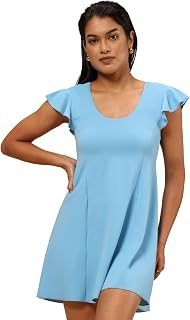

Women’s swimwear in 2026 is increasingly about balancing style, comfort, coverage and practical performance rather than choosing a swimsuit purely for appearance. For shoppers in India, the right choice also depends on where the swimwear will be used: a swimming pool, beach holiday, resort, water park, swimming lessons, regular fitness swimming or occasional leisure.
This guide expands the buying criteria behind the latest women’s swimwear trends so you can compare construction, fabric, support, coverage, fit and care requirements before purchasing. Brands such as Speedo, Arena, Nike, Adidas, Jockey, Marks & Spencer, Zivame and Clovia can be useful reference points when comparing different approaches to swimwear design, but individual products should always be assessed by their current specifications, sizing information and verified customer feedback.
The classic one-piece remains one of the most practical choices for women who want dependable coverage and a secure fit. Modern designs range from streamlined training swimsuits to more fashion-focused silhouettes with shaped panels, contrasting details and contemporary back designs.
For regular swimming, pay particular attention to shoulder construction, leg openings, neckline height and how securely the swimsuit stays in place during repeated movement. A fashionable cut is less useful if straps slide, the fabric shifts or the leg openings become uncomfortable during swimming.
High-waisted bikini sets are a strong option for shoppers who want the flexibility of two-piece swimwear with additional coverage around the midsection. The higher rise can also create a more defined visual silhouette while making the lower piece feel more secure than some traditional low-rise designs.
When comparing high-waisted swimwear, do not judge the fit solely from the waist measurement. The relationship between waist, hip and leg opening matters because a swimsuit that fits the waist but pulls across the hips can become uncomfortable when sitting, walking or swimming.
Tankinis occupy a useful middle ground between one-piece swimsuits and traditional bikinis. The longer top provides additional torso coverage while retaining the convenience of separate top and bottom pieces.
This format can be particularly useful for women who want more coverage at the stomach without wearing a full one-piece. It also makes sizing more flexible because the top and bottom can sometimes be selected independently.
Long-sleeve swimwear continues to appeal to shoppers who prioritise additional coverage. Rash-guard-inspired designs can be worn for swimming, water activities and beach holidays, depending on the garment’s construction and intended use.
Coverage should not be confused with automatic sun protection. If protection from ultraviolet exposure is an important consideration, check the individual garment’s stated protection rating rather than assuming that every long-sleeve swimsuit provides the same level of protection.
A sporty bikini can provide more freedom of movement than highly decorative designs, particularly when the top incorporates wider straps, supportive construction or a secure back. This makes athletic-inspired bikini styles worth considering for recreational swimming and active beach use.
The most important factor is stability. A bikini top should remain appropriately positioned when walking, entering the water and moving your arms. Adjustable straps can improve fit, but strap adjustment cannot compensate for a fundamentally unsuitable band or cup structure.
Minimalist swimwear focuses on simple silhouettes, restrained detailing and versatile colours. This trend can be practical for shoppers who want a swimsuit that works across different settings without relying heavily on seasonal decoration.
Simple designs also make construction easier to evaluate. Examine seams, lining, strap attachment points and fabric recovery instead of assuming that a minimal appearance automatically indicates high quality.
Cut-out designs add visual interest by exposing selected areas around the waist, back or sides. They can be attractive for resort wear and holiday styling, but they require more careful consideration of fit than conventional silhouettes.
The location of a cut-out affects comfort and security. A design that looks appealing when standing may feel very different while sitting, bending or swimming. Examine product images from multiple angles and read customer feedback about fit where available.
Swim dresses and skirted swimsuits provide an alternative for shoppers who prefer additional coverage around the hips and upper legs. Depending on construction, these designs can combine a built-in swimsuit with a skirted outer layer.
Pay attention to what is actually included. Some listings show layered styling that may look like a complete swim dress while the product itself may have a different construction. Read the product description carefully and check the photographs for the actual garment components.
Full-coverage swimwear is increasingly relevant for women who prefer greater coverage for personal, practical or recreational reasons. Options can include long-sleeve tops, swim leggings, longer tunics and coordinated sets.
The key buying consideration is movement. More fabric does not automatically mean better performance. For swimming, the garments should remain comfortable without creating excessive drag or becoming heavy when wet. Fabric stretch, construction and intended use are therefore more important than coverage alone.
Mix-and-match swimwear gives shoppers greater control over fit, colour and coverage. Instead of choosing a predetermined top-and-bottom combination, separate pieces can be selected according to individual proportions and preferences.
This can be particularly useful when standard matching sets do not fit both the upper and lower body equally well. Before purchasing, confirm that the pieces are compatible in fabric, colour and sizing because products from different collections may not always match exactly.
There is no single best swimsuit for every woman. The strongest choice depends on how often you swim, the activity involved, the level of coverage you prefer, the amount of support required and how much maintenance you are willing to provide.
If swimming is part of your regular exercise routine, prioritise secure construction over decorative details. A streamlined one-piece with comfortable straps and a stable back is often easier to manage during repeated movement than a loosely structured fashion swimsuit.
Fabric durability is also important because repeated exposure to pool chemicals, washing and stretching can affect swimwear over time. Always follow the garment manufacturer's care instructions.
Holiday swimwear can place greater emphasis on appearance, versatility and comfort outside the water. A bikini, tankini or fashion-oriented one-piece may be appropriate depending on personal preference.
If the swimsuit will be worn throughout a day at a resort or beach destination, consider how comfortably it works when walking, sitting and layering with cover-ups. A swimsuit that looks good but becomes uncomfortable after extended wear may not be the most practical holiday choice.
Water parks involve climbing, walking, slides and sudden movement, so stability is particularly important. Choose designs that remain securely positioned and avoid unnecessarily loose components that could shift during activity.
Women taking swimming lessons generally benefit from a swimsuit that permits unrestricted arm and leg movement while remaining secure. A training-oriented one-piece can simplify movement and reduce the need for repeated adjustments.
Nylon is commonly used in swimwear because it can provide a smooth feel, flexibility and a close fit. Nylon blends are often combined with elastane or similar stretch fibres to improve elasticity.
Polyester is another common swimwear material, particularly in products designed for frequent pool use. The exact performance depends on the fabric blend, construction and care routine, so shoppers should evaluate the complete specification rather than choosing based on fibre name alone.
Stretch fibres provide elasticity that allows swimwear to conform to the body and support freedom of movement. The amount and quality of stretch matter because a swimsuit needs to stretch comfortably while recovering its shape.
A lined swimsuit can provide improved coverage, comfort and opacity compared with an unlined garment. Check whether the lining extends through the areas where you need it most, especially with lighter colours and thinner outer fabrics.
Support depends on more than padding. The combination of straps, underbust construction, fabric tension, cup design and back structure determines how securely a swimsuit feels.
Adjustable straps allow the fit to be fine-tuned and can be especially useful when the garment sits correctly around the torso but requires additional adjustment at the shoulders.
Removable cups provide flexibility for women who prefer different levels of shaping. However, padding can shift or fold if it is not secured effectively, so check construction and customer feedback before relying on this feature.
The leg opening should feel secure without digging into the skin. An overly loose opening can allow the swimsuit to shift, while excessive tightness can create discomfort during extended wear.
Racerback, cross-back, scoop-back and other designs affect both appearance and movement. Athletic swimming generally benefits from a back structure that keeps the straps stable during repeated arm movement.
A correct swimsuit fit should feel secure without causing painful compression. When trying a swimsuit, move your arms, sit down, bend slightly and walk around. These simple movements can reveal problems that are not obvious when standing still.
Swimwear sizing can vary significantly between brands and styles, so the manufacturer's own size chart should take priority over assumptions based on your usual clothing size.
If your measurements fall between sizes, examine the garment's fabric stretch and the brand's fit guidance rather than automatically selecting the larger or smaller size.
A flattering colour or fashionable silhouette is not enough. Swimwear is a functional garment, and fit, support, lining and construction can have a greater impact on satisfaction than decorative details.
Swimwear often fits differently from everyday clothing. Always compare your current measurements with the specific product's size chart whenever one is provided.
A high-neck or long-sleeve swimsuit may provide more coverage without offering additional bust support. Coverage and support are separate characteristics and should be evaluated independently.
The front view can look excellent while the back construction creates an uncomfortable fit. Examine all available product photographs and specifications before buying.
Swimwear can deteriorate faster when exposed repeatedly to chlorine, salt water, sunscreen, heat and unsuitable washing methods. Care instructions should therefore be part of the purchasing decision, especially for frequent swimmers.
Bikini bottoms can differ substantially in rise, side width, back coverage and leg opening. Read the description carefully instead of assuming that every high-waisted or standard bikini bottom provides the same coverage.
Swimwear should be selected according to comfort and personal preference rather than a rigid body-type rule. The same silhouette can work differently for different people depending on torso length, proportions, support requirements and preferred coverage.
Consider high-waisted bottoms, tankinis, longer one-pieces or swim dresses. Compare the actual rise and garment length because product names alone do not guarantee a particular level of coverage.
Look for adjustable straps, supportive bands, structured cups or athletic back designs. Check whether the product offers the type of support you need rather than assuming that padding automatically provides it.
Bikinis and streamlined one-piece designs offer a broad range of cuts. Pay close attention to movement and security if you plan to swim actively rather than simply lounge by the pool.
Look at modest swim sets, long-sleeve swim tops, swim leggings and longer swim dresses. Check that each garment is specifically suitable for water use and that the combined outfit allows comfortable movement.
Swimwear is exposed to conditions that ordinary clothing generally does not encounter. Chlorinated pools, salt water, sunscreen, sweat, heat and repeated washing can all affect fabrics and elastic components.
For frequent swimmers, fabric composition and intended use deserve particular attention. Some products are designed specifically around training or repeated pool exposure, while others are better suited to occasional recreational use. The manufacturer's stated purpose is more useful than assuming that every swimsuit will have the same lifespan.
Product listings can contain a large amount of information, but the most important details are sometimes easy to overlook. Before comparing products, identify the material, size chart, lining, closure or strap design, included pieces and care instructions.
Pay attention to wording such as “set,” “swimsuit,” “top,” “bottom,” “cover-up” and “three-piece.” A photograph may display several garments together even when the listing includes only one component. Confirm exactly what is included in the product description.
Customer reviews can provide useful information that specifications cannot, particularly regarding sizing and real-world fit. However, individual experiences should not be treated as universal conclusions.
When comparing established names such as Speedo, Arena, Nike and Adidas with fashion-focused or lingerie and apparel brands such as Jockey, Marks & Spencer, Zivame and Clovia, avoid assuming that one brand is automatically best for every purpose.
Performance-oriented brands may offer a wider selection of training-focused construction, while fashion-oriented ranges may place greater emphasis on styling, resort wear and varied silhouettes. The right comparison should be based on the individual product's fabric, fit, support, coverage, intended use and current customer feedback.
Online swimwear shopping requires more attention to product information because you cannot physically assess the garment before purchase. Before placing an order, compare your measurements with the current size chart and read the complete product description.
The cheapest swimsuit is not necessarily the best value, particularly if it does not fit correctly or is unsuitable for your intended use. At the same time, a higher price does not automatically prove superior quality.
A better approach is to compare the complete value proposition: fabric, construction, support, lining, intended frequency of use, fit, care requirements and current customer feedback. For occasional swimming, a simple well-fitting swimsuit may provide better value than a highly technical design with features you will never use.
For regular swimming, a secure one-piece is often a practical choice because it provides stable coverage and allows freedom of movement. The best option still depends on individual fit, support requirements and swimming activity.
Yes. One-piece swimsuits remain highly versatile and can range from performance-focused designs to fashion-led silhouettes featuring modern necklines, back designs, colour combinations and cut-outs.
It can be, provided the top and bottom offer sufficient stability for the activity. Sporty bikini designs with secure straps and supportive construction are generally more appropriate for active movement than loosely structured fashion styles.
A tankini may be preferable if you want separate top and bottom pieces or additional flexibility around sizing and coverage. A one-piece can be simpler when you want a single secure garment with continuous torso coverage.
Options include tankinis, swim dresses, high-waisted sets and full-coverage swimwear. Long-sleeve tops and swim leggings can provide additional coverage when they are specifically designed for water use.
Measure the relevant parts of your body and compare those measurements with the individual brand's current size chart. For one-piece swimsuits, also consider torso length because bust, waist and hip measurements alone may not reveal a length mismatch.
Colour is primarily a matter of personal preference and styling. Darker colours can offer a classic appearance, while bright colours, prints and contrasting panels can create a more fashion-forward look. For lighter colours, check the lining and customer feedback about opacity.
Follow the garment's care label because recommended washing and drying methods vary by fabric and construction. Proper care is particularly important when swimwear is exposed frequently to chlorine, salt water and sunscreen.
Ordinary clothing is generally not designed to perform like swimwear when wet. Purpose-built swimwear is constructed with fabrics and features intended for water-based activity, making it the more practical option for swimming.
No. Price alone does not establish quality or suitability. Compare material, construction, fit, support, lining, intended use and customer feedback to determine whether a particular swimsuit represents good value for your requirements.
The best women’s swimwear choice for 2026 is the one that matches your actual use rather than simply following the most noticeable fashion trend. Start with the activity, decide how much coverage and support you want, measure yourself accurately and then compare fabrics, construction and current product specifications.
For frequent pool swimming, put durability and secure fit ahead of decorative details. For holidays, consider versatility and comfort alongside appearance. If coverage is your priority, compare the actual garment dimensions rather than relying on labels such as “modest” or “full coverage.” For online purchases, always review current size information, verified customer feedback and the retailer's current return conditions before ordering.
Most importantly, treat the “best” swimsuit as a personal fit decision. A well-fitting, appropriately constructed swimsuit from a trusted brand or retailer can be a better purchase than a more expensive or trend-focused alternative that does not suit your body, activity or maintenance preferences.
Product specifications, sizing, customer ratings, prices, stock status and retailer policies can change. Before purchasing, verify the current product page information and compare recent customer feedback rather than relying solely on an older recommendation or a general brand reputation.
Would you prefer the next version focused on Amazon India product picks, budget swimwear under ₹1,500, or premium women’s swimwear?