

♥ Wishlist
Compare 57 verified Women's Shorts for Stylish Everyday Comfort products in India. Reviews, ratings, pros, cons and buying advice updated for October 2026.


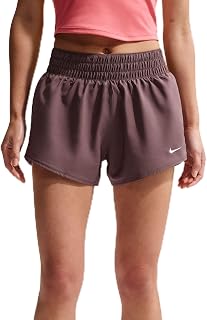


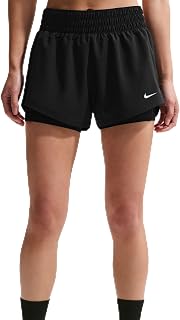


Women’s shorts have become a versatile part of everyday wardrobes in India, with styles ranging from relaxed denim and cotton shorts to tailored silhouettes, activewear designs and lightweight options suited to warm weather. The right pair depends on more than appearance: fabric, rise, inseam length, waistband construction, pocket design, opacity, stretch, washing requirements and intended use can all affect comfort and value.
This 2026 buying guide is designed to help Indian shoppers compare women’s shorts more carefully before purchasing. Rather than treating every fashionable silhouette as equally practical, consider how the shorts will be worn, what climate they need to handle, how frequently they will be washed and which fit characteristics matter most to you.
Current women’s shorts styling is less about choosing one universally fashionable cut and more about selecting a silhouette that matches the occasion. High-rise fits remain useful for shoppers who prefer a defined waist, while relaxed and wide-leg proportions offer an alternative to close-fitting styles. Bermuda lengths provide more coverage, and tailored shorts can bridge the gap between casual clothing and more polished outfits.
Fabric choice is equally important. Lightweight cotton, linen blends and breathable viscose-based fabrics can be attractive choices for hot weather, while denim offers structure and durability for casual wardrobes. Stretch fabrics can improve freedom of movement, particularly in activewear, although the amount and type of stretch should be considered alongside recovery and fabric thickness.
For Indian consumers, climate and lifestyle can make comfort particularly important. A style that looks attractive in a product photograph may not necessarily be the most comfortable option for long periods of walking, commuting, travelling or sitting. Checking the garment measurements and material composition before ordering can therefore be more useful than relying only on the listed size.
The rise describes the distance between the crotch area and the top of the waistband. Low-rise, mid-rise and high-rise shorts can create noticeably different proportions even when the inseam length is identical.
Do not choose the rise based solely on trend appeal. Compare the actual waistband measurement, front rise and back rise when those specifications are available. A high-rise pair can feel restrictive if the waist measurement is too small, while a low-rise design may not provide the coverage expected during movement.
Inseam length is one of the most important specifications when comparing women’s shorts online. Two products both described as “shorts” can provide very different levels of coverage.
When possible, compare the listed inseam with a pair of shorts you already own. This is usually more reliable than judging length from a model photograph because body proportions and photography angles can change how a garment appears.
The fibre content can tell you a great deal about how shorts may behave during daily use. Always check the manufacturer's stated composition rather than assuming a fabric name guarantees a particular performance.
Fabric thickness matters for both comfort and confidence. Lightweight material can feel pleasant during hot weather but may be more transparent depending on colour, weave and construction. Heavier fabrics may offer greater structure but can feel warmer.
Light-coloured shorts deserve particular attention. White, cream, pastel and other pale shades can behave differently depending on the fabric and lining. Look for product information concerning lining, fabric weight and opacity where available, and consider customer photographs when they provide useful additional context.
Stretch can make shorts more comfortable when sitting, walking or moving. However, stretch percentage alone does not determine quality. The fabric should also recover its shape after movement.
For denim shorts, a small amount of elastane may provide additional comfort compared with rigid denim. For sports shorts, stretch can be more important because the garment needs to accommodate dynamic movement. Avoid assuming that more stretch is automatically better; the ideal balance depends on the intended activity and preferred fit.
A waistband can significantly affect how comfortable shorts feel throughout the day. Look at whether it is fixed, partially elasticated or fully elasticated and whether there are drawstrings, belt loops or adjustable features.
For everyday use, versatility is generally more valuable than an extremely distinctive design. Denim, cotton and cotton-blend shorts can work with T-shirts, casual shirts, tanks, sneakers, sandals and lightweight overshirts.
Brands such as Levi’s, H&M, Zara and ONLY offer different approaches to casual fashion, but shoppers should compare the specific garment rather than assuming every product from a particular brand has the same fit or construction.
For a frequently worn pair, look for a comfortable waistband, durable seams, useful pockets and a fabric that can tolerate the washing routine you expect to use.
For hot and humid conditions, breathable construction and a comfortable fit can matter more than heavy detailing. Lightweight cotton, linen and appropriate blends are worth comparing.
Travel shorts need to balance comfort, versatility, durability and ease of care. A pair that works with multiple tops can reduce the number of garments needed for a short trip.
For travel, consider shorts with secure pockets if carrying small essentials, wrinkle resistance if relevant to your itinerary, and fabrics that dry reasonably well according to their care instructions. Cargo and utility designs can offer additional storage, but excessive pocket detailing can also add bulk.
Workout shorts should be evaluated differently from fashion shorts. Movement, moisture management, waistband stability and coverage become more important.
Brands including Nike, Adidas and Puma have extensive sportswear ranges, but product specifications vary considerably between individual models. Compare the fabric composition, intended activity and construction of the specific pair rather than buying based only on brand recognition.
Tailored shorts can create a more polished appearance than distressed denim or loose jersey styles. Look for clean seams, a structured waistband, appropriate length and fabric with enough drape to maintain the intended shape.
Neutral colours such as black, navy, beige, cream and muted grey can be easier to combine with multiple tops. A tailored short can work with a tucked-in blouse, structured shirt, fitted knit top or lightweight blazer depending on the setting.
Denim remains one of the most recognisable women’s shorts categories, but denim construction varies significantly. Rigid denim generally offers a firmer, more structured feel, while stretch denim can provide greater ease of movement.
Classic five-pocket construction remains practical, while heavily distressed styles are more fashion-led. If you want one pair to serve as a wardrobe staple, a relatively simple finish may offer more styling flexibility.
High-waisted shorts can visually define the waist and pair naturally with tucked-in tops. They can also create a longer-looking leg proportion when combined with an appropriate top and footwear.
However, high-rise does not automatically mean comfortable. Check whether the waistband sits where you expect, whether the front rise is long enough and whether the garment has sufficient room through the hips and thighs.
For online purchases, measurements are particularly useful. If a retailer provides waist, hip, rise and inseam measurements, compare them with a garment you already own rather than selecting a size based solely on a generic small, medium or large label.
Relaxed and wide-leg shorts provide more space around the thigh and can create an easygoing silhouette. They are particularly useful when comfort and airflow are priorities.
The key consideration is proportion. A voluminous short can be balanced with a relatively fitted top, tucked-in shirt or cropped outer layer. Alternatively, pairing relaxed shorts with another oversized garment can create a deliberately loose outfit.
Pay attention to fabric drape. A stiff fabric can create a more architectural shape, while a fluid fabric can create a softer silhouette.
Bermuda shorts are a useful alternative for shoppers who prefer more thigh coverage while still wanting a shorts-based outfit. They can be styled casually with sneakers and a T-shirt or dressed up with a shirt and more structured footwear.
Length is especially important with Bermuda shorts. The hem can fall at different points above or around the knee, and that small difference can significantly change the overall proportion. Check the actual inseam measurement whenever it is available.
Linen and linen-blend shorts are particularly relevant for warm-weather wardrobes because of their lightweight feel and relaxed appearance. Their natural tendency to wrinkle is part of the fabric's character, so shoppers who want a consistently crisp appearance should consider whether that maintenance requirement fits their routine.
Blended fabrics may offer a different balance of wrinkle resistance, drape, durability and comfort. Always check the fibre composition and care label instead of assuming that a product marketed as linen is made entirely from linen.
Performance-oriented fabrics are often designed to move moisture away from the skin and dry relatively quickly. This can be useful during exercise, although the actual performance depends on the fabric construction and garment design.
Some running and training shorts include an inner liner or integrated layer. This can improve coverage and reduce the need for separate base layers, but personal preference matters. Check whether the liner is sufficiently comfortable and whether its construction allows unrestricted movement.
Sports shorts may include side pockets, rear pockets or small secure pockets. Think about what you actually need to carry. A large pocket can be useful for everyday walking but may feel inconvenient during high-movement exercise.
An activewear waistband should stay reasonably stable without creating excessive pressure. Drawcords can provide additional adjustment, particularly when the garment is used for activities involving significant movement.
Online sizing is one of the most common sources of disappointment when buying clothing. Letter sizes are not universal across brands, and even garments from the same brand can have different fits.
When measurements are available, compare:
If your waist and hip measurements fall into different size categories, examine the garment's cut before choosing. A relaxed silhouette may accommodate a broader range of measurements than a close-fitting tailored style.
Also consider whether the product is described as slim, fitted, straight, relaxed, loose, oversized or wide-leg. These terms can be more informative than the size label alone.
A product title often highlights fashion features, while the specification section contains information that is more useful for comparison. Before purchasing, look beyond colour and appearance.
Product photography is useful for understanding the general silhouette, but it cannot replace garment measurements. A pair that looks ideal in a photograph may have a rise or inseam that does not match your preference.
Two shorts in similar colours and cuts can feel completely different because their fibres and fabric weights differ. Always check the composition before comparing similar-looking products.
Clothing sizes are not perfectly standardised. Use the size chart associated with the specific garment whenever possible.
The leg opening can have a major effect on comfort. A pair may fit at the waist while feeling restrictive around the thighs, particularly when the cut is slim.
Fashion denim and running shorts serve very different purposes. Denim may prioritise structure and appearance, while activewear prioritises movement and performance characteristics. Choose according to actual use rather than buying a visually appealing style for an unsuitable activity.
A garment that requires frequent delicate care may not be the best choice for someone seeking low-maintenance everyday clothing. Check washing instructions before purchasing.
Colour selection should reflect the rest of your wardrobe rather than simply following seasonal fashion. Neutral shades such as black, white, beige, navy and denim blue can integrate easily into existing outfits. Earth tones can also work well with casual shirts, T-shirts and lightweight layers.
For shoppers who already own several neutral bottoms, a stronger colour or pattern can provide additional variety. However, statement shorts tend to be less versatile, so consider how many tops and shoes you already own that can be paired with them.
Prints can be particularly effective for holiday or resort-inspired outfits, while solid colours are generally easier to combine across different occasions.
There is no single correct shorts style for any body shape. The most useful approach is to identify which features make you comfortable and which proportions you prefer.
Comfort should take priority over prescriptive body-shape rules. Fit descriptions and garment measurements are more useful than rigid fashion formulas.
A simple comparison framework can make it easier to distinguish between similar products. Instead of judging only by price, score each candidate against the characteristics that matter to your intended use.
Customer reviews can provide useful information, but they should be interpreted carefully. A reviewer's preferred fit, body proportions, climate and intended use may differ from yours.
Look for repeated observations rather than relying on one extreme review. Comments about sizing consistency, fabric thickness, waistband comfort, colour differences, shrinkage, transparency and durability can be particularly useful when several customers independently mention the same characteristic.
Photographs submitted by customers can also help you understand how a garment looks outside professionally produced product photography. However, lighting, camera settings and individual body proportions can affect appearance.
The lowest-priced pair is not necessarily the best value, particularly if it does not provide the fit, construction or versatility you need. Conversely, a higher-priced garment is not automatically superior.
Consider cost in relation to expected use. A versatile pair that you can comfortably wear many times may offer better practical value than a trend-focused item that works with only one outfit. Material quality, construction, care requirements and fit should all be considered alongside the current selling price.
Because clothing prices, discounts and stock can change, check the current retailer listing before making a purchase decision.
Students and young shoppers may benefit from versatile denim, cotton or relaxed shorts that work with T-shirts, casual shirts and sneakers. Easy-care fabrics can be particularly convenient for frequent wear.
Travel wardrobes benefit from lightweight fabrics, practical pockets and colours that combine with multiple tops. Consider choosing one neutral pair and one more distinctive pair if you want outfit variety without packing extensively.
Soft jersey, cotton and relaxed elasticated designs can be appropriate for home use. Look for a waistband that remains comfortable during prolonged sitting and movement.
Performance fabrics, secure waistbands, stretch and appropriate coverage become more important for active use. Select a design according to the specific activity rather than using fashion shorts as a substitute for purpose-built sportswear.
Linen blends, lightweight cotton and relaxed silhouettes can complement vacation wardrobes. Prints, brighter colours and coordinated sets can provide a more distinctive holiday aesthetic.
Good maintenance can help clothing retain its appearance and fit for longer. Always follow the care label because different fabrics and finishes have different requirements.
Separate garments appropriately, follow the recommended water temperature and avoid aggressive washing when the care instructions call for gentler treatment. Dark denim may require particular care to help preserve its colour.
Check whether the garment can be tumble dried or should be air dried. Excessive heat can affect some fabrics, elastane-containing garments and certain finishes.
Linen and cotton may wrinkle more readily than synthetic fabrics. Use the temperature recommended on the care label. Avoid applying excessive heat to materials that can be damaged by high temperatures.
Fold soft shorts or hang structured and tailored styles according to the garment's construction. Keep garments clean and completely dry before long-term storage.
Denim shorts are a strong choice when casual versatility and a structured appearance are priorities. They can work with a wide range of everyday tops and footwear.
Cotton shorts are often preferable when softness, breathability and relaxed comfort are more important than structure. Their suitability depends heavily on fabric weight and construction.
Tailored shorts are more appropriate when you want a polished silhouette. They typically require more attention to fit because waistband placement, crease lines and leg proportions are visually prominent.
Skorts combine shorts-like construction with an additional skirt-like layer or appearance. They can be useful when you want the visual effect of a skirt while retaining the coverage of shorts.
Traditional shorts may be simpler and lighter, while skorts can provide a different silhouette and additional coverage depending on construction. For sports or active use, check whether the underlying shorts provide adequate coverage and freedom of movement.
Culottes generally provide a much wider leg and can resemble a skirt at first glance. They may be suitable for shoppers who want the comfort of shorts with a more flowing silhouette.
The choice depends on proportion and occasion. Shorter culotte-style designs can work as everyday fashion pieces, while longer versions can create a more formal or sophisticated appearance.
Brand recognition can be a useful starting point, but it should never replace product-level comparison. Different collections can use different materials, cuts and sizing systems.
These brands should be treated as comparison points rather than automatic recommendations. Always evaluate the exact product's specifications, current customer feedback, sizing information and current price before purchasing.
A small, carefully selected collection can cover more situations than a large number of similar styles. Start with the activities and occasions that occur most often in your lifestyle.
You do not need every category. Choose the styles that correspond to how you actually dress, and prioritise colours and fabrics that work with clothing already in your wardrobe.
For everyday use, versatile cotton, cotton-blend and denim shorts are practical starting points. The best choice depends on your climate, preferred coverage, wardrobe and frequency of wear. Prioritise a comfortable waistband, suitable inseam, appropriate fabric weight and a fit that allows natural movement.
Yes. High-waisted shorts remain a versatile styling option, particularly for shoppers who prefer a defined waist or enjoy tucked-in tops. Their suitability depends on individual comfort and proportions rather than trend status alone.
Lightweight cotton, linen and suitable fabric blends can be good choices for hot weather. A relaxed cut may also improve airflow. Check opacity and care requirements before choosing very lightweight or pale fabrics.
They can be, but comfort depends on denim weight, stretch, fit and local weather. Lightweight or stretch denim may feel more comfortable than heavy rigid denim in hot conditions.
There is no universal ideal inseam. Shorter lengths provide less coverage, while medium and longer lengths offer more coverage. Compare the listed inseam with a pair you already own to understand how the new shorts are likely to fit.
Neither fit is universally best. Fitted shorts can create a defined silhouette, while relaxed shorts may provide more room and airflow. Choose according to comfort, activity and preferred appearance.
Start with your measurements, then compare the garment's waist, hip, rise and inseam specifications. Review material composition, fit description, customer feedback and care instructions. Avoid selecting a size based solely on what you normally wear in another brand.
Neither is automatically better. Cotton can be appealing for casual comfort, while polyester-based technical fabrics are commonly used for sportswear. The right material depends on whether you prioritise everyday comfort, breathability, moisture management, stretch, durability or another characteristic.
Look for a secure waistband, suitable stretch, adequate coverage, comfortable seams and fabric appropriate for physical activity. Pockets and liners can be useful depending on the sport or workout.
Bermuda shorts remain a useful fashion category because they offer a longer silhouette and can be styled in both casual and polished ways. Their value depends more on your preferred coverage and wardrobe than on whether a particular season labels them as a trend.
Use the specific product's measurement chart and compare it with a garment you already own. Pay particular attention to waist, hip, rise and inseam measurements. Customer reviews can provide additional context when several buyers report consistent sizing observations.
Neutral colours such as black, navy, beige and classic denim shades generally combine easily with different tops and footwear. The most versatile choice is ultimately the colour that complements the clothes already in your wardrobe.
There is no fixed number. A practical wardrobe might include a casual pair, a lightweight pair and an activewear pair, with additional styles added according to work, travel, leisure and personal fashion preferences.
The best women’s shorts are not necessarily the most expensive, most heavily advertised or most fashionable-looking pair. A strong choice is one whose measurements, fabric, construction and intended use match your actual requirements.
Before buying, compare the exact product specifications rather than relying on a brand name or product title. Check waist and hip measurements, rise, inseam, material composition, stretch, waistband construction, pocket design and care requirements. Then use customer reviews and photographs as additional evidence rather than as the sole basis for your decision.
For shoppers in India, climate should be part of the decision from the beginning. Lightweight and breathable materials may be preferable for hot conditions, while longer or more structured styles may be better suited to specific occasions. If versatility is the priority, choose a neutral colour and a straightforward silhouette that can work with several existing outfits.
Finally, compare the current price and retailer terms before purchasing. Prices, promotions, sizes, stock and product specifications can change during 2026, so verify the latest information on the retailer listing at the time you are ready to order.
Best for casual versatility: Denim or cotton shorts with a simple silhouette.
Best for hot weather: Lightweight cotton, linen or suitable breathable blends.
Best for workouts: Purpose-built activewear shorts with a secure waistband, stretch and appropriate coverage.
Best for polished outfits: Tailored shorts with clean construction and a suitable length.
Best for extra coverage: Bermuda-length shorts.
Best for flexible styling: Neutral colours and uncomplicated silhouettes that coordinate with multiple tops and shoes.
Best buying strategy: Compare measurements, materials, construction, customer feedback and current retailer information before making the final decision.
Would you prefer the next version focused on budget picks, premium brands, or Amazon India-friendly choices?