

♥ Wishlist
Compare 59 verified Men's Fashion Online products in India. Reviews, ratings, pros, cons and buying advice updated for October 2026.
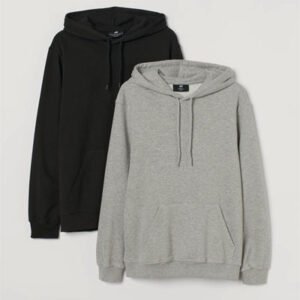
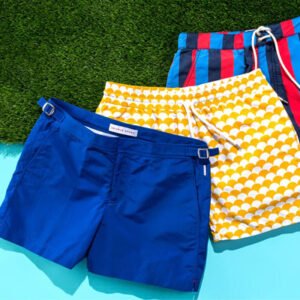
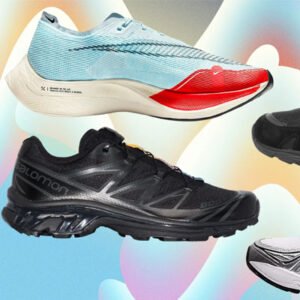
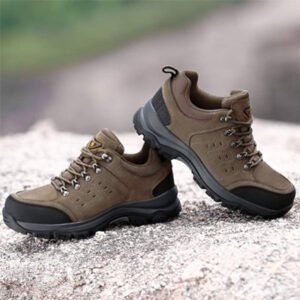












Men’s fashion in India in 2026 is increasingly centered on versatile pieces that can move between everyday wear, work, travel, social occasions and festive dressing. Instead of buying clothing simply because it is currently popular, a better approach is to consider fit, fabric, climate, styling flexibility, construction quality and how often the item can realistically be worn.
This independent buying guide focuses on the practical side of current men’s fashion trends: which categories are worth considering, what details matter before purchase, how Indian weather affects material choices, and which common buying mistakes can lead to disappointing purchases. Brand names such as Levi’s, Jack & Jones, Pepe Jeans, U.S. Polo Assn., Louis Philippe, Van Heusen, Allen Solly, Peter England, Puma, Adidas and Nike are useful reference points when comparing styles and specifications, but individual products should always be assessed on their own merits.
The strongest trend categories are not necessarily the most extreme runway looks. For an everyday wardrobe in India, the most useful trends are those that combine contemporary silhouettes with practical wearability.
Fashion decisions in India should account for temperature, humidity, monsoon conditions and regional differences. A garment that looks excellent in a product photograph may not be comfortable for prolonged wear in hot or humid conditions.
Cotton remains a practical choice for many everyday garments because it is familiar, breathable and available across a wide range of constructions. Lightweight cotton can be particularly useful for shirts and casual tops during warmer periods.
Linen and linen-blend fabrics can provide an airy appearance and are well suited to relaxed summer styling, although natural linen commonly wrinkles more easily. If easy maintenance is a priority, a blended fabric may offer a different balance between appearance and wrinkle resistance.
Polyester and technical synthetic fabrics can be useful in sportswear because they may be engineered for moisture management, durability and quick drying. However, fabric performance varies considerably by construction, so the fibre name alone should not determine a purchase.
For trousers and jeans, fabric weight, stretch content and weave deserve attention. A very heavy denim can feel uncomfortable during hot weather, while an extremely lightweight material may not provide the structure some shoppers expect.
A useful purchase should match the environments in which you actually spend time. A fashion-forward garment that works only with one particular outfit may have less wardrobe value than a simpler piece that works across several settings.
Fit is often more important than a trend label. Two garments made from similar materials can look completely different because their proportions, shoulder placement, rise, sleeve length and leg shape differ.
Regular-fit clothing generally provides moderate room through the body and legs. It is a dependable choice for shoppers who want comfort without moving into distinctly oversized styling.
Slim fit follows the body more closely. It can create a sharper appearance, but sizing should be assessed carefully because a slim garment that restricts movement is unlikely to remain comfortable throughout the day.
Relaxed silhouettes provide additional room and are particularly relevant to current casual fashion. The key is proportion: relaxed does not have to mean excessively oversized.
Oversized clothing intentionally increases proportions around the body and sleeves. It can work well for contemporary streetwear, but balancing the rest of the outfit becomes more important. An oversized top paired with extremely wide trousers, for example, creates a very different visual effect from an oversized T-shirt worn with straight-leg denim.
Denim remains one of the most useful areas for experimenting with changing fashion. The safest strategy is to maintain at least one dependable everyday pair while adding a trend-led silhouette if it complements your wardrobe.
Straight-leg jeans are a versatile middle ground between slim and loose silhouettes. They can work with sneakers, boots and casual loafers and are relatively easy to style.
Relaxed jeans provide additional room around the thigh and leg. They can create a contemporary silhouette while remaining suitable for everyday casual dressing.
Wide-leg denim makes a stronger fashion statement. Pay particular attention to the rise, hem length and footwear because these details significantly affect the final proportions.
Dark denim can be useful when a more polished appearance is required. It pairs well with shirts, polos, jackets and simple knitwear.
Washed denim is generally more casual. Before buying, inspect the placement of fading and distressing because excessive detailing can reduce versatility.
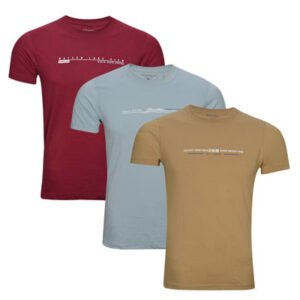
The T-shirt is one of the easiest ways to introduce current fashion into an existing wardrobe. Rather than purchasing large quantities, compare neckline construction, fabric weight, fit, stitching and colour versatility.
Shirts remain particularly versatile because the same basic garment can be worn buttoned, open over a T-shirt or layered under a jacket.
Overshirts can function as lightweight outer layers. Look for practical construction, suitable fabric weight and enough room to accommodate the clothing underneath.
Camp-collar shirts provide a relaxed alternative to traditional pointed collars. They can be paired with straight trousers, shorts or relaxed denim.
Texture can make a simple outfit more visually interesting without relying on a loud print. Waffle, slub, dobby and other textured constructions can provide subtle variation.
Prints work best when the rest of the outfit is relatively restrained. Before buying, consider whether the colours can be combined with the trousers and footwear already in your wardrobe.
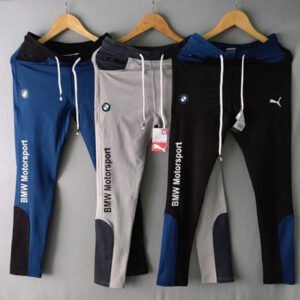
Trousers deserve more attention than they often receive because rise, leg opening and fabric weight can dramatically change how an outfit looks.
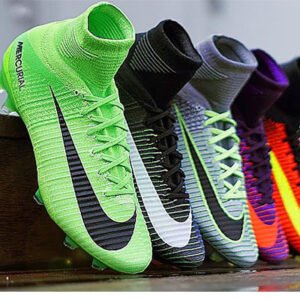
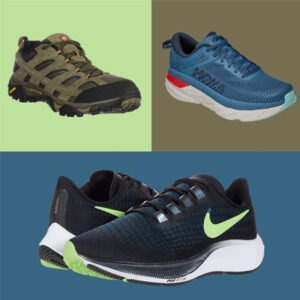
Sneakers continue to influence everyday menswear because they combine fashion with practical walking comfort. When comparing models from brands such as Adidas, Nike and Puma, do not evaluate appearance alone.
Smart-casual dressing is especially useful because it covers a wide range of situations without requiring a completely formal wardrobe.
A reliable smart-casual foundation can include a well-fitting polo, Oxford-style shirt, dark jeans or chinos, clean sneakers, loafers and a lightweight structured layer. Brands such as Van Heusen, Louis Philippe, Allen Solly and Peter England are useful starting points for comparing mainstream smart-casual categories, but shoppers should compare individual garment specifications rather than choosing solely by brand.
Streetwear generally allows greater freedom with proportions, graphics, utility details and sneakers. Current looks can incorporate oversized T-shirts, relaxed denim, cargo trousers, hoodies, varsity-inspired jackets and retro athletic footwear.
The most important consideration is balance. If one part of an outfit has substantial volume or a strong graphic treatment, keeping other elements relatively simple can produce a more intentional result.
Indian menswear cannot be separated from festive and cultural occasions. Modern wardrobes increasingly benefit from having a few adaptable ethnic pieces rather than reserving traditional clothing exclusively for major events.
For weddings and celebrations, the appropriate level of embellishment depends on the event. A highly decorative garment may be suitable for one ceremony but less practical for repeated use, whereas refined textures and versatile colours can extend wardrobe value.
Following every trend is unnecessary. A more efficient approach is to build a foundation first and then add selected trend pieces.
Neutral colours remain useful because they can be combined easily. Black, white, navy, grey, beige, olive and brown can form a practical base, while seasonal colours can be introduced through shirts, T-shirts, sneakers or accessories.
For shoppers who prefer a restrained wardrobe, tonal dressing is particularly effective. Combining different shades of the same colour family can create visual depth without relying on strong patterns.
Product photography can hide construction details, so use specifications and close-up images whenever available.
Do not automatically select your usual size. Clothing measurements are not completely standardised across brands or product lines.
A trend has limited value if the item does not fit your lifestyle. Consider cost per wear, versatility and whether the silhouette complements the rest of your wardrobe.
A garment can look attractive online but be unsuitable for India's climate if the fabric is unnecessarily heavy or poorly suited to the season.
Brand-to-brand sizing differences make this one of the most avoidable online shopping mistakes.
Statement clothing is useful in moderation. A wardrobe dominated by highly distinctive pieces can make outfit combinations unnecessarily difficult.
A familiar brand can be a useful starting point, but brand recognition alone does not guarantee that every product will suit your needs. Compare the actual material, construction, fit, intended use and customer feedback.
Dry-clean-only, delicate or high-maintenance garments may be less practical for everyday use than shoppers initially expect.
Customer reviews can provide valuable information, but they should be interpreted rather than counted mechanically. Look for repeated comments about sizing, fabric feel, colour accuracy, durability, comfort and construction.
Pay particular attention to reviews that describe the buyer's intended use. A person buying a sneaker for occasional casual wear may have very different expectations from someone using the same category for daily walking.
Recent reviews can also be useful when a product has undergone changes in materials, sizing or design. Always compare the review date, product variant and exact model where those details are available.
The cheapest product is not automatically the best value, and a higher-priced item is not automatically superior. A practical value assessment considers expected frequency of use, construction, comfort, versatility and maintenance.
For frequently worn basics such as jeans, sneakers and everyday shirts, paying more may make sense if the additional cost corresponds to meaningful improvements in fit, construction or durability. For rapidly changing trend pieces, a lower commitment can be reasonable if the item is unlikely to become a wardrobe staple.
When evaluating fashion products on Amazon India or other Indian retailers, compare like-for-like information rather than relying on the headline product title.
A strong 2026 wardrobe does not need to choose between classic and contemporary clothing. The most practical strategy is to combine both.
This approach reduces the risk of rebuilding an entire wardrobe every time silhouettes change.
Trend-led pieces make the most sense for shoppers who enjoy experimenting with silhouettes, colours and styling. They are particularly useful when you already have a dependable wardrobe foundation and want to introduce a few contemporary elements.
If your priority is maximum versatility, focus on relaxed-but-not-extreme fits, neutral colours, durable fabrics and pieces that work across multiple occasions. This provides a more sustainable purchasing strategy without requiring every garment to be completely timeless.
Classic clothing is often preferable for professionals, frequent travellers and shoppers who want a compact wardrobe with predictable combinations. A neutral shirt, dark jeans, chinos and clean sneakers can serve as the foundation while trend pieces are introduced gradually.
Relaxed and straight silhouettes, contemporary denim, textured shirts, versatile sneakers, utility influences, elevated basics and modern Indian-inspired clothing are among the useful trend categories to consider. The best choice depends on personal style, climate, occasion and wardrobe needs.
Neither is universally better. Relaxed fits provide more room and align well with contemporary casual styling, while slim fits can create a closer, sharper silhouette. Comfort, body proportions and intended use should determine the choice.
Lightweight cotton, linen and suitable blends can be practical choices, while technical fabrics can be useful for activewear. Always assess the actual fabric construction, weight and intended use rather than choosing solely by fibre name.
There is no fixed number. A useful rule is to build around versatile essentials and add trend pieces selectively. This makes it easier to update your appearance without creating a wardrobe full of difficult-to-style items.
No. Established brands can provide useful consistency and product information, but quality varies between individual products. Compare material composition, construction, fit, customer feedback and intended use before buying.
Start with the fit category, then compare waist, rise, thigh, inseam and leg opening measurements. Also consider denim weight, stretch content, wash and care instructions.
Neutral shades such as black, white, navy, grey, beige, olive and brown generally provide broad styling flexibility. You can then add brighter or more seasonal colours through selected pieces.
Check the intended activity, sizing, upper material, cushioning, sole construction, ventilation, weight and customer feedback. A lifestyle sneaker should not automatically be treated as a running or training shoe.
Use measurements rather than relying only on S, M, L or XL labels. Compare the retailer's size chart with measurements from a garment that fits you well, and pay attention to whether the design is slim, regular, relaxed or oversized.
It can be worthwhile when the item receives frequent use and the additional cost corresponds to meaningful improvements in fit, materials, construction or versatility. Price alone should not be treated as a quality guarantee.
The strongest men’s fashion purchases for 2026 are not necessarily the most dramatic ones. They are the pieces that combine an updated silhouette with practical comfort, appropriate materials, reliable fit and enough versatility to justify their place in your wardrobe.
Before buying, compare specifications, measurements, materials and verified customer feedback. Consider India's climate and your own daily routine. If choosing between a highly fashionable item and a slightly simpler alternative, think about how often each could realistically be worn and how many outfits it can support.
Use brands such as Levi’s, Jack & Jones, Pepe Jeans, U.S. Polo Assn., Louis Philippe, Van Heusen, Allen Solly, Peter England, Adidas, Nike and Puma as comparison references where relevant, while evaluating the exact product rather than assuming that a brand name alone determines quality.
Because fashion collections, product specifications, customer feedback and prices can change, verify the current listing information before making a purchase. A thoughtful comparison is more valuable than buying simply because a product appears on a trending list.