

♥ Wishlist
Compare 56 verified Women Fashion & Clothing Online products in India. Reviews, ratings, pros, cons and buying advice updated for October 2026.
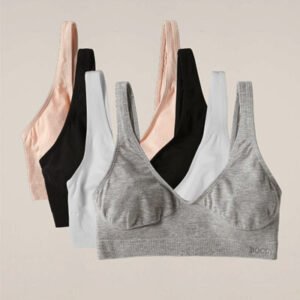
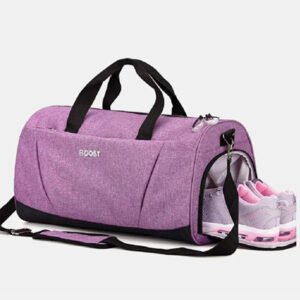
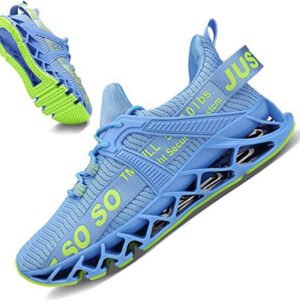
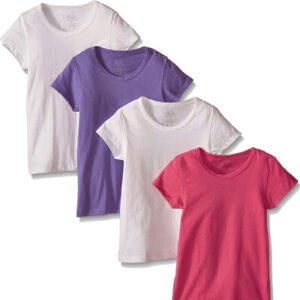
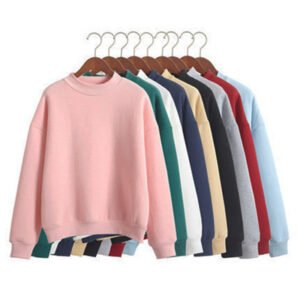
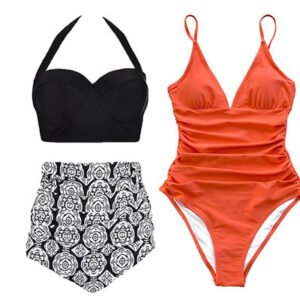
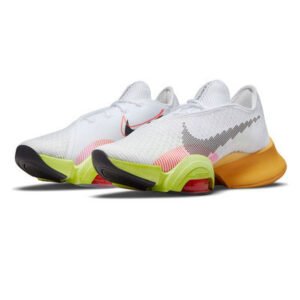
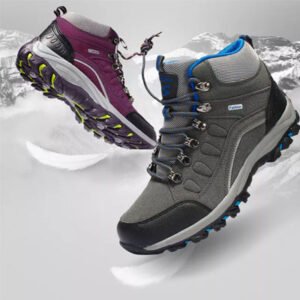


Finding the best latest women trends in 2026 is less about following every new look and more about choosing fashion pieces that suit Indian weather, everyday routines, personal style and realistic budgets. The strongest wardrobe choices combine current silhouettes with practical fabrics, comfortable fits and enough versatility to work across multiple occasions.
This independent buying guide is designed for shoppers in India comparing women's fashion products and accessories in 2026. Instead of treating a trend as automatically worth buying, consider the construction, fabric, sizing, styling flexibility, maintenance requirements and overall usefulness of each item. Brands such as Levi's, ONLY, Vero Moda, Biba, Libas, W for Woman, Allen Solly, Van Heusen, Puma, Adidas and H&M are useful names to consider when comparing categories, although the right choice depends on the individual product and its specifications.
Fashion availability, colours, sizes and prices can change frequently, so check the current product details, seller information, customer feedback and return conditions before purchasing.
Relaxed trousers continue to be a practical alternative to extremely fitted bottoms. Wide-leg, straight-leg and relaxed-tailored silhouettes can create a polished appearance while allowing more freedom of movement. They are particularly useful for shoppers building wardrobes that transition between work, casual outings, travel and social occasions.
When comparing wide-leg trousers, look beyond the photograph. Check the actual waist measurement, rise, inseam, leg opening and fabric composition. A high-rise style can create a longer-looking leg line, while a mid-rise design may feel more familiar for everyday wear. Full-length trousers generally provide a more formal appearance, whereas cropped versions can work well with sneakers, flats and sandals.
For office wardrobes, neutral shades such as black, navy, beige, charcoal and brown are usually easier to combine. For casual wardrobes, denim, relaxed cotton trousers and subtle prints can provide more styling flexibility.
Oversized shirts remain one of the easiest ways to update a women's wardrobe without committing to a highly seasonal garment. A relaxed shirt can be worn independently, layered over a fitted top or styled open as a lightweight outer layer.
For Indian conditions, fabric selection deserves particular attention. Cotton and cotton-rich materials can be comfortable for warm weather, while linen and linen blends can offer an airy appearance. Rayon and other drapier fabrics may create a softer silhouette but should be evaluated carefully for care requirements and durability.
Do not assume that an oversized label means every oversized shirt will have the same proportions. Compare shoulder width, chest measurement, sleeve length and overall garment length. Some designs are intentionally broad through the body but relatively short, while others extend substantially below the hip.
Co-ord sets are useful for shoppers who want a coordinated outfit without spending time matching individual pieces. A matching top and trouser, shirt and skirt, or jacket and trouser combination can create a complete appearance with minimal styling effort.
The main buying advantage is versatility when the two pieces can also be worn separately. Before purchasing, ask whether the top works with jeans, whether the bottom works with other tops and whether the colour complements existing wardrobe staples.
For Indian wardrobes, breathable cotton, cotton blends and lightweight fabrics can be practical for daytime use. More structured materials may be appropriate for formal settings, dinners and events. Printed co-ords can make a strong statement, while solid colours generally offer greater long-term flexibility.
Contemporary kurtas remain an important category for women in India because they can work across everyday, office, festive and semi-formal settings. Current designs range from minimalist straight silhouettes to flared, printed, embroidered and layered styles.
A good kurta purchase depends heavily on fabric, length, neckline, sleeve design and transparency. Cotton and cotton-rich options can be practical for everyday Indian weather, while rayon, viscose and blended fabrics can provide a softer drape. Festive styles may include embroidery, embellishment or richer fabrics that require more careful maintenance.
Pay attention to the garment's intended fit. A straight kurta generally creates a clean vertical silhouette, while an A-line or flared design offers more movement. Side slits can improve mobility, especially with longer lengths, while shorter kurtas can be easier to pair with jeans or trousers.
Women's denim is moving beyond a single definition of the ideal fit. Straight-leg, relaxed, wide-leg, bootcut and carefully proportioned slim silhouettes can all have a place in a modern wardrobe.
The most important factors are usually the rise, waist fit, hip fit, thigh room, inseam and stretch content. Two jeans with the same nominal size can feel completely different because the pattern and fabric composition vary.
Levi's is one established brand worth comparing in the denim category, but shoppers should evaluate individual jeans by measurements and construction rather than assuming a brand name guarantees the best fit for everyone. Stretch denim can feel comfortable initially, while rigid denim can provide a more structured appearance and may change in feel with wear.
A versatile dress can provide more value than a highly specific occasion-only purchase when it works with different footwear, layers and accessories. Minimalist dresses in solid colours, restrained prints and adaptable silhouettes are particularly useful for building a compact wardrobe.
For Indian weather, consider breathable materials for daytime dresses. Cotton, linen blends and lightweight fabrics may be more comfortable in warm conditions, while heavier or lined dresses can be better suited to air-conditioned environments or evening occasions.
Length is another important consideration. Midi dresses can provide an adaptable middle ground, while shorter dresses may be easier for casual settings. Maxi dresses offer coverage and a distinctive silhouette but should be checked for actual length and ease of movement.
Handbags are both fashion accessories and functional products, so trend appeal should be balanced against capacity, organisation and carrying comfort. Structured handbags can complement professional outfits, while crossbody, shoulder and tote styles may be better suited to different everyday requirements.
Before buying, consider what the bag actually needs to carry. A compact handbag may look elegant but become inconvenient if you regularly carry a phone, wallet, keys, sunglasses, cosmetics and other essentials. Conversely, an oversized tote may provide capacity while becoming unnecessarily heavy when fully loaded.
Material is also important. Genuine leather, synthetic leather, canvas, nylon and textile constructions have different maintenance requirements and visual characteristics. Avoid selecting a bag solely because its material resembles another material in product photographs.
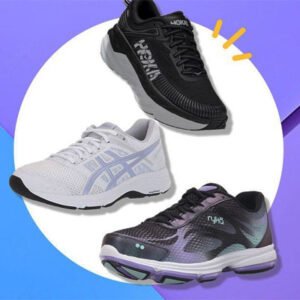
Women's sneakers have become a major wardrobe category because they can combine casual styling with practical everyday wear. Low-profile sneakers, retro-inspired designs, running-inspired lifestyle shoes and platform silhouettes each create a different visual effect.
Fashion footwear should not be evaluated solely by appearance. Check the upper material, sole construction, cushioning description, heel-to-toe profile, closure system and intended use. A lifestyle sneaker should not automatically be treated as a technical running shoe simply because it has a sporty appearance.
Puma and Adidas are among the widely recognised brands shoppers can compare, but comfort is highly individual. Foot shape, arch preferences, width, intended walking distance and sock choice can all affect the experience.
Layering has particular value in India because temperatures can vary significantly between outdoor conditions, offices, shopping centres, transport and evening environments. Lightweight jackets, shrugs, cardigans, overshirts and cropped layers can extend the usefulness of existing outfits.
A layering piece should complement the clothes underneath rather than make the entire outfit difficult to manage. Neutral outer layers are often easier to style, while a distinctive colour or texture can be useful when the rest of the wardrobe is minimalist.
Consider sleeve volume carefully. An oversized outer layer may look contemporary but can become uncomfortable over another oversized shirt or sweater. Cropped jackets can work well with high-waisted trousers and skirts, while longer layers can create a more elongated appearance.
One of the most practical trends for 2026 is the continued emphasis on better basics. Plain T-shirts, neutral tops, tailored trousers, versatile skirts, simple dresses, everyday denim and understated accessories may not appear as dramatic as seasonal statement pieces, but they can generate more outfit combinations.
When comparing basics, fabric quality, fit consistency and construction become more important than trend-driven details. A well-proportioned neutral top can work under blazers, with denim, alongside skirts or as part of a layered outfit.
Brands including H&M, ONLY, Vero Moda, Allen Solly and Van Heusen can be included in a broader comparison of women's basics, while Indian-focused brands such as Biba, Libas and W for Woman may be relevant when looking for contemporary Indian silhouettes. Always compare the specific garment because fabric composition, fit and construction can vary between collections.
The best product is not necessarily the most expensive, most popular or most fashionable option. A better approach is to match the product with your actual lifestyle, climate, wardrobe and usage frequency.
Identify where and how frequently the item will be worn. An office wardrobe requires different priorities from college wear, travel clothing, festive outfits or occasional party fashion. A garment that looks excellent for a specific event may have limited value if it cannot be incorporated into other outfits.
Fabric composition can tell you considerably more about a garment than a trend label. Cotton is widely used for breathable casual clothing, linen is valued for its airy texture, denim provides structure, synthetic fibres can offer specific performance or care advantages, and blended fabrics can balance characteristics from multiple fibres.
There is no universally superior fabric. The right material depends on climate, activity, desired appearance, washing routine and personal comfort. In warm and humid conditions, fabric weight and breathability can matter more than the fashion trend itself.
Women's clothing sizes are not completely standardised across brands or product categories. A medium in one garment can have substantially different measurements from a medium elsewhere.
When available, compare bust, waist, hip, shoulder, rise, inseam and garment-length measurements with a garment you already own. For trousers and jeans, waist and inseam measurements are especially important. For dresses and tops, bust and shoulder measurements can help prevent an otherwise attractive purchase from fitting poorly.
Colour should be evaluated according to your existing wardrobe rather than isolated product photographs. Black, white, navy, beige, grey, denim and selected earthy tones can be relatively easy to combine, while bright colours and distinctive prints can provide stronger visual impact but may require more deliberate styling.
Screen settings can also affect how a product colour appears online. If an exact shade is important, review the written colour description and customer photographs where available, while recognising that user-generated images can also vary due to lighting and camera settings.
Cotton is a familiar choice for T-shirts, shirts, kurtas, casual dresses and everyday clothing. Its feel varies substantially depending on weave, weight, finishing and blend composition. A heavier cotton shirt can look structured, while lightweight cotton may feel more appropriate for warm conditions.
Linen is associated with a breathable, naturally textured appearance and is useful for warm-weather styling. Wrinkling is part of the material's characteristic appearance, so it may not be the best option for shoppers who prefer garments that look freshly pressed throughout the day. Linen blends can offer a different balance of texture, drape and maintenance.
Denim varies in weight, weave, stretch and finishing. Stretch denim can provide easier movement, while rigid denim can create a more structured feel. Check the fabric composition and care instructions rather than assuming all denim behaves similarly.
These fabrics are often used when a softer drape is desired. They can produce flowing dresses, tops and kurtas, but care requirements vary by construction and blend. Follow the garment's stated washing and drying instructions rather than applying one care method to every item.
Polyester, nylon and other synthetic fibres are used extensively in modern apparel and footwear. They can offer useful properties depending on the product's intended application, but comfort varies according to weave, weight and finishing. A synthetic fabric should not automatically be considered unsuitable; evaluate it in the context of the specific garment.
Online shopping removes the ability to physically inspect a product before purchase, so product pages require careful reading. High-resolution photographs can help, but specifications and customer feedback are equally important.
Customer reviews are useful evidence, but they should not be treated as a substitute for specifications. A large review count does not automatically mean that an item will suit every shopper.
Look for repeated observations. If multiple customers independently mention inconsistent sizing, fabric transparency, colour differences or uncomfortable footwear, those patterns deserve more attention than a single enthusiastic review.
Review photos can also provide additional context about proportions, colour and real-world appearance. However, lighting, camera processing and individual body proportions can influence how a product appears, so use customer photographs as supporting information rather than exact measurements.
A trend can be visually appealing while still being unsuitable for your lifestyle. Before buying, consider whether you can create at least several outfits with the item and whether you would realistically wear it more than once.
Using your usual size without checking the current product's measurements can lead to avoidable fit problems. Size charts are particularly important for jeans, trousers, fitted dresses, bras, footwear and structured garments.
Comfort becomes increasingly important for clothing intended for long workdays, commuting, travel or frequent use. An item that requires constant adjustment is unlikely to become a wardrobe favourite regardless of how fashionable it looks.
A garment requiring delicate cleaning may be unsuitable for someone who wants a low-maintenance everyday wardrobe. Always check care instructions before purchasing embellished, delicate, heavily structured or specialty-fabric products.
Distinctive colours can be excellent style choices, but if the item only works with one outfit, its practical value may be limited. Consider existing trousers, jeans, skirts, footwear and accessories before choosing a highly specific shade.
This mistake is especially common with handbags, luggage-style accessories and footwear. External dimensions do not always represent usable internal capacity, while shoe length alone does not describe width or toe-box shape.
The most useful wardrobe strategy is not necessarily to choose between trends and timeless clothing. Instead, combine a stable foundation with a smaller number of current pieces.
This approach can reduce unnecessary purchases while keeping everyday outfits contemporary.
Prioritise tailored trousers, versatile shirts, structured dresses, modest kurtas, comfortable footwear and practical handbags. Neutral colours can simplify outfit planning, while a small number of statement accessories can provide variety.
Focus on comfortable jeans, relaxed shirts, T-shirts, casual dresses, co-ord sets and versatile sneakers. Pieces that can be mixed across multiple outfits generally offer better practical value than highly specialised garments.
Lightweight layers, comfortable footwear, wrinkle-manageable fabrics and versatile separates are useful priorities. Consider whether an item can be worn in multiple combinations before adding it to a travel wardrobe.
Kurtas, coordinated ethnic sets, embellished tops, elegant dresses and statement accessories can create occasion-ready outfits. Pay particular attention to fabric care and storage when selecting heavily decorated garments.
Prioritise pieces that coordinate with multiple items already in your wardrobe. Solid colours, classic silhouettes and high-use categories can create more combinations with fewer garments.
A capsule wardrobe does not need to follow a strict number of pieces. The principle is to reduce duplication and increase the number of useful combinations.
Before buying another similar item, identify what role it will perform that your existing wardrobe does not already cover.
The lowest purchase price is not always the best value, and a higher price does not automatically indicate superior quality. Compare the actual construction, fabric, expected frequency of use and versatility of the product.
For frequently worn basics, durability and fit may justify spending more when the product genuinely performs better. For highly seasonal trends, a more moderate purchase can make sense if you expect the style to have a shorter useful life.
When comparing current offers, check the final listed price, applicable discounts, seller information, delivery terms, return conditions and product specifications. Promotions can change, so treat displayed deals as time-sensitive rather than permanent pricing.
When two products look similar, create a simple comparison based on factors that actually affect your purchase decision.
This approach is more reliable than selecting an item solely from a product photograph or headline discount.
Key categories to consider include relaxed and wide-leg trousers, oversized shirts, co-ord sets, contemporary kurtas, updated denim silhouettes, minimalist dresses, versatile handbags, lifestyle sneakers, lightweight layers and elevated wardrobe basics. The most suitable trend depends on personal style, climate, occasion and budget.
Versatile basics, comfortable trousers, straight or relaxed denim, simple dresses, everyday shirts and practical footwear are generally easier to incorporate into frequent-use wardrobes than highly specialised statement pieces.
Pay particular attention to fabric, breathability, size measurements, garment length, transparency, care instructions and intended use. Indian weather varies substantially by region, so the same trend may require different fabric choices depending on local conditions.
No. Brand reputation can provide useful context, but individual products should still be evaluated by fabric, construction, fit, comfort, care requirements and customer feedback. A moderately priced product can be a better choice when it better matches your needs.
Use the product-specific size chart and compare its measurements with a well-fitting garment you already own. Pay attention to bust, waist, hip, shoulder, rise, inseam and garment length depending on the product.
Lightweight cotton, linen and suitable blends are common choices for warm-weather clothing. However, comfort depends on the weave, weight, construction and personal preference, so fabric composition should be considered alongside the complete product specification.
Yes. Proportion matters more than a simple height rule. High-rise trousers, an appropriate inseam and footwear that complements the silhouette can help create a balanced appearance. Always check the actual garment measurements rather than relying on a generic styling rule.
Pair trend-led pieces with timeless wardrobe staples. For example, an updated trouser silhouette can be combined with a simple shirt, while a statement top can be paired with classic denim. Neutral accessories can also help a seasonal piece integrate into everyday outfits.
Check material, stitching, handle attachment points, strap construction, closures, internal compartments and usable capacity. Consider the items you normally carry rather than choosing a bag solely according to external appearance.
First identify whether the shoe is designed for lifestyle wear, walking or a particular sport. Then consider sizing, width, toe-box space, upper material, outsole construction and comfort. A fashionable sneaker is not automatically suitable for every type of activity.
Reviews are most useful when multiple customers report the same issue or benefit. Look for recurring comments about sizing, fabric, transparency, construction, colour and comfort. Combine those observations with the official product specifications and size chart.
No. The strongest wardrobe is usually based on personal comfort and repeat use rather than constantly replacing clothing. Select trends that complement your body proportions, lifestyle, existing wardrobe and preferred aesthetic.
The best latest women's trends are the ones that provide a useful combination of contemporary styling, comfort, quality and versatility. For Indian shoppers, climate and daily lifestyle should remain central to the decision. A fashionable garment that is uncomfortable in local conditions or difficult to maintain may offer less practical value than a simpler, better-designed alternative.
Before purchasing, compare specifications rather than relying exclusively on popularity. Check measurements, fabric, construction, customer feedback, care requirements, seller details and applicable return conditions. For affiliate shopping, independently verify the current product information and final price at the retailer before completing a purchase.
Most importantly, treat trends as styling options rather than rules. A well-chosen pair of trousers, versatile shirt, contemporary kurta, comfortable sneaker, practical handbag or elevated basic can remain useful well beyond a single fashion season when it fits naturally into the wardrobe you already own.
Which direction should the next version emphasise: budget picks, premium brands, or Amazon India-focused choices?