

♥ Wishlist
Compare 30 verified Men Shoes for Every Style, Occasion and Everyday Need products in India. Reviews, ratings, pros, cons and buying advice updated for October 2026.
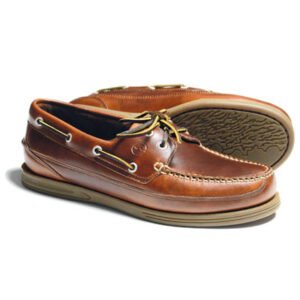
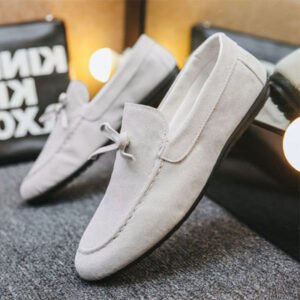
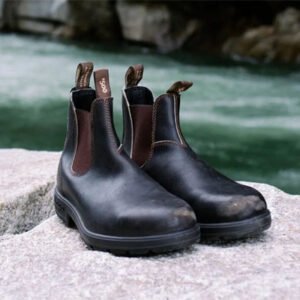
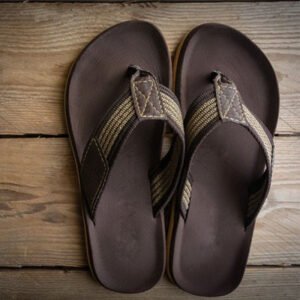
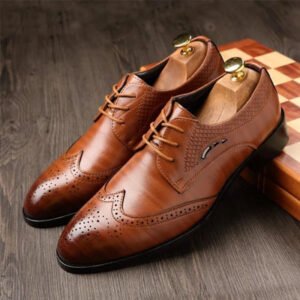
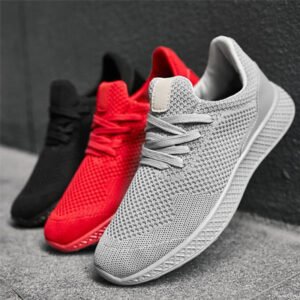
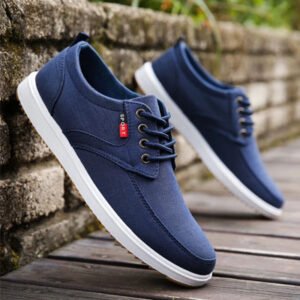
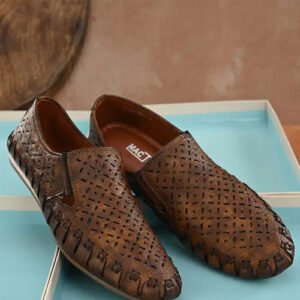
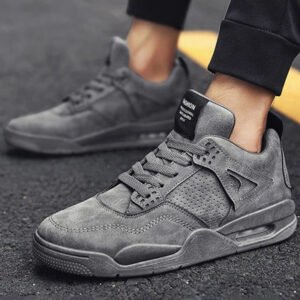
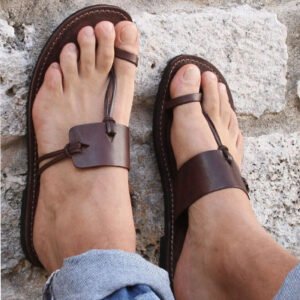


Men’s footwear in India is no longer divided neatly into formal shoes, casual shoes and sports shoes. Modern wardrobes increasingly combine comfort, versatility and fashion, so the most useful way to evaluate a 2026 shoe trend is to consider how well it works in real Indian conditions as well as how current it looks.
A fashionable silhouette is only one part of the decision. Climate, walking habits, commuting, workplace dress codes, monsoon conditions, foot shape, maintenance requirements and the amount of use a shoe will receive can all matter more than a temporary fashion trend.
This guide is intended to help shoppers compare the latest men's shoe styles on practical criteria rather than choosing solely because a particular colour, sole or silhouette is popular. When comparing products from brands such as Nike, Adidas, Puma, Skechers, ASICS, New Balance, Reebok, Woodland, Bata, Red Tape and Clarks, check the actual specifications, construction, sizing information and current customer feedback for the individual model.
Retro-inspired sneakers remain a versatile choice for men who want footwear that feels fashionable without looking excessively experimental. Classic panelled uppers, low-to-medium profiles, contrast detailing and heritage-inspired shapes can work with jeans, chinos, casual trousers and relaxed everyday outfits.
The most important buying consideration is not whether a shoe looks retro but whether its construction suits modern use. Examine the midsole, outsole, upper material, cushioning and internal lining. A vintage-inspired appearance does not automatically mean the shoe is uncomfortable, nor does a contemporary-looking sole guarantee better support.
Minimalist-looking sneakers are useful for shoppers who prefer understated footwear. White, off-white, black, grey and muted neutral tones can provide considerable wardrobe flexibility, particularly when a single pair needs to cover casual outings, travel and smart-casual occasions.
Minimal styling should not be confused with minimalist footwear construction. A visually simple sneaker may still contain substantial cushioning, a structured heel, a removable insole or a multi-layered sole unit. Compare the technical details rather than judging comfort from appearance alone.
For India, maintenance is particularly important with light-coloured footwear. Dust, road grime, rain splashes and everyday stains can become noticeable quickly. If choosing white footwear, check the cleaning instructions and determine whether the materials can be maintained easily with products already available to you.
Chunkier soles continue to provide an easy way to create a more substantial contemporary appearance. They can add visual weight to an outfit and are particularly noticeable with relaxed jeans, wide-leg trousers and streetwear-inspired clothing.
However, a thick sole should not be evaluated only by its height. Weight, flexibility, traction and stability can vary considerably between designs. An extremely substantial sole can feel different from a conventional sneaker when walking, climbing stairs or driving.
Running and training footwear continues to influence everyday men's fashion. Technical-looking mesh, engineered uppers, sculpted midsoles and performance-inspired detailing can make athletic footwear suitable for casual wardrobes.
The advantage of this category is that appearance and everyday comfort can overlap. The disadvantage is that shoppers may purchase a shoe designed for a particular athletic purpose without considering whether its characteristics are useful for their actual routine.
If you want an everyday sneaker rather than a dedicated running shoe, consider cushioning, stability, flexibility and durability for walking before focusing on performance terminology. A shoe engineered for running should not automatically be assumed to be the best option for office commuting or extended standing.
Loafers occupy an important position between formal footwear and casual shoes. Depending on the material, sole and finishing, they can work with tailored trousers, chinos, jeans and occasion-specific outfits.
Leather loafers tend to create a more traditional appearance, while suede and casual textile variations can look more relaxed. Penny-loafer, tassel-loafer and bit-style designs create different levels of visual formality, so shoppers should match the design to their wardrobe rather than treating every loafer as interchangeable.
Fit is especially important with slip-on footwear. The shoe should hold the heel securely without excessive pressure across the instep. Because there are no conventional laces to adjust fit throughout the day, the initial shape and sizing need careful consideration.
Formal footwear is also evolving toward greater versatility. Derby-style shoes, refined lace-ups and streamlined dress shoes can provide a polished appearance while being less restrictive in styling than highly traditional formal silhouettes.
For office use, interviews, business meetings and formal events, pay attention to the relationship between the shoe and the rest of the outfit. A highly decorative shoe may be less versatile than a clean black or dark-brown design. Similarly, a very glossy finish can create a more formal impression than a matte or lightly textured finish.
Suede, nubuck and other textured materials can add visual depth to otherwise simple men's footwear. They work particularly well with chinos, denim, overshirts, casual jackets and smart-casual outfits.
The trade-off is maintenance. Textured materials generally require more careful cleaning than smooth synthetic uppers or conventional leather. Indian monsoon conditions can also make moisture management an important consideration.
Before buying, check the manufacturer's care guidance and consider whether you are willing to maintain the material correctly. A more maintenance-intensive shoe may be worthwhile for occasional wear, but it may be inconvenient as an everyday commuter shoe.
Outdoor-inspired footwear has influenced casual fashion through rugged outsole patterns, reinforced uppers, contrast panels and practical-looking construction. These shoes can be particularly appealing to shoppers who want a stronger visual character than a conventional lifestyle sneaker.
Do not assume that a trail-inspired appearance makes a shoe suitable for serious hiking. A lifestyle shoe may borrow outdoor styling without having the protection, waterproofing, outsole compound or structural support required for demanding trails.
For genuine outdoor use, check the manufacturer's intended activity and technical specifications. For city use, focus on traction, comfort, breathability and ease of cleaning.
Breathable footwear is particularly relevant in warm and humid parts of India. Mesh and engineered textile uppers can allow greater airflow than some heavily constructed alternatives, making them attractive for daily walking and casual use.
Breathability can come with trade-offs. Lightweight textile uppers may provide less resistance to water, dirt or abrasion than heavier materials. Consider the conditions in which you will wear the shoes before choosing the lightest possible construction.
Hybrid footwear is designed around versatility. These shoes may combine a dressier upper with a casual rubber outsole, or traditional styling with sneaker-like cushioning. They are particularly useful for men who want one pair to transition between office environments, travel and social occasions.
The key question is whether the hybrid design actually matches your dress requirements. Some workplaces accept smart-casual footwear, while others require traditional formal shoes. Similarly, a hybrid shoe may be excellent for travel but unsuitable for a highly formal ceremony.
The first question should be where and how frequently you expect to wear the shoes. A fashionable sneaker for occasional outings has different requirements from a pair worn for eight hours of commuting and standing.
Leather remains a traditional option for formal and premium-looking footwear. It can provide a structured appearance and, depending on the construction and finish, can develop a distinctive character with regular care.
Different leather grades and finishing methods can behave very differently, so the word leather alone is not enough to determine quality. When comparing products, inspect the stated material, construction details and care instructions.
Synthetic materials can provide consistent appearance and may be easier to clean than some natural materials. They are widely used across casual, formal and fashion footwear.
Look beyond the label and assess the overall construction. Upper quality, lining, stitching, sole attachment and finishing all influence the practical experience.
Textile uppers are common in running, walking and lifestyle sneakers because they can support lightweight construction and ventilation. Their suitability depends on the weave, reinforcement and intended use.
For frequent outdoor use, pay attention to exposed areas around the toe box, heel and sides because these sections can experience greater abrasion.
Suede and nubuck provide a soft, textured appearance but require more deliberate care. They can be excellent choices for dry-weather smart-casual dressing when the wearer is comfortable following the recommended maintenance routine.
The outsole is the part that directly interacts with the ground. Examine its pattern and coverage instead of judging traction solely from photographs. Deeper or more complex tread may be useful for certain surfaces, while a flatter pattern can be appropriate for indoor and urban environments.
The midsole has a major influence on cushioning, ride characteristics and overall comfort. Foam density, geometry and construction vary significantly between models.
A softer midsole is not automatically better. Some people prefer a softer step-in sensation, while others prefer a firmer and more stable platform. Consider how the shoe feels during the activities for which it is intended.
The insole contributes to underfoot comfort and can influence the fit. Some shoes use removable insoles, while others use permanently integrated footbeds. If you normally use a particular type of insole, verify compatibility before buying.
A secure heel can make a noticeable difference in walking comfort. When evaluating a shoe, look for excessive heel movement, especially in slip-on designs. A shoe that feels comfortable at the toes but moves excessively at the heel may not be the right fit.
Cushioning should be matched to activity rather than selected purely because a shoe appears soft. Daily walking, running, gym training and formal standing can create different requirements.
For everyday walking, moderate cushioning with a stable base may offer a useful balance. Dedicated running shoes can use more specialised cushioning systems because they are designed around repeated impact during running. Formal shoes generally prioritise structure and appearance differently from athletic footwear.
When comparing highly cushioned models, also consider stability. A very soft platform may feel comfortable immediately but can provide a walking sensation that some users do not prefer.
Shoe size is not simply a measurement of foot length. Width, instep height, toe-box shape and heel volume can significantly affect comfort.
Two shoes marked with the same size can feel different because brands and individual models use different lasts and internal dimensions. This is why relying on size alone can lead to disappointing purchases.
Your toes should have adequate room to sit naturally without being compressed from the sides or front. Excessively narrow footwear can become uncomfortable during extended wear, while excessive space can reduce secure fit.
The heel should feel reasonably secure when walking. Minor movement can occur in some shoe designs, but persistent slipping can indicate a mismatch between the shoe shape and your foot.
If you have wider feet, do not simply increase the shoe length to gain additional width. A longer shoe can leave excessive space in front while still failing to provide the right lateral fit. Look for models or variants that explicitly accommodate different widths where available.
Hot weather makes ventilation, moisture management and sock choice important. Lightweight mesh and breathable textiles can be useful for casual walking, while heavily enclosed constructions may feel warmer.
During rainy periods, traction and moisture management become more important. A fashionable suede sneaker may not be the most practical choice for wet commuting. If you regularly travel through waterlogged or wet areas, examine the manufacturer's information about water resistance rather than assuming a particular material is waterproof.
Colder conditions in northern parts of India may make more substantial footwear comfortable, although requirements vary considerably by region. Leather, suede and lined constructions can offer a different wearing experience from lightweight mesh sneakers.
White sneakers are highly versatile but require regular cleaning to maintain their appearance. Off-white and cream shades can provide a softer alternative while remaining easy to coordinate with casual clothing.
Black footwear is practical for many wardrobes because it hides some everyday marks and works naturally with dark clothing. It can also appear more formal than brighter casual colours depending on the silhouette.
Brown and tan footwear works particularly well with blue denim, beige chinos, olive clothing and other earth tones. These shades are especially useful in leather and smart-casual footwear.
Grey, beige, navy and other muted colours can provide a middle ground between highly versatile neutrals and more distinctive fashion colours.
Bright colours, contrasting panels and unusual combinations can make a shoe the focal point of an outfit. They are best considered when your existing wardrobe already contains enough neutral clothing to support them.
Product photographs can make almost any shoe look appealing. Before purchasing, examine specifications, materials, sole construction, intended use and customer feedback. Appearance should be one part of the decision rather than the entire decision.
Even within the same brand, different shoe families can have different shapes. Always check the specific model's size guidance and customer feedback rather than assuming your previous size will automatically fit.
When buying footwear online, review the retailer's current return and exchange conditions before ordering. Pay attention to eligibility, time limits, product condition requirements and whether specific categories have different policies.
Running shoes can be excellent for running and everyday walking, but they are not universally appropriate for every activity. Gym training, court sports, hiking and formal use can require different design priorities.
A shoe that looks excellent when new may require considerable maintenance. Consider how often you will clean it and whether the material suits your environment before making the purchase.
A lower price does not make an unsuitable shoe a good purchase. Compare the intended use, construction, fit and expected frequency of wear before considering the deal itself.
When two products appear similar, compare them using the same criteria. This prevents a striking photograph or a prominent marketing claim from dominating the decision.
Brand reputation can help narrow a large footwear category, but it should not replace model-level research. Established names such as Nike, Adidas, Puma, ASICS, Skechers and New Balance offer different footwear families aimed at different uses. Reebok, Woodland, Bata, Red Tape and Clarks also cover distinct portions of the men's footwear market.
The best brand for one shopper may not be the best brand for another. A person seeking running footwear should evaluate running-specific design and fit, while someone shopping for formal office footwear should give greater weight to construction, finish and dress compatibility.
Before choosing a brand, compare the exact model rather than assuming that all products from a recognised company share the same quality, fit or comfort characteristics.
Set a practical budget based on how frequently the footwear will be used. Spending more can make sense when a shoe will be worn several times each week, but price alone does not guarantee a better match.
Consider cost per use as well as purchase price. A versatile pair worn regularly may provide more practical value than a highly specialised pair that spends most of the year unused.
At the same time, avoid choosing extremely inexpensive footwear solely because it appears to offer a large discount. Check materials, construction, fit information and retailer policies before deciding.
A practical wardrobe does not require a large number of pairs. The objective is to cover different occasions with footwear that performs well in each category.
This approach can be more useful than buying several pairs that all perform essentially the same role.
Office footwear should be selected according to the workplace dress code. Traditional corporate environments may require conservative leather formal shoes, while more relaxed offices may permit loafers, minimal sneakers or smart-casual hybrid footwear.
Colour coordination also matters. Black shoes are generally straightforward with formal trousers, while brown footwear offers additional styling options with navy, beige and other colours.
For people who commute on foot or public transport, consider carrying or changing into formal footwear rather than forcing a delicate dress shoe to handle long outdoor journeys. This can also reduce unnecessary wear.
College footwear typically benefits from versatility. A pair that works with jeans, joggers, chinos and casual shirts can cover more situations than an aggressively styled shoe.
Look for materials that tolerate frequent use and cleaning. If the shoe will be worn almost every day, comfort and durability should carry more weight in the decision than a short-lived fashion detail.
Travel footwear needs to balance comfort, weight and versatility. A pair that works with several outfits can reduce luggage requirements.
Special-event footwear should complement the level of formality of the clothing. Sleek formal shoes are generally easier to coordinate with tailored suits and formal trousers, while loafers can work well with selected semi-formal and festive outfits.
For Indian weddings and celebrations, the outfit may involve sherwanis, bandhgalas, kurtas, Nehru jackets or tailored Western clothing. Shoe selection should therefore be based on the complete outfit rather than the footwear trend alone.
Follow the manufacturer's cleaning instructions for the specific material. Avoid assuming that every sneaker can be placed in a washing machine. Excessive water, heat or aggressive cleaning products can damage adhesives, finishes, foams or delicate materials.
Keep leather footwear clean and use care products appropriate for the particular leather and finish. Allow damp footwear to dry naturally rather than applying direct high heat.
Use suitable suede-care methods and avoid treating suede like smooth leather. Regular gentle maintenance can help prevent dirt from becoming deeply embedded.
If shoes become wet, remove excess moisture and allow them to dry naturally in a well-ventilated area. Avoid placing footwear directly against strong heat sources because rapid drying can affect certain materials and adhesives.
If possible, rotate between pairs rather than wearing the same shoes every day. Allowing footwear to air out between uses can make maintenance easier and reduce constant wear on a single pair.
Customer reviews can provide useful information, but they should be interpreted systematically. One isolated complaint does not necessarily indicate a widespread problem, while repeated comments about the same issue deserve closer attention.
There is rarely one universally best men's shoe. The right choice depends on the intended use, foot shape, budget, climate, wardrobe and personal preference.
For one shopper, the best option may be a lightweight everyday sneaker. Another shopper may benefit more from a durable formal shoe, a supportive walking shoe or a versatile loafer. This is why product comparisons should identify strengths and limitations rather than declaring a single model suitable for everyone.
Before placing an order for men's footwear in India, use this checklist to make the comparison more objective:
For general everyday use, a versatile sneaker is often a practical starting point, particularly in a neutral colour and with a comfortable fit. The ideal choice depends on climate, walking requirements, workplace rules and personal style.
Yes, chunky sneakers can work well for everyday casual outfits, provided their weight, stability and fit suit the wearer. Compare the actual construction instead of choosing solely based on sole thickness.
White sneakers can be highly versatile, but they require more visible maintenance. If you regularly encounter dust, mud or rain, consider how easily the chosen material can be cleaned before purchasing.
The answer depends on the workplace dress code. Traditional offices may favour formal leather lace-ups, while smart-casual workplaces may allow loafers, minimalist sneakers or hybrid designs.
Neither material is automatically best for every situation. Compare appearance, breathability, maintenance, durability expectations, weather exposure and intended use before deciding.
Some running shoes can be comfortable for everyday walking, but they should not be selected solely because they are running shoes. Check fit, cushioning, stability and whether the model's characteristics suit your walking routine.
The shoe should provide enough room for natural toe positioning while holding the heel securely. Width and instep fit are also important, so length alone should not determine the correct size.
There is no fixed number. A practical wardrobe can begin with a versatile everyday sneaker, a formal shoe and footwear for any activity you regularly perform. Additional pairs can be added according to climate, occupation and lifestyle.
No. Price should be evaluated alongside construction, materials, fit, intended use, durability expectations and maintenance requirements. A less expensive shoe can be the better choice when it matches your needs more closely.
Replacement depends on construction, frequency of use, activity and wear. Inspect the outsole, cushioning, upper, heel structure and overall fit rather than replacing footwear according to an arbitrary calendar.
Measure your feet according to the manufacturer's instructions, compare the measurements with the specific model's sizing guidance and read customer feedback for recurring fit comments. Also review the retailer's current exchange and return conditions before ordering.
Confirm the exact model, size availability, specifications, current final price, return conditions and customer feedback. A sale is useful only when the shoe is appropriate for your needs and fits correctly.
The strongest men's footwear purchase is not necessarily the most fashionable shoe, the most expensive model or the product with the highest number of reviews. It is the shoe whose construction, fit, appearance and intended purpose align with the way you actually live.
Use trend information to discover styles you like, then move beyond the trend and investigate the details that affect long-term satisfaction. Compare materials, sole construction, sizing, comfort features, maintenance requirements, customer feedback and retailer policies before making a final decision.
Because product specifications, customer feedback, prices, stock status and retailer policies can change, verify the current information on the relevant product listing before purchasing. This is especially important when comparing men's shoes in India during 2026.