

♥ Wishlist
Compare 59 verified Women's Tights & Leggings for Everyday Style and Comfort products in India. Reviews, ratings, pros, cons and buying advice updated for October 2026.


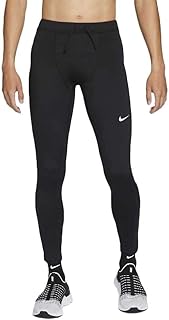


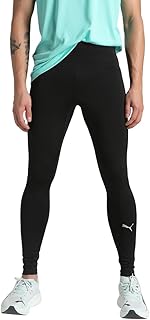


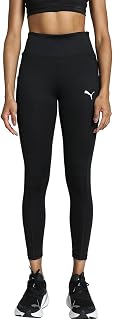


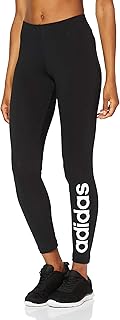


Choosing tights or leggings is not simply a matter of picking the most attractive colour or the lowest price. The right pair needs to match its intended use, fabric characteristics, fit, waistband construction, stretch, opacity, climate and washing routine. A pair designed for everyday casual wear can feel very different from leggings intended for running, gym training, yoga, travel or long periods of sitting.
For shoppers in India, climate is an especially important consideration. Lightweight, breathable fabrics can be more comfortable in hot and humid conditions, while thicker constructions may be preferable during winter or for indoor workouts in air-conditioned environments. Buyers should also consider whether the leggings will be worn independently as trousers, underneath longer tops or kurtas, or as a base layer.
When comparing options from brands such as Nike, Adidas, Puma, Jockey, HRX, Clovia, Zivame and BlissClub, look beyond the brand name. Compare the actual fabric composition, garment construction, sizing information, intended activity and customer feedback for the specific product. Different ranges from the same brand can have substantially different fits and materials.
The terms tights and leggings are often used interchangeably in online shopping, but they can describe somewhat different products. Leggings are generally opaque and are commonly worn as standalone bottoms, whereas tights can refer to thinner, more form-fitting garments that may be used for layering, dance, performance or fashion.
There is no universal naming convention across Indian retailers, so the product specifications matter more than the title. A product described as tights may still be relatively thick, while a product labelled leggings may be lightweight. Check fabric weight when provided, composition, opacity information, waistband design and intended use before purchasing.
Current leggings trends are increasingly combining practical performance features with everyday styling. Instead of treating activewear and casualwear as completely separate categories, shoppers can find designs intended to transition between exercise, errands, travel and relaxed daily outfits.
High-rise leggings remain a versatile choice because they provide greater coverage around the waist and can pair easily with cropped, oversized or longer tops. For active use, the quality of the waistband matters more than the rise measurement alone. A wide waistband can distribute pressure more evenly, while poorly designed elastic can roll, pinch or loosen during movement.
Seamless or reduced-seam leggings are popular for shoppers who prefer a smooth appearance and fewer areas of potential friction. However, fewer seams do not automatically mean better quality. Examine the knit structure, stretch recovery, waistband construction and fabric density rather than treating the seamless label as a guarantee of performance.
Flared leggings and bootcut silhouettes have become useful alternatives to conventional fitted ankle leggings. They can work particularly well with casual footwear and longer tops. Because the lower leg is wider, they are generally more fashion-oriented than performance-focused, although suitability depends on the specific construction.
Full-length leggings provide maximum leg coverage and can be useful during cooler weather or when a traditional ankle-length appearance is preferred. A 7/8 design finishes slightly higher and can feel practical for training or warmer conditions. The ideal length depends on the wearer's height, proportions, footwear and intended styling.
Prints, ribbed textures, colour blocking and subtle surface patterns provide more styling options than plain black leggings. Textured fabrics can also create a different visual appearance, but buyers should inspect the composition and construction because texture alone does not indicate durability, stretch or comfort.
Side pockets and hidden waistband pockets are increasingly useful features for running, walking, commuting and travel. Check the pocket dimensions rather than assuming a pocket will hold a particular phone size. A pocket should also remain secure during movement without creating excessive fabric bulk.
The best pair depends heavily on what you plan to do while wearing it. A useful buying decision starts with the activity rather than the brand.
For gym training, prioritise stretch, waistband stability, moisture management, opacity and freedom of movement. Squats, lunges and strength exercises can expose weaknesses in fabric coverage and seam construction that may not be noticeable during casual walking.
Yoga and Pilates require unrestricted movement and comfortable fabric. A very compressive garment may not be the best choice for every practice. Soft hand feel, four-way stretch, a stable waistband and low-friction seams can be more important than maximum compression.
For running, moisture management, secure fit and practical storage become more important. A phone pocket that does not bounce excessively can be valuable. Reflective details may also be useful for low-light activity when present, although buyers should not treat small reflective elements as a substitute for proper visibility equipment.
Everyday leggings need a balance between comfort, opacity, appearance and wash durability. If they will be worn with kurtas, oversized shirts, dresses or long tops, colour versatility may be more valuable than technical performance features.
Travel leggings should be comfortable during extended sitting while retaining their shape. Soft fabrics, a waistband that does not dig in and resistance to excessive wrinkling can make a difference on long journeys. Pockets can also reduce the need for a separate small bag during short walks or airport transfers.
Fabric composition is one of the most important specifications to examine before buying. Leggings are commonly produced using synthetic fibres, cotton blends or combinations designed to balance softness, stretch, durability and moisture management.
Polyester is widely used in performance clothing because it can provide durability and practical moisture-management characteristics when incorporated into an appropriate fabric construction. Polyester leggings can be a strong choice for workouts, running and frequent use.
Nylon is valued for its smooth feel, strength and ability to form flexible stretch fabrics. Nylon-rich leggings can feel particularly comfortable against the skin and are commonly used in activewear constructions.
Spandex, also called elastane, provides stretch and helps a garment return toward its original shape. The percentage matters, but it should not be considered in isolation. A higher elastane percentage does not automatically make a particular pair superior because fabric construction, knitting, density and garment design also affect performance.
Cotton can provide a soft and familiar feel and is often preferred for casual wear. However, cotton can behave differently from synthetic performance fabrics when exposed to sweat and repeated washing. For intense workouts, compare the complete blend and intended-use information rather than choosing solely based on softness.
Polyamide-based fabrics can offer a smooth, durable and flexible feel. Many premium-feeling leggings use blends rather than a single fibre because manufacturers can tune the fabric for stretch, recovery, softness and durability.
Stretch determines how easily leggings accommodate movement, while recovery describes how effectively the fabric returns to its original shape. Both are important. A garment can initially feel very stretchy but still lose its shape if it does not recover well.
When assessing stretch, consider activities that require deep bending, squatting, stretching or running. The fabric should allow the required range of motion without creating excessive pressure or becoming visibly strained.
Recovery is especially important around the knees, hips and seat. Repeated stretching in these areas can reveal whether the fabric retains its original fit. Customer feedback can sometimes provide useful clues about long-term shape retention, but reviews should be interpreted across multiple buyers rather than relying on one comment.
Opacity is a major consideration, particularly for leggings used for workouts. A fabric that appears opaque while standing may become more transparent when stretched. This is one reason size selection matters: choosing a smaller size than recommended can place additional tension on the fabric.
The waistband often determines whether leggings remain comfortable throughout the day. Look for a design that sits securely without excessive pressure. Wide waistbands can distribute tension across a larger area, while drawstrings may provide additional adjustability on some athletic designs.
High-waist designs cover more of the midsection and can provide a secure feeling during exercise. The waistband should remain stable when sitting, bending and moving rather than repeatedly rolling downward.
Elastic provides flexibility, but the quality of the elastic and how it is integrated into the garment are important. Excessively tight elastic can become uncomfortable, while weak elastic can allow the leggings to slide.
Drawstrings can be useful when a more adjustable fit is required. They are particularly practical for some running and training designs, although the cord should sit comfortably and remain secure during movement.
Compression leggings are designed to fit more closely than ordinary everyday leggings. Compression can range from relatively light support to much firmer constructions, depending on the garment. Buyers should distinguish between leggings that simply provide a close fit and products specifically marketed as compression garments.
For general fitness, a comfortable close fit may be preferable to maximum compression. If you are considering compression garments for a medical or therapeutic purpose, follow advice from an appropriately qualified healthcare professional rather than relying on fashion or fitness product descriptions.
Never assume that your usual clothing size will be identical across every leggings brand. Sizing standards vary between manufacturers and product ranges. Use the specific product's size chart whenever one is available.
The cheapest option is not necessarily the best value, especially if the fabric loses elasticity, develops excessive pilling or becomes uncomfortable after repeated use. Compare construction, fabric, fit and expected frequency of use alongside the purchase price.
Brand sizing can differ significantly. Relying on a previous purchase from another manufacturer can result in an unnecessarily tight or loose fit.
A product photograph cannot tell you whether a fabric will feel lightweight, warm, smooth, brushed or highly compressive. Composition and product specifications provide more useful information.
Fashion leggings may prioritise appearance rather than sweat management, stretch recovery or secure construction. If you intend to train in them, verify that the product is designed for active use.
A pocket can be useful, but poorly positioned storage can interfere with movement or create uncomfortable pressure. Consider what you actually need to carry.
Studio photography can make fabrics and seams difficult to evaluate. Product specifications, multiple customer reviews and detailed images can provide additional information about construction and fit.
When two products have similar prices and almost identical descriptions, use a structured comparison rather than choosing randomly. Start with the intended activity, then compare material, stretch, rise, length, waistband, pockets, seam design, washing instructions and available size range.
Customer reviews can be valuable, but the most useful approach is to look for repeated patterns rather than a single positive or negative comment. A large number of reviews does not automatically establish that a garment is the right choice for every buyer.
Look for comments about sizing accuracy, transparency, waistband movement, pilling, stitching, fabric feel, colour consistency, shrinkage and shape retention. Reviews mentioning the reviewer's intended use are particularly useful because the same product can perform differently for casual wear and intense training.
Pay attention to recent reviews where product listings contain multiple versions or changing specifications. If a retailer listing shows several colours or variants, confirm that the reviews and specifications correspond to the exact version you are considering.
India's varied climate means there is no single fabric that is ideal for every location or season. A lightweight breathable construction may be more practical for hot weather, while brushed or thicker leggings can be useful during cooler months.
In hot and humid conditions, consider lighter materials and moisture-management properties. For winter in northern India, thicker fabrics may provide greater comfort. For indoor exercise, room temperature and ventilation can matter as much as the outdoor climate.
For monsoon conditions, quick-drying materials may be more convenient than heavy fabrics that retain moisture. Buyers should also consider whether leggings will be washed frequently, because frequent washing places greater demands on colour, elasticity and fabric durability.
There is no universally perfect leggings cut because comfort depends on individual proportions and preferences. Some shoppers prefer a high-rise waistband with more coverage, while others prefer a lower rise. The correct fit should allow normal movement without excessive bunching or constant adjustment.
Look for a stable waistband with sufficient coverage and appropriate elasticity. A high-rise design may provide the desired feel, but check the actual rise and measurements where available.
Compare the stated inseam or length information rather than relying solely on product photographs. Full-length leggings may appear cropped on taller wearers if the garment has a shorter inseam.
7/8 or cropped designs can sometimes provide a more convenient length, although the actual result depends on height and proportions. Alteration is possible for some garments but can affect the original hem construction.
Compare waist and hip measurements independently where the brand provides them. Designs with adequate stretch and a waistband that accommodates the hip-to-waist difference can provide a more comfortable fit.
Construction details can have a significant effect on comfort and durability. Flat seams can reduce friction in some garments, while reinforced stitching can help high-stress areas withstand repeated movement.
A gusset, where included, can provide additional room and flexibility through the crotch area. For athletic leggings, inspect how the inner leg, crotch and waistband are constructed because these areas experience substantial movement and tension.
Decorative seams are primarily aesthetic, while functional seams can influence fit and durability. Do not assume that a greater number of seams means better quality; the placement and execution of those seams are more relevant.
Pilling occurs when fibres form small balls on the fabric surface, often because of friction. Areas that repeatedly contact other clothing, bags, equipment or surfaces can be more prone to this issue. Fabric type, construction and care all influence the likelihood of pilling.
Colour durability also depends on the dyeing process, fabric and washing conditions. Dark and vibrant colours may require more careful washing to maintain their appearance. Follow the manufacturer's care label instead of assuming that every pair can be washed identically.
Proper care can help preserve stretch, colour and fabric condition. Always follow the specific care instructions supplied with the garment because different fabrics and finishes have different requirements.
The ideal number depends on how frequently leggings are worn and how often laundry is done. Someone who exercises several times a week may benefit from keeping separate workout and everyday pairs, while an occasional wearer may need only a small rotation.
A practical wardrobe can include a versatile dark pair, a workout-specific pair and one or more seasonal or fashion-oriented options. Rotating garments can also reduce the amount of repeated wear and washing placed on a single pair.
Black leggings remain highly versatile because they can coordinate with a wide range of tops, footwear and outer layers. They are particularly useful for capsule wardrobes and travel.
Coloured leggings can add variety but require more attention to outfit coordination. Before choosing a bold colour, consider whether you already own tops and footwear that work with it. Neutral shades such as navy, grey, brown and muted tones can offer an alternative to black without becoming difficult to style.
Brand reputation can be a useful starting point, but it should not replace product-level comparison. Nike, Adidas and Puma offer established sportswear ranges, while Jockey, HRX, Clovia, Zivame and BlissClub are other names shoppers may encounter when comparing leggings and activewear in India.
Different brands have different product categories, fits and fabric constructions. Even within one brand, a basic everyday legging can have very different characteristics from a performance-oriented training product. Compare the exact model, material composition, size chart, intended use and current customer feedback before deciding.
A higher price can reflect fabric quality, construction, design, brand positioning or additional features, but price alone does not establish value. The right question is whether the garment provides the features you actually need and is likely to remain useful for your intended frequency of wear.
For occasional casual use, paying substantially more for advanced performance features may not provide meaningful value. For frequent training, however, better stretch recovery, comfortable construction and durable fabric may justify a higher budget if those features are genuinely present in the product.
When comparing prices, also check whether the products being compared are genuinely equivalent. A basic cotton-blend legging, a technical running tight and a compression garment should not be evaluated solely by their price tags.
Before buying, answer a few simple questions: Where will the leggings be worn? How frequently will they be washed? Do you need pockets? Do you prefer compression or unrestricted comfort? Do you need full opacity during movement? Will they be worn in India's hot weather, cooler conditions or mainly indoors?
These questions can quickly eliminate unsuitable products and make comparison much easier. Instead of searching for a universally "best" pair, select the product that best matches your actual use case.
A comfortable, opaque, breathable and sufficiently stretchy pair is generally a practical choice for everyday wear. The best fabric depends on local climate and personal preference, so compare lightweight and heavier options according to the season and environment.
Neither is universally better. High-waisted designs provide more coverage and can feel secure during movement, while lower-rise designs may suit shoppers who prefer less coverage around the midsection. Choose based on comfort, proportions and intended use.
Performance-oriented synthetic blends containing fibres such as polyester, nylon and elastane are commonly used for workout leggings because they can combine stretch, durability and moisture-management characteristics. The exact fabric construction matters more than any single fibre name.
Cotton can be comfortable for light activity and casual wear, but it may behave differently from technical synthetic fabrics when exposed to significant perspiration. For intense workouts, compare the fabric's intended use and moisture-management characteristics.
Leggings should provide the intended level of support without causing painful pressure, restricting normal movement or constantly slipping. A performance garment can be close-fitting without being uncomfortably tight.
Rolling can result from an unsuitable size, waistband construction, body movement, fabric recovery or the relationship between the garment's rise and the wearer's proportions. Checking the size chart and product-specific fit information can reduce the risk.
Loss of shape can be related to fabric recovery, construction, repeated stretching, heat exposure or washing practices. Look for products with appropriate stretch recovery and follow the manufacturer's care instructions.
Seamless construction can provide a smooth feel and reduce certain seam-related pressure points, but it is not automatically superior. Compare fabric, waistband stability, opacity, stretch recovery and intended use.
No. Price does not guarantee better performance. Compare material, construction, fit, durability-related feedback and useful features to determine whether a product offers appropriate value for your needs.
Lightweight and breathable constructions can be more comfortable in hot weather. Consider fabric weight, moisture management and airflow rather than selecting solely by colour or appearance.
Thicker, brushed or otherwise warmer constructions can be useful in cooler weather. The appropriate choice depends on local temperature, whether the leggings are worn indoors or outdoors and whether they are used alone or as a layer.
Some leggings are designed to be worn as standalone bottoms, while others are better suited to layering. If you intend to wear them independently, prioritise sufficient opacity, appropriate coverage and a finish that suits your outfits.
Check opacity information, read multiple customer reviews and avoid choosing an unnecessarily small size. Remember that fabric can become more transparent when stretched, so the correct fit is important.
Prioritise stretch, recovery, opacity, waistband stability, comfortable seams and fabric characteristics appropriate for perspiration. Pockets can be useful if you need to carry a phone or small item.
Look for unrestricted stretch, comfortable seams, a secure but non-restrictive waistband and fabric that remains comfortable through repeated movement. Excessive compression is not necessary for every yoga practice.
There is no fixed replacement schedule. Replace a pair when the fabric has lost significant elasticity, transparency has changed, seams are failing, the waistband no longer stays secure or the garment no longer provides the performance and comfort you need.
The strongest purchase is not necessarily the product with the highest rating, most expensive price or most fashionable design. It is the pair whose construction, fabric, fit and features match the way you actually intend to wear it.
For activewear, focus on movement, stretch recovery, opacity, moisture management and waistband stability. For everyday use, place greater emphasis on comfort, versatility, fabric feel and easy care. For travel, consider comfort and durability, while fashion-focused purchases can prioritise colour, silhouette and styling.
Before purchasing in India, compare the exact product specifications, size chart, current customer feedback and retailer terms. Product information and availability can change, so confirm the latest details at the time of purchase. A careful comparison of these factors is more reliable than selecting a pair based solely on a product title or promotional image.
Which should the next update prioritize: top 10 product comparisons, India-specific price/value analysis, or gym and yoga leggings?