

♥ Wishlist
Compare 59 verified Jeans & Jeggings for Women products in India. Reviews, ratings, pros, cons and buying advice updated for October 2026.

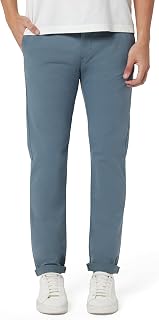

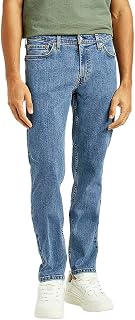


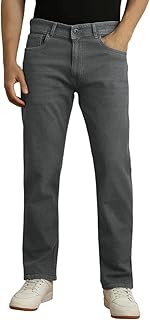


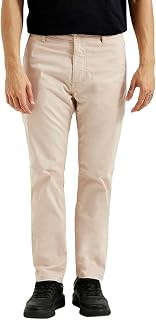


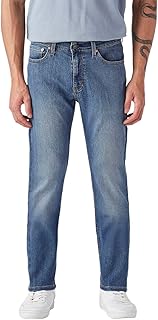


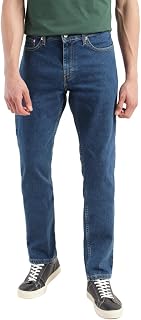
Finding the right pair of jeans or jeggings in India involves more than choosing a fashionable wash or checking a product rating. Fit, fabric composition, stretch recovery, waistband construction, stitching, pocket placement, rise, length and intended use can all affect how a pair looks and feels after regular wear. This 2026 buying guide is designed to help shoppers compare these details systematically before choosing from current options.
Fashion preferences continue to cover a broad range, from relaxed denim and straight-leg silhouettes to slim fits, high-rise styles, ankle-length designs and denim-look jeggings. Rather than treating one cut as universally best, compare the construction with your body shape, wardrobe, climate, daily routine and preferred level of comfort.
Jeans are traditionally made from denim, a woven fabric that generally provides more structure and a more traditional denim appearance. Jeggings are designed to combine the visual appearance of jeans with some of the flexibility and close-fitting feel associated with leggings. However, the exact fabric and construction vary considerably between products.
The most useful way to evaluate 2026 denim trends is to separate temporary styling details from characteristics that influence long-term wear. A trendy wash can update an outfit, but an unsuitable rise or poor stretch recovery can make the garment uncomfortable after repeated use.
High-rise styles sit higher on the waist and can work particularly well with tucked-in shirts, cropped tops, kurtas, oversized shirts and layered outfits. When comparing high-rise products, pay attention to the actual rise measurement rather than relying only on labels such as high waist or ultra high waist.
The waistband should remain secure without excessive compression. A waistband that feels comfortable when standing but digs in while sitting may not be suitable for long working days or travel.
Relaxed and wide-leg silhouettes provide an alternative to close-fitting denim. They can be useful for shoppers who prefer greater freedom around the thighs and calves. The overall appearance depends heavily on the fabric weight and drape.
Very lightweight fabric may create a softer, flowing shape, while heavier denim can produce a more structured leg. Consider the intended footwear as well: wide-leg jeans often work differently with sneakers, flats, sandals and boots.
Straight-leg denim remains a practical choice for shoppers who want versatility without the close fit of skinny jeans or the volume of wide-leg designs. It can transition between casual, smart-casual and everyday outfits with relatively little styling effort.
When evaluating a straight-leg pair, check where the leg begins to loosen from the thigh and how the hem falls over your preferred footwear. Two products described as straight fit can produce noticeably different silhouettes.
Skinny jeans and jeggings remain relevant for shoppers who prefer a streamlined appearance. The most important consideration is not simply how stretchy the garment feels when first worn, but whether it maintains its shape after repeated movement.
Look for clear fabric information and examine the proportion of stretch fibres. Excessive stretch can create a very soft feel but may not provide the structured appearance some shoppers want. Conversely, very low-stretch fabric may feel restrictive around the knees, hips or waist.
Jeggings can provide the visual styling of denim while allowing easier movement. They are particularly useful when a close-fitting silhouette is preferred but traditional denim feels too restrictive.
Check whether the product has functional pockets, faux pockets, belt loops, a pull-on waistband or a conventional button-and-zip closure. These construction details can significantly change both appearance and practicality.
Size labels are not completely standardised across clothing brands, so selecting jeans solely by the numerical size can lead to inconsistent results. Always compare the manufacturer's size chart with your own measurements when available.
The waistband should sit securely without requiring constant adjustment. If you can comfortably insert a finger or two between the waistband and your body, the fit may feel more practical for everyday movement, although the ideal amount of ease varies by garment design and personal preference.
Look for excessive horizontal pulling around the hips, pockets that flare outward, or fabric folds that indicate tension. On the other hand, excessive looseness can cause the jeans to shift during walking.
Thigh comfort is particularly important for skinny jeans and jeggings. Stretch fabric should allow normal movement without creating excessive pressure. Try to assess the garment while sitting, walking and bending rather than judging fit only while standing.
Length should be selected according to both height and intended styling. Ankle-length denim can work well with sneakers and flats, while longer styles may be preferred with certain wide-leg silhouettes. Avoid assuming that the same labelled size will have the same inseam across different brands.
Fabric composition is one of the most useful technical details to compare when buying jeans or jeggings online. A garment can look similar in photographs while feeling completely different because of differences in fibre composition, fabric weight and stretch.
Stretch content is especially important when comparing skinny jeans and jeggings. A small amount of stretch can make denim easier to move in while retaining much of its structured character. Higher stretch content can create a softer, more flexible garment.
Do not assume that more stretch automatically means better quality. Stretch recovery matters too. A garment that stretches easily but does not return adequately to its original shape may gradually look looser around the knees, seat or waistband.
For shoppers who want a traditional denim feel, lower-stretch construction may be preferable. For commuting, travel, extended sitting or highly active daily routines, additional flexibility may be more valuable.
When comparing rises, consider tops and layering pieces as well as body movement. The same pair can look very different with a tucked shirt, oversized T-shirt, short kurti, sweater or fitted top.
Colour is one of the easiest ways to update a denim wardrobe. However, shoppers looking for maximum versatility should distinguish between trend-led colours and dependable everyday washes.
Online product photographs are useful for judging colour, silhouette and visible details, but they should not be the only basis for a purchase decision. Carefully read the specification information and compare it with the images.
Customer reviews can provide useful information, but individual opinions should be interpreted carefully. A review saying that a pair runs small is more valuable when similar comments appear repeatedly across different reviewers.
Look for recurring observations about waistband fit, stretch recovery, fabric thickness, colour accuracy, sizing consistency and durability after washing. Reviews that mention the reviewer's approximate height, measurements or usual size can also provide useful context, although they should not be treated as a substitute for the manufacturer's size chart.
Give greater weight to patterns than isolated complaints or praise. A single review may reflect an individual preference, while repeated observations can identify a potential characteristic of the product.
Brand selection can help narrow a large marketplace, but the specific garment still matters. Established fashion and denim names such as Levi's, Wrangler, Lee, Pepe Jeans, Spykar, ONLY, Vero Moda, Roadster, Flying Machine and Pepe Jeans London can be included in a comparison depending on the required style, size range, fabric construction and budget.
For marketplace shopping, compare the exact product rather than assuming that every garment from a particular brand has the same fit. Different collections, cuts and fabric blends can have substantially different measurements and wearing characteristics.
Choose clean finishes, restrained washes and a balanced silhouette when denim needs to work in a smart-casual environment. Straight, slim or carefully proportioned relaxed fits can be easier to style than heavily distressed designs.
There is more flexibility for experimenting with washes, relaxed cuts, graphic styling and distressed details. Comfort should still remain a priority if the jeans will be worn for many hours.
Travel denim should allow comfortable sitting and walking. Stretch fabrics, flexible waist construction and a suitable leg opening can make a noticeable difference during long journeys.
Fabric weight deserves particular attention in warmer Indian climates. Very heavy denim can feel uncomfortable during hot weather, while lightweight stretch fabrics may feel more breathable and flexible. Personal climate, indoor air conditioning and intended use should all be considered.
Heavier denim can provide a more substantial feel during cooler conditions. The choice can also depend on whether the jeans will be layered with thermals or worn as a standalone garment.
There is no single universally flattering jeans cut because body proportions and styling preferences vary. Instead of following rigid body-shape rules, focus on balance and comfort.
These are styling considerations rather than strict rules. The best fit is the one that matches the wearer's comfort, proportions and personal style.
When two products appear nearly identical, use a structured comparison instead of relying on photographs. Start with fabric composition, then compare rise, fit, inseam, waistband construction, pocket design and care requirements.
Next, examine customer feedback for recurring sizing issues. Finally, consider which product fills a genuine wardrobe need. For example, a shopper who already owns several dark skinny jeans may gain more practical value from a straight-leg medium-wash pair than another visually similar skinny design.
Visible construction details can provide useful clues about a garment's build. Inspect photographs for even stitching, clean seams, consistent hardware placement and properly finished hems. Product images may not reveal every construction detail, so specifications and customer feedback should be considered alongside photographs.
Correct care can help preserve colour, fit and fabric performance. Always follow the care label because washing recommendations differ between fabrics and finishes.
Dark and heavily dyed denim can gradually change appearance with washing and wear. Following the care label, avoiding unnecessarily harsh washing conditions and using appropriate detergent can help preserve the intended finish. Some fading is a normal characteristic of denim rather than evidence of a defect.
Stretch-heavy garments benefit from careful washing and drying practices because excessive heat can affect the fibres responsible for elasticity. Avoid treating jeggings exactly like heavyweight rigid denim when their care instructions specify gentler handling.
Pay particular attention to the waistband and knees. If a garment repeatedly becomes loose in these areas, reassess washing practices as well as whether the original size and fabric construction were appropriate.
A useful denim wardrobe does not require many nearly identical pairs. A small selection of different silhouettes and washes can provide considerably more outfit flexibility.
Jeans and jeggings can work with much more than Western casualwear. Depending on the cut and wash, they can be paired with kurtas, tunics, oversized shirts, T-shirts, sweaters, casual blouses and layered jackets.
For a balanced outfit, consider proportion. A voluminous top can work with a closer-fitting lower half, while wide-leg denim may pair naturally with a more structured or fitted upper layer. Footwear also influences the perceived length and silhouette.
Height alone does not determine the ideal denim cut. Inseam, rise, leg width and footwear all contribute to the final appearance. Shorter shoppers may prefer cropped or accurately hemmed styles, while taller shoppers may need to pay particular attention to inseam availability.
For online purchases, check the garment's stated inseam whenever possible. A standard size label does not necessarily indicate a standard leg length.
Price should be evaluated alongside fabric composition, construction, fit consistency and expected frequency of wear. A lower-priced garment may be perfectly suitable for occasional use, while a frequently worn pair may justify greater attention to fabric and construction.
Rather than defining quality by price alone, compare the specifications of products within the same category. A higher price is not automatically evidence of better fit or durability, and a lower price does not automatically indicate poor construction.
If you are comparing ten or more jeans and jeggings, create a simple scoring system based on your own priorities. For example, shoppers who prioritise comfort can assign greater importance to stretch, waistband construction and fabric feel. Shoppers seeking fashion variety can place greater emphasis on silhouette, wash and styling versatility.
Prioritise a classic blue wash, comfortable mid or high rise and a versatile straight, slim or moderate relaxed fit. Avoid highly distinctive details if the goal is to create many outfits from one pair.
Look for appropriate stretch, a comfortable waistband and a fabric that does not restrict normal movement. Jeggings and stretch denim can be particularly useful when flexibility is the primary concern.
Consider wide-leg, relaxed, contemporary high-rise, distinctive washes or carefully selected fashion details. Balance trend elements with a silhouette that works with the rest of your wardrobe.
Dark washes, clean hems and restrained detailing generally offer more styling flexibility than heavily distressed or decorative designs.
Prioritise comfort during prolonged sitting, sufficient stretch, a secure waistband and fabric that works with the destination's climate.
Neither is universally better. Jeans generally provide a more traditional denim structure, while jeggings are often chosen for flexibility and a close-fitting feel. Your intended use, preferred silhouette and comfort requirements should determine the better option.
Yes. High-rise jeans remain a practical styling option, particularly for shoppers who prefer greater waist coverage and outfits involving tucked-in or shorter tops. Choose the rise based on comfort and body proportions rather than trend labels alone.
There is no single best composition. Cotton provides familiar denim structure, while elastane or spandex can add flexibility. The ideal balance depends on whether you prioritise structure, movement, softness or close fit.
The appropriate amount depends on the intended fit. Close-fitting jeggings generally benefit from enough elasticity to allow unrestricted movement, but excessive stretch is not automatically better. Stretch recovery and overall fabric construction also matter.
They should remain securely positioned without uncomfortable pressure. Check the fit while standing, sitting and moving because a waistband can feel different in each position.
Stretch denim may feel relatively close-fitting when new, but it should not cause painful pressure or significantly restrict movement. Rigid denim should not be purchased at an uncomfortably small size on the assumption that it will necessarily stretch into the correct fit.
No. Price alone does not establish quality. Compare fabric, construction, fit, sizing consistency, finishing and customer feedback before deciding whether a particular pair represents good value.
Medium-blue and dark-blue jeans in straight, slim or moderately relaxed silhouettes are generally versatile. They can work with T-shirts, shirts, sweaters, casual blouses and many Indian fusion outfits.
They can be, particularly when flexibility and a close-fitting silhouette are priorities. Check fabric quality, waistband comfort and stretch recovery if they will be worn frequently.
Measure your waist, hips and relevant inseam, then compare those measurements with the specific product's size chart. Do not assume that your usual size is identical across every brand or style.
Consider fabric weight, breathability, stretch and the local climate. Lightweight or moderately constructed fabrics may be more comfortable in hot conditions than very heavy denim, although personal preference and the exact garment construction remain important.
There is no universal washing schedule. Follow the care label and consider how heavily the jeans are used. Avoid unnecessary washing when the garment can be appropriately refreshed between washes.
Before selecting from the latest jeans and jeggings available in India, verify the details that are most likely to affect actual satisfaction after purchase.
A useful buying guide should not rank denim solely by appearance. The strongest shortlist considers fit, materials, construction, comfort, styling versatility, care requirements and available customer feedback together. Because product specifications, stock, pricing and retailer policies can change, shoppers should verify the current product information before purchasing.
For August 2026, use this guide as a framework for comparing the latest options rather than assuming that one style is suitable for everyone. The right pair is ultimately the one whose measurements, fabric, construction and styling characteristics match your individual requirements.