

♥ Wishlist
Compare 59 verified Salwar Suits for Women products in India. Reviews, ratings, pros, cons and buying advice updated for October 2026.


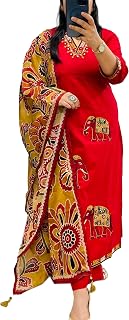


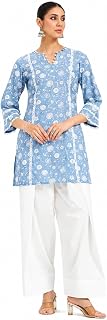


Choosing a fashionable salwar suit in 2026 is about more than selecting a colour or attractive print. The best choice should balance current styling, fabric comfort, silhouette, occasion, fit, construction quality and ease of maintenance. For shoppers in India, climate and regional dressing preferences also matter because a suit that works beautifully for a winter function may be uncomfortable during a hot and humid summer day.
This buying guide is designed to help compare the latest salwar suit styles and make a more informed purchase decision. Instead of treating every fashionable design as equally suitable, consider how the fabric, neckline, sleeve pattern, kurta length, bottom style, dupatta and embellishment work together.
Salwar suits continue to cover a remarkably broad range of styles, from practical everyday cotton sets to occasion-ready embroidered ensembles. Current buying decisions increasingly revolve around versatility: shoppers often want an outfit that can be styled differently for office wear, casual outings, family gatherings, festivals and semi-formal events.
Several design directions are particularly useful when comparing 2026 collections, including relaxed silhouettes, coordinated three-piece sets, contemporary straight-cut kurtas, Anarkali-inspired shapes, statement dupattas, refined embroidery, printed cottons and fusion-friendly designs.
Straight-cut suits remain one of the easiest styles to evaluate for everyday versatility. Their relatively clean silhouette works with a wide range of body shapes and can be paired with traditional salwars, trousers, cigarette pants or palazzos depending on the set.
For regular use, look for breathable fabric, a comfortable armhole, practical sleeve construction and enough room across the bust and waist. A straight-cut kurta with a modest print can also become a useful wardrobe staple because accessories can change the overall appearance.
Anarkali suits are a strong option when the objective is a more flowing and dressy appearance. The flared construction creates movement and can make a simple fabric look more occasion-oriented.
Before buying an Anarkali, check the total kurta length, flare, lining and fabric weight. Heavily layered or embellished designs may require more care than lightweight everyday versions. For festive wear, embroidery, woven detailing or decorative borders can add visual interest without requiring excessive accessories.
Palazzo sets combine a traditional kurta with a wide-leg bottom and are particularly useful for shoppers who prefer a contemporary silhouette. The wider leg can create a relaxed appearance while providing more freedom of movement than some narrow trouser styles.
Pay attention to the waistband construction. An elasticated waist may be convenient for everyday use, while a more structured waistband can create a polished appearance for formal settings. Also check the palazzo length against your footwear before purchasing.
Kurta sets with straight pants or cigarette pants offer a sharper, more streamlined appearance. They are suitable for office wardrobes, meetings, travel and occasions where a less elaborate ethnic outfit is preferred.
These styles are especially easy to accessorise with a lightweight dupatta, flats, loafers, sandals or minimal jewellery. When comparing products, inspect whether the trousers are lined, whether the waistband is comfortable and whether the fabric is likely to remain opaque under normal lighting.
Punjabi-style suits are recognised for their combination of a kurta or kameez with a more traditional salwar silhouette. They remain a practical choice for shoppers who want a distinctly Indian appearance with comfortable movement.
When comparing Punjabi suits, examine the salwar volume and fabric carefully. A very full bottom can create a different visual proportion from a slimmer contemporary salwar, while heavier fabrics can affect how comfortably the outfit drapes.
Cotton is one of the most practical choices for Indian everyday clothing, particularly when comfort and breathability are more important than elaborate decoration. Cotton suits can work for home wear, casual outings, college, travel and relaxed office environments depending on the design.
Do not judge cotton quality only by appearance in photographs. Check the stated fabric composition, care instructions, lining information and customer feedback about sizing and fabric behaviour. Some cotton garments can change in feel or dimensions after washing, making care instructions an important part of the buying decision.
For celebrations and formal occasions, shoppers may prefer fabrics with a more structured or luminous appearance. Chanderi-inspired fabrics, silk blends and other dressier textiles can give a salwar suit a more elevated finish.
These fabrics should be evaluated differently from daily cotton. Look at the care requirements, lining, embellishment attachment and overall garment weight. A visually impressive suit is not necessarily the most practical choice if it requires unusually delicate maintenance for the intended frequency of use.
Printed suits provide one of the simplest ways to introduce colour and pattern into an ethnic wardrobe. Floral, geometric, botanical, abstract and traditional-inspired motifs can create very different visual effects even when the underlying silhouette is similar.
When buying online, inspect product photographs for print scale and placement. A small repeated print usually creates a quieter appearance, while large motifs can become the dominant feature of the outfit. Also compare the printed design shown in the product image with the stated product description because fabric patterns may vary slightly between individual pieces.
Embroidered suits are useful when the outfit needs more visual detail without relying entirely on jewellery. Embroidery may appear around the neckline, sleeves, hem, yoke, dupatta or across larger sections of the garment.
Examine how much of the suit is embellished before purchasing. More decoration can increase visual impact, but it can also affect weight, comfort and maintenance. For frequent wear, strategically placed embroidery may offer a better balance than a heavily embellished full-length design.
Minimal salwar suits focus on clean lines, restrained decoration and versatile colours. They can be particularly useful for shoppers building a capsule-style ethnic wardrobe because a simple kurta set can be changed significantly with jewellery, footwear, dupattas and bags.
Brands such as Biba, Aurelia, Libas, W for Woman, Soch, Rangriti and Fabindia are useful names to consider when comparing different approaches to Indian ethnic clothing. However, the best purchase should be based on the specific garment's fabric, size chart, construction, care requirements and current customer feedback rather than brand recognition alone.
A ranked list can be useful for discovery, but shoppers should not assume that the first option is automatically the right choice. The ideal salwar suit depends on how and where it will be worn.
Fabric choice can have a greater effect on satisfaction than the design itself. India's climate varies significantly by region and season, so there is no single universally best salwar suit fabric.
Cotton is a dependable choice when breathability and everyday comfort are priorities. It is particularly suitable for casual wardrobes and warm-weather use, although the exact comfort level depends on the weave, thickness and finishing.
Rayon and viscose fabrics can provide a soft drape and fluid appearance. They are commonly used in fashionable printed and semi-formal ethnic sets. Check the specific care instructions because fabric behaviour can differ between garments.
Polyester and polyester-blend fabrics can offer useful characteristics such as shape retention and easy-care properties, but comfort depends heavily on construction and climate. For very warm conditions, shoppers should consider breathability rather than choosing solely on appearance or wrinkle resistance.
Silk and silk-blend fabrics are generally considered for dressier wardrobes. Their appearance can suit weddings, festive events and formal celebrations, but care requirements and fabric composition should be checked carefully before purchase.
Linen and linen-blend garments can provide a relaxed, refined appearance. Natural wrinkling is part of the visual character of linen, so shoppers who prefer a consistently crisp finish should consider whether that characteristic suits their styling preferences.
For office environments, prioritise clean silhouettes, moderate prints and comfortable fabrics. Straight kurtas with trousers, cigarette pants or understated palazzos are generally easier to integrate into a professional wardrobe than highly embellished festive designs.
Neutral, muted or sophisticated colour combinations can make an outfit easier to repeat without appearing identical. A simple watch, understated jewellery and structured footwear can complete the look without overwhelming the clothing.
Casual wear allows greater freedom with prints, colours and silhouettes. Lightweight cotton or comfortable blends can be practical for long days, commuting and regular movement.
When choosing a casual suit online, prioritise accurate measurements and fabric information over decorative details. A fashionable print has limited value if the garment is uncomfortable or difficult to maintain.
Festive dressing provides more room for colour, embroidery, decorative borders, richer fabrics and statement dupattas. Anarkali, A-line, straight-cut and coordinated three-piece sets can all work depending on the event.
Consider the expected level of formality before choosing embellishment. A family gathering may call for a different level of decoration than a larger festive celebration or formal religious event.
Wedding guest dressing often benefits from richer colours, embroidery, dressier fabrics and more elaborate dupattas. The ideal outfit should still allow comfortable sitting, walking and movement throughout the event.
Before purchasing a heavily decorated suit, inspect the product photographs closely for embroidery coverage, lining, neckline construction and embellishment placement. Also consider whether the garment can be reused for other occasions.
Travel-friendly salwar suits should prioritise comfort, manageable weight and relatively simple maintenance. Lightweight fabrics and designs with minimal embellishment can be easier to pack and rewear.
For frequent travel, consider whether the suit can be mixed with other bottoms or dupattas. A versatile kurta can effectively create several outfits when paired with existing wardrobe pieces.
Online clothing purchases require more attention to measurements because nominal sizes can differ between brands and individual sellers. Never assume that a medium, large or extra-large size will have identical measurements across different products.
Ready-to-wear suits are convenient because the garment is already constructed and can usually be worn after basic preparation. They are a practical choice for shoppers who want predictable styling and do not want to arrange tailoring.
Unstitched materials offer greater control over measurements, neckline, sleeve design and final length. They can be useful when standard ready-made proportions do not suit the wearer, but tailoring introduces an additional step and cost that should be considered when comparing overall value.
A three-piece set generally consists of a kurta, bottom and dupatta, but the exact configuration can vary. Always verify the product description rather than assuming every photograph represents the complete package.
Colour should be considered alongside the intended occasion and existing wardrobe rather than treated as an isolated fashion decision. A versatile suit in a wearable colour can provide more practical value than an eye-catching shade that rarely gets used.
Beige, cream, ivory, brown, taupe and other restrained shades can work well as foundation pieces. They are particularly useful when you want accessories, jewellery or a colourful dupatta to become the main visual feature.
Soft pinks, blues, greens, lilacs and similar pastel directions can create a lighter appearance. Pastels can be especially appealing for daytime events and spring or summer wardrobes, although fabric opacity should be checked carefully for very light colours.
Deep greens, blues, reds, purples and similar richer shades can create a more formal appearance. They may work particularly well with embroidery, metallic detailing and occasion-oriented styling.
Bright colours can make a simple silhouette visually stronger. If choosing a vivid kurta, consider balancing it with a relatively simple bottom or dupatta so the overall outfit remains coordinated.
The decorative treatment often determines whether a suit feels casual, formal or festive. Compare decoration according to frequency of use rather than assuming more detail means better quality.
Product photographs can communicate colour and general design, but they cannot always reveal construction quality. A careful buyer should look for every available specification and inspect multiple product images.
Look for clean seam finishing and consistent construction. If close-up photographs are available, inspect the neckline, sleeve attachment, side seams and hem.
Check whether the garment is lined and where the lining is used. Lining can affect opacity, comfort and structure, particularly in lighter-coloured or embellished designs.
Neckline shape influences both appearance and comfort. Round, V-shaped, square, keyhole, boat and collar-inspired necklines can create distinctly different proportions.
Hems should be evaluated for their construction and consistency. Sleeve cuffs, decorative edges and borders should also be checked where product photographs provide sufficient detail.
Pockets can be an important practical feature, particularly for everyday suits. Do not assume that a garment has pockets simply because the product photographs show a particular styling arrangement. Check the written specifications where available.
The best value is not necessarily the lowest-priced option. A better approach is to consider how often the suit is likely to be worn, how versatile it is, how much maintenance it requires and whether its construction matches the intended use.
For example, an inexpensive everyday cotton suit that can be worn frequently may provide stronger practical value than a more elaborate outfit that is suitable only for a single type of event. Conversely, for a wedding or major celebration, investing in a dressier construction may make sense if the outfit can be reused for future occasions.
Customer reviews are most useful when treated as a source of recurring information rather than a simple star-rating system. A high overall rating can still contain valuable warnings about sizing, fabric thickness, colour variation or finishing.
Look for repeated comments from different buyers. If multiple verified customers independently mention the same sizing issue, that information deserves more attention than a single vague complaint. Similarly, repeated positive comments about comfort, fabric feel or accurate measurements can provide useful supporting evidence.
Prioritise reviews that discuss specific characteristics rather than comments that simply say the product is good or bad. Product photographs uploaded by customers can also provide additional context, although lighting and camera settings may affect colour representation.
Pair a printed or solid-colour suit with simple earrings, comfortable flats and a practical handbag. This approach allows the clothing to remain the focus without making everyday dressing unnecessarily complicated.
A straight-cut kurta with cigarette pants or a palazzo can be paired with modern footwear and restrained jewellery for a fusion-inspired appearance. A structured handbag can also create a more polished finish.
Embroidered suits can be enhanced with coordinated earrings, bangles, embellished footwear and a statement dupatta. Avoid adding too many competing decorative elements when the outfit already contains substantial embroidery.
Punjabi-style suits, printed cotton sets and richly bordered dupattas can be styled with traditional jewellery, juttis or other ethnic footwear. The objective is to create coordination between the kurta, bottom, dupatta and accessories rather than matching every item identically.
Proper care can significantly influence how long an outfit remains wearable. Always follow the garment-specific care label because the appropriate method depends on the fabric, dye, embellishment and construction.
Instead of purchasing several nearly identical suits, consider building a wardrobe around different use cases. A practical collection can include a few everyday options, one or two office-friendly sets, versatile printed designs, a dressier embroidered outfit and at least one festive ensemble.
Colour coordination can make a smaller wardrobe more flexible. A neutral or understated bottom can sometimes be paired with different kurtas, while versatile dupattas can change the appearance of otherwise familiar outfits.
There is no single best style for everyone, but straight-cut cotton or comfortable blended-fabric suits are strong options for everyday use. Choose according to climate, commute, workplace requirements, personal fit preferences and maintenance needs.
Lightweight, breathable fabrics are generally more comfortable in hot weather. Cotton and suitable lightweight blends can be practical choices, but the actual comfort depends on weave, thickness, fit and construction.
Anarkali silhouettes remain a useful option for shoppers who prefer flowing, feminine shapes. Their suitability depends on the occasion, fabric, flare, length and styling rather than the calendar year alone.
Look for a clean silhouette, comfortable fabric, moderate prints or solid colours and limited embellishment. Straight kurtas with trousers or cigarette pants are particularly easy to style for many professional environments.
Start with the intended occasion, then compare fabric, measurements, silhouette, included pieces, care instructions and verified customer feedback. The product-specific size chart should take priority over assumptions based on your usual clothing size.
Maintenance depends on the specific fabric and garment construction. Some blends can be relatively easy to care for, while embroidered, embellished or delicate fabrics may require more attention. Always follow the garment's care instructions.
A three-piece set can offer more complete traditional styling because it normally includes a dupatta, while a two-piece set may be simpler and easier to style with existing wardrobe pieces. Check exactly what each listing includes before comparing prices.
Reviews can be useful for identifying recurring observations about fit, fabric feel, colour, stitching and sizing. Read several detailed verified reviews rather than relying only on the overall star rating.
Not necessarily. Established brands such as Biba, Aurelia, Libas, W for Woman, Soch and Fabindia can provide useful options, but individual products should still be compared on fabric, measurements, construction, care requirements and customer feedback.
Compare your measurements with the garment's size chart and pay particular attention to the measurements most relevant to the silhouette. For fitted designs, the bust, waist and hip measurements can be especially important. Also check whether the garment is described as relaxed, regular or fitted.
Look for information about lining and fabric thickness, and examine customer feedback for repeated comments about opacity. Very light colours and lightweight fabrics deserve particular attention before purchase.
Compare fabric composition, garment measurements, included pieces, lining, embroidery coverage, care requirements, customer feedback and versatility. Price alone does not provide enough information to determine which option offers better value.
Before choosing among the latest salwar suit trends for 2026, make sure the outfit fits the way you actually intend to use it. A fashionable silhouette should still be comfortable, appropriately sized and practical for the Indian climate and occasion.
The best latest salwar suit is ultimately the one that matches your personal style, comfort requirements, budget and intended occasion. Trend-focused shopping can help you discover new silhouettes and colour directions, but long-term satisfaction depends on practical details such as fabric, fit, construction, sizing accuracy and maintenance.
For everyday Indian wear, prioritise comfort and versatility. For office clothing, focus on polished silhouettes and easy styling. For festivals and weddings, consider embroidery, richer fabrics and statement details while keeping comfort in mind. When shopping online, compare specifications carefully, read verified customer reviews and check the retailer's current policies before placing an order.