
♥ Wishlist
Compare 62 verified Shirts for Every Style, Occasion and Season products in India. Reviews, ratings, pros, cons and buying advice updated for October 2026.











Shirts remain one of the most versatile parts of an Indian wardrobe, but the right choice depends on more than colour or current fashion. In 2026, shoppers can choose from relaxed everyday shirts, smart-casual overshirts, textured styles, printed designs, classic formal shirts and lightweight options suited to India's varied climate. The best purchase is the one that combines an appropriate fit, comfortable fabric, dependable construction and styling flexibility for the way you actually dress.
This buying guide focuses on the factors that matter when comparing the latest shirt trends in India. Rather than treating a particular colour, print or silhouette as universally best, consider where you will wear the shirt, how often it will be washed, what climate you live in and whether it needs to work with jeans, trousers, chinos or traditional Indian outfits.
Current shirt styling is less about following one dominant silhouette and more about balancing comfort with a deliberate appearance. Traditional slim fits still have a place in formal wardrobes, while relaxed proportions are useful for casual dressing. This creates a broader range of choices for shoppers: a shirt can be fashionable without being difficult to wear.
Another important shift is the growing role of texture. Waffle-like surfaces, dobby structures, seersucker-inspired finishes, subtle slubs and other fabric textures can make a simple shirt look more distinctive while remaining easier to coordinate than an elaborate print.
Layering is also important. An open shirt over a plain T-shirt can create a casual outfit, while a structured overshirt can provide a more polished alternative to a lightweight jacket. For Indian weather, however, layering should be evaluated alongside fabric weight and breathability rather than appearance alone.
Fit has a greater effect on how a shirt looks and feels than many shoppers realise. The same fabric and colour can produce very different results depending on the cut.
Regular fit is a practical choice for shoppers who want comfortable movement without an intentionally loose appearance. It works well for office-casual outfits, everyday wear and wardrobes where one shirt needs to serve several purposes.
When assessing a regular fit, check the shoulder seam, chest room and sleeve length. Extra fabric around the torso can be comfortable, but excessive width may make the shirt look untidy.
Slim-fit shirts generally create a closer silhouette around the chest and waist. They can work particularly well with formal trousers and tailored outfits, provided the wearer has enough room to move comfortably.
A common mistake is choosing a slim shirt one size too small. Pulling across the buttons, restricted arm movement and excessive tightness around the upper back are signs that the cut may be unsuitable.
Relaxed shirts provide more room through the body and are useful for casual styling. They pair naturally with straight-leg trousers, relaxed denim, chinos and casual footwear.
Relaxed does not necessarily mean oversized. If the shoulders extend substantially beyond their natural position or the sleeves appear unusually long, you may be looking at an oversized design rather than a conventional relaxed fit.
Oversized shirts are useful for contemporary streetwear-inspired outfits and relaxed weekend dressing. Their proportions are intentionally generous, so the rest of the outfit usually benefits from simple styling.
For a balanced appearance, consider the shirt's length as well as its width. An extremely long oversized shirt can produce a very different look from a cropped or boxy version.
Fabric choice should be based on climate, intended use, maintenance preferences and desired appearance. A shirt that looks excellent on a product page may not be comfortable for long periods if its fabric is poorly suited to the conditions in which you intend to wear it.
Cotton is one of the most practical choices for everyday shirts. It is available in many weaves and finishes, from lightweight casual fabrics to more structured materials used for formal and Oxford shirts.
When comparing cotton shirts, look beyond the word “cotton” alone. Fabric weight, weave, finishing and construction can significantly influence how a shirt feels and behaves.
Linen is associated with warm-weather dressing because of its lightweight feel and characteristic texture. It can be particularly useful in hot Indian conditions when a relaxed, breathable style is preferred.
Linen naturally develops wrinkles, so it is not necessarily the best option for someone who wants a consistently crisp appearance with minimal ironing. Linen blends can offer a different balance of texture, drape and maintenance.
Cotton-linen blends can be a useful middle ground for shoppers who like the appearance and lightweight character of linen but want a different feel and maintenance profile. Always check the actual fabric composition rather than assuming that a product described as “linen” is made entirely from linen.
Oxford fabric is recognisable for its structured woven appearance and is commonly associated with smart-casual shirts. An Oxford shirt can work with chinos and jeans while still looking more polished than many casual alternatives.
Heavier or brushed shirts can provide warmth and a softer surface, making them more suitable for cooler weather or indoor environments. For most of India, their usefulness depends heavily on the local season and intended setting.
Synthetic fibres and blends can be selected for properties such as durability, shape retention or easier care. However, comfort varies significantly between fabrics and constructions. In warm, humid conditions, pay particular attention to breathability and how the fabric feels against the skin.
India has substantial regional differences in temperature, humidity and seasonal conditions, so there is no single ideal shirt fabric for everyone.
A formal shirt and a casual shirt can have similar basic construction but serve very different purposes. Formal designs usually emphasise cleaner lines, restrained patterns, structured collars and compatibility with tailored trousers.
Casual shirts have more freedom in fabric, colour, print, collar design, pocket placement and fit. They can be worn with denim, chinos, shorts or layered over a T-shirt.
The collar changes the visual character of a shirt and can affect how it works with different outfits.
A spread collar creates a relatively open appearance and can work well with formal or smart-casual styling. The exact proportions vary by design, so compare the collar shape rather than relying only on its name.
Button-down collars are particularly useful for smart-casual wardrobes. They can look polished without requiring the same formality associated with some traditional dress-shirt collars.
Band-collar shirts provide a clean, collarless appearance and can work particularly well in contemporary Indian wardrobes. They can also complement relaxed trousers and ethnic-inspired styling.
Camp collars are associated with relaxed casual shirts and are often used in vacation, resort and warm-weather styling. Their open neckline makes them visually different from conventional formal shirts.
Solid shirts are usually the easiest starting point for a versatile wardrobe. White, light blue, navy, grey, beige and other understated colours can work with a broad selection of trousers and footwear.
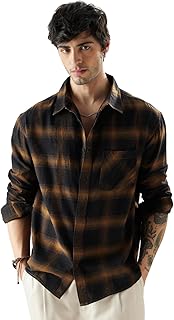
Checks range from small, subtle patterns to large statement designs. Smaller checks generally work more easily in smart-casual settings, while larger checks can create a stronger casual appearance.
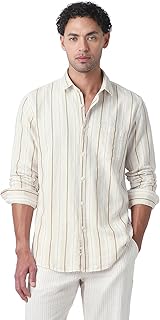
Vertical stripes can create a visually elongated effect, while horizontal or irregular stripes produce a different visual emphasis. Stripe width, spacing and contrast all affect the final appearance.
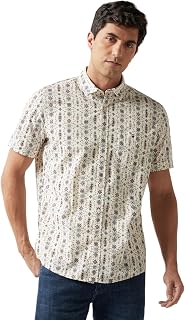
Floral prints can be useful when you want a statement casual shirt. They are usually easier to balance when the rest of the outfit contains relatively simple colours.
Geometric designs can provide a contemporary appearance without relying on traditional checks or florals. These shirts are generally best treated as statement pieces rather than replacements for everyday basics.
Colour should be considered in relation to the trousers, footwear and other clothing you already own. A highly versatile wardrobe does not necessarily require dozens of shirts; a smaller selection of complementary colours can cover many situations.
When shopping online, you cannot physically examine the garment before purchase, so product information becomes particularly important. Do not judge quality from photographs alone.
Look for the stated fibre composition and distinguish between pure fabrics and blends. A description such as “cotton feel” is not equivalent to a clearly stated cotton composition.
Do not assume that your usual size is identical across brands. Compare the seller's measurements with a shirt you already own that fits well. Pay attention to chest, shoulder, sleeve and shirt length measurements.
Look for close-up images showing the collar, buttons, cuffs, stitching, fabric texture and overall construction. Multiple views can reveal details that are not obvious in a front-facing photograph.
Verified customer reviews can provide useful information about sizing, fabric feel, colour differences and fit. However, individual experiences can vary, so look for recurring observations rather than relying on one extremely positive or negative comment.
A shirt that requires more maintenance may not be suitable for someone who wants simple everyday clothing. Look for washing, ironing, drying and bleaching instructions before purchasing.
Construction details often distinguish a dependable wardrobe shirt from a garment designed primarily around appearance. Not every expensive shirt is necessarily better constructed, and a lower-priced shirt is not automatically poor quality. Examine the available details instead of relying on price as a quality signal.
Look for neat and consistent stitching around seams, collars, cuffs and pockets. Loose threads or visibly irregular construction can be warning signs, although a product photograph may not always provide enough resolution for a definitive assessment.
Buttons should be securely attached and appropriately matched to the shirt's style. Button size and material also contribute to the overall appearance.
A collar that holds its shape can create a cleaner appearance, particularly for formal shirts. For casual shirts, a softer collar may be intentional and can contribute to a relaxed look.
Compare cuff construction with the intended use. Simple cuffs are practical for everyday wear, while more structured cuffs can provide a formal appearance.
Pockets are functional but also influence visual balance. A chest pocket can make a shirt look more casual, while many formal shirts use minimal or no visible pocket detailing.
For professional clothing, prioritise fit, fabric comfort and restrained styling. White, light blue and subtle striped shirts are practical starting points, while more distinctive prints may be better suited to less formal workplaces.
College and everyday wardrobes usually benefit from greater variety. Oversized shirts, checks, graphics, textured fabrics, camp collars and relaxed fits can all work depending on personal style.
For maximum versatility, combine statement pieces with plain shirts. A bold printed shirt can become a focal point, while neutral solid shirts provide reliable options when you want an uncomplicated outfit.
Travel shirts need to balance appearance with practicality. Lightweight construction can be valuable in warm destinations, while easy-care fabrics can reduce the effort required during a trip.
An overshirt sits between a conventional shirt and a lightweight outer layer. It is particularly useful for transitional weather, travel and layered casual outfits.
Before buying an overshirt, check whether the design is intended to be worn over a T-shirt or other clothing. The size should provide enough room for layering without becoming unnecessarily bulky.
Short-sleeve shirts are a practical choice for warm-weather casual dressing. They can range from minimal solid designs to camp-collar printed shirts.
For a polished appearance, sleeve length matters. A sleeve that ends around the middle of the upper arm often produces a different proportion from a much longer sleeve, while very short sleeves create a more athletic or fashion-forward appearance.
Shirt length should match the intended styling method. A formal shirt designed to be tucked in generally needs sufficient length to remain secure, while an untucked casual shirt may be intentionally shorter.
If you regularly wear shirts untucked, compare the front and back lengths and consider whether the hem works with your trousers. An excessively long shirt can make an otherwise well-fitting outfit appear unbalanced.
Brand selection can be useful as a starting point, but it should not replace checking the individual product. Different collections from the same company can use different fits, fabrics and construction methods.
When comparing these and other brands, check the exact garment's fabric composition, fit, measurements, care instructions and customer feedback. Brand reputation alone cannot establish that every individual shirt will suit your requirements.
A medium in one brand may not have the same chest or shoulder measurements as a medium elsewhere. Always use the product-specific size chart when one is available.
A fabric can look attractive in photographs but feel unsuitable for the climate if it is heavier than expected. Consider the intended season before purchasing.
Bold prints can be enjoyable, but they are less versatile than neutral basics. A balanced wardrobe normally benefits from combining understated shirts with a smaller number of statement pieces.
A lower price does not automatically make a shirt better value. Compare fabric, fit, construction, care requirements and expected frequency of use.
Policies can vary by retailer and product. Check the applicable return or exchange conditions before ordering, especially when trying a new brand or unfamiliar fit.
Screen settings, lighting and photography can affect colour perception. Product descriptions and customer photographs, where available, can provide additional context.
When two shirts look similar, use a structured comparison instead of choosing based solely on appearance.
Value is not simply the lowest price. A shirt that fits well, feels comfortable, coordinates with multiple outfits and survives regular washing may provide better practical value than a cheaper garment that is rarely worn.
For a frequently worn shirt, durability and easy maintenance can be particularly important. For occasional fashion pieces, design and visual appeal may carry more weight. Your intended use should therefore determine how much importance you give each specification.
Correct care can help preserve the appearance and usable life of a shirt. Always follow the garment's own care label because requirements vary by material and construction.
Separate garments according to colour and follow the recommended washing instructions. Overly aggressive washing can affect colour, texture and fabric condition over time.
Use the recommended drying method for the fabric. Some shirts benefit from being removed promptly from the washing machine and shaped while damp to reduce creasing.
Use an appropriate temperature for the fabric. Excessive heat can damage some fibres and finishes. Pay particular attention to collars, cuffs and plackets where a neat finish is most visible.
Use suitable hangers for shirts that benefit from retaining their shoulder shape. Fold lightweight or knit-like garments when appropriate, particularly when hanging could cause unwanted stretching.
Treat stains according to the fabric-care instructions rather than immediately applying a strong cleaning chemical. Test appropriate cleaning methods cautiously and follow the garment label.
There is no universally correct number. A practical wardrobe can be built around the number of days you work, how frequently you wash clothes, your dress code and how often you attend formal or social events.
When comparing shirts on Amazon India or other trusted retailers, begin with the specifications rather than the headline photograph. Search for the exact fabric composition, fit information, size chart, available customer feedback and care instructions.
Pay particular attention to repeated review themes. If many buyers independently mention that a shirt runs small, feels heavier than expected or has a different fit from the stated description, that information may be useful for your purchasing decision. At the same time, remember that individual fit preferences differ.
Availability, colour options, seller information, delivery estimates, prices and return conditions can change. Check the current product listing immediately before purchasing rather than relying on an older comparison.
For everyday use, a comfortable regular or relaxed-fit shirt in a suitable cotton or lightweight blend is a practical starting point. The best choice depends on your local climate, personal style and typical activities.
Yes. Oversized and boxy silhouettes remain useful for contemporary casual wardrobes. The key is choosing proportions that work with the rest of the outfit rather than simply buying the largest available size.
Lightweight cotton, linen and suitable blends can be good options for warm weather. Fabric weight, weave and personal comfort matter, so the fibre name alone should not determine the purchase.
Linen naturally wrinkles more readily than many structured fabrics. That texture can be part of its appeal, but shoppers seeking a consistently crisp appearance may prefer cotton or a suitable blend.
White and light blue are practical starting points because they can work across formal and smart-casual wardrobes. After establishing a versatile base, you can add darker colours, pastels and statement patterns.
Neither is universally better. Slim fit creates a closer silhouette, while regular fit provides more room. Choose based on your body proportions, comfort preference and intended styling.
Measure a shirt that already fits you well and compare its measurements with the seller's size chart. Pay particular attention to chest, shoulders, sleeves and overall length.
No. A recognised brand can provide useful consistency, but the individual product still needs to be evaluated. Fabric, construction, fit, care requirements and customer feedback remain important.
A good-value shirt is one that you are likely to wear frequently, fits comfortably, works with your existing wardrobe and meets your preferred maintenance and durability requirements. Price should be considered alongside these factors.
Plain shirts are generally more versatile, while printed shirts provide more visual variety. A balanced wardrobe can include both, with statement prints used selectively.
This depends on the workplace dress code. In casual offices they may be appropriate, while more formal environments may expect long sleeves. Always follow the standards of your workplace.
Check fabric composition, measurements, fit, collar style, sleeve length, product images, customer feedback, care instructions and the current retailer return or exchange conditions.
The latest shirt trends are broad enough to accommodate formal wardrobes, casual fashion, relaxed streetwear, travel clothing and warm-weather dressing. Instead of chasing every new style, identify the shirts that solve a genuine wardrobe need.
For a dependable foundation, prioritise versatile colours, comfortable fits and fabrics suited to India's climate. Add textured, printed, oversized or statement designs when you want more personality. Before purchasing online, verify the exact measurements, composition, care requirements and current customer feedback for the specific product.
The strongest buying decision is rarely the shirt with the most fashionable photograph or the biggest advertised discount. It is the garment whose fit, fabric, construction, styling potential and maintenance requirements make sense for how you will actually wear it.