

♥ Wishlist
Compare 49 verified Men's Collections for Every Style & Occasion products in India. Reviews, ratings, pros, cons and buying advice updated for October 2026.
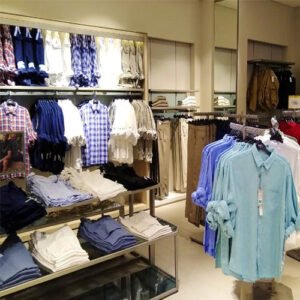




Men's fashion in 2026 is increasingly defined by versatility, comfortable tailoring, refined casualwear and pieces that can move easily between work, social occasions and everyday use. For shoppers in India, the strongest wardrobe choices are not necessarily the most eye-catching items; they are garments that combine appropriate fabric weight, practical construction, dependable fit and styling flexibility.
This guide is designed for comparing men's clothing collections and fashion trends before buying. Instead of treating a trend as a reason to purchase immediately, consider how well a garment fits your existing wardrobe, India's climate, the occasion you dress for and the amount of maintenance you are prepared to handle.
A strong men's collection should offer more than a fashionable appearance. Look for a useful combination of silhouette, fabric, construction, comfort, colour versatility and occasion suitability. A garment may photograph well but still be a poor purchase if the fabric is uncomfortable in your climate or the cut does not work with the rest of your wardrobe.
Tailoring is moving beyond the extremely narrow silhouette. Relaxed blazers, softer shoulders, straight-leg trousers and slightly roomier proportions can create a polished appearance without the restrictive feel associated with very slim clothing.
For Indian wardrobes, relaxed tailoring can be particularly useful because a lightweight blazer or unstructured jacket can work with formal trousers, chinos, jeans or traditional-inspired separates. When evaluating a relaxed fit, make sure it looks intentional rather than simply oversized. The shoulder seam, sleeve length and trouser proportion still need to be controlled.
Smart casual clothing remains one of the most practical directions for men's wardrobes. Polo shirts, Oxford shirts, knitwear, chinos, dark denim, clean sneakers and lightweight jackets can create outfits suitable for a wide range of everyday settings.
The key is balancing structured and relaxed pieces. A crisp shirt with relaxed trousers can look more contemporary than combining several highly formal items. Likewise, a simple polo can become considerably sharper when paired with well-fitted trousers and clean footwear.
Fabric selection is especially important in India. Cotton remains a practical everyday choice, while linen and linen-blend garments can be useful in hot conditions when their natural tendency to wrinkle is acceptable. Lightweight blends may provide easier maintenance, but the actual fabric composition should always be checked on the product specification.
For humid conditions, prioritise garments that allow airflow and do not feel excessively heavy. For cooler regions and winter use, layering becomes more useful than relying on a single thick garment.
Basic clothing is becoming more important because a carefully selected plain T-shirt, shirt, polo, overshirt, trouser or denim can form the foundation of many outfits. The difference between an ordinary basic and an elevated basic often comes down to fabric quality, neckline shape, stitching, drape and fit.
Instead of purchasing large quantities of inexpensive basics, consider building a smaller rotation of dependable pieces in colours that coordinate with your existing wardrobe.
Overshirts sit between a conventional shirt and a lightweight jacket, making them useful for transitional weather and casual layering. They can be worn over T-shirts or under heavier outerwear depending on the fabric and cut.
When choosing an overshirt, check whether the shoulders and sleeves provide enough room for layering. A very slim overshirt can become uncomfortable over another garment, while an excessively oversized version can overwhelm a smaller frame.
Men's trousers are becoming less dependent on extremely narrow cuts. Straight and relaxed silhouettes can provide greater comfort while creating a cleaner contemporary profile. Chinos, pleated trousers, formal pants and casual trousers are all worth evaluating according to rise, leg opening and fabric drape.
Pay particular attention to the trouser rise. A well-proportioned rise can influence how the entire outfit looks, particularly when a shirt is tucked in. The correct length also matters: excessive fabric bunching around the shoe can make otherwise well-designed trousers look untidy.
Earth tones, navy, charcoal, cream, beige, white, olive and other restrained shades can provide a highly adaptable wardrobe. These colours are particularly useful when building capsule-style collections because they can be combined with relatively little effort.
This does not mean avoiding brighter colours. Instead, consider using stronger shades selectively through shirts, knitwear, footwear or accessories while keeping the larger wardrobe relatively coordinated.
Utility styling continues to influence casual menswear through cargo trousers, overshirts, functional pockets, sturdy fabrics and workwear-inspired silhouettes. The most wearable versions balance practicality with a relatively clean shape.
When buying utility clothing, examine the actual function of pockets and hardware. Decorative details can add visual interest, but unnecessary straps, oversized pockets or excessive hardware may reduce versatility.
Modern Indian menswear increasingly allows traditional and contemporary pieces to coexist. Kurtas, Nehru-inspired jackets, relaxed trousers, bandhgalas and contemporary ethnic separates can be combined with modern footwear and accessories for occasions ranging from celebrations to festive gatherings.
For occasionwear, fabric drape and finishing become especially important. A garment should be comfortable enough for extended wear while retaining its intended shape. Check the collar, cuffs, lining, closures and embroidery or decorative work carefully before purchasing.
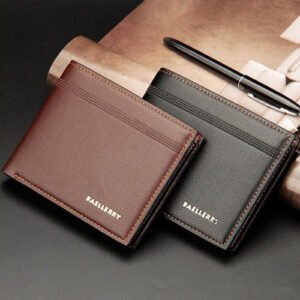
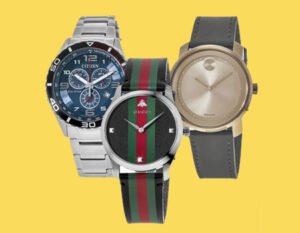
Footwear and accessories can significantly change the appearance of otherwise simple clothing. Minimal sneakers, loafers, casual leather shoes, watches, belts, wallets and structured bags can help create a more complete outfit.
Coordination is generally more useful than matching every item exactly. A brown leather belt does not necessarily require every accessory to be the same shade, but footwear, belt and other leather pieces should look visually compatible.
Compare T-shirts by fabric weight, neckline construction, sleeve proportions, body length and overall fit. A quality everyday T-shirt should retain a reasonable shape after normal care and should not have a neckline that appears stretched when new.
Oxford shirts, casual button-downs, linen shirts, formal shirts and overshirts serve different purposes. Avoid choosing solely by colour. Collar shape, fabric opacity, sleeve length and body fit can have a greater effect on appearance.
For office use, focus on a collar that works with your preferred styling and a fabric that can tolerate regular laundering. For casual use, softer fabrics and more relaxed silhouettes can provide greater flexibility.
When comparing jeans, look beyond waist size. Rise, thigh room, leg shape, denim weight, stretch content and wash all influence comfort and appearance.
Chinos occupy a useful middle ground between jeans and formal trousers. Neutral chinos can work with T-shirts, polos, shirts, overshirts and casual jackets. Formal trousers require more attention to drape, crease retention, waistband construction and hem length.
A blazer is one of the most useful additions to a versatile wardrobe because it can elevate otherwise casual clothing. Unstructured blazers are generally more relaxed, while structured jackets create a more formal appearance.
Check the shoulder fit first. A jacket that is too narrow across the shoulders is difficult to correct, whereas some other fit issues can be altered more easily. Sleeve length and jacket length should also be assessed before purchase.
For weddings, festivals and family celebrations, compare kurtas, sherwanis, Nehru jackets, bandhgalas and coordinated sets according to the formality of the event. Colour, embroidery and fabric should complement the occasion rather than simply following the most prominent seasonal trend.
Fit is one of the most important factors in men's clothing because even a high-quality garment can look unsuitable when the proportions are wrong. Do not assume that a larger or smaller size automatically solves every fit problem.
Cotton is one of the most practical materials for everyday menswear because it can be comfortable and versatile. However, cotton garments vary significantly in weight, weave, finishing and durability. Two shirts labelled as cotton can feel very different.
Linen is valued for its breathable feel and suitability for warm weather. Natural wrinkling is part of its character, so it is best suited to shoppers who are comfortable with a relaxed appearance or regular pressing.
Synthetic fibres can provide useful characteristics such as durability, shape retention and easier maintenance. Their suitability depends heavily on garment construction and climate. In hot or humid weather, fabric feel and breathability should be considered rather than assuming a blend is automatically better.
Wool and wool-blend fabrics are particularly relevant for formal tailoring and cooler conditions. Their performance varies according to fibre quality, weave and garment construction. For Indian shoppers, consider the local climate and how frequently the garment will actually be worn before investing in heavier tailoring.
Viscose and related fibres can provide a soft hand feel and fluid drape. They are often useful in relaxed shirts and fashion-oriented garments, but care instructions should be followed carefully because some constructions may require gentler washing and handling.
When several collections look similar, create a simple comparison based on factors that matter to your intended use. This reduces the temptation to select a garment simply because its photographs are more appealing.
A trend can look appealing online while contributing very little to your actual wardrobe. Before purchasing, identify at least several outfits that can be created using the new garment and clothes you already own.
Brand sizing is not perfectly standardised. Always consult the available size chart and compare garment measurements where provided. Pay particular attention to chest, shoulder, sleeve, waist, inseam and garment length.
Labels such as cotton, linen or polyester do not completely describe how a garment will feel. Weave, weight, finishing and construction influence the final result. Read the full material specification whenever it is available.
Light-coloured shirts and T-shirts can appear different under indoor and outdoor lighting. If opacity is important, inspect product images carefully and look for construction details rather than assuming a fabric will be fully opaque.
A garment that requires frequent ironing or specialised cleaning may become inconvenient if your normal wardrobe is designed for easy maintenance. Check the care label before making the final decision.
Body length and trouser length are often overlooked when shoppers focus only on waist or chest measurements. Incorrect length can change the proportions of an outfit even when the garment otherwise fits correctly.
Visible logos can be appropriate for certain styles, but garments with restrained branding often offer greater versatility. Consider whether you want the brand identity to be a central part of the outfit or simply part of the garment's construction and provenance.
For conventional workplaces, prioritise well-fitted shirts, trousers, polos where appropriate, understated blazers and polished footwear. Neutral colours tend to provide greater flexibility across a working week.
T-shirts, relaxed shirts, jeans, cargos, chinos, sneakers and overshirts can form a practical casual wardrobe. Fit should remain intentional even when the overall style is relaxed.
Travel clothing benefits from comfort, layering and easy maintenance. Consider lightweight trousers, breathable shirts, versatile T-shirts and an outer layer that can accommodate changing temperatures. Neutral colours can also reduce the number of garments needed for multiple outfits.
Indian celebrations often require more expressive clothing than everyday wear. Kurtas, bandhgalas, Nehru jackets, sherwanis and coordinated ethnic sets can be selected according to the dress code. Consider the event's level of formality before choosing heavily embellished pieces.
Smart casual clothing is often the most adaptable approach. A well-fitting shirt, polo or knit paired with clean trousers or dark denim can create a polished appearance without becoming excessively formal.
A useful wardrobe does not require every trend. Start with dependable foundations and introduce trend-driven pieces selectively.
Different brands approach men's fashion from different directions, so brand recognition should not replace product-level comparison. Collections from Levi's, Levi's Made & Crafted, Jack & Jones, Louis Philippe, Van Heusen, Allen Solly, Peter England, Raymond, Arrow, Pepe Jeans, U.S. Polo Assn., Tommy Hilfiger, Calvin Klein, Adidas, Nike and Puma can be considered according to the specific garment category, fit and material.
When comparing brands, avoid assuming that one label is automatically best for every category. A brand may be particularly suitable for denim while another may offer a more appropriate selection of formal shirts or ethnicwear. Compare the actual garment specifications, sizing information, customer feedback and care requirements for the item you are considering.
Customer reviews can help identify recurring issues, but they should be interpreted carefully. A single positive or negative comment is rarely enough to establish product quality.
Before ordering online, examine the product information as if you were inspecting the garment in a physical store. Look for fabric composition, fit type, available sizes, garment dimensions, closure type, pocket details, lining, stretch content and care instructions.
Product photography is useful for evaluating colour and styling, but it cannot replace specifications. Images may use particular lighting, poses and styling that do not represent how a garment will look on every body type.
Not every 2026 trend needs to become a permanent part of your wardrobe. A useful approach is to divide purchases into foundation pieces and trend pieces.
Foundation pieces should be relatively timeless and easy to combine. Trend pieces can be more distinctive, but it is sensible to buy fewer of them unless you know the style fits your personal wardrobe.
For example, a neutral straight-leg trouser may become a high-use wardrobe foundation, while an unusually cut fashion jacket may be better treated as an occasional statement piece. The right choice depends on how frequently you expect to wear it.
Follow the garment's care label rather than applying the same washing method to every item. Sorting by colour, fabric type and recommended washing temperature can help reduce unnecessary wear.
Some garments retain their shape better when dried naturally rather than exposed to excessive heat. Knitted garments may require special handling to prevent stretching or distortion.
Use the temperature appropriate to the fabric. Excessive heat can damage fibres or finishes. Structured shirts and trousers often benefit from careful pressing, while naturally textured fabrics such as linen may be worn with a more relaxed appearance.
Use suitable hangers for structured shirts, jackets and coats. Fold heavier knitwear when appropriate to reduce stress on the shoulders. Keep garments clean and completely dry before storing them for extended periods.
Clothing longevity also depends on the condition of complementary pieces. Clean shoes appropriately, rotate frequently worn footwear when possible and store leather accessories away from excessive moisture and heat.
Online shopping makes it easy to compare a large number of men's collections, but convenience can also encourage impulse purchases. Start by deciding the garment category, intended use, preferred fit and approximate budget before browsing.
Key directions include relaxed tailoring, smart casual dressing, straight and relaxed trousers, elevated basics, versatile layering, utility-inspired clothing, breathable fabrics and contemporary interpretations of traditional Indian menswear.
There is no single best fabric for every part of India. Lightweight and breathable garments can be particularly useful in hot conditions, while layering becomes more practical in cooler climates. Consider local weather, humidity and the amount of time you spend outdoors.
Yes. Slim fit remains a legitimate styling choice, but it is no longer necessary to make every garment extremely narrow. Choose slim, regular, straight or relaxed fits according to body proportions, comfort and personal style.
Relaxed and oversized silhouettes remain relevant, but proportion matters. An oversized shirt can work well with straighter trousers, while an oversized top combined with very wide trousers creates a substantially different silhouette. Choose proportions deliberately.
Neutral shades such as navy, white, black, grey, beige, cream and olive are useful foundations. Seasonal or stronger colours can be introduced through selected shirts, knitwear, footwear and accessories.
Start with versatile T-shirts, shirts, polos, jeans, chinos or trousers, a lightweight jacket or overshirt, suitable footwear and a small selection of accessories. Choose colours that coordinate naturally with one another.
Regular fit generally provides a balanced silhouette, while relaxed fit offers more room and a more contemporary casual appearance. Compare shoulder placement, chest room, sleeve length and garment proportions rather than choosing solely from the fit label.
Check measurements, fabric composition, fit description, care instructions, product photographs, customer feedback and current retailer policies. These details can be more useful than relying on the product title or model photograph alone.
Brands such as Levi's, Jack & Jones, Louis Philippe, Van Heusen, Allen Solly, Peter England, Raymond, Arrow, Pepe Jeans, U.S. Polo Assn., Tommy Hilfiger, Calvin Klein, Adidas, Nike and Puma cover different areas of men's clothing and footwear. Compare individual products rather than assuming one brand is best for every category.
Fashion collections, product availability, prices, sizing, customer feedback and seasonal ranges can change throughout the year. For that reason, buying decisions should be based on the latest available product information at the time of purchase.
Before buying a men's fashion item, run through this checklist:
The best men's fashion choice is ultimately the one that fits your lifestyle rather than simply following the most visible trend. In India, climate, occasion, comfort and fabric selection deserve as much attention as colour and styling. Relaxed silhouettes, smart casual separates, elevated basics, breathable fabrics, versatile trousers and contemporary traditionalwear provide plenty of opportunities to update a wardrobe without replacing everything at once.
Use this guide as a framework for comparing collections, then verify the individual product's measurements, materials, specifications, customer feedback and current retailer information before purchasing. A considered buying decision should balance appearance, comfort, construction, versatility and long-term usefulness rather than relying on fashion trends alone.