

♥ Wishlist
Compare 56 verified Women Clothing for Every Style, Occasion and Season products in India. Reviews, ratings, pros, cons and buying advice updated for October 2026.
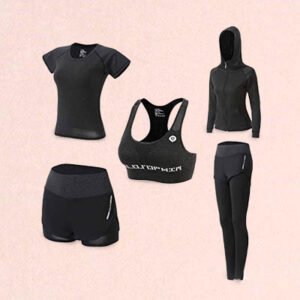
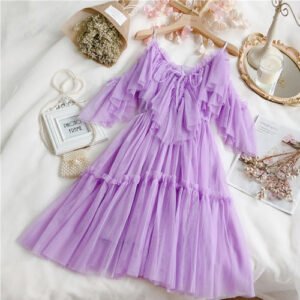
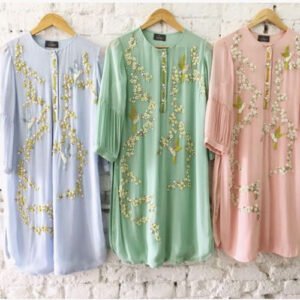
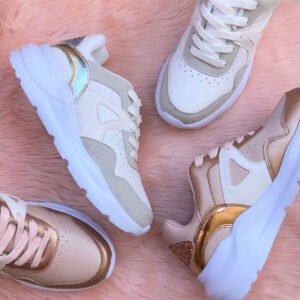
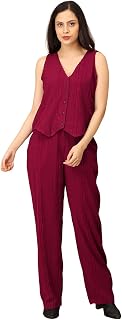


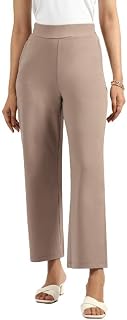


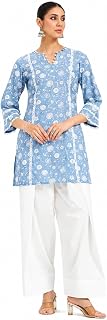


Women’s fashion in India in 2026 is increasingly shaped by versatility, comfort, fabric performance, adaptable silhouettes and the ability to style one garment in several ways. Instead of choosing clothing only because it follows a seasonal trend, shoppers can get better value by considering how a piece works with existing wardrobes, Indian weather, daily routines and different occasions.
This guide focuses on the latest women’s clothing trends for 2026 and the practical factors that matter when comparing dresses, tops, shirts, trousers, jeans, ethnic wear, co-ord sets, kurtis, skirts, outer layers and occasion clothing. Trend direction can change quickly, while good construction, suitable fabric, dependable sizing and useful styling potential remain important for much longer.
For Indian shoppers, the best fashion purchase is not necessarily the most dramatic or expensive item. A strong choice should suit the intended occasion, climate, personal style and frequency of use while offering enough flexibility to work with other pieces already in the wardrobe.
The strongest fashion directions for 2026 combine contemporary styling with practical wearability. Some trends are highly visible, while others are better understood as changes in how women are choosing and styling clothing.
Relaxed clothing continues to appeal because it balances modern styling with everyday comfort. Loose shirts, wide-leg trousers, relaxed dresses, oversized tops and easy-fit co-ord sets can create a polished appearance without relying on restrictive cuts.
When buying relaxed clothing, pay attention to the difference between intentionally oversized and simply poorly fitted. Shoulder placement, sleeve length, garment proportions and fabric drape should still look deliberate. A relaxed silhouette can appear sophisticated when its proportions are controlled.
Wide-leg trousers are a particularly useful trend because they can transition between casual, office and occasion styling depending on fabric and construction. Tailored versions work well with fitted shirts or structured tops, while softer trousers can be paired with relaxed knitwear or simple T-shirts.
Indian shoppers should consider the rise, waistband construction, pocket placement, fabric opacity and finished length before buying. Very long trousers may require alterations, especially when worn with flat footwear.
Co-ord sets remain practical because the matching pieces remove much of the guesswork involved in putting together an outfit. A shirt-and-trouser combination can be worn together or separated and combined with other wardrobe staples.
Look for sets where each component works independently. A coordinated print may look attractive as a complete outfit but offer less long-term value if neither piece pairs easily with other clothing.
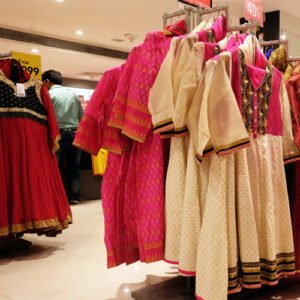
Indian fashion continues to influence everyday wardrobes through fusion silhouettes. Kurtis with contemporary trousers, tunic-style tops with jeans, cropped jackets over ethnic outfits and modern co-ord interpretations of traditional prints can bridge casual Western and Indian dressing.
Fusion clothing can be particularly useful for shoppers who need outfits that move between family gatherings, workplaces, casual social occasions and festive settings without requiring a completely separate wardrobe.
Dresses remain a convenient category because one garment can form the foundation of an entire outfit. Shirt dresses, midi dresses, wrap-inspired silhouettes, relaxed maxi dresses and structured casual dresses can all serve different wardrobe requirements.
For Indian conditions, fabric choice deserves particular attention. A visually attractive dress made from a heavy or poorly breathable material may be less useful in warm weather. Check fabric composition, lining, sleeve design and care requirements before choosing.
Fashion-forward tops and dresses often use sleeves, collars, necklines or subtle construction details to create visual interest without relying entirely on prints. Puff sleeves, gathered details, structured shoulders, boat necks, square necklines and asymmetric elements can change the character of a simple garment.
These details are worth evaluating against practicality. Dramatic sleeves may be attractive but less convenient under jackets, while delicate necklines can require more careful laundering and storage.
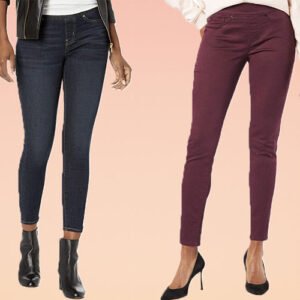
Women’s denim has expanded beyond the traditional skinny silhouette. Straight-leg, relaxed, wide-leg, bootcut and contemporary high-rise or mid-rise shapes provide alternatives for different body proportions and styling preferences.
When comparing jeans, focus on the actual measurements rather than relying exclusively on labels such as small, medium or large. Waist, hip, rise, inseam and stretch percentage can vary substantially between brands and styles.
Minimalism remains relevant because versatile basics create more outfit combinations than highly specific statement pieces. Plain shirts, neutral trousers, simple tops, versatile dresses, understated cardigans and classic denim can serve as foundations for trend-led accessories and seasonal additions.
Brands such as Levi’s, Uniqlo, Marks & Spencer, H&M and Mango are commonly associated with different parts of the everyday fashion market, but shoppers should compare the specifications of the individual garment rather than assuming every product from a brand will have the same fit or quality.
Prints and colour remain important ways to update a wardrobe. Florals, geometric patterns, stripes, checks, abstract motifs and textured fabrics can make otherwise familiar silhouettes feel current.
If the objective is maximum wardrobe flexibility, consider how easily a print coordinates with existing footwear, bags, trousers, jeans and outerwear. If the objective is an occasion statement, a more distinctive print may be worthwhile even if it has fewer styling combinations.
Lightweight layers are increasingly useful for Indian wardrobes because indoor air conditioning, seasonal changes and regional weather can make a single outfit feel unsuitable throughout the day. Lightweight shrugs, cropped jackets, cardigans, overshirts and breathable blazers can add structure without requiring heavy winter clothing.
For layering, check sleeve volume and garment length carefully. A very oversized top may not sit comfortably beneath a fitted jacket, while a bulky sleeve can create unnecessary volume underneath outerwear.
The phrase “best women’s clothing” is highly personal. The most fashionable item is not automatically the most useful purchase. A better approach is to match the trend with your lifestyle, climate, existing wardrobe and intended frequency of wear.
Prioritise comfortable fabrics, uncomplicated silhouettes and easy washing. Relaxed shirts, straight-leg jeans, cotton tops, casual dresses and practical co-ord sets tend to offer strong versatility.
Professional clothing benefits from clean lines, appropriate coverage and fabrics that maintain their appearance during a working day. Tailored trousers, structured shirts, modest dresses, smart kurtis, blazers and refined knitwear can form a flexible work wardrobe.
Before purchasing, consider whether the fabric wrinkles easily, whether the garment is transparent under office lighting and whether the fit allows normal movement while sitting, walking and working.
College clothing generally benefits from versatility and comfort. Straight jeans, relaxed trousers, oversized shirts, graphic or plain T-shirts, casual dresses and practical co-ords can be mixed repeatedly without looking identical.
Students may also benefit from choosing durable fabrics and colours that do not require unusually delicate care. A garment that looks good but needs frequent specialist maintenance may have a higher practical cost over time.
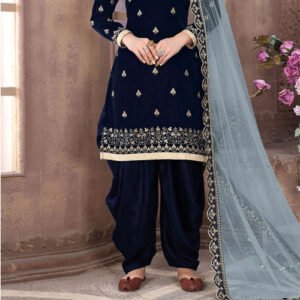
For festive dressing, consider kurtas, anarkali-inspired silhouettes, sarees, contemporary ethnic sets, embellished tops, festive dresses and fusion outfits. The right choice depends on the formality of the event and whether the garment needs to be reused for multiple occasions.
Embroidery, sequins, metallic details and embellishments can create a stronger occasion look, but they may also increase care requirements. Examine washing instructions and the security of decorative elements before buying.
Wedding clothing requires a different evaluation because appearance is usually more important than everyday practicality. Sarees, lehengas, embellished suits, occasion dresses and heavily detailed ethnic-fusion outfits can be appropriate depending on the event.
Consider the venue, expected weather, event duration, footwear and movement requirements. A visually impressive outfit can become uncomfortable if the fabric is too heavy, the neckline is difficult to manage or the garment restricts movement.
Fabric can influence comfort, appearance, durability, drape, maintenance and suitability for Indian weather. Two garments with similar designs can feel completely different because of their materials.
Cotton is widely valued for everyday clothing because it can feel comfortable in warm conditions. Cotton shirts, kurtis, dresses and tops are useful wardrobe staples, although the exact feel depends on the weave, finishing and fabric weight.
Linen is known for its lightweight character and natural texture. It can be a strong option for warm-weather shirts, dresses and trousers. Its tendency to crease is part of its characteristic appearance, although blends can offer a different balance of wrinkle resistance and drape.
Rayon and viscose fabrics are often used for garments where soft drape and fluid movement are desirable. They can work well for dresses, tunics and relaxed tops, but care instructions should be checked because handling requirements can vary.
Polyester can provide durability, shape retention and relatively easy care. It is used across casual, active and occasion clothing. However, comfort depends on the construction and weight of the fabric, so shoppers should not judge a garment solely from the fibre name.
Denim is generally selected for jeans, jackets and skirts. Stretch denim can provide greater ease of movement, while rigid denim can create a more structured appearance. Check the fibre composition when comparing different jeans because a small difference in stretch can noticeably change the fit.
Knit fabrics are useful for T-shirts, tops, sweaters, cardigans and casual dresses. Their stretch and recovery characteristics affect how a garment fits and whether it maintains its shape after repeated wear.
Product photographs can make clothing difficult to evaluate because lighting, styling, posing and editing can change how a garment appears. Use the available product information to investigate construction details rather than relying only on appearance.
Read the listed fibre composition and distinguish between the main fabric, lining and decorative components when that information is provided. Fibre content can help you predict general characteristics, but it does not tell the complete story about garment quality.
Do not assume that the same size will fit identically across different brands. Measure a garment you already own that fits well and compare its relevant dimensions with the listed measurements where possible.
Care requirements should form part of the buying decision. Hand-wash-only, dry-clean-only or delicate garments may require more time and expense than easy-care clothing. If an item will be worn frequently, maintenance should be considered alongside its purchase price.
Fit is one of the biggest differences between an attractive product listing and a successful purchase. The correct fit depends on garment type, body proportions, intended silhouette and personal preference.
For shirts, blazers, jackets and structured dresses, shoulder placement is particularly important. A shoulder seam that sits significantly beyond the natural shoulder can create an oversized effect, while a seam that pulls inward may indicate insufficient room.
Look for pulling, gaping or excessive tension around buttons and seams. For relaxed clothing, some additional ease may be intentional, but the garment should still allow comfortable movement.
High-rise, mid-rise and low-rise bottoms create different visual proportions. Choose based on comfort and the way the rise works with your preferred tops rather than treating one rise as universally better.
For trousers, skirts and fitted dresses, hip measurements can be just as important as the waist. A garment that fits at the waist but pulls across the hips may not deliver the intended silhouette.
Garment length is especially important for petite shoppers and for wide-leg trousers, maxi dresses, skirts and cropped tops. Check the listed length whenever it is available rather than relying on model photographs.
India's climate varies significantly by region, so seasonal fashion should not be treated as one nationwide formula. A fabric that works well in a cooler northern winter may be uncomfortable in a hot and humid southern summer.
For hot weather, prioritise breathable construction, lighter fabrics, comfortable silhouettes and colours that suit your wardrobe. Cotton tops, relaxed dresses, lightweight shirts, airy trousers and comfortable kurtis can form practical summer combinations.
During the monsoon, garment practicality becomes particularly important. Faster-drying fabrics, manageable hemlines and easy-care clothing can be preferable for regular commuting. Extremely long trousers or heavy fabrics may be inconvenient in wet conditions.
Winter wardrobes depend heavily on location. In colder parts of India, sweaters, coats, jackets and layering pieces may be necessary, while milder regions may require only lightweight cardigans or overshirts.
Choosing between Western, Indian and fusion clothing is often less useful than considering the occasions for which the wardrobe needs to work. Each category can fill a different role.
Western clothing includes jeans, trousers, shirts, dresses, skirts, blazers, T-shirts and contemporary outerwear. These pieces can be particularly useful for casual, workplace and urban styling.
Indian clothing includes sarees, kurtas, salwar suits, lehenga-inspired outfits and other traditional silhouettes. These remain important for cultural, festive, family and formal occasions.
Fusion clothing combines elements from both categories. It can be especially useful when shoppers want a contemporary appearance while retaining familiar Indian fabrics, prints, silhouettes or styling elements.
Brand names can help shoppers narrow a search, but they should not replace product-level evaluation. Different brands target different price points, silhouettes and categories, and quality can vary between individual collections.
Before choosing a brand, compare the specific garment’s measurements, materials, care instructions and customer feedback rather than assuming that a familiar brand guarantees the right choice for every shopper.
Customer reviews can reveal practical information that may not be obvious from product photography. However, individual experiences can differ, so reviews should be evaluated as a collection of observations rather than treated as absolute proof of quality.
A trend can be visually appealing without being useful for your lifestyle. Before purchasing, consider how many realistic occasions you have to wear the item and whether it can be styled in at least several different ways.
Choosing a familiar letter size without checking measurements is a common source of poor fit. Size labels are not universal, especially when comparing different brands or international sizing systems.
Studio photographs cannot reliably communicate weight, breathability, softness or texture. Read the fabric information and care instructions whenever available.
Light-coloured or lightweight garments may require additional consideration. Look for information about lining and evaluate customer feedback for repeated comments about transparency.
Garments can look different depending on height and proportions. Pay particular attention to the listed length of trousers, dresses, skirts and long tops.
A wardrobe can become expensive without becoming more useful if it contains too many garments designed for only one event. Where possible, select occasion clothing that can be restyled through different accessories, footwear or layering pieces.
A practical wardrobe does not need to contain every current trend. Start with reliable foundations and introduce trend-led pieces selectively.
The cheapest garment is not necessarily the best value, and a higher price does not automatically mean superior quality. Value depends on how often an item can be worn, how well it fits, how difficult it is to maintain and how long it remains useful.
A moderately priced basic worn repeatedly may provide more practical value than a heavily discounted statement garment that is rarely used. Conversely, a special-occasion item may be worthwhile even with limited use if it fulfills a genuine wardrobe requirement.
When comparing prices across retailers, also check whether the garments are actually comparable in fabric, construction, lining, dimensions and included components. Promotional pricing can change, so the price displayed at the time of purchase should always be checked independently.
Online fashion shopping requires a slightly different evaluation process because the garment cannot be physically inspected before purchase. A disciplined comparison can reduce the likelihood of choosing unsuitable clothing.
Good clothing care can be as important as the original purchase decision. Always follow the garment's specific care label because different fabrics and finishes can require different handling.
When two garments look similar, use a structured comparison rather than choosing solely on appearance. Score each option against the factors that matter most to you.
Trend-forward clothing can refresh a wardrobe quickly, while timeless pieces can provide a stable foundation. The most practical approach for many shoppers is to combine the two.
Use timeless pieces such as straight trousers, simple shirts, classic denim, neutral tops and versatile dresses as the foundation. Add current silhouettes, prints, colours or accessories selectively. This makes it easier to participate in 2026 fashion trends without needing to replace clothing every season.
Key directions include relaxed silhouettes, wide-leg trousers, versatile co-ord sets, modern Indian fusion wear, contemporary dresses, expressive sleeves and necklines, updated denim shapes, minimalist wardrobe staples, distinctive prints and practical layering pieces.
There is no single best fabric for every part of India. Lightweight and breathable materials can be useful in hot weather, while layering becomes more important in cooler regions. Consider the local climate, humidity, season and intended activity when selecting clothing.
Wide-leg trousers remain a useful contemporary silhouette because they can work for casual, professional and elevated outfits. Fit through the waist, fabric drape and finished length are more important than simply following the trend.
Measure yourself or compare the garment with a well-fitting item you already own, then use the retailer's current measurement chart. Pay particular attention to bust, waist, hip, rise and inseam measurements depending on the garment.
Neither is universally better. Timeless clothing generally provides a stronger foundation, while trend-led pieces can add freshness and personality. A balanced wardrobe combines dependable basics with carefully selected current styles.
Check measurements, fabric composition, product photographs, care instructions, customer feedback, current pricing and the retailer's return or exchange conditions. These details can be more useful than the product title or promotional imagery alone.
Brands such as Levi’s, Uniqlo, Marks & Spencer, H&M, Mango, W for Woman, Biba and FabIndia can be included in a comparison depending on the clothing category. The individual garment should still be evaluated on fit, material, construction, care and current customer feedback.
Fashion trends, product assortments, prices, customer feedback and retailer policies can change throughout the year. A useful buying guide should therefore be reviewed regularly, with time-sensitive product information checked again before purchase.
The best latest women’s clothing trends are the ones that add genuine value to your wardrobe rather than simply occupying space because they are fashionable. In 2026, shoppers have a broad choice of relaxed silhouettes, updated denim, co-ord sets, dresses, Indian fusion clothing, versatile basics and statement designs.
For the strongest purchase decision, compare the garment's measurements, material, construction, care requirements, versatility and current customer feedback. Consider Indian climate and the occasion, then compare similar options before making a final decision.
Most importantly, treat trends as a styling opportunity rather than a requirement. A well-fitting, comfortable and versatile garment that you can wear repeatedly is often a better addition to your wardrobe than a highly fashionable piece that works for only one situation.