

♥ Wishlist
Compare 58 verified Silver Jewellery for Every Style and Occasion products in India. Reviews, ratings, pros, cons and buying advice updated for October 2026.


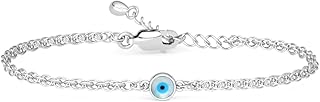


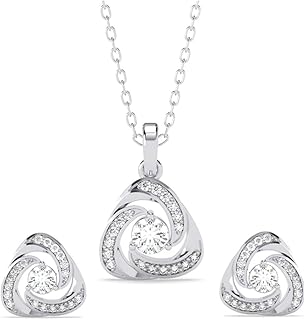


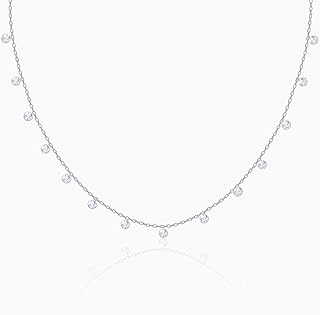


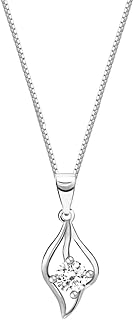

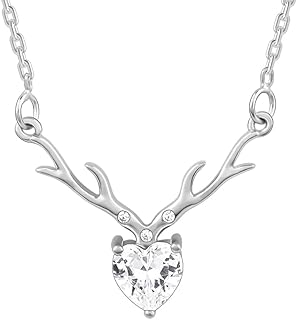




When comparing the latest silver jewellery trends for 2026, appearance is only one part of the buying decision. The right piece should also suit the occasion, fit comfortably, use a suitable silver alloy or finish, and offer construction quality appropriate for how frequently it will be worn. Buyers in India can find everything from minimalist everyday jewellery to oxidised statement pieces, traditional-inspired designs, contemporary office wear and occasion jewellery.
This guide is designed to help you compare silver jewellery more intelligently rather than choosing solely from photographs. Before buying, consider the metal specification, dimensions, clasp or closure, stone setting, finish, care requirements, seller information and verified customer feedback. Product specifications can differ substantially even when two pieces look similar online.
Silver jewellery in 2026 spans several distinct aesthetics rather than following one single look. Minimalist designs remain useful for everyday styling, while larger earrings, layered necklaces, textured surfaces and traditional motifs can create a more noticeable fashion statement. Oxidised silver-inspired finishes continue to work particularly well with Indian ethnic and fusion outfits, while polished silver complements Western and contemporary wardrobes.
Minimalist silver jewellery focuses on clean shapes, modest proportions and uncomplicated detailing. Small hoops, slim rings, delicate chains, tiny pendants and understated bracelets can be particularly versatile because they work with casual clothing, workwear and many semi-formal outfits.
For everyday use, examine the thickness of the piece rather than judging durability from photographs. Very delicate jewellery can look elegant but may require more careful handling. Buyers who frequently remove and wear jewellery should also pay attention to the clasp, chain links and joining points.
Oxidised silver jewellery uses a deliberately darker surface appearance to emphasise engraved, carved or textured details. It is especially popular with jhumkas, earrings, tribal-inspired designs, bangles, necklaces and statement rings.
The dark finish can vary considerably between products. Some designs have an intentionally dramatic blackened appearance, while others use a softer antique effect. If colour consistency matters to you, inspect product photographs carefully and read customer feedback for comments about the finish.
Silver jhumkas remain an adaptable choice for Indian wardrobes because they can complement kurtas, sarees, salwar suits and festive outfits. Contemporary versions may combine traditional bell-shaped elements with geometric patterns, lightweight construction or decorative stones.
For larger jhumkas, weight becomes an important buying consideration. A visually impressive pair may not be comfortable for several hours if the earrings are heavy. Check listed dimensions and, when available, the product weight before purchasing.
Oversized hoops, chandbali-inspired designs, sculptural earrings and long drop earrings can transform a simple outfit without requiring additional jewellery. These styles are useful when the earrings are intended to be the main accessory.
Look closely at the back closure. Push-back, screw-back, hook and lever-back mechanisms provide different levels of convenience and security. For valuable or frequently worn pieces, a well-designed closure deserves as much attention as the decorative front.
Layering creates visual depth by combining necklaces of different lengths, textures or pendant sizes. Instead of purchasing several nearly identical chains, consider combining one simple chain with a pendant necklace and a slightly shorter or longer design.
When purchasing a pre-layered necklace, check whether the individual sections are permanently connected or intended to be worn separately. This affects versatility and also changes how easily the jewellery can be styled with different necklines.
Modern silver rings range from plain bands and geometric shapes to adjustable designs, engraved motifs and stone-accented styles. Stackable rings are particularly useful for buyers who want multiple styling combinations from a relatively simple jewellery collection.
Ring sizing deserves careful attention when shopping online. Finger circumference can vary between fingers and can also change slightly during the day. If a product is adjustable, check the adjustment mechanism and avoid repeatedly bending a delicate ring, as frequent manipulation can affect its shape.
Bracelets can provide a more subtle alternative to statement necklaces. Thin chain bracelets suit minimalist styling, while cuffs and broad textured designs create a stronger visual effect.
Pay attention to the wrist measurement, extension chain and closure type. A bracelet that is too loose can rotate constantly or catch on clothing, while an overly tight bracelet can become uncomfortable during extended wear.
Silver anklets continue to have a strong place in Indian jewellery traditions while also appearing in modern, simplified designs. Buyers can choose from delicate chains, textured patterns, bead details, charms and more traditional payal-inspired styles.
Because anklets experience frequent movement and contact with footwear, floors and clothing, construction quality matters. Check link thickness, clasp design and the strength of decorative attachments before choosing an intricate style.
Initials, names, zodiac-inspired motifs, meaningful symbols and personalised pendants can make silver jewellery more distinctive. These pieces are often considered for birthdays, anniversaries, festivals and other gifting occasions.
For personalised products, verify spelling, character limits, dimensions and whether the design can be returned or exchanged. Customisation terms can differ from those for standard jewellery, so read the product information carefully before placing an order.
Designs inspired by paisley patterns, floral motifs, peacocks, leaves, temples, mandalas and regional ornamentation can combine traditional visual language with contemporary proportions. This makes them useful for buyers who want jewellery that feels distinctly Indian without appearing overly formal.
The word “silver” alone does not tell you enough about a jewellery item's metal composition. Silver jewellery can be made using different grades or alloys, and products may also include plating, coatings, gemstones, enamel or other decorative materials.
One of the most familiar specifications is sterling silver, which generally refers to an alloy containing 92.5% silver. However, shoppers should rely on the actual product specification and applicable marking or certification information rather than assuming that every item described as silver has the same composition.
When comparing two similar-looking pieces, look for clearly stated information about silver purity, alloy composition, plating and any other substantial materials. If the listing provides insufficient metal information, treat that lack of transparency as a reason to investigate further.
Pure silver is relatively soft, which is one reason jewellery commonly uses silver alloys rather than relying entirely on pure silver. Alloy composition can influence hardness, durability and suitability for different types of jewellery.
Purity should not be considered the only indicator of quality. A well-designed piece with appropriate construction can be a better practical choice than a poorly constructed item with a desirable-sounding specification.
Buyers should distinguish between a seller's description and independently verifiable information about metal purity. Where hallmarking or certification information is provided, examine the marking details and confirm what they represent under the applicable Indian standards and rules.
Do not assume that a product is automatically high quality merely because the listing uses terms such as “premium silver,” “genuine silver” or “pure silver.” These descriptions should be considered alongside the stated purity, markings, seller information and product documentation.
For higher-value purchases, keep invoices, certificates and product documentation. These records can be useful for future reference, valuation or service enquiries.
Polished silver has a bright, reflective appearance and works well with minimalist designs. It can show fingerprints, scratches and surface marks more visibly than heavily textured finishes, so regular care may be necessary to maintain its appearance.
An oxidised finish creates darker areas that emphasise engraved and raised details. It is particularly effective for traditional and antique-inspired jewellery. The finish can gradually change with friction, polishing and exposure to products such as cosmetics.
Some jewellery may use an additional surface coating or plating to alter appearance or provide particular surface characteristics. If a piece is plated, understand that the visible surface is not necessarily the same material as the underlying metal.
Ask whether the finish is expected to change with wear and whether the manufacturer provides specific care instructions. This is particularly important for rings and bracelets because they experience more physical contact than occasional-use earrings.
Gemstones, cubic zirconia, crystals, enamel, pearls and other decorative components can significantly change the appearance and care requirements of silver jewellery.
For stone-set jewellery, inspect how the stone is secured. Prong, bezel and other setting methods have different visual characteristics and maintenance considerations. Look for photographs showing the setting from multiple angles when available.
Do not assume that a decorative stone is a natural gemstone simply because the product photograph looks elaborate. Read the material description carefully and distinguish between natural stones, synthetic stones, simulants, crystals and other decorative materials.
A useful comparison should go beyond price and appearance. Create a simple checklist for each product and compare the same specifications across competing options.
Customer reviews can provide useful information, but they should not be treated as a substitute for specifications. A reviewer may praise the appearance of an item without discussing its metal composition, while another may complain about tarnishing without explaining how the piece was stored or used.
Look for repeated patterns across multiple reviews rather than relying on one unusually positive or negative comment.
A review that discusses only delivery speed or packaging may tell you little about the jewellery itself. Similarly, a very short review such as “beautiful product” provides limited information for a serious purchasing decision.
Choose lighter pieces with uncomplicated construction for daily use. Small hoops, studs, simple chains, slim bracelets and understated rings are easier to integrate into a regular wardrobe.
For professional environments, restrained designs usually provide greater versatility. Small geometric earrings, fine chains and simple rings can add polish without dominating an outfit.
Festive occasions allow more texture, scale and traditional detailing. Oxidised earrings, statement necklaces, jhumkas, chandbali-inspired designs and layered jewellery can complement Indian clothing particularly well.
For longer events, balance visual impact with comfort. Large earrings and necklaces can look dramatic but should be evaluated for weight and fastening security. If jewellery will be worn for many hours, comfort can be more important than choosing the largest available design.
When buying silver jewellery as a gift, versatile designs generally reduce the risk of a style mismatch. Small earrings, adjustable rings, simple pendants and classic bracelets can be easier to wear across different wardrobes.
Choose fine chains, plain bands, small hoops and simple geometric pieces. Look for clean proportions and finishes that do not depend on elaborate decoration.
Consider jhumkas, temple-inspired motifs, paisley patterns, floral details, oxidised finishes and traditional pendant shapes.
Textured surfaces, asymmetrical designs, engraved motifs, oxidised finishes and unusual silhouettes can create a more expressive appearance.
Geometric earrings, sculptural rings, modern cuffs and mixed-texture necklaces can work well for wardrobes built around contemporary silhouettes.
Brand recognition can be useful when narrowing a large selection, but it should not replace product-level comparison. Different collections from the same brand can vary in design, materials, construction and price.
Depending on the style you are researching, buyers may encounter names such as Tanishq, Mia by Tanishq, CaratLane, Shaya by CaratLane, Sukkhi, Voylla, Zaveri Pearls and PC Jeweller. Compare the individual product specifications, current customer feedback, stated metal composition and applicable purchase terms rather than assuming that every item from a recognised brand is identical in quality or suitability.
Product photography can make jewellery appear larger, heavier or more detailed than it is. Always check dimensions and product weight where those specifications are provided.
A fashionable design is not enough information to evaluate a silver jewellery purchase. Confirm what metal is actually being offered and whether the listing provides appropriate verification details.
This is particularly important for large earrings. A pair may look attractive online but become uncomfortable when worn for several hours.
Silver can naturally react with substances in its environment and develop surface discolouration. Tarnishing by itself does not establish that a piece is counterfeit. However, unusual colour changes, unclear metal specifications or misleading descriptions should prompt closer investigation.
Frequent exposure to perfume, cosmetics, sweat, moisture and household chemicals can affect jewellery finishes. Before buying a delicate or specially finished piece, make sure its maintenance requirements fit your routine.
Rings and bracelets are particularly sensitive to sizing errors. Measure carefully and check the seller's stated sizing system before ordering.
A strong jewellery listing should give shoppers enough information to understand what they are buying. Look for clearly stated material information, dimensions, weight where relevant, product photographs, care instructions and seller or manufacturer details.
Be cautious when important information is missing or presented only through vague marketing language. If the product description repeatedly uses words such as “premium” or “luxury” without providing measurable specifications, there may not be enough information to make a meaningful comparison.
Moisture and exposure to environmental contaminants can contribute to surface changes. Remove jewellery when practical before swimming, bathing or performing activities that expose it to excessive moisture.
Perfume, hairspray, lotions and cosmetics can come into contact with jewellery and may affect certain finishes. Allow personal-care products to dry before putting on silver jewellery.
Separate storage can reduce scratches and prevent chains from becoming tangled. Individual pouches or compartments can be particularly useful for delicate pieces.
Not every silver jewellery item should be polished aggressively. An oxidised piece, plated design or stone-set product may require different treatment from plain polished silver. Follow the care instructions supplied for the specific item.
Periodic inspection can help identify loose stones, weakened clasps or stretched links before a small problem becomes a lost component. Pay particular attention to pieces worn frequently.
Silver jewellery can change appearance over time because of exposure to air, moisture and various substances. You cannot always prevent tarnishing completely, but sensible storage and careful use can reduce unnecessary exposure.
Instead of buying many similar pieces, build a collection around different functions. A small collection can cover everyday wear, professional outfits, festive occasions and statement styling if each item serves a distinct purpose.
Silver is often selected because it offers a distinctive metallic appearance while supporting a broad range of traditional and contemporary designs. However, the best material depends on the buyer's priorities.
Silver generally creates a cooler visual effect and can suit casual, contemporary and traditional styling. Gold offers a warmer appearance and occupies a different place in Indian jewellery traditions. The decision should consider design preference, intended use and budget rather than colour alone.
Stainless steel jewellery can appeal to buyers seeking a hard-wearing material for certain fashion styles. Silver, by comparison, has a different material composition, appearance and maintenance profile. Compare the actual metal specifications instead of treating the two materials as interchangeable.
Solid silver jewellery and silver-plated jewellery should not be treated as equivalent. With plated jewellery, the visible silver layer is applied over another underlying material. Check the product description carefully to determine which type you are purchasing.
The right balance depends on how the jewellery will be used. For occasional fashion wear, design and comfort may receive greater emphasis. For frequently worn jewellery, construction, metal specification, closure quality and maintenance requirements become increasingly important.
For gifting, versatility and clear product information can reduce the chance of selecting an unsuitable design. For higher-value purchases, documentation and authenticity information deserve additional attention.
Popular choices include minimalist jewellery, oxidised silver-inspired designs, statement earrings, jhumkas, layered necklaces, contemporary rings, cuffs, anklets and jewellery featuring traditional Indian motifs with modern proportions.
Simple earrings, slim chains, modest pendants, lightweight bracelets and uncomplicated rings are practical starting points. The best option depends on your preferred style, frequency of wear and tolerance for maintenance.
Sterling silver is a widely used silver alloy and can be suitable for many types of jewellery. Buyers should still check the specific product's construction, finish, care requirements and stated metal information.
Silver jewellery can develop surface discolouration over time due to environmental exposure and contact with various substances. Proper storage, appropriate cleaning and careful use can help maintain its appearance.
Start with the stated metal composition, available hallmark or verification information, seller documentation and product details. For expensive purchases, use appropriate professional verification rather than relying solely on appearance or a product title.
“Oxidised” generally describes a surface appearance or treatment rather than a separate category of silver purity. Check the underlying metal specification to determine what the jewellery is actually made from.
Check metal composition, purity information, dimensions, weight, closure type, stone details, customer reviews, care instructions and applicable purchase terms. These details are usually more useful than photographs alone.
Versatile pieces such as simple earrings, pendants, adjustable rings and classic bracelets can be easier gifts when you are unsure of the recipient's exact style. For personalised jewellery, verify spelling and customisation terms carefully.
No. Ratings provide a useful initial signal but do not replace product specifications. Read detailed reviews and compare material information, dimensions, construction and care requirements before making a decision.
Not necessarily. Price can reflect design complexity, workmanship, stones, brand positioning, weight and other factors. Compare the specifications and construction of individual products instead of assuming that the highest-priced item is automatically the best choice.
The best silver jewellery purchase is the one that matches the way you actually intend to wear it. A delicate minimalist necklace may be a better everyday choice than an elaborate statement piece, while a detailed oxidised jhumka may be more suitable for festive styling. There is no single silver jewellery design that is ideal for every buyer.
For an informed purchase in India, compare metal purity, construction, size, weight, finish, comfort, closure quality and verified customer feedback together. Consider recognised names such as Tanishq, Mia by Tanishq, CaratLane, Shaya by CaratLane, Sukkhi, Voylla, Zaveri Pearls and PC Jeweller as starting points for comparison, but evaluate each individual product on its specifications and suitability.
Because product prices, stock status, designs, customer ratings and retailer terms can change, check the latest product information immediately before purchasing. A careful comparison is more reliable than choosing solely because a piece appears in a “top” list or has an attractive photograph.
Which direction should the page emphasise next: top 10 product comparisons, Indian buying guide, or SEO-focused FAQs?