

♥ Wishlist
Compare 58 verified Thong Sandals for Women products in India. Reviews, ratings, pros, cons and buying advice updated for October 2026.


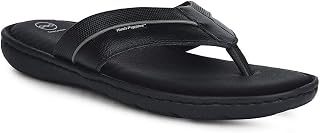


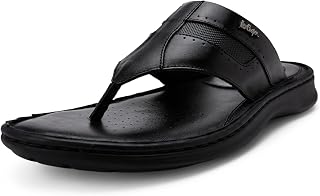


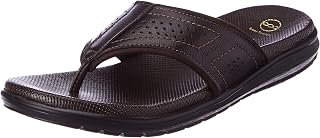


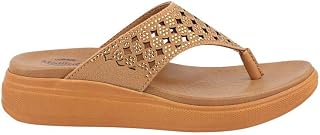


Thong sandals continue to be one of the easiest warm-weather footwear choices for Indian wardrobes because they combine an open design, minimal upper construction and easy slip-on convenience. In 2026, the category extends well beyond basic rubber flip-flops. Shoppers can choose from lightweight everyday pairs, cushioned walking styles, sporty thong sandals, textured soles, platform-inspired designs, leather-look options and more polished styles suitable for casual outings.
For Indian consumers, the best thong sandal is not necessarily the most fashionable or the cheapest option. Climate, walking distance, foot comfort, outsole grip, strap construction, material quality, maintenance requirements and intended use all affect whether a pair is genuinely useful. A sandal that feels comfortable for a short trip to a nearby shop may not be appropriate for several hours of walking, while a highly cushioned pair may be unnecessary for someone primarily looking for a simple beach or home sandal.
This guide explains the major thong sandal trends for 2026 and the practical specifications worth checking before buying. It is designed as an independent consumer buying guide, helping shoppers compare products, specifications, customer feedback and current retailer listings before deciding which pair best fits their needs.
Minimalist thong sandals remain a dependable choice for everyday casual wear. Their appeal comes from a simple construction with a toe post, a broad or narrow strap and a relatively flat sole. Fewer components can make them lightweight and easy to pack, which is useful for travel, short errands and relaxed summer outfits.
When comparing minimalist designs, pay attention to the junction between the toe post and footbed. This area receives repeated pressure during walking. A soft-looking upper does not automatically mean that the construction will remain comfortable, so shoppers should examine product specifications and verified customer feedback for comments about rubbing, stiffness and long-term comfort.
Cushioning has become an important differentiator in casual sandals. Instead of a very thin flat sole, walking-oriented thong sandals may use EVA, foam-based compounds or layered footbeds to provide a softer underfoot feel.
Cushioning should not be judged by softness alone. Excessively soft foam can feel comfortable initially but may provide less stable support for some users. A better comparison considers cushioning alongside sole thickness, footbed shape, flexibility, weight and outsole traction.
Sport-inspired thong sandals are designed for consumers who want a casual appearance while giving more attention to walking comfort and outsole performance. These models can have thicker soles, textured tread patterns, reinforced straps and more structured footbeds.
Brands such as Crocs, Nike, Adidas and Puma are useful reference points when researching sporty casual footwear, although individual models differ considerably. Always compare the specifications of the exact product rather than assuming that every sandal from a particular brand offers the same construction.
Outsole design is increasingly important in thong sandals. A patterned outsole can help provide traction on ordinary dry surfaces, while deeper grooves may improve the sole's ability to flex and maintain contact with the ground.
However, no tread pattern makes a sandal universally slip-proof. Wet tiles, polished stone, algae-covered surfaces, muddy ground and oily floors can remain hazardous. If a sandal will frequently be used around pools, beaches, bathrooms or monsoon conditions, examine the outsole compound and tread design carefully and read verified customer feedback concerning grip.
The toe post is one of the defining components of a thong sandal, but it is also one of the areas most likely to cause discomfort. Current designs increasingly focus on softer materials, smoother edges and more ergonomic shapes.
A good toe post should hold the sandal securely without creating excessive pressure between the toes. If the product photographs show a very rigid or sharply finished connector, consider whether it suits your intended walking duration. Customer feedback can be particularly useful for identifying rubbing that is difficult to assess from photographs alone.
Thong sandals are no longer limited to basic beach footwear. Fashion-focused designs can include metallic finishes, decorative elements, contrasting straps, printed footbeds, textured surfaces and elevated soles.
For everyday Indian styling, neutral shades such as black, brown, tan, beige, white and navy are versatile choices. Brighter colours can work particularly well with summer dresses, shorts, casual cotton clothing and vacation outfits, but they may require more attention to staining and colour maintenance.
Platform-inspired thong sandals add height while retaining the open construction associated with traditional flip-flops. The extra sole thickness can also provide more separation between the foot and hot or uneven ground.
There is a trade-off. A taller sole can increase the weight and alter the way the sandal flexes during walking. Shoppers who prioritise stability should compare sole geometry and flexibility rather than choosing an elevated pair purely for appearance.
Leather thong sandals can offer a more refined appearance than basic rubber or foam styles. They may work with casual trousers, linen clothing, jeans and resort-style outfits where a conventional flip-flop looks too informal.
Material descriptions should be read carefully. Terms such as leather, genuine leather, synthetic leather, faux leather and leather-look can refer to substantially different materials. Buyers should check the exact product description rather than assuming that a leather-coloured or leather-textured sandal is made from natural leather.
Lightweight thong sandals remain particularly useful for travel. They occupy little luggage space and can be used around accommodation, beaches, casual restaurants and short-distance outings.
For travel, consider more than weight. A very thin sandal may be convenient to pack but less suitable for extensive sightseeing. A slightly heavier pair with better cushioning and traction can be more versatile if you expect to walk for several hours.
India's combination of heat, humidity and seasonal monsoon conditions makes easy maintenance an important consideration. Synthetic rubber, EVA and similar materials are generally easier to clean than delicate finishes.
For sandals intended for frequent water exposure, check the manufacturer's care instructions. Do not assume that a sandal is suitable for prolonged soaking merely because it is made from a synthetic material. Adhesives, decorative components and certain finishes may have different care requirements.
The right sandal depends heavily on where and how it will be used. Before comparing brands or prices, define the primary purpose.
The footbed is the surface that supports the bottom of the foot. A completely flat footbed may be perfectly acceptable for short-duration casual use, but shoppers who spend considerable time walking may prefer a contoured design.
Look for a footbed that allows the heel and forefoot to sit naturally without forcing the foot into an uncomfortable position. A textured footbed can also help reduce excessive sliding, although texture alone cannot compensate for an unsuitable fit.
Sole thickness affects comfort, flexibility, weight and ground protection. Thin soles are generally lightweight and flexible, while thicker soles can provide greater cushioning and insulation from hot pavement.
Thicker is not automatically better. If the sole is excessively rigid, it may interfere with natural foot movement. Compare thickness with flexibility and intended use rather than treating sole height as a standalone measure of quality.
A casual thong sandal normally needs enough flexibility to follow the walking motion. However, excessive flexibility can make some designs feel less stable, particularly when walking quickly or over uneven surfaces.
If product specifications provide information about the sole material, use it alongside photographs and customer feedback. When specifications are limited, examine multiple product images and look for close-up views of the sole and tread.
Strap width can influence both appearance and comfort. Narrow straps often create a minimalist appearance, whereas wider straps may distribute pressure over a larger area.
Do not assume that a wider strap is always more comfortable. Its material, flexibility, edge finishing and position all matter. The strap should hold the sandal securely without feeling excessively tight across the foot.
Because the toe post sits between the first and second toes, small differences in shape and material can have a noticeable effect on comfort. Look for smooth construction without visibly sharp edges or hard protrusions.
If you are purchasing online, read customer feedback specifically for comments about toe-post rubbing rather than relying only on the overall product rating.
Rubber is widely associated with classic flip-flop construction. Depending on the formulation, rubber can offer useful flexibility, durability and resistance to ordinary outdoor conditions. Its exact feel varies considerably between products.
Ethylene-vinyl acetate, commonly abbreviated as EVA, is frequently used in lightweight footwear. It can provide a soft, cushioned and relatively lightweight platform. EVA sandals can be appealing for travel and casual everyday use.
The quality and density of foam matter. Two sandals described as EVA can feel substantially different underfoot, so compare construction and verified customer feedback whenever possible.
Thermoplastic rubber and other synthetic compounds may be used in soles or straps to balance flexibility, durability and manufacturing requirements. Product descriptions sometimes provide only broad material information, making it important to inspect the complete specification.
Leather can provide a premium appearance and can develop a different character with use. It generally requires more care than basic synthetic footwear, particularly when exposed to water, excessive moisture or harsh cleaning products.
Synthetic leather can reproduce some of the visual characteristics of leather while offering different maintenance and cost characteristics. It is particularly common in fashion-oriented sandals.
In very hot weather, breathable open footwear can be more comfortable than enclosed shoes. Light colours can also be useful from a styling perspective, while smooth, easy-clean materials can simplify maintenance.
Humidity increases the importance of drying and ventilation. Materials that are easy to wipe and dry can be more convenient for regular use. If sandals become wet, follow the care instructions rather than placing them against intense direct heat.
Monsoon use demands extra attention to traction. Wet roads, painted surfaces, polished floors and smooth tiles can all become slippery. A treaded outsole is preferable to a completely smooth sole when conditions are frequently wet, but even a strongly patterned sole should be used cautiously on hazardous surfaces.
Thong sandals are primarily warm-weather footwear, but they can still be useful indoors or during mild-weather periods. In colder conditions, however, open sandals provide limited insulation and may not be the most practical choice.
Not every thong sandal is designed for long-distance walking. If walking comfort is your priority, compare five factors together: cushioning, footbed shape, sole flexibility, outsole grip and strap security.
A sandal that moves excessively under the foot can cause the toes to work harder to keep it in place. Likewise, a very loose strap can reduce walking confidence. A well-fitting sandal should remain reasonably secure without requiring you to grip the footbed aggressively with your toes.
For long sightseeing days, commuting on foot or extended outdoor activity, consider whether an alternative sandal construction with more secure upper coverage would be more appropriate. Thong sandals are convenient, but their open design naturally provides less foot retention than many sport or walking sandals.
Weight matters most for travel and frequent everyday wear. Lightweight construction can make a sandal feel unobtrusive, but extremely low weight should not automatically be treated as a quality advantage.
Compare the overall sole profile rather than focusing only on the advertised heel height. A sandal with a thick forefoot and thick heel will behave differently from one with a thin forefoot and raised heel.
Check the material of the upper, toe post, footbed and outsole separately when this information is available. Different components may use different materials.
Traditional thong sandals normally have no adjustable closure, which makes sizing particularly important. If your feet are between sizes or you have a high or low instep, examine the manufacturer's sizing guidance carefully.
Do not assume that your usual footwear size will automatically fit every sandal. Size labels can vary between brands and models. Whenever a retailer provides a foot-length chart, compare your measured foot length with the chart rather than relying exclusively on a generic size number.
A very soft sandal can initially feel luxurious, but softness alone does not determine whether it is suitable for your feet. Consider stability, fit, cushioning response and walking behaviour as well.
Many shoppers focus on the colour and sole but overlook the toe post. Because this component directly contacts sensitive skin, it deserves equal attention.
Low price can be attractive for basic casual footwear, but the cheapest option may not offer the durability or comfort required for frequent use. Conversely, a higher price does not automatically guarantee superior quality. Compare construction, materials, specifications and customer feedback.
Established brands such as Bata, Havaianas, Crocs, Sparx, Paragon, Relaxo, Nike, Adidas and Puma offer different footwear constructions across their ranges. Brand reputation can be one consideration, but the exact model, size and intended use remain more important.
When purchasing online, review the retailer's current return, exchange and size-related policies before ordering. Policies can vary by seller, product and listing, and they may change over time.
A decorative thong sandal may be excellent for casual styling but unsuitable for hiking, running, extensive trekking or activities requiring secure foot retention. Match the construction to the activity rather than trying to make one sandal perform every role.
The terms thong sandals and flip-flops are often used interchangeably in everyday shopping language. In many cases, both describe open footwear secured by a strap that passes between the first and second toes.
However, the category can include substantial variation. A very basic flip-flop may have a thin flat sole and minimal cushioning, while a fashion or walking-oriented thong sandal may have a contoured footbed, thicker sole, textured outsole and more substantial strap construction.
When shopping, focus on the actual design rather than the terminology used in the product title. Product descriptions can use overlapping names for similar footwear.
Slides use an upper strap across the foot rather than a toe post. This eliminates the material between the toes, which can be an advantage for shoppers who find thong construction uncomfortable.
Thong sandals can provide a more secure front-to-back feel for some users because of the toe-post arrangement, while slides can be easier to put on and remove. Neither construction is universally superior; personal fit and intended use should determine the choice.
Walking sandals typically provide more secure foot retention and may incorporate adjustable straps around the heel, ankle or forefoot. They are therefore often more appropriate for long walks and uneven terrain.
Thong sandals have the advantage of simplicity, ventilation and easy on-off convenience. They can be excellent for casual use but should not automatically be considered a substitute for purpose-designed walking footwear.
Customer reviews can provide useful information that specifications do not always communicate, but they should be interpreted systematically.
A high star rating can be helpful, but it does not replace reading representative feedback. A product can receive strong overall ratings while still being unsuitable for someone with a particular sizing requirement or intended use.
Value is better understood as the relationship between usefulness, construction, comfort and expected frequency of use rather than simply the lowest purchase price.
For occasional beach use, a simple affordable sandal may offer excellent value. For daily commuting, spending more on better cushioning, materials and construction may make sense if those features meaningfully improve usability. For fashion use, appearance and wardrobe compatibility may matter more than maximum durability.
Before purchasing, compare the specifications of several products within the same general category. Look at material, sole construction, weight, fit guidance and customer feedback before comparing prices.
Remove surface dirt regularly so that grit does not accumulate around the footbed and outsole. Use a cleaning method appropriate to the material. Avoid aggressive chemicals unless the manufacturer specifically recommends them.
Allow wet sandals to dry thoroughly before storing them. Prolonged moisture can contribute to unpleasant odours and may affect certain materials, adhesives or finishes.
Do not assume that placing sandals under intense direct heat is the fastest or safest drying method. Excessive heat can affect synthetic materials and may contribute to warping or deterioration.
Periodically check the toe post and its connection to the sole. If the connector becomes loose, damaged or structurally compromised, replacement is safer than continuing to use a deteriorating pair.
Monitor tread wear. If the pattern has become substantially smoother or the sole shows structural damage, traction and stability may be reduced.
Store sandals in a clean, dry location away from prolonged direct sunlight. Avoid leaving them compressed under heavy objects, particularly if the material can deform.
For travel, allow wet sandals to dry before placing them inside a closed bag whenever possible. Keeping footwear ventilated can help minimise odour and moisture accumulation.
Men's thong sandals commonly range from basic rubber flip-flops to sport-inspired and leather-look casual designs. Black, brown, navy, grey and neutral tones are versatile for everyday wardrobes, while brighter colours can suit beach and holiday clothing.
Men who expect to walk frequently should prioritise foot retention and outsole performance rather than selecting purely on appearance. For office environments or formal occasions, a closed shoe or more structured sandal may be more appropriate depending on the dress code.
Women's thong sandals span a particularly broad range of casual and fashion-focused styles. Options may include slim straps, embellished designs, metallic finishes, colourful soles, elevated platforms and leather-look constructions.
When choosing fashion-oriented footwear, consider both appearance and practicality. A decorative strap should still sit comfortably, while a raised sole should provide adequate stability for the way you intend to walk.
A good travel sandal should be versatile enough to handle multiple casual situations without taking up excessive luggage space. Neutral colours can work with several outfits, while lightweight construction reduces packing bulk.
If your itinerary involves extensive walking, consider carrying a more supportive walking shoe or sandal as well. A thong sandal can be ideal for accommodation, poolside use, beaches and short outings without being the best choice for every activity.
Beach footwear should be easy to clean and reasonably resistant to ordinary exposure to sand and water. Sand can become abrasive, so rinsing the footwear after beach use can help prevent accumulated grit from affecting comfort.
Remember that wet sand, rocks and slippery surfaces can still create hazards. Thong sandals offer minimal protection compared with closed footwear, so choose accordingly when walking over sharp or uneven terrain.
No sandal should be treated as completely slip-proof. Wet surfaces require caution regardless of footwear.
Black remains one of the easiest colours to style and is practical for frequent casual use because ordinary marks may be less noticeable.
Brown and tan work particularly well with earthy, neutral and summer-oriented outfits. They are especially suitable for leather and leather-look designs.
White sandals provide a clean summer appearance but can show dirt quickly. They are best suited to shoppers willing to clean their footwear regularly.
Navy and grey offer alternatives to black while remaining relatively versatile for everyday clothing.
Bright shades can add personality to simple outfits and work well for vacations and casual summer styling. Consider maintenance requirements if the sandals will be used outdoors frequently.
Not necessarily. Price can reflect brand positioning, materials, design complexity and manufacturing choices, but it is not a standalone measure of comfort or durability.
A sensible comparison should examine what the additional cost actually provides. If a more expensive model has substantially better cushioning, improved outsole construction, higher-quality materials or a fit that suits your needs, the additional expense may be justified. If the main difference is decorative styling that you do not value, a less expensive alternative may offer better overall value.
Affordable thong sandals can make sense for occasional use, especially when the requirements are simple. They may be suitable for short errands, indoor use, temporary travel use or situations where a basic washable sandal is all that is needed.
For frequent walking, however, compare construction carefully. A very low-cost pair that loses its shape, develops uncomfortable straps or wears through quickly may provide less value than a moderately priced alternative with better construction.
Rather than buying several pairs that perform the same function, consider assigning different sandals to different situations.
This approach can be more practical than expecting a single pair to perform equally well across every situation.
Brand selection can help narrow a large marketplace, but the exact product remains the most important comparison point. Depending on the style and budget you are researching, brands commonly associated with casual and open footwear include Bata, Havaianas, Crocs, Sparx, Paragon, Relaxo, Nike, Adidas and Puma.
These brands cover different design philosophies and product categories, so shoppers should compare the specifications of individual models rather than treating the brand name as a guarantee of a particular level of cushioning, durability or fit.
When evaluating a listing, check the exact material description, size chart, outsole design, customer feedback, seller information and current retailer terms. Product details can vary between listings even when products appear visually similar.
Before placing an order, use this quick checklist to compare your shortlisted thong sandals:
The best thong sandals depend on intended use, budget, fit and personal comfort preferences. For casual errands, a lightweight basic design may be sufficient, while frequent walking calls for greater attention to cushioning, footbed shape, outsole traction and secure fit.
They can be suitable for daily casual use when the fit is comfortable and the construction matches the amount of walking involved. For extensive walking or demanding terrain, a more supportive and secure sandal design may be preferable.
Some cushioned thong sandals can handle moderate walking, but traditional flip-flop construction provides less foot retention than many walking sandals. If you regularly walk long distances, compare cushioning, stability and fit carefully and consider purpose-designed walking footwear.
There is no single best material for every situation. EVA and other foam-based materials can be useful for lightweight cushioning, rubber and synthetic compounds can offer practical durability and flexibility, while leather and leather-look materials can provide a more refined appearance. Choose according to use, maintenance and comfort requirements.
EVA can provide lightweight cushioning and a soft underfoot feel. Actual comfort depends on the density, shape, thickness and construction of the particular sandal, so material alone should not determine your purchase.
Measure your foot according to the retailer or manufacturer's instructions and compare the result with the exact product's size chart. Avoid relying only on your usual shoe size because sizing can vary between brands and models.
Choose a sandal with a smooth, appropriately positioned toe post and a secure fit. Excessive movement can increase rubbing. If a particular design repeatedly causes discomfort, a different toe-post shape or an alternative sandal construction may be more suitable.
They can be convenient during wet weather when the material is easy to clean and the outsole offers suitable traction. However, wet roads and smooth surfaces remain slippery, so no sandal should be considered completely slip-proof.
Yes. Simple black, brown, tan, white or neutral thong sandals can work well with casual jeans. The best choice depends on the overall outfit and whether you want a sporty, minimalist or more polished appearance.
Yes. Minimalist and fashion-oriented thong sandals can pair naturally with casual dresses, especially in warm weather. Slim straps and neutral or metallic finishes can create a more refined appearance than bulky sporty designs.
They can be worth considering when the specific model offers features you actually need, such as better cushioning, materials, construction or fit. Brand recognition alone is not enough to establish value.
There is no universal replacement schedule. Replace them when the outsole is significantly worn, traction has deteriorated, the toe post or straps are damaged, the sole has become unstable or the footwear no longer provides a safe and comfortable fit.
Online shopping can provide a broad selection and make specification and price comparison easier. Before purchasing, verify the size chart, material details, customer feedback, seller information and current return or exchange terms.
The best thong sandals are the ones that match your actual use rather than simply the product with the highest rating, lowest price or most recognisable brand. For everyday casual wear, prioritise comfortable fit, practical materials and easy maintenance. For walking, give additional attention to cushioning, stability, outsole traction and foot retention. For travel, balance low weight with versatility. For fashion, consider the sole profile, colour, finish and wardrobe compatibility.
Before buying in India, compare several products using the same criteria: material, construction, sizing, cushioning, flexibility, tread, strap comfort, customer feedback and current retailer policies. This makes it easier to distinguish genuinely useful features from marketing claims and helps you select a pair that suits your climate, lifestyle and budget.
Because product specifications, customer feedback, prices and availability can change, review the current listing details before making a purchase. The most reliable buying decision comes from comparing the exact model you are considering rather than relying solely on a brand name or general product category.