

♥ Wishlist
Compare 58 verified Womens Formal Shoes for Elegant Office and Professional Looks products in India. Reviews, ratings, pros, cons and buying advice updated for October 2026.


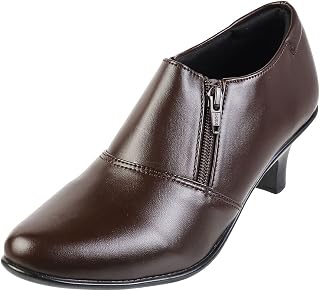


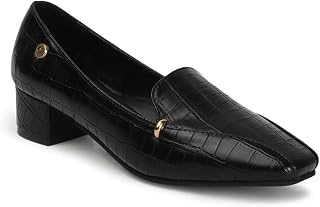


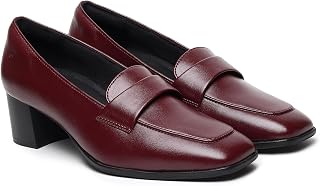


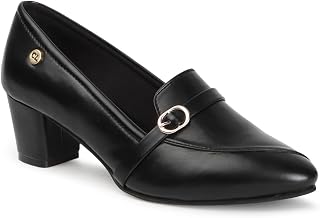


Women’s formal footwear in 2026 is moving toward a balance of polished styling, practical comfort and versatile design. The right pair should complement professional clothing while remaining suitable for long workdays, meetings, presentations, interviews, office events and formal social occasions. Instead of choosing a shoe only because it looks sophisticated, shoppers in India should consider fit, construction, material, heel design, climate, workplace dress codes and the amount of walking involved.
This guide focuses on the features that matter when comparing women’s formal shoes in the Indian market. Popular categories include pumps, block heels, loafers, pointed-toe shoes, ballet-inspired flats, slingbacks, low heels and understated formal sandals. Brands such as Clarks, Bata, Hush Puppies, Metro, Mochi, Allen Solly, Carlton London and Inc.5 may appear among the brands shoppers compare, but the best choice depends on the specific shoe, fit and intended use rather than the brand name alone.
A contemporary formal shoe does not necessarily mean a high heel or an extremely traditional design. Modern office footwear increasingly combines clean silhouettes with wearable construction. A useful formal shoe should look refined without creating unnecessary discomfort during a normal working day.
For professional use, pay attention to the relationship between appearance and function. A sleek pointed-toe pump may look excellent with tailored trousers, while a structured loafer can be more practical for commuting and extended standing. A modest block heel can provide a dressier appearance than a flat without creating the same stability concerns associated with a narrow high heel.
Low-heel pumps remain one of the most adaptable choices for a formal wardrobe. Their closed-toe profile works naturally with trousers, pencil skirts, formal dresses and tailored suits. A low or moderate heel can also provide a more elevated appearance without requiring the wearer to manage the balance of a very high heel.
When comparing pumps, examine the shape of the toe box and the position of the heel rather than focusing exclusively on the listed heel height. Two shoes with similar heel measurements can feel very different because of differences in cushioning, pitch, sole flexibility and internal volume.
Block heels are particularly useful when stability is a priority. Their broader heel distributes pressure over a larger area than a narrow stiletto-style heel, making them a practical option for office environments where the wearer regularly moves between desks, meeting rooms and other locations.
Block heels are available in conservative heights as well as more fashion-oriented profiles. For everyday office use, a moderate block heel is often easier to incorporate into a professional wardrobe than an exaggerated heel.
Loafers offer a useful alternative to traditional pumps. A structured leather or leather-look loafer can work with tailored trousers, ankle-length pants, straight-leg trousers and selected formal dresses. They are particularly appealing to shoppers who prioritise walking comfort and easy wear.
Look for a firm heel counter, a well-shaped upper and a sole that bends naturally without feeling excessively flimsy. Decorative hardware should remain proportional to the shoe if the primary purpose is conservative office wear.
Pointed-toe flats can create the visual effect of a more formal shoe while avoiding a raised heel. They are suitable for shoppers who prefer flat footwear but still want a refined silhouette for professional clothing.
The principal consideration is toe-room. A pointed exterior does not automatically mean that the interior must be extremely narrow, but shoppers should check the actual shape and dimensions whenever specifications are available. A shoe that forces the toes together can become uncomfortable during prolonged use.
Slingbacks combine an open heel area with a more structured front. They can provide a polished appearance for office events, presentations and semi-formal occasions. The rear strap is particularly important because it contributes to security and determines how easily the shoe moves with the foot.
Compare the adjustability of the strap, the position of the buckle or fastening and the firmness of the front portion. A slingback that looks elegant but allows the heel to slide excessively may be less practical for long periods of walking.
Minimal ballet-inspired flats can be useful for offices with a relatively relaxed formal dress code. Neutral colours and structured uppers generally create a more professional appearance than highly embellished designs.
Because flats do not provide the same heel elevation as pumps, construction becomes especially important. A supportive footbed, stable sole and suitable upper can make a significant difference to everyday usability.
Kitten heels occupy the middle ground between completely flat footwear and conventional office heels. They can add subtle elevation while remaining relatively understated. Their low profile makes them suitable for formal outfits where a refined appearance is preferred without a pronounced heel.
When comparing kitten heels, inspect the heel placement and overall balance. A small heel does not automatically guarantee comfort, so fit and construction should remain the deciding factors.
Minimal sandals can be appropriate for selected workplaces and formal occasions, particularly in warmer Indian weather. However, their suitability depends heavily on the dress code. A simple, structured sandal may work for a business-casual environment, whereas a conservative corporate setting may favour closed-toe footwear.
For sandals, inspect strap placement carefully. Straps should hold the foot securely without creating excessive pressure. A stable sole is also important because the shoe provides less coverage than a closed pump or loafer.
Ankle-strap shoes can provide additional security compared with some slip-on styles. They are particularly useful when the wearer wants a dressier silhouette but does not want the shoe to rely entirely on friction around the heel.
The strap should sit securely without cutting into the ankle. Adjustable fastening is generally more versatile because foot volume can vary throughout the day.
Neutral formal shoes remain a strong wardrobe investment because they can work across multiple outfits. Black, tan, beige, brown and other restrained shades can complement different combinations of trousers, skirts, dresses and suits.
Colour should be considered alongside material and finish. A highly glossy finish can create a different impression from matte leather or a subtle textured upper. Choose according to the formality of the workplace and the clothing already in the wardrobe.
Lower heels are increasingly relevant to practical professional wardrobes because they offer some visual elevation without making every step dependent on a narrow heel. They can work especially well for commuters and professionals who spend substantial portions of the day standing or walking.
Loafers continue to bridge the gap between traditional formal footwear and modern workwear. A streamlined loafer can look professional without being overly conservative, particularly when paired with tailored trousers and a structured shirt or blazer.
Minimal detailing makes formal footwear easier to coordinate. Small buckles, restrained hardware, subtle textures and clean lines can provide visual interest without making the shoe unsuitable for conservative environments.
Neutral colours remain practical because one pair can often be used with several work outfits. Black is a conventional choice for formal wardrobes, while tan, beige and brown can introduce more versatility depending on clothing colours.
Comfort is increasingly important when selecting formal shoes for full working days. This does not mean choosing the softest-looking shoe automatically. A comfortable formal shoe needs a combination of appropriate width, secure fit, cushioning, sole stability and suitable heel geometry.
Heel height should be selected according to use rather than fashion alone. Someone who primarily travels by car and wears formal footwear for short meetings may have different requirements from someone who walks to work, uses public transport or spends several hours standing.
Do not judge a shoe solely by heel measurement. Heel shape, sole construction, forefoot flexibility and the difference between the heel and front of the shoe can all affect how the footwear feels.
Sizing is one of the most important factors in online footwear shopping. Shoe sizes can vary between brands and even between different styles from the same brand. A shopper should therefore avoid assuming that a familiar size will always produce an identical fit.
Round toes generally provide a softer visual appearance and can offer more perceived space around the forefoot. They are useful when comfort is a higher priority than creating an elongated silhouette.
Almond toes offer a compromise between round and pointed shapes. They can appear refined while maintaining a less severe profile than sharply pointed footwear.
Pointed toes create a distinctly formal and elongated appearance. They can look particularly effective with tailored clothing, but shoppers should pay close attention to the internal toe-box shape and width.
Leather is widely used in formal footwear because it can provide a refined appearance and, depending on construction and care, develop a different character over time. Quality can vary substantially, so the word leather alone should not be treated as a complete measure of shoe quality.
Synthetic materials can offer a broad range of finishes and may make formal footwear accessible across different budgets. Their performance varies by material composition and construction. Examine the upper, lining, sole and overall finishing rather than judging quality solely from appearance.
Textile formal shoes can be lightweight and visually distinctive, although their suitability depends on the weave, structure, finishing and care requirements. They may require more attention in dusty or rainy conditions.
Suede-style textures can create a sophisticated appearance but generally require more careful maintenance than smooth surfaces. They may be less convenient for regular exposure to rain, mud and moisture.
The sole is often overlooked because shoppers naturally focus on the upper and overall appearance. However, the sole affects traction, flexibility, stability and durability.
For everyday use in India, sole grip deserves particular attention because footwear may encounter polished floors, pavement, stairs, parking areas and wet surfaces during monsoon weather.
India's varied climate means that the most practical formal shoe can differ significantly between regions and seasons. Heat, humidity, dust and monsoon rain can all influence material and construction choices.
For hot and humid conditions, breathable or less heavily enclosed designs may feel more comfortable, subject to workplace requirements. During monsoon periods, shoppers should consider how easily a material handles moisture and how quickly the footwear can be dried safely.
Commuters should also distinguish between office shoes and travel shoes. A delicate formal pump may look appropriate inside an office but be less convenient for a long walk to public transport. Some professionals therefore keep a practical commuting shoe and change into formal footwear at work.
The upper is the visible part of the shoe, but its construction also affects comfort. Look for clean finishing around seams, a consistent shape and materials that do not appear excessively stiff for the intended use.
Cushioning can improve the feel of formal shoes, but more cushioning is not automatically better. Excessively soft footwear may feel comfortable initially while providing insufficient stability for some users.
Look for a sensible balance between cushioning and support. The footbed should provide a stable platform, while the forefoot should not feel excessively compressed. For shoppers with specific foot requirements, general product descriptions should not replace professional footwear or medical advice.
Comparing products systematically can prevent shoppers from selecting a shoe based only on photographs. Create a short comparison based on the features most relevant to your routine.
Choose understated closed-toe pumps, low heels, structured loafers or classic flats. Black, dark brown and restrained neutral shades generally provide a conventional appearance. Avoid excessive embellishment when the workplace expects conservative business attire.
Business-casual environments allow more flexibility. Loafers, polished flats, moderate block heels and selected slingbacks can work well depending on the employer's expectations.
For customer-facing or meeting-heavy roles, versatility is particularly useful. A clean, well-maintained pair that coordinates with several professional outfits can be more valuable than a highly distinctive design that works only with one look.
For presentations, ceremonies and formal business events, shoppers may prioritise visual refinement. Pumps, kitten heels, moderate heels and sophisticated slingbacks can provide a more elevated appearance while retaining a professional character.
A beautiful shoe that pinches the toes or allows the heel to slip can quickly become impractical. Fit should remain a primary purchasing criterion.
Size labels are not universal indicators of identical fit. Always consult current sizing information and consider product-specific feedback where available.
Maximum heel height is rarely the same as maximum usefulness. A slightly lower heel that remains comfortable for several hours may be a better everyday purchase.
Length alone does not determine fit. A shoe can be technically long enough while remaining too narrow across the forefoot.
A formal shoe with an attractive upper can still be inconvenient if the outsole is excessively smooth or unstable. Examine traction and construction before buying.
Highly unusual colours or decorative designs may be attractive but can limit outfit combinations. If the goal is one versatile pair, neutral styling is usually easier to coordinate.
Some materials require significantly more care than others. Consider your willingness to clean, protect and store the footwear before choosing a delicate finish.
Customer reviews can provide useful information, but they should be interpreted rather than counted mechanically. A high rating does not guarantee that a shoe will fit your feet or meet your workplace requirements.
Product photography can hide or exaggerate certain characteristics. Examine multiple angles when available. A side view can reveal heel geometry, while a top view can provide clues about toe shape and width.
Specifications should be treated as another part of the evaluation process. Check material descriptions, heel height, closure type, sole material, available sizes and care instructions. If an important specification is missing, avoid assuming a particular feature is present.
Black is an obvious option for a conservative professional wardrobe. It pairs naturally with many formal trousers, suits, skirts and dresses and can be particularly useful when workplace expectations favour traditional business styling.
Neutral alternatives can expand outfit combinations, especially when the wardrobe contains lighter colours, warm tones or smart-casual clothing. A tan or beige shoe can also create a softer appearance than black.
Daily office shoes should be evaluated differently from occasional event footwear. Durability, comfort, easy maintenance and versatility become more important when a pair is likely to be worn repeatedly.
For regular use, consider alternating between two pairs where practical. Allowing footwear to rest between wears can make maintenance easier and gives the materials time to air out. Keep shoes clean and store them in a dry, ventilated environment away from excessive heat.
Interview footwear should complement rather than distract from professional clothing. Classic pumps, low heels, conservative flats and polished loafers are generally easier to integrate into formal interview outfits than highly embellished or fashion-forward designs.
Comfort also matters because interviews can involve waiting, walking between rooms or travelling before the appointment. Choose a pair that has already been checked for fit rather than relying on an untested style for an important occasion.
If you regularly work eight or more hours while wearing formal shoes, prioritise fit and stability. A moderate heel, structured flat or supportive loafer may be more practical than a high heel.
Commuting changes the buying criteria. If the journey involves significant walking, stairs or public transport, a shoe that is comfortable on office floors may not be equally practical outdoors.
Some shoppers may prefer to commute in comfortable footwear and change into formal shoes at their destination. Others may prefer one pair that handles both activities. If choosing the latter, stability, sole grip and durability deserve additional attention.
Use care methods appropriate for the specific material. Smooth leather, synthetic materials, suede-style finishes and textiles should not automatically be cleaned in the same way.
After exposure to moisture, allow footwear to dry naturally in a ventilated area. Avoid excessive direct heat because high temperatures can affect adhesives, finishes and some materials.
Routine cleaning prevents dust and surface grime from accumulating. A gentle approach is preferable to aggressive scrubbing that may damage the finish.
Store formal footwear in a dry location where it will not be crushed under heavy objects. Maintaining the shoe's shape can help preserve its appearance between wears.
Alternating shoes can be a practical way to reduce continuous wear on a single pair. Rotation also gives each pair an opportunity to air out between uses.
There is no universally correct price for a women's formal shoe. The appropriate budget depends on how frequently the shoe will be worn, the construction and material, the required level of comfort and the buyer's wardrobe needs.
Instead of selecting solely by price, compare the features that affect actual use. A moderately priced shoe that fits well and works with many outfits may provide better practical value than an expensive style that is uncomfortable or difficult to coordinate.
Before purchasing, compare the current selling price across trusted retailers and check the exact model, size, material and colour. Prices, promotions and availability can change, so historical prices should not be treated as current purchasing information.
Focus on fit, construction, versatility and easy maintenance. A simple black flat, loafer or low-heel pump can cover many professional situations without requiring a large collection.
At a higher budget, compare material quality, cushioning, finishing, sole construction and overall versatility. Look for a pair that can transition between ordinary office days and more formal meetings.
Higher spending makes it especially important to evaluate construction rather than assuming that price guarantees quality. Examine the materials, finishing, design, fit and intended lifespan, and compare those characteristics with your actual usage.
If you need only one formal pair, choose maximum versatility. A conservative colour, moderate silhouette and comfortable construction will generally cover more situations than an occasion-specific design.
A two- or three-pair rotation can be more flexible. For example, one shopper might combine a black pump, a neutral loafer and a low-heel shoe. This provides options for different outfits, commuting requirements and levels of formality.
There is no single best style for every woman. Low-heel pumps, structured loafers, pointed flats and moderate block heels are among the most versatile categories, but the right choice depends on workplace dress code, foot shape, walking requirements, climate and personal preference.
Block heels can be a practical office option because their broader heel can provide a stable base. Choose the height and shape according to how much walking and standing your working day involves.
Structured loafers can be appropriate for many professional environments. Their suitability depends on the design and the workplace dress code. A clean, minimal loafer is generally easier to style formally than a heavily decorated casual version.
Comfort depends on the individual shoe's internal shape, width, materials and fit. Pointed-toe shoes can be comfortable for some wearers, but shoppers should pay particular attention to toe room.
Black is a conventional versatile choice, while beige, tan and brown can work well with lighter or warmer wardrobes. The most versatile colour is ultimately the one that complements the clothing you wear most often.
Yes. Structured flats, pointed flats and polished loafers can be suitable for many offices. The appropriate level of formality depends on the design and the employer's dress expectations.
A low or moderate heel may be easier to manage for long periods than a high heel, but individual comfort varies. Fit, stability and walking requirements should be considered alongside heel height.
Start with your intended use and preferred style, then compare the size chart, width, material, heel height, sole construction, customer feedback and current retailer policies. Avoid relying on photographs or star ratings alone.
Fit, comfort, stability, suitable heel height, appropriate material, sole traction, construction quality and versatility are among the most important considerations for most buyers.
Replacement depends on frequency of use, construction, maintenance and visible wear. Signs such as damaged soles, deteriorated uppers, unstable heels or persistent loss of structural support can indicate that a pair has reached the end of its useful life.
Before purchasing women’s formal shoes in India, narrow your shortlist by intended use first. Decide whether you need a daily office shoe, interview footwear, a meeting-ready pump, a comfortable flat, a versatile loafer or an occasional formal heel. Then compare fit, materials, heel design, sole construction and maintenance requirements.
For a first or single-pair purchase, versatility should usually carry significant weight. A clean neutral design that works with trousers, skirts and dresses can serve more situations than an elaborate occasion shoe. For frequent office use, comfort and fit deserve at least as much attention as appearance.
Finally, verify the current product specifications, customer feedback, size availability, price and retailer policies before ordering. Product information can change throughout 2026, so the final purchasing decision should always be based on the current listing rather than an older description.