

♥ Wishlist
Compare 61 verified Men Formal Shoes for Office, Business & Special Occasions products in India. Reviews, ratings, pros, cons and buying advice updated for October 2026.


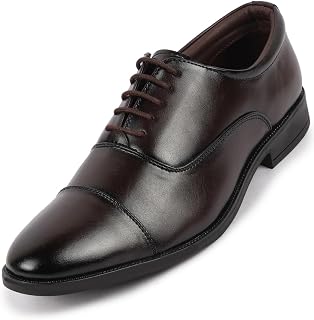


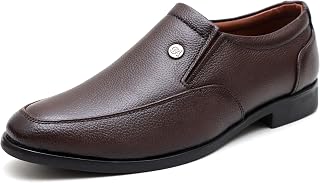


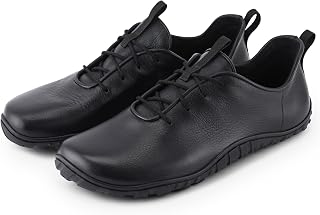


Men’s formal footwear in 2026 is moving beyond a simple choice between black and brown office shoes. The strongest styles balance traditional tailoring with cleaner silhouettes, versatile colours, improved comfort, and construction details that work across office wear, business events, weddings, interviews, and formal occasions. For Indian buyers, the right pair also needs to make sense for local weather, commuting conditions, wardrobe habits, and the realities of long working days.
This buying guide focuses on the factors that matter when comparing men’s formal shoes in India: shoe type, leather or alternative materials, construction, sole design, fit, cushioning, toe shape, colour, maintenance requirements, versatility, and overall value. Popular brands such as Bata, Hush Puppies, Red Tape, Clarks, Woodland, Louis Philippe, Mochi, Metro, Lee Cooper, and Allen Solly are examples of names shoppers may encounter when comparing formal footwear, although the best choice depends on the specifications and fit of the individual pair rather than the brand name alone.
The most useful way to understand current formal footwear is to look at the styles that cover different occasions rather than treating every formal shoe as interchangeable. A sleek Oxford may be ideal for interviews and conservative business dressing, while a Derby can provide more flexibility for everyday office wear. Loafers can be practical when you want a dressier appearance without laces, and monk straps can add personality to traditional tailoring.
Oxford shoes remain one of the safest choices when a polished and conventional appearance is the priority. Their defining feature is the closed-lacing construction, where the eyelet facings are integrated into the upper. This gives the shoe a relatively clean appearance and works particularly well with formal trousers, business suits, and conservative professional clothing.
A plain-toe Oxford creates a particularly streamlined appearance, while a cap-toe Oxford adds a horizontal seam near the toe and can provide a more traditional business aesthetic. Brogue detailing can make an Oxford more decorative, but extensive perforation generally makes the shoe less conservative than a plain or lightly detailed design.
Derby shoes use an open-lacing construction, which generally gives the wearer more adjustability around the instep than a comparable Oxford. This makes Derby shoes particularly useful for buyers who find traditional Oxfords too restrictive or who want a formal shoe that can transition between office and less formal settings.
A sleek black Derby can still look highly formal, while brown or tan versions can work with chinos, tailored trousers, and business-casual outfits. The overall formality depends not only on the lacing system but also on the toe shape, material, sole thickness, colour, and decorative details.
Loafers have become an important part of modern men’s formal and semi-formal wardrobes because they eliminate the need for laces while retaining a polished appearance. However, not every loafer qualifies as a formal shoe. Very casual shapes, thick athletic soles, excessive ornamentation, or heavily relaxed materials can reduce their suitability for formal clothing.
For a more formal look, choose a streamlined loafer with a relatively low-profile sole, controlled detailing, and a refined upper. Penny loafers are particularly versatile, while restrained bit or horsebit-inspired designs can provide a more distinctive appearance.
Monk strap shoes replace traditional laces with one or more straps and buckles. They can look especially effective with tailored trousers and suits when the rest of the outfit is relatively understated.
A single monk strap generally offers a cleaner appearance, while double monk designs create a stronger fashion statement. Because the buckle becomes a visible feature, colour and hardware finish should be considered alongside belts, watches, and other accessories.
Monk straps are best viewed as a style-focused addition to a formal wardrobe rather than an automatic replacement for a traditional black Oxford. If you are buying your first pair of formal shoes, a classic lace-up design may provide broader coverage before adding a monk strap.
Brogue shoes feature decorative perforations and punched patterns. Wingtip shoes typically use a toe-cap pattern extending toward the sides of the shoe. These details can make formal footwear more visually interesting, but they also influence versatility.
A lightly detailed brogue can work well with business-casual clothing, tailored trousers, and smart weekend outfits. Heavily decorated footwear is more style-specific and may not be the best choice for conservative corporate environments.
Colour should be selected according to the rest of your wardrobe rather than based solely on which shade looks attractive in product photography.
Black is usually the safest choice when maximum formality and versatility for conservative occasions are important. Black Oxfords work naturally with black, charcoal, and many dark formal suits. They can also be appropriate for interviews and traditional corporate settings.
Dark brown provides more visual warmth while remaining relatively formal. It can pair effectively with navy, grey, brown, beige, and other tailored separates. For many wardrobes, dark brown offers a useful second option after black.
Tan shoes tend to look less conservative and are often better suited to smart-casual outfits, lighter trousers, summer clothing, daytime events, and relaxed tailoring. They should not automatically be treated as interchangeable with black or dark brown formal footwear.
Material affects appearance, maintenance, flexibility, breathability, durability expectations, and price. A buyer should examine the complete specification instead of assuming that every shoe described as a leather formal shoe has identical characteristics.
Higher-quality natural leather can develop character over time when maintained properly. It can also be shaped and finished in ways that produce a refined formal appearance. However, leather quality varies considerably, so the word “leather” alone does not provide enough information to judge a shoe.
Heavily finished leather can provide a uniform appearance and may be easier to clean, but surface treatment can influence how the material ages. Buyers should look for clear material specifications rather than relying on marketing language alone.
Synthetic materials can offer an accessible price point and easy cleaning, and some contemporary versions have convincing finishes. They can be practical for occasional formal use. However, breathability, flexibility, surface ageing, and long-term wear characteristics vary by material and construction.
Suede can look sophisticated but is generally more sensitive to moisture, staining, and rough handling than smooth finished leather. It is better suited to wardrobes where maintenance is manageable and where the shoe will not routinely encounter wet conditions.
There is no universal winner for every buyer. The better material depends on intended use, maintenance preferences, budget, climate, and expected frequency of wear.
Construction refers to how the upper, insole, midsole, outsole, and other components are assembled. It can influence flexibility, repairability, weight, durability, and the way a shoe feels underfoot.
In cemented shoes, the upper and sole are primarily bonded using adhesive. This construction is common because it can produce relatively lightweight and affordable footwear. It can also allow flexible designs.
Stitching can contribute to a more structured appearance and, depending on the construction method, may affect durability and repair possibilities. The presence of visible stitching alone does not guarantee a particular level of quality, so shoppers should examine the complete construction description.
Welted footwear is associated with traditional shoemaking and can offer advantages in structure and potential resoling, depending on the specific construction. It is generally more relevant to buyers seeking long-term traditional footwear rather than the lowest initial cost.
Formal shoes should fit securely without creating painful pressure. A polished appearance is not useful if the shoe causes discomfort after an hour of walking or standing.
A common mistake is choosing formal footwear entirely by numerical size. Two shoes with the same labelled size can feel very different because of their last shape, width, toe box, heel counter, upper material, and internal cushioning.
The toe box should allow the toes to sit naturally rather than being compressed together. At the same time, excessive space can cause the foot to move inside the shoe and create friction. The heel should remain reasonably stable without severe rubbing.
For men with wider feet, a Derby can sometimes provide more useful adjustment than a tightly structured Oxford. However, the actual dimensions differ by model, so the individual shoe’s fit remains more important than the category label.
Indian conditions make practical considerations especially important. Heat, humidity, monsoon rain, dust, frequent commuting, and long periods of standing can influence which formal shoe is most comfortable and manageable.
Look for breathable linings, manageable upper materials, moisture-conscious socks, and an internal design that does not create unnecessary pressure. Wearing the same pair every day can also prevent the footwear from drying adequately between uses.
Traditional leather and suede should not be treated as waterproof simply because they are marketed as durable materials. If rain exposure is unavoidable, consider footwear with practical water resistance and soles designed for secure traction. If a leather shoe becomes wet, allow it to dry naturally rather than placing it directly against intense heat.
If your routine involves walking, public transport, stairs, or long periods on your feet, sole grip and cushioning deserve more attention than they might for someone who drives directly to a desk.
The outsole influences traction, flexibility, weight, noise, durability, and appearance. A formal shoe does not necessarily need an extremely thin leather sole, particularly when everyday Indian commuting is involved.
Leather soles offer a traditional appearance and can work particularly well with classic tailoring. They may be less forgiving on wet or slippery surfaces, so the intended environment should be considered.
Rubber soles generally provide practical traction and can be useful for daily commuting. Modern rubber outsoles can also be relatively discreet while retaining a dress-shoe appearance.
Thermoplastic rubber and other synthetic compounds are common in contemporary footwear. Their exact performance varies by formulation and design, so the sole material should be evaluated together with tread pattern, flexibility, and construction.
Grip becomes especially important if you regularly walk across polished floors, tiled surfaces, uneven pavements, parking areas, or wet streets. A completely smooth outsole may look elegant but can be less practical in conditions where traction matters.
Look at the tread pattern rather than judging grip solely from the material name. A moderately textured outsole can provide a useful balance between traction and formal appearance.
Toe shape has a major effect on both appearance and comfort. Extremely pointed formal shoes can create a sleek visual line, but the front of the shoe should still accommodate the actual shape of your foot.
Choose conservative styling. A clean black Oxford or understated Derby is usually easier to coordinate with conventional interview clothing than a highly decorated or unusually shaped shoe.
Prioritise comfort, durability, and versatility. If you spend long hours standing or commuting, a practical outsole and comfortable footbed may matter more than a particularly thin sole.
Weddings provide more room for personal style. Depending on the outfit, dark brown Oxfords, polished loafers, monk straps, or refined formal shoes can complement suits, bandhgalas, tailored trousers, and other occasionwear.
Keep the silhouette refined and the colour coordinated with the suit. Black remains a conservative option, while dark brown can work effectively with navy and selected grey tailoring.
Versatility should be the priority. A clean black lace-up and a dark brown or similarly versatile second pair can cover a wide range of early-career occasions.
Colour coordination does not require every leather accessory to be an exact shade. A belt in a compatible colour family generally creates a more cohesive appearance than deliberately mixing strongly contrasting leather tones.
A slim, elongated shoe tends to create a sharper silhouette, while a broader or more rounded shoe can look more traditional and substantial. The ideal shape should also correspond to the cut of your trousers.
Very wide trousers can make extremely narrow shoes appear visually small, while very slim trousers can make oversized shoes look heavy. Aim for proportion rather than following one universal rule.
Product photography can hide important details such as sole thickness, toe-box proportions, interior construction, and actual material texture. Read the specifications and inspect multiple product images whenever available.
Sizing varies across brands and models. A familiar numerical size does not guarantee an identical fit.
Length can appear correct while the shoe remains too narrow. Persistent pressure along the sides of the forefoot is a warning sign that the shape may not suit your foot.
Fashion-forward shapes can be attractive but may not provide enough room for extended wear. Consider your daily schedule before prioritising appearance.
Price alone cannot establish leather quality, construction quality, comfort, or durability. Compare the specifications and design features that actually matter to your use case.
A beautiful upper cannot compensate for inadequate grip or a sole that does not suit your walking environment.
Frequent rotation can be beneficial because it gives footwear more opportunity to air and dry between wears. A small rotation of suitable shoes can also extend wardrobe versatility.
A structured comparison is more useful than relying on a single rating or review count. Create a shortlist and evaluate each pair against the same criteria.
When browsing formal shoes online, product specifications can reveal details that photographs cannot. Pay attention to the following fields:
Customer reviews can be useful, but a high overall rating should not be treated as proof that a particular shoe will fit you. Review patterns are more informative than isolated comments.
Look specifically for repeated feedback about sizing, width, comfort after extended wear, sole grip, material quality, colour accuracy, finishing, and consistency between the product description and the delivered item. Reviews that discuss actual usage conditions can be more useful than comments that only say the shoe “looks good.”
You do not need a large collection to cover most formal occasions. A carefully selected rotation can be more useful than owning many similar pairs.
If you need only one pair, a clean and conservative black formal shoe generally offers broad coverage for formal office environments, interviews, meetings, and ceremonies.
Add a dark brown pair when you want greater flexibility with navy, grey, beige, and brown clothing.
Add a loafer, monk strap, or another distinctive style according to your wardrobe. This third pair can be selected around your personal style rather than basic necessity.
For a long commuting day, traditional dress-shoe aesthetics should be balanced against practical comfort. Consider a moderately cushioned insole, supportive heel structure, reliable outsole traction, and a flexible forefoot.
It can also be useful to maintain two or more pairs rather than wearing the same shoes continuously. Alternating footwear allows each pair additional time between wears and reduces dependence on one shoe for every working day.
Business travellers should consider weight, versatility, crease resistance, maintenance, and packing convenience. A relatively lightweight formal shoe can be easier to carry, while a dark colour may make everyday marks less noticeable.
If the shoe will be worn while walking through airports, hotels, offices, and restaurants, traction and comfort become more important than they would be for an occasional ceremonial shoe.
Synthetic footwear often requires less intensive conditioning than natural leather, but it still benefits from sensible cleaning. Wipe away dust and surface dirt with a suitable cloth and follow the care instructions associated with the material.
Avoid applying leather-specific products indiscriminately to synthetic surfaces. Different finishes can react differently to cleaning chemicals, oils, or polishes.
Wet footwear should be allowed to dry gradually in a ventilated area. Direct high heat can damage adhesives, finishes, coatings, and natural leather. Remove excess surface water gently and allow the shoes to dry before returning them to regular use.
If wet conditions are common where you live, consider keeping a more weather-resistant pair for commuting and reserving delicate formal footwear for controlled environments.
There is no universal replacement schedule because lifespan depends on construction, materials, frequency of use, walking conditions, body weight, maintenance, and the quality of the original footwear.
Instead of replacing shoes according to an arbitrary number of months, inspect their condition. Warning signs include persistent sole separation, severe outsole wear, damaged heel structure, deep cracking of the upper, compromised internal padding, loss of shape, and a deterioration that cannot reasonably be corrected through cleaning or maintenance.
Repair can make sense for certain well-constructed shoes, particularly when the upper remains in good condition and the outsole or heel is the main problem. However, repairability varies significantly by construction.
If the upper has extensive cracking, the internal structure has deteriorated, or the sole and upper have suffered multiple forms of damage, replacement may be more practical. Always compare the expected repair cost and outcome with the value of replacing the shoe.
Brand familiarity can make comparison easier, but it should not replace model-level evaluation. Bata and Hush Puppies are widely recognised names in Indian footwear, while Clarks is associated with international footwear and formal-to-smart-casual styles. Indian fashion and footwear brands such as Louis Philippe, Mochi, Metro, Red Tape, and Allen Solly may also appear in formal footwear searches. Woodland and Lee Cooper can be relevant when comparing broader lifestyle footwear ranges.
When comparing these or other brands, evaluate the individual shoe rather than assuming that every model from a brand has the same construction, comfort, or material quality. Different product lines can use substantially different materials, soles, lasts, and design priorities.
When two shortlisted shoes appear nearly identical, use a practical decision hierarchy:
There is no single best type for every man. A black Oxford is a strong choice for maximum traditional formality, while a Derby can provide greater lacing flexibility. Loafers and monk straps are useful when style and convenience are higher priorities.
Black is generally the more conservative choice, especially for interviews and formal business dressing. Brown can provide greater styling flexibility with navy, grey, beige, and other colours. Your existing wardrobe should determine which colour adds more value.
Leather can be worthwhile when you value traditional appearance, maintenance, and long-term wardrobe use. However, leather quality varies, so inspect the actual material specification instead of assuming that every leather shoe offers the same performance.
Oxfords generally provide a cleaner and more traditional formal appearance. Derbies can offer greater adjustability and may suit people who prefer a more flexible fit. For daily office use, comfort and fit should be given priority.
Yes, depending on the design and occasion. A streamlined leather loafer can look appropriately formal with tailored trousers or selected suits. Casual loafers with bulky soles or relaxed styling are better suited to less formal outfits.
Comfort depends on the shoe’s actual toe-box dimensions and your foot shape. A visually pointed shoe can still be comfortable if the internal shape provides sufficient space, but very narrow designs may create pressure for some wearers.
If you need one pair for conventional formal occasions, black is usually the safest starting point. If your wardrobe already contains several navy, grey, brown, or lighter tailored outfits, dark brown can provide excellent additional versatility.
They should feel secure without painful pressure. Your heel should not move excessively, your toes should have appropriate room, and the forefoot should not be compressed. Always consider both length and width.
Rubber soles can be an excellent practical choice, particularly for commuting and wet conditions, because they can provide useful traction. The overall tread design and construction matter as much as the material name.
They can, provided the design is comfortable and suitable for your routine. However, rotating between pairs can help each pair air and recover between uses, particularly in warm or humid conditions.
Keep them clean, allow adequate drying time, use appropriate care products, avoid unnecessary exposure to water and heat, and rotate pairs when possible. Addressing small maintenance issues early can also prevent avoidable deterioration.
No. Price does not independently establish durability. Material quality, construction, fit, outsole design, manufacturing consistency, maintenance, and frequency of use all influence how footwear performs over time.
Check the size chart, upper material, sole material, construction information, available width details, return conditions provided by the retailer, customer feedback patterns, product photographs, and the exact model specifications.
Before choosing a pair of men’s formal shoes, run through this checklist:
The best men’s formal shoe is not necessarily the most expensive, most fashionable, or highest-rated model. It is the pair whose fit, construction, material, comfort, colour, sole, and styling align with the way you actually dress and move through your day.
For a traditional formal wardrobe, begin with a clean black Oxford or Derby. Add dark brown footwear when you want greater outfit flexibility, then consider loafers, monk straps, brogues, or other contemporary styles according to your personal needs. For Indian conditions, do not overlook traction, breathability, maintenance, and comfort during long commutes.
When comparing options in 2026, use customer feedback as one source of information rather than the only decision factor. Read the specifications carefully, compare construction and materials, verify sizing information, consider the intended occasion, and check current retailer information before purchasing. A disciplined comparison makes it easier to find formal footwear that looks polished while remaining practical for everyday life.