

♥ Wishlist
Compare 48 verified Men Flip Flops products in India. Reviews, ratings, pros, cons and buying advice updated for October 2026.


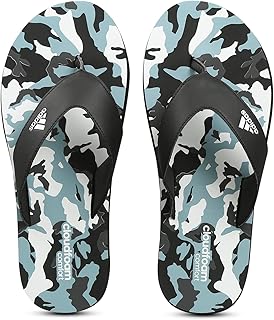

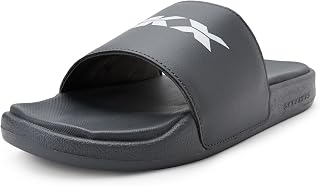


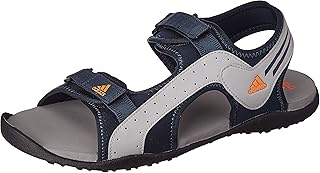


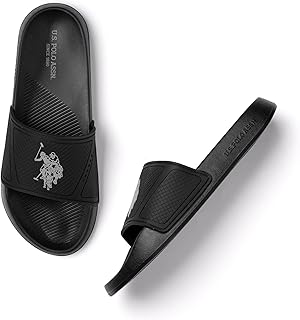


Men’s flip flops have moved beyond being simple casual footwear. In India, they are used for everyday errands, home wear, travel, beach outings, poolside use, hostel and college life, quick walks, and relaxed weekend dressing. The best choice therefore depends on more than appearance. Sole construction, footbed comfort, grip, strap design, flexibility, weight, water resistance, sizing, and intended use can all affect how practical a pair will be.
For 2026, the strongest buying approach is to balance current styling with dependable everyday performance. Minimal designs, neutral colours, textured footbeds, lightweight construction, sporty silhouettes, cushioned soles, and versatile designs remain useful because they can work across several casual situations without looking overly specialized.
This guide is designed for shoppers in India comparing men’s flip flops across different budgets and use cases. Product specifications, customer feedback, sizing information, material details, and current retailer pricing should always be checked again before purchase because these can change over time.
The right pair should match the environment in which you expect to wear it most often. A soft, lightweight pair can be excellent for indoor use and short errands but may not provide the stability required for extended outdoor walking. Conversely, a rugged, heavily textured sole may offer better traction but feel unnecessarily firm for relaxed home use.
Before comparing individual products, identify your primary purpose. This makes it easier to distinguish genuinely useful features from styling details that have little effect on comfort.
Everyday flip flops should be lightweight, comfortable, easy to clean, and sufficiently durable for repeated use. A moderately cushioned footbed and a flexible sole are usually practical for short walks and routine errands.
Neutral shades such as black, brown, navy, grey, and tan are particularly versatile because they coordinate with shorts, jeans, casual trousers, joggers, and traditional relaxed clothing. Simple branding and understated strap designs can also make a pair easier to wear across different outfits.
Home footwear generally prioritizes softness, low weight, flexibility, and ease of cleaning. There is little reason to choose an extremely heavy or rigid design if the pair will mainly be used indoors.
Look for a footbed that does not feel excessively hard and a sole with enough texture to reduce slipping on smooth household surfaces. If the footwear is likely to be exposed to bathrooms or wet areas, water-resistant materials and drainage-friendly construction can be useful.
Travel flip flops should take up relatively little luggage space while remaining comfortable enough for frequent casual use. Quick-drying materials are particularly convenient for destinations involving swimming pools, beaches, showers, or humid weather.
A travel-friendly pair should also be easy to clean. Darker colours can hide everyday marks, while synthetic rubber or EVA-type constructions may be easier to wipe down than materials that absorb moisture.
For wet environments, traction becomes more important than fashion alone. Look for an outsole with a clearly defined tread pattern and materials that tolerate regular exposure to water.
Even when a manufacturer describes footwear as slip-resistant, shoppers should understand that no casual flip flop can guarantee traction on every wet, oily, uneven, or slippery surface. Walking carefully remains important, particularly around swimming pools, changing rooms, wet tiles, and steep surfaces.
If you regularly walk longer distances, consider whether a traditional flip-flop construction provides enough support and stability for your needs. Open footwear can be convenient, but it does not necessarily offer the same foot containment or protection as sandals or closed shoes.
For routine short-distance walking, prioritize a secure strap, stable sole, comfortable footbed, and adequate traction. If your intended use involves extensive walking, uneven terrain, running, hiking, or demanding physical activity, purpose-designed footwear may be a more appropriate option.
The footbed is the surface supporting your foot, so its shape and cushioning can make a noticeable difference during everyday wear. A very soft footbed may feel comfortable initially, while a firmer construction can sometimes provide a more stable sensation.
Do not judge cushioning by thickness alone. Material density, footbed shape, flexibility, and how your heel and forefoot sit on the sole all influence comfort.
Traction is one of the most important functional characteristics of flip flops. Examine the underside of the sole rather than relying solely on product photographs showing the upper portion.
Deeper grooves, multidirectional patterns, and textured rubber compounds can contribute to grip, although actual performance varies according to the material, tread design, surface condition, and wear.
The upper strap holds the foot against the footbed and should feel secure without creating excessive pressure between the toes or across the forefoot.
Inspect the strap attachment points as well. A well-designed attachment should feel stable during normal walking. Loose or poorly finished attachment areas can become uncomfortable and may affect durability.
Flexibility can improve walking comfort, particularly for casual use. However, an extremely flexible sole is not automatically better. Excessive bending can provide less stable support, especially when walking over uneven surfaces.
The ideal level depends on intended use. Soft and flexible construction works well for relaxed use, while a somewhat more structured sole can be preferable for outdoor walking.
Lightweight flip flops are convenient for travel and repeated daily use. EVA and other lightweight synthetic materials are commonly used to reduce overall weight.
Weight should nevertheless be evaluated alongside durability and stability. An exceptionally light pair may not be the best choice if its construction feels too thin or unstable for your intended environment.
Water-friendly flip flops are useful in India's hot and humid conditions as well as around pools, beaches, bathrooms, and monsoon-season environments. Synthetic materials are often easier to rinse and dry than absorbent materials.
Water resistance does not necessarily mean that every component is completely waterproof. Adhesives, decorative elements, fabric sections, and footbed materials can respond differently to prolonged moisture, so follow the manufacturer's care instructions.
Durability depends on material quality, sole thickness, strap attachment, adhesive or molded construction, frequency of use, walking surface, and the wearer's walking pattern.
When comparing products, examine customer feedback for repeated comments about sole wear, strap separation, cracking, loss of cushioning, and changes in grip. A single review is less useful than a consistent pattern across many verified customer experiences.
EVA is widely used for lightweight casual footwear because it can provide cushioning with relatively low weight. It is also practical for many water-related environments and is generally easy to clean.
The feel of EVA varies considerably according to formulation and construction. Two pairs made from EVA can have noticeably different softness, density, flexibility, and durability.
Rubber soles are valued for their grip and durability. Rubber can be particularly useful when traction is an important consideration, although rubber footwear may weigh more than some lightweight foam alternatives.
Polyurethane and other synthetic materials may be used in soles, footbeds, straps, or decorative components. Their performance depends heavily on the specific formulation and construction.
Synthetic materials can make footwear easier to maintain and can allow manufacturers to produce different textures and finishes at varied price points.
Leather and leather-look materials can create a more refined appearance than basic rubber flip flops. They may work particularly well with smart-casual outfits, but shoppers should distinguish genuine leather from synthetic alternatives by checking the listed material composition.
Leather products may also require different care and may not be the best choice for frequent exposure to water.
A flip flop's sole is responsible for cushioning, contact with the ground, traction, and much of its overall durability. Comparing sole construction can therefore be more informative than comparing colours or branding.
Flat soles have a simple profile and are common in casual designs. They can be comfortable for short periods and are easy to style, but they may provide less structured support than designs with a shaped footbed.
A contoured footbed is shaped to provide more defined contact around areas such as the heel and arch. Whether this feels better depends on individual foot shape and preference.
Textured surfaces can help reduce the sensation of the foot sliding across a smooth footbed. They can be useful in warm conditions when perspiration makes completely smooth surfaces feel less secure.
More pronounced tread patterns can be useful for outdoor surfaces and wet conditions. However, tread alone does not guarantee reliable grip. Material compound and surface conditions also matter.
Current men's footwear styling increasingly combines practical construction with understated aesthetics. Instead of choosing a design solely because it looks fashionable in product photography, consider whether the silhouette suits the clothing and situations in which you normally wear flip flops.
Black remains a dependable choice because it works with a wide range of casual clothing. Minimal branding and clean straps can give a pair a more versatile appearance.
Sport-inspired designs often use textured footbeds, molded soles, bold logos, and more substantial construction. They can suit casual outdoor use, travel, and relaxed athletic clothing.
Brown, tan, beige, olive, grey, and muted navy tones are useful for shoppers who prefer a softer alternative to all-black footwear. These shades can work particularly well with summer clothing and casual cotton outfits.
Cushioning remains an important selling point for casual footwear. However, shoppers should compare the complete sole construction rather than assuming that the thickest sole automatically offers the best comfort.
Recognizable brands such as Adidas, Nike, Puma, Crocs, Bata, Woodland, Sparx, Relaxo, and Campus offer different approaches to casual footwear and branding. Brand reputation can help with product consistency, but shoppers should still compare the exact model's materials, sizing, construction, reviews, and intended use.
Flip flop sizing is not always identical between brands. A stated size should therefore be treated as a starting point rather than an absolute guarantee of fit.
A stylish pair can still be uncomfortable or unsuitable for your routine. Look at sole construction, grip, materials, fit, and intended use before deciding.
The upper may look excellent while the outsole provides limited traction. Always inspect the sole when possible.
A lower price does not compensate for an unsuitable fit. Check measurements and current retailer policies before purchasing.
A very soft footbed can feel pleasant but does not automatically provide better stability or long-term comfort.
Traditional flip flops are not designed for every type of exercise or terrain. Running, trekking, long hikes, cycling, and other demanding activities may require footwear with better foot containment and purpose-specific construction.
The toe post and straps should sit comfortably without rubbing or creating pressure points. Small fit problems can become much more noticeable after extended walking.
Even durable footwear can deteriorate faster when regularly exposed to dirt, prolonged moisture, extreme heat, or improper storage.
India's diverse climate means that footwear requirements can vary considerably by region and season. In hot conditions, breathable and lightweight designs can feel more comfortable. During the monsoon, water-friendly construction and outsole traction become more important.
In humid environments, a footbed that does not become excessively slippery when exposed to perspiration can be useful. In dusty urban environments, easy-clean synthetic materials may be preferable to materials that require more careful maintenance.
For beach holidays, prioritize water compatibility and grip. For city errands, focus on comfort, durability, and versatility. For indoor use, lightweight construction and a comfortable footbed may matter more than heavy outdoor traction.
Price should be considered alongside construction rather than used as a direct measure of quality. Affordable flip flops can be perfectly suitable for occasional or light use, while a more expensive model may offer additional cushioning, finishing, brand-specific construction, or durability features.
When comparing a budget pair with a premium pair, examine the exact differences. Ask whether the additional cost provides a better outsole, improved footbed, more durable materials, stronger strap attachment, better finishing, or simply a different visual design.
For shoppers with a strict budget, prioritizing fit, traction, and basic construction is generally more sensible than paying extra for decorative features. For frequent users, investing in a pair that remains comfortable and structurally sound over repeated wear can make more practical sense.
Customer reviews can provide useful information that product specifications may not reveal, but they should be interpreted carefully.
Create a simple comparison based on the features that matter most to your intended use. For example, someone purchasing footwear for home use may give comfort and weight the highest priority, while someone buying a pair for monsoon travel may place greater emphasis on grip, water resistance, and drying speed.
Basic maintenance can help keep casual footwear cleaner and more comfortable. Remove loose dirt regularly instead of allowing grit to accumulate around the tread and strap attachments.
For washable synthetic or rubber-style footwear, follow the manufacturer's cleaning instructions. Avoid assuming that every material can be soaked, scrubbed aggressively, or exposed to cleaning chemicals.
After wearing flip flops in water, allow them to dry properly before storing them. Avoid unnecessarily prolonged exposure to intense heat because some synthetic materials can deform or deteriorate under high temperatures.
Inspect the sole periodically. If the tread has become significantly worn or the strap attachment has started separating, replacement may be safer than continuing to use visibly deteriorated footwear.
There is no universal replacement interval because lifespan depends on construction and usage. Instead, inspect the actual condition of the pair.
Brand selection can make the comparison process easier, particularly when a manufacturer provides consistent sizing information and detailed product specifications. However, the exact model should always be evaluated rather than assuming every product from a particular brand has the same characteristics.
No. A higher price can reflect materials, construction, branding, design, or additional features, but it does not automatically guarantee that the footwear is the best choice for a particular person.
A reasonably priced pair with a suitable fit, comfortable footbed, durable sole, and appropriate grip can be a better purchase than an expensive model that does not match your intended use.
Flip flops and sandals serve overlapping purposes but provide different levels of foot containment. Traditional flip flops typically use a simple toe-post strap, allowing quick on-and-off use. Sandals may use multiple straps or adjustable closures that secure more of the foot.
Choose flip flops when convenience, lightness, ventilation, and casual use are the priorities. Consider sandals when you need greater adjustability, foot retention, or stability for longer outdoor walking.
Slides generally use a broad strap across the upper portion of the foot rather than a toe post. Some people find this more comfortable because there is no material between the toes.
Flip flops can provide a secure feel for people accustomed to toe-post construction, while slides can be faster to put on and remove. Neither design is automatically superior; fit and intended use should determine the choice.
Before purchasing online, review the complete product listing instead of relying only on the product title or main photograph.
The best pair depends on your intended use, budget, foot shape, preferred cushioning, and required level of traction. Instead of choosing purely by brand or popularity, compare fit, sole construction, materials, durability, customer feedback, and current specifications.
Prioritize a comfortable fit, secure strap, suitable footbed, dependable outsole traction, appropriate materials, useful durability, and a design that matches how you intend to wear the footwear.
EVA can be a practical material for everyday casual footwear because it is lightweight and can provide cushioning. The quality and construction of the specific product still matter, so compare sole density, tread, footbed design, and strap construction.
Neither material is universally better. Rubber can offer useful durability and traction, while EVA can provide low weight and cushioning. The best choice depends on the product's complete construction and your intended use.
Look for water-friendly materials, an outsole with suitable traction, a secure strap, and a design that can be cleaned and dried easily. Wet surfaces can be slippery regardless of footwear, so no flip flop should be treated as completely slip-proof.
Some people can comfortably use supportive casual flip flops for moderate walking, but traditional flip flops generally provide less foot containment than walking shoes or secure sandals. For prolonged walking, consider footwear specifically designed for that activity.
They can be, particularly when the exact model offers construction or fit characteristics that match your requirements. Branding alone should not determine the purchase. Compare the specifications, materials, reviews, sizing, and price of the specific model.
Your foot should sit comfortably within the usable footbed without excessive toe or heel overhang. The strap should hold the foot naturally without uncomfortable pressure or rubbing. Always check the brand's current size guide where available.
Follow the manufacturer's care instructions for the particular material. Many synthetic casual designs can be cleaned relatively easily, but leather, fabric, glued components, and decorative materials may require more careful treatment.
Black, brown, navy, grey, and other neutral shades are generally versatile. The best colour depends on your wardrobe and whether you want the footwear to blend into an outfit or act as a visible accent.
Not necessarily. Comfort depends on fit, footbed shape, cushioning, flexibility, strap placement, and individual preference. Compare those characteristics directly instead of using price as a shortcut.
Replace them when the sole, tread, strap, toe post, or cushioning has deteriorated enough to affect comfort, traction, stability, or structural integrity. Frequency of replacement varies according to usage and construction.
Before placing an order for men’s flip flops in India, use this checklist to make the comparison more objective:
The best men’s flip flops for 2026 are not defined by one universal feature or price point. The right choice is the pair that matches your daily routine, climate, walking habits, foot shape, styling preferences, and budget.
For everyday use, concentrate on fit, cushioning, durability, and traction. For travel and holidays, add low weight, water-friendly materials, and easy maintenance to the checklist. For fashion-focused purchases, compare the silhouette and colour with your existing wardrobe without compromising basic comfort.
Before buying, compare the latest specifications, available sizes, verified customer feedback, retailer policies, and current prices. Product availability and pricing can change, so the information shown on the retailer's current product page should take priority over older listings or general buying advice.