

♥ Wishlist
Compare 63 verified Men Walking Shoes products in India. Reviews, ratings, pros, cons and buying advice updated for October 2026.


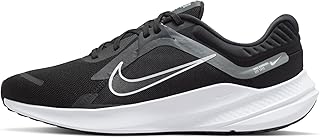


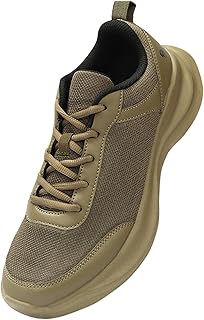


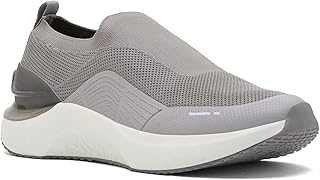


Men’s walking shoes have become more specialized in 2026, with buyers increasingly looking beyond appearance and basic cushioning. The right pair should match the way you walk, the surfaces you use, the climate you live in, and the amount of time you spend on your feet. For Indian shoppers, factors such as hot weather, monsoon conditions, concrete pavements, tiled floors, commuting, travel and long periods of standing can make a noticeable difference to everyday comfort.
This guide is designed for shoppers comparing men’s walking shoes in India rather than simply looking for the most popular-looking pair. When comparing options from brands such as ASICS, Skechers, New Balance, Adidas, Nike, Puma, Reebok, Bata, Campus and other established footwear manufacturers, consider the complete combination of cushioning, fit, stability, upper construction, outsole grip, weight, breathability and intended use.
The latest walking shoe designs are increasingly focused on everyday versatility. Instead of making one shoe for a single situation, manufacturers commonly combine lightweight construction, responsive cushioning, breathable uppers and durable rubber or rubber-like outsoles to create footwear suitable for commuting, casual walking, travel and daily routines.
The best walking shoe is not necessarily the softest, lightest or most expensive model. It is the shoe whose construction matches your individual use. Start by identifying where and how you normally walk, then compare the specifications that matter for that activity.
A person walking 20 to 30 minutes around a neighbourhood may need a different shoe from someone who spends several hours walking during work or travelling. Likewise, a shoe designed primarily for indoor use may not be the best choice for wet outdoor pavements.
Fit should be assessed before judging cushioning or aesthetics. A technically advanced shoe can still be uncomfortable if the toe box is too narrow, the heel slips or the overall volume does not match your foot.
There should generally be enough room for your toes to move naturally without allowing the foot to slide excessively inside the shoe. The heel should feel secure without being painfully compressed. Because foot shape differs considerably between individuals, do not assume that the same size or shape will work equally well across different brands.
When buying online in India, check the individual product's size chart rather than relying exclusively on your usual numerical size. Brand sizing can vary, and the same nominal size can feel different because of changes in last shape, upper materials and toe-box proportions.
Cushioning is one of the most visible features in modern walking shoes, but maximum softness is not automatically better. Excessively soft footwear can feel unstable for some walkers, while a very firm shoe may feel uncomfortable during extended use.
Look for a cushioning setup that provides adequate impact comfort while maintaining a stable base. The appropriate balance depends on body weight, walking surface, walking duration and personal preference.
The midsole sits between the upper and outsole and plays a major role in the shoe's cushioning and ride characteristics. Different foam formulations can produce different combinations of softness, resilience, weight and durability.
Do not judge the midsole solely by its thickness. Geometry, foam density, platform width and overall shoe construction can affect how the cushioning feels in actual use.
Mesh remains particularly relevant for Indian consumers because temperatures can be high for substantial parts of the year. A breathable upper can allow more air movement around the foot than a heavily enclosed construction.
Mesh is especially useful for commuting, casual walking and warm-weather use. However, breathability should be considered alongside durability and protection. Very open mesh may not be ideal for dusty environments or situations where the shoe needs greater resistance to abrasion.
Textile and knit constructions can provide a flexible, sock-like feel. They may conform comfortably around the foot, although shoppers should check how securely the heel and midfoot are held.
A flexible upper should not be confused with a loose upper. For walking, the foot should remain appropriately secure while still having enough freedom for natural movement.
Synthetic materials can offer a more structured appearance and may be easier to clean than highly porous textile designs. They can also suit shoppers who want a walking shoe that transitions into casual everyday outfits.
The trade-off can be reduced airflow compared with a highly ventilated mesh design, so climate and intended use should influence the decision.
Outsole design deserves more attention than it usually receives. Walking shoes may be used on concrete, asphalt, tiles, polished indoor floors, packed paths and other surfaces with very different traction characteristics.
Urban walking usually involves hard surfaces such as concrete and asphalt. A durable outsole with a sensible tread pattern can be more useful than an aggressively lugged sole designed for off-road terrain.
Office buildings, shopping centres and other indoor environments may have smooth or polished flooring. A shoe should provide appropriate traction without excessive tread that compromises comfort or flexibility.
Rain changes the requirements considerably. Wet pavement can become slippery, and a breathable upper that is comfortable in dry weather may not provide meaningful water protection.
Do not automatically treat a water-resistant upper as waterproof. These terms describe different levels of protection. Shoppers should check the manufacturer's stated construction and intended use rather than assuming that any synthetic or treated material will keep feet dry in heavy rain.
Walking shoes and running shoes can overlap, but they are not automatically interchangeable. Running footwear is generally designed around the repetitive impact and movement patterns associated with running, while walking footwear may emphasise stable transitions, comfort and controlled flexibility.
For shoppers who alternate between walking and occasional light jogging, a suitable running shoe may be a practical multi-purpose option. However, someone whose primary activity is walking should compare models based on walking comfort rather than assuming that a running shoe is superior simply because it looks more technical.
Training shoes are designed for broader movement patterns, including gym exercises and lateral movements. Their construction can therefore differ from footwear optimised primarily for forward walking.
If your main requirement is daily walking, commuting or travel, compare walking-oriented models first. If your routine includes gym training, strength exercises and other multidirectional activities, a training shoe may provide a more appropriate compromise.
Casual sneakers are primarily selected for style and everyday wear, although many provide adequate comfort for light walking. The distinction becomes more important as walking duration increases.
For a short trip to a shop, a comfortable casual sneaker may be sufficient. For several hours of continuous walking, however, features such as midsole cushioning, heel security, outsole design and foot support become more important.
Thicker cushioning can provide a more cushioned ride, but thickness alone does not determine comfort. Compare the entire midsole construction and how the shoe maintains stability.
Heel-to-toe drop describes the difference in midsole height between the heel and forefoot. It can influence how the shoe feels during the walking stride. Rather than treating a particular measurement as universally best, consider what feels natural and comfortable for your walking style.
The heel counter is the structured area surrounding the rear of the foot. Appropriate heel structure can help maintain a secure fit and reduce unwanted heel movement.
A comfortable toe box should provide adequate space for the toes without allowing excessive forward movement. Shoppers with broader feet should pay particular attention to width options and actual toe-box shape.
Walking shoes differ in how their midsoles and insoles interact with the arch area. There is no single arch shape that is correct for every shopper. Focus on whether the shoe feels supportive without creating uncomfortable pressure points.
The removable or fixed insole contributes to underfoot comfort and fit. A removable insole can also provide more flexibility for shoppers who prefer a different compatible insert, although replacement insoles should not be assumed to improve every shoe.
If you walk extensively on hard surfaces, outsole wear can become an important consideration. Inspect the tread design and the amount of exposed midsole material when comparing models.
India's climate varies substantially by region, so there is no single ideal walking shoe for every location. A breathable shoe may be particularly attractive in hot and humid conditions, while a more protective design may make sense where rain or cooler temperatures are common.
Office commuters often need one pair to handle multiple parts of the day. A highly athletic-looking shoe may not suit every workplace, while a purely fashion-oriented sneaker may lack the comfort required for a long commute.
A versatile commuter shoe should ideally combine a relatively understated design with reliable cushioning, secure fit and sufficient outsole durability. Neutral shades such as black, grey, navy or white can make the footwear easier to coordinate with everyday clothing, although colour choice ultimately depends on personal style and workplace expectations.
Travel places unusual demands on footwear. A traveller may walk through airports, stations, hotels, shopping districts and city streets in the same day.
For high-volume walking, small comfort issues can become much more noticeable. A shoe that feels fine for a short trip may not remain comfortable after several hours.
Pay particular attention to forefoot room, heel security, midsole cushioning, outsole wear and overall weight. Also consider whether the shoe bends naturally where your foot expects it to flex. A secure but excessively restrictive upper can become uncomfortable during long periods of use.
Brand reputation can be useful as a starting point, but brand name alone should never determine the purchase. Different models within the same brand can have very different fits and construction.
A stylish shoe can still be unsuitable for extended walking. Examine the fit, cushioning, outsole and upper before deciding.
Numerical sizing is not perfectly uniform across manufacturers or models. Always consult the applicable size chart and consider foot width.
Comfort depends on cushioning characteristics, fit and stability together. Excessively soft footwear is not automatically more comfortable for every walker.
A shoe can be long enough but still too narrow. Pressure around the forefoot can become increasingly noticeable during prolonged walking.
Some casual sneakers are comfortable enough for everyday use, but footwear designed primarily around appearance may not provide the cushioning, stability or outsole construction needed for extensive walking.
Comfortable cushioning does not compensate for inadequate traction or an outsole that is unsuitable for your usual walking surfaces.
When shopping online, compare the listed materials, closure system, construction, available sizes, care instructions and stated activity category. Do not infer technical characteristics that the manufacturer has not specified.
Customer ratings can provide useful clues, but they should be interpreted in context. Look for recurring comments about sizing, comfort, durability and construction rather than relying on a single overall score.
Reviews can be valuable for identifying practical issues that are difficult to judge from photographs. However, individual experiences vary, so the goal should be to identify patterns rather than treating one review as definitive.
Price should be considered alongside construction and expected use. A lower-priced shoe can be good value if it fits well and meets your requirements, while a more expensive model may be unnecessary if its additional features do not benefit your routine.
Instead of comparing only the listed price, compare what you receive for the money: cushioning technology, upper materials, outsole construction, fit options, intended activity and overall versatility. Also check the current price from reputable retailers because footwear pricing and promotions can change.
Even a well-constructed walking shoe can wear prematurely if it is used outside its intended purpose or maintained poorly. Basic care can help preserve the upper, midsole and outsole.
If you own more than one suitable pair, rotating them can allow each pair to dry and recover between periods of heavy use.
If shoes become wet, remove excess moisture and allow them to dry naturally in a ventilated area. Avoid exposing footwear to intense direct heat because excessive heat can affect adhesives and materials.
Follow the manufacturer's care instructions for the specific material. Mesh, knit, synthetic and leather-like uppers can require different cleaning approaches.
Using a walking shoe for sports that require lateral stability, heavy gym work or rugged outdoor conditions can place demands on the construction that it was not designed to handle.
Inspect the tread periodically, particularly if you walk frequently on abrasive hard surfaces. Uneven wear can also be a useful indication that the shoe is approaching the end of its practical service life.
There is no universal replacement schedule that applies to every walker. Frequency of use, body weight, walking surface, shoe construction, storage conditions and gait all influence how quickly footwear wears.
At a lower price point, focus on the fundamentals: acceptable fit, adequate cushioning, secure heel hold, reasonable outsole traction and durable-looking construction. Avoid paying extra simply for decorative details that do not improve walking comfort.
This segment can provide a useful balance between materials, cushioning, durability and everyday styling. Compare several models rather than assuming a higher price automatically means better value.
Premium models may offer more sophisticated cushioning, construction or material choices. The important question is whether those features solve a problem you actually have. If your walking routine is modest, a less expensive shoe may meet your needs equally well.
Two people with the same foot length can require completely different shoes because width, arch characteristics, heel shape and toe proportions vary.
The way a shoe is laced can influence how securely it holds the foot. A properly adjusted lacing system should keep the midfoot secure without producing excessive pressure across the top of the foot.
If the heel slips despite an otherwise appropriate fit, a suitable heel-lock lacing technique may improve security. However, lacing should not be used to compensate for a fundamentally incorrect shoe shape or size.
Choose a comfortable, breathable model with enough cushioning for the surfaces you regularly use. Lightweight construction can be beneficial if the shoes are worn frequently.
Versatility is usually more important than advanced performance features. A comfortable sneaker with a durable outsole can cover short trips and routine walking.
Prioritise cushioning, fit, breathability and outsole durability. If you spend significant time standing during your commute, heel and forefoot comfort become particularly important.
A lightweight, versatile pair that works with multiple outfits can reduce the need to pack additional footwear.
Ease of use, secure fit, stable footing and comfortable cushioning can be more important than fashion-driven details. Consider footwear that is easy to put on and remove if bending or manipulating laces is inconvenient.
Slip-on designs can be convenient for commuting and everyday errands, particularly when frequent removal and wearing are required. The main consideration is whether the shoe still provides a secure fit around the heel and midfoot.
A convenient slip-on that allows excessive foot movement may be less suitable for prolonged walking than a lace-up shoe with better adjustability. Evaluate convenience and security together.
Not necessarily. Lower weight can make a shoe feel less cumbersome, but removing material can affect structure, protection and durability. For general daily walking, look for a sensible balance between low weight and sufficient support.
The lightest shoe is not automatically the most comfortable shoe. Fit and construction remain more important than a small difference in weight.
A waterproof or water-resistant construction can be useful for specific climates and activities, but it can involve trade-offs. More protective constructions may provide less ventilation than highly breathable mesh.
If you mainly walk in hot, dry weather, maximum weather protection may not be necessary. If your routine involves frequent rain, wet surfaces or unpredictable weather, protection may become more valuable. Check the exact manufacturer's description instead of relying on generic labels.
When comparing a shortlist of ten walking shoes, a structured approach can make the decision much easier. Instead of giving every feature equal importance, rank each model according to your actual needs.
A useful top-ten comparison should not consist of ten nearly identical shoes. Include models that serve different priorities so readers can identify the most suitable option for their circumstances.
This approach is more useful than declaring a single universally best shoe because different feet, budgets and walking routines require different compromises.
Online footwear listings can contain incomplete or inconsistent information. Before relying on a product description, compare details across the manufacturer's information and the retailer listing where possible.
Value is not simply the lowest price. A good-value walking shoe provides the features that matter for the user's routine without requiring payment for unnecessary extras.
For example, a commuter may receive more practical value from breathable materials, comfortable cushioning and a durable outsole than from highly specialized performance technology. Conversely, someone who walks for several hours every day may benefit from investing more in fit, cushioning and construction.
There is no single best option for every man. The right choice depends on foot shape, walking distance, surface, climate, budget and preferred cushioning. Compare individual models from established brands rather than selecting solely by brand name or popularity.
They can be worthwhile when their additional construction or comfort features address your needs. However, a higher price does not guarantee a better fit. Compare specifications and fit before paying a premium.
For everyday use, look for a balanced combination of cushioning, breathable construction, secure fit, reasonable flexibility and durable outsole traction. The best model will depend on how much you walk and where you use it.
Breathable mesh can be a practical choice for hot conditions because it can allow more airflow than heavily enclosed materials. However, mesh does not automatically provide rain protection, so weather conditions should be considered separately.
Yes, many running shoes can be comfortable for walking. The important consideration is whether the specific model provides the fit, stability and cushioning you prefer for walking.
It depends on the workout. Walking shoes can work for light gym activities, but exercises involving lateral movement, heavy lifting or multidirectional training may call for footwear designed specifically for training.
The heel should remain secure, the midfoot should feel comfortably held, and the toes should have adequate room to move without the foot sliding excessively. Always consider both length and width.
They should feel secure but should not create painful pressure points. Do not rely on the assumption that an uncomfortable shoe will necessarily become comfortable after extended wear.
There is no universal replacement interval. Inspect the outsole, midsole, upper and heel structure and replace the shoes when wear materially affects comfort, fit, stability or safety.
They can be, provided the fit is secure and the shoe is designed for the intended amount of walking. If the heel slips or the foot moves excessively, a more adjustable closure may be preferable.
Check the exact model, size chart, width, materials, cushioning description, outsole construction, customer feedback, current price and the retailer's current return or exchange terms.
Both matter, but a poor fit can undermine otherwise good cushioning. Start with the correct size and shape, then compare cushioning and stability among models that fit properly.
The strongest way to choose men’s walking shoes in India is to match the product to the person rather than chasing a universal ranking. Start with your walking routine, identify the surfaces and climate involved, establish a realistic budget, and then compare fit, cushioning, stability, breathability, outsole traction and durability.
When reviewing a top-ten shortlist, do not assume that the shoe with the highest rating or most advanced-looking design will be the best choice for everyone. Read verified customer feedback for recurring fit and durability patterns, compare the manufacturer's specifications, and check today's prices from trusted retailers before purchasing.
For most everyday shoppers, a balanced shoe that fits correctly and performs reliably across normal walking conditions is likely to be more useful than a highly specialized model with features that are rarely needed. The goal is not simply to find a fashionable pair of walking shoes, but to find the model whose construction, fit and price make sense for your actual routine.
The latest men’s walking shoe market offers more choice than ever, but better choice comes from understanding the differences between models. Lightweight mesh shoes can suit hot-weather routines, cushioned designs can be useful for extended walking, structured shoes can appeal to shoppers seeking a more secure feel, and versatile sport-casual models can bridge walking and everyday wear.
For an India-focused purchase, always consider local climate, walking surfaces, foot shape and realistic usage. Compare current specifications and customer feedback before ordering, and verify current retailer policies because prices, sizes, stock and terms can change over time.
Editorial note: This buying guide is intended for independent consumer research. Product specifications, prices, customer ratings, availability and retailer policies can change, so verify current information before making a purchase.