

♥ Wishlist
Compare 55 verified Men Trekking Shoes for Hiking and Outdoor Adventures products in India. Reviews, ratings, pros, cons and buying advice updated for October 2026.


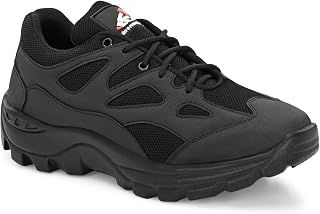


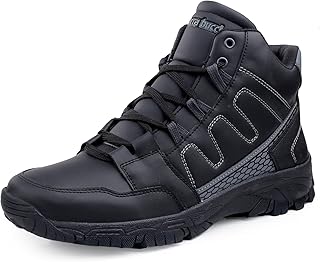


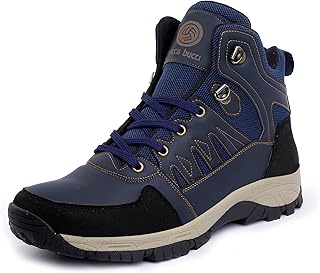


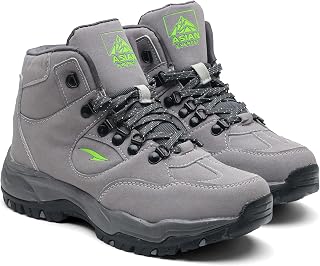


Choosing trekking shoes for Indian conditions is less about finding the most expensive pair and more about matching the shoe to the terrain, season, distance, backpack weight and weather you actually expect to encounter. A lightweight shoe that works well on a dry weekend trail may not provide enough protection for loose Himalayan scree, while a heavily waterproof boot can feel unnecessarily warm on a hot and humid forest route.
For 2026, buyers have more choices across entry-level, mid-range and premium categories. Brands such as Quechua, Forclaz, Decathlon, Wildcraft, Woodland, Adidas, Columbia, Merrell and Salomon cover different combinations of grip, cushioning, waterproofing, ankle support and durability. The right choice should therefore be based on specifications and intended use rather than brand recognition alone.
Running and casual sports shoes are primarily designed for predictable surfaces and forward movement. Trekking footwear has to deal with loose stones, mud, wet rock, uneven steps, steep descents and repeated lateral movement. It therefore needs a different balance of outsole traction, stability, protection and durability.
The biggest trend is not simply making trekking shoes more rugged. Modern outdoor footwear increasingly focuses on balancing protection with lower weight and greater everyday comfort. This is particularly useful for Indian buyers who may use one pair for trekking, hiking, travel and outdoor activities.
Heavy boots still have an important role on demanding terrain, but many recreational trekkers prefer lighter footwear for day hikes and moderate multi-day routes. Reducing unnecessary weight can make long walking days feel less tiring, particularly when the trail involves repeated climbs and descents.
Lightweight does not automatically mean better. A very flexible shoe may be comfortable on maintained trails but less stable on loose rock. Look for a useful middle ground between weight, sole stiffness, protection and cushioning.
Many current models sit between traditional trekking boots and trail shoes. They may have a relatively low weight and flexible upper while retaining aggressive tread, protective overlays and a supportive construction.
This category is particularly useful for Indian buyers who want one pair for weekend hikes, travel and moderate trekking rather than a specialist mountaineering boot.
Waterproof trekking shoes remain especially relevant for monsoon trekking and wet Himalayan routes. However, waterproofing should not automatically be treated as a universal advantage.
A waterproof membrane can reduce water entry during rain and shallow wet conditions, but once substantial water enters over the collar or the shoe becomes completely saturated, drying can take longer than with a highly breathable non-waterproof shoe. In hot and humid conditions, ventilation can therefore be just as important as water resistance.
Outsole design is one of the most important developments to understand when comparing trekking footwear. Deeper and more strategically positioned lugs can provide better engagement with loose soil and mud, while different tread zones may improve braking during descents.
Do not judge traction solely by the word “anti-slip” in a product listing. Examine the actual outsole photographs and specifications where available. The rubber compound, tread geometry, lug depth and surface conditions all influence real-world grip.
Modern trekking shoes increasingly resemble comfortable outdoor footwear rather than rigid expedition boots. Better cushioning, padded collars, shaped footbeds and breathable materials can make them more versatile for travel and everyday walking.
The trade-off is important: maximum comfort on pavement does not necessarily equal maximum stability on a technical trail. A shoe should be evaluated according to the environment in which it will actually be used.
India has unusually diverse trekking environments. A shoe that performs well in the Western Ghats during the dry season may not be the ideal choice for a cold Himalayan route. Terrain should therefore be the first filter when comparing models.
Monsoon routes around Maharashtra, Karnataka, Goa and parts of Kerala can involve wet rock, muddy trails, dense vegetation and persistent humidity. Grip on wet surfaces becomes a major priority.
For this environment, an outsole that performs confidently on wet rock may be more valuable than an exceptionally thick waterproof lining.
Summer Himalayan routes can combine dry paths, loose stones, steep climbs, river crossings and rapidly changing weather. A supportive mid-cut trekking shoe is often a practical compromise for recreational trekkers.
Cold-weather trekking requires a different approach. Waterproofing, insulation, outsole traction and compatibility with the conditions become more important than simply choosing the lightest shoe.
Not every waterproof trekking shoe is a winter boot, and not every trekking boot is suitable for snow. Buyers should check the manufacturer's stated temperature suitability, insulation, sole construction and intended activity before relying on a model for cold-weather conditions.
For maintained trails and short hikes, a low-cut hiking shoe can be sufficient. The extra weight and stiffness of a high ankle boot may provide little benefit when the route is relatively smooth and the backpack is light.
For occasional users, versatility can be more valuable than expedition-level construction. A comfortable hiking shoe with dependable tread may be easier to use regularly than a heavy boot reserved for one annual trek.
Low-cut shoes expose more of the ankle and usually prioritise flexibility and freedom of movement. They are suitable for easy trails, day hikes and users who prefer a lightweight feel.
Mid-cut footwear is one of the most versatile options for recreational trekking. It offers more ankle coverage without necessarily reaching the weight and stiffness of a traditional high boot.
For a first dedicated trekking shoe, this category is worth considering when your trips include uneven trails, moderate backpacks and changing terrain.
High-cut boots provide the greatest amount of ankle coverage and can be useful for demanding terrain, heavier loads and conditions where additional protection is valuable. They are also typically heavier and may require more break-in time.
Do not assume that a higher collar alone prevents ankle injuries. Proper fit, stable footing, appropriate technique and suitable footwear for the terrain all matter.
The outsole is arguably one of the most important components to inspect before buying trekking footwear. It is the only part of the shoe that directly interacts with the ground.
Rubber is commonly used because it can provide traction and withstand repeated abrasion. Different rubber compounds can behave differently on dry rock, wet rock, mud and hard surfaces.
Deep lugs can help the outsole penetrate soft ground and provide additional mechanical engagement with mud and loose soil. However, extremely aggressive lugs are not automatically ideal for every surface.
Look for tread that supports different movements. Climbing, braking during descents and lateral movement place different demands on the outsole.
A clearly defined heel area can be useful during steep descents. Examine the heel tread rather than looking only at the forefoot pattern.
Waterproofing terminology can be confusing because manufacturers use terms such as waterproof, water-resistant, weather-resistant and water-repellent differently.
A water-resistant upper may repel light rain or splashes for a limited period, whereas a waterproof construction is designed to provide a stronger barrier against water penetration. The exact performance depends on the construction and manufacturer's specifications.
Some trekking shoes use membranes such as Gore-Tex or proprietary waterproof membranes. These constructions are designed to limit water entry while allowing some moisture vapour to escape.
However, breathability is not unlimited. During hot Indian weather, intense physical activity can still result in significant internal moisture even when the membrane is functioning correctly.
A gusseted tongue can reduce the routes through which water and trail debris enter around the tongue and lacing area. This is a useful detail to inspect when comparing waterproof footwear.
Even a technically waterproof shoe can allow water inside if water enters over the ankle collar, through damaged seams, through worn materials or during prolonged immersion. For river crossings, gaiters or dedicated crossing footwear may sometimes be more appropriate than relying entirely on a waterproof shoe.
This is one of the most important decisions for Indian trekking.
A common buying mistake is paying extra for waterproofing and then using the shoe primarily in hot, dry conditions where ventilation and lower weight would have provided greater practical benefit.
Fit is more important than the brand name, colour or appearance. A technically excellent shoe can become uncomfortable if the heel slips, the forefoot is cramped or the toes repeatedly hit the front of the shoe during descents.
Your toes should have enough room to spread naturally without allowing excessive foot movement. There should be sufficient length so that the toes do not repeatedly strike the front of the shoe while walking downhill.
The heel should remain reasonably secure when you walk and descend stairs. Excessive heel movement can create friction and contribute to hot spots and blisters.
Do not select a size based only on length. Foot width varies considerably, and some shoe shapes are narrower or wider than others.
If possible, test the shoe with the socks you expect to wear during trekking. A fit that feels correct with thin everyday socks may become too tight with thicker trekking socks.
Walking downhill is particularly useful when checking fit. If your toes slide forward or repeatedly contact the front of the shoe, the model or size may not be suitable.
There is no universal rule that every trekking shoe should be one full size larger. However, long walks can cause feet to swell, and thicker socks can change the amount of available space.
A slightly roomier fit may therefore be appropriate for some users, but simply buying a larger size can create excessive heel movement. The better approach is to evaluate length, width, toe clearance, heel security and sock thickness together.
The midsole controls much of the shoe's cushioning and underfoot feel. Softer cushioning can feel comfortable during everyday use, while a firmer and more supportive construction may provide greater stability on rocky trails.
Soft cushioning can reduce the harsh feel of repetitive impact and may suit users who prioritise comfort on easier trails.
A firmer midsole can provide a more stable platform on uneven terrain. This can be useful when carrying a backpack or walking over rocks for long periods.
Some trekking shoes include structural elements intended to protect the underside of the foot from sharp stones. This becomes more valuable on rocky routes than on smooth forest trails.
A trekking shoe's upper must balance durability, protection and ventilation. Mesh can improve airflow and reduce weight, while synthetic overlays can improve abrasion resistance and structural support.
A reinforced toe cap is useful when trails contain rocks, roots and uneven steps. Examine how far the protective material extends and whether it is securely integrated into the shoe rather than relying only on marketing terminology.
A secure lacing system allows the foot to remain positioned correctly inside the shoe. This becomes particularly important during descents, when the foot naturally tries to move forward.
Price should be evaluated against intended use rather than treated as a quality ranking. A beginner who completes a few easy day hikes each year may not benefit from a premium expedition boot, while a frequent Himalayan trekker may find a budget model limiting.
Entry-level footwear can make sense for occasional day hikes and relatively straightforward trails. Carefully inspect the outsole, stitching, sole construction and fit before purchasing.
This category can offer an attractive balance of grip, cushioning, durability, support and weather resistance. For many recreational Indian trekkers, this is the category worth comparing most carefully.
Premium models may provide advanced waterproof membranes, specialised outsole compounds, improved construction, better weight-to-support ratios or more sophisticated materials. The additional cost is easier to justify for frequent trekking and demanding environments.
Always check the current retailer price before purchasing because product pricing, offers, stock and sizes can change throughout 2026.
No single brand is the best for every trekker. Brand comparisons are more useful when based on the specific shoe rather than reputation alone.
When comparing these brands, do not assume that every model from a recognised manufacturer has identical grip, waterproofing, width or durability. The specific model and its construction matter more than the logo.
Backpack weight changes the demands placed on footwear. As load increases, stability and underfoot protection become more important.
A lightweight trail shoe may be excellent for an unloaded day hike but feel less stable when carrying a substantial backpack over loose terrain.
Outdoor footwear is often designed to look rugged, but a rugged appearance does not guarantee trail performance. Inspect the outsole, materials, fit and intended-use specifications.
New trekking shoes should be worn before an important trek. A shoe that feels acceptable for ten minutes may reveal pressure points after several hours.
Waterproof footwear can be useful in wet conditions, but it can also reduce ventilation and may take longer to dry after complete saturation. Match the construction to the climate.
A shoe can be long enough and still be too narrow. Pressure along the sides of the foot can become increasingly uncomfortable during long walking days.
Many fitting problems become obvious on descents. Always consider what happens to the foot when walking downhill, not just how the shoe feels while standing.
Casual sneakers may be perfectly comfortable for urban travel but can lack the outsole geometry and structural support required for loose or wet trails.
Breaking in footwear before a major trek helps identify fit problems while there is still time to make a change.
Do not assume that a painful shoe will automatically become comfortable after a few days. Some footwear needs break-in, but fundamental sizing or shape problems are unlikely to disappear.
Even excellent trekking shoes can perform poorly when paired with unsuitable socks. Trekking socks can help manage moisture, reduce friction and provide cushioning in high-contact areas.
Avoid choosing extremely thick socks simply to compensate for an oversized shoe. The complete combination of shoe volume, sock thickness and foot shape should be comfortable without excessive movement.
Allow heavy mud to loosen before gently cleaning the shoe. Excessive scrubbing can damage some upper materials and finishes.
Wet footwear should be dried in a well-ventilated place. Avoid excessive direct heat, which can damage adhesives, finishes and some synthetic materials.
Removing insoles can improve airflow and help the interior dry more efficiently.
Check the tread for excessive wear, especially under the heel and forefoot. Deep-looking tread is not useful if the rubber has become badly worn or damaged.
Look for separation around the sole, toe cap, heel and major seams. Early signs of structural failure are easier to address than a complete sole separation during a trek.
There is no universal mileage figure that applies to every trekking shoe. Replacement depends on terrain, frequency of use, body weight, backpack load, walking style, storage conditions and outsole construction.
When two models appear similar, use a structured comparison instead of relying on star ratings alone.
When shopping online in India, product photographs and specifications should be examined carefully before placing an order. Do not rely exclusively on the product title.
Customer reviews can provide useful information, but they should be interpreted carefully. A reviewer using a shoe for city walking is testing it under completely different conditions from someone trekking through wet Himalayan terrain.
Look for repeated comments about the same characteristic rather than relying on one extremely positive or negative review. Pay particular attention to feedback concerning sizing, heel movement, toe-box width, sole grip, waterproofing, durability and comfort after several hours of use.
Also distinguish between dissatisfaction caused by a product defect and dissatisfaction caused by choosing the wrong type of shoe for the intended activity.
The best option depends on terrain, weather, distance, backpack weight, foot shape and budget. A lightweight low-cut shoe may be ideal for easy hikes, while a supportive mid-cut or high-cut waterproof model can be more appropriate for demanding or wet terrain.
Not for every trek. They are particularly useful for monsoon routes, wet environments and some Himalayan conditions. For hot and dry trails, breathability and low weight may be more important.
Decathlon offers multiple hiking and trekking models across different specifications and price levels, making it a useful brand to compare for beginners. The specific model should still be matched to the terrain and intended use.
Salomon is an established outdoor footwear brand with hiking and trail-focused models. Whether a particular model is worth the additional cost depends on its fit, construction and features compared with alternatives available in India.
Some Woodland footwear is designed with rugged outdoor use in mind, but not every model is a dedicated trekking shoe. Check the specific outsole, weight, construction, support and intended use before choosing one for a demanding trek.
High-ankle footwear can provide additional coverage and support, particularly on demanding terrain or when carrying heavier loads. It is not automatically the best choice for every trek because it can add weight and restrict some ankle movement.
They can be adequate for very easy, maintained trails, but ordinary road-running shoes are generally not the first choice for rocky, muddy or technical trekking because their outsole and construction are designed for a different environment.
There should be enough room for the toes to move naturally without allowing excessive foot movement. Test the shoe while walking downhill because inadequate length often becomes most obvious during descents.
Neither. The foot should be held securely while retaining enough room for natural movement and swelling during long walks. A secure heel combined with adequate toe and forefoot space is generally preferable to either a cramped or sloppy fit.
No. Premium footwear may offer advanced materials and specialised construction, but a less expensive shoe can be the better choice when its features match your actual trekking needs. Fit and terrain suitability should come before price.
There is no fixed lifespan. Frequent use on abrasive rock can wear an outsole much faster than occasional use on soft trails. Inspect tread, midsole, seams and sole attachment rather than relying on a specific number of months or kilometres.
Yes. Wear them on progressively longer walks before an important trek. This gives you an opportunity to identify pressure points, heel movement, sizing problems and sock compatibility before you are far from home.
Before choosing your next pair of men's trekking shoes in India, run through this checklist:
The best men's trekking shoes for 2026 are not defined by one universal specification. Indian trekking conditions range from humid monsoon rock and muddy forest trails to dry Himalayan paths, loose scree and cold-weather routes. The ideal shoe is therefore the one that provides the right combination of traction, fit, stability, protection, weather resistance, breathability and weight for your particular trip.
For beginners, a comfortable and versatile model with dependable grip is usually a sensible starting point. For regular trekkers, it can be worth moving into footwear with better waterproofing, stronger outsole construction, more structured support or improved durability. For demanding Himalayan or winter use, specialist footwear should be selected according to the manufacturer's intended conditions rather than appearance alone.
Before buying, compare the exact model's specifications, current customer feedback, available sizes and today's price in India. Most importantly, choose for the trail you will actually walk—not simply for the shoe that looks the most rugged in photographs.