

♥ Wishlist
Compare 62 verified Men Training Shoes for Gym, Workouts & Everyday Training products in India. Reviews, ratings, pros, cons and buying advice updated for October 2026.


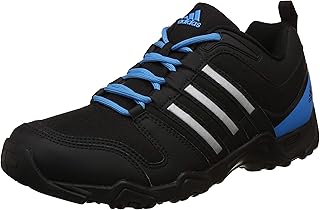


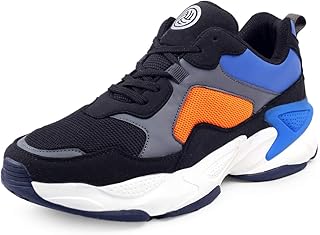


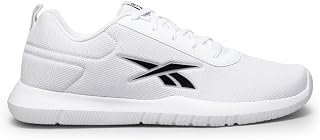


Men’s training shoes in 2026 are increasingly designed around versatility rather than a single workout category. A good cross-training shoe may need to handle strength training, treadmill sessions, circuit workouts, studio classes, short conditioning runs, and everyday movement without becoming excessively soft or unstable.
For shoppers in India, the right choice also depends on climate, indoor and outdoor surfaces, workout frequency, foot shape, sizing, and the balance between cushioning and stability. Instead of choosing a shoe simply because it looks modern or carries a familiar logo, compare its construction with the activities you actually perform.
Training and running shoes can look similar, but their designs usually prioritize different movements. Running shoes are primarily engineered for repetitive forward motion, while training shoes need to cope with lateral movement, rapid changes of direction, jumping, lifting, and varied gym exercises.
If most of your workouts involve weight training, jumping and resistance exercises, a dedicated training shoe is usually more appropriate than a highly cushioned road-running model. If running is the main activity, a purpose-built running shoe may be the better choice.
One of the most useful trends is the continued development of shoes that can move between different workout environments. Rather than owning a separate pair for every activity, many consumers prefer a versatile model for gym sessions, functional training and occasional short runs.
Training footwear increasingly emphasizes a stable platform beneath the foot. A broad base can provide useful support during squats, lunges and other resistance exercises. Stability is especially important when the workout involves loaded movements where excessive softness can make the shoe feel less controlled.
Modern training shoes often attempt to balance cushioning with responsiveness. Excessive softness may feel comfortable during walking but can reduce the planted sensation some users want during lifting. Conversely, an extremely firm shoe may feel efficient for strength work but less comfortable during jumping or conditioning.
India’s warm conditions make ventilation particularly relevant. Mesh and engineered textile uppers can improve airflow compared with heavily enclosed constructions. Breathability should still be considered alongside durability because highly open materials may require more care in dusty or outdoor environments.
Many training-focused shoes use a relatively grounded feel to improve stability. A lower, wider platform can be useful when exercises involve lateral movement or controlled lifting. However, low-profile construction is not automatically better for every user; comfort, mobility requirements and activity type remain important.
The training category now includes shoes optimized for different priorities. Some emphasize lifting stability, others prioritize agility and conditioning, while hybrid designs attempt to cover a broad range of gym activities.
The midsole influences how the shoe feels underfoot during repeated movement. When comparing training shoes, consider whether the foam feels firm, balanced or highly cushioned and whether that sensation suits your workouts.
Do not judge cushioning solely by how soft a shoe feels when pressed with a finger. The actual underfoot sensation depends on the foam, geometry, outsole, upper and your body weight.
Traction matters during lunges, lateral movements, sled work, circuits and exercises performed on smooth gym flooring. Look for an outsole pattern that provides dependable contact without making the shoe unnecessarily rigid.
For outdoor workouts, also consider how the outsole behaves on concrete, asphalt or other rough surfaces. A shoe designed mainly for indoor gym floors may not be the best option for frequent outdoor training.
Side-to-side stability is one of the clearest reasons to choose training footwear instead of conventional running shoes. A supportive heel structure, broad base and appropriately secure upper can help the shoe feel more controlled during lateral exercises.
The heel should feel secure without excessive pressure. A loose heel can create unwanted movement inside the shoe, while an overly aggressive heel structure can cause discomfort.
When trying shoes on, walk, perform controlled side steps and bend your knees. A suitable training shoe should keep the heel reasonably secure without requiring the laces to be painfully tight.
Toe-box dimensions are particularly important because feet differ considerably in width and shape. Your toes should not be forced together, and the front of the shoe should provide enough room for natural movement without allowing the foot to slide forward.
People with wider feet should not assume that simply sizing up will solve a narrow toe box. Increasing length can leave excessive space in front of the toes while the forefoot remains uncomfortable.
Training shoe uppers may use mesh, engineered textile, synthetic overlays, knit-style materials or combinations of these. The best material depends on the intended use.
A training shoe should flex where your foot naturally moves, but excessive flexibility throughout the entire sole can compromise the stable sensation needed for some strength exercises. Compare flexibility with the type of training you perform rather than treating maximum flexibility as an advantage.
A general-purpose gym shoe should balance stability, comfort, grip and flexibility. This category suits people whose routines combine machines, free weights, cardio equipment and basic functional exercises.
For strength-focused workouts, prioritize a stable base and secure fit. A very soft running-style midsole may feel less planted during loaded movements. Lifters who regularly perform heavy compound exercises may also want a more specialized strength-training design.
High-intensity interval training often involves jumping, quick direction changes, squats, lunges and short bursts of running. A responsive, stable and reasonably flexible shoe is usually preferable to a highly cushioned but unstable model.
If you alternate between resistance training and short treadmill sessions, a hybrid cross-trainer can make practical sense. The key is to avoid expecting one shoe to perform like a specialized running shoe during long-distance running.
Some shoppers want one pair that works for commuting, casual wear and gym sessions. In this case, comfort, ventilation, outsole durability and understated styling become more important. However, frequent intensive training can wear a dual-purpose shoe faster than a pair reserved for workouts.
Brand reputation can help narrow a search, but the individual model matters more than the logo. Depending on availability and model specifications, shoppers may compare established athletic brands such as Nike, Adidas, Puma, Reebok, ASICS, New Balance, Under Armour and Skechers.
Before choosing a brand, compare the exact model's outsole, fit, upper, cushioning, intended activity and current specifications.
Prioritize stability and secure foot placement. A firm or moderately cushioned platform may provide a more controlled feel than a highly soft shoe. Pay particular attention to heel movement and outsole contact.
Look for a combination of lateral stability, traction, flexibility and responsive cushioning. HIIT places varied demands on footwear, so an extremely specialized lifting shoe may be too restrictive.
Consider whether your treadmill sessions are short warm-ups or a major part of your exercise routine. Occasional short runs can be compatible with many cross-trainers, while regular longer runs may justify a dedicated running shoe.
Inspect outsole durability and traction. Outdoor concrete and asphalt can be more abrasive than indoor gym floors. Dust and debris can also accumulate in highly open upper materials.
Focus on actual forefoot width rather than simply choosing a longer size. Check the manufacturer's sizing information and, where available, consider wide-fit versions.
Comfort becomes more important when the shoe is used beyond workouts. A model that feels stable during lifting may not necessarily be the most comfortable option for several hours of standing or walking.
Fit is one of the most important factors in choosing men's training shoes. Even a technically impressive shoe can be unsuitable if its dimensions do not match your foot.
Feet can change slightly in volume throughout the day, particularly after extended standing or activity. Trying shoes later in the day can therefore provide useful information about comfort and fit. If you normally train with specific socks, wear comparable socks when checking the fit.
Always consider the manufacturer's size chart because numerical sizing can vary between brands and models.
A fashionable shoe may look excellent but still have unsuitable cushioning, grip or stability. Appearance should be considered after performance requirements and fit.
Running shoes can be excellent for running, but a highly cushioned running shoe may not provide the planted lateral feel preferred for resistance and functional training.
Length is only one dimension. A shoe that is long enough can still be too narrow through the forefoot.
Higher price does not automatically make a shoe more appropriate for your routine. A less expensive model with the right fit and construction can be a better purchase than a premium shoe designed for a different activity.
Read the manufacturer's description and technical specifications carefully. A shoe marketed for running, lifestyle use or court sports may not have the construction required for general gym training.
When comparing products through Indian retailers, review the current return, exchange and sizing policies before purchasing. Policies can differ by seller, product and order conditions.
India's varied climate makes material selection important. In hot and humid areas, ventilation can become a priority, while users in dusty outdoor environments may value easier-to-clean materials and durable overlays.
Durability depends on the shoe's construction, training frequency, body weight, workout type, surface and maintenance. There is no universal lifespan that applies to every wearer.
Instead of replacing shoes according to a fixed calendar, inspect them regularly for visible changes.
Basic maintenance can help keep training footwear cleaner and preserve its usable condition.
When two models appear similar, use a consistent comparison method instead of relying on branding or promotional language.
Customer ratings can be useful, but a high average rating does not guarantee that a shoe is right for every athlete. Read reviews for recurring information rather than isolated comments.
Pay particular attention to repeated observations about sizing, width, heel security, durability, sole grip, comfort and whether the product matches its stated purpose. Reviews that discuss the buyer's activity and foot shape are generally more useful for comparison than comments that simply describe appearance.
Also distinguish reviews about the exact model and version from reviews referring to another generation or similarly named product.
The best value training shoe is not necessarily the cheapest model. Consider the total usefulness of the footwear over its expected period of use.
A practical value assessment should include:
Because prices, discounts and inventory can change, compare the current retailer price and product specifications immediately before purchasing.
A discount is most useful when the underlying product already fits your requirements. Before treating a reduced price as a bargain, check the exact model name, size availability, seller information, product generation and return conditions.
There is overlap between these categories, so always assess the construction of the individual model rather than relying exclusively on the category name.
One versatile training shoe can be practical for people with mixed but moderate workout requirements. Multiple pairs become more useful when your activities are substantially different.
For example, someone who combines strength training with occasional short cardio may be well served by one versatile trainer. Someone who regularly performs heavy strength sessions and long-distance running may benefit from footwear specifically suited to each activity.
Specialized footwear becomes more relevant as the demands of your training become more specific. Competitive athletes, dedicated lifters, frequent runners and people participating in sport-specific training may benefit from shoes engineered for those activities.
For casual gym users, however, a well-fitting versatile trainer can often be a more practical choice.
The best option depends on your workout style, foot shape, preferred cushioning, stability requirements and budget. A good choice should fit securely and provide the traction and support appropriate for your primary activities.
Many training shoes can handle short runs or treadmill warm-ups, but they are not automatically suitable for regular long-distance running. If running makes up most of your exercise, compare dedicated running shoes as well.
Not necessarily. Price should be evaluated against fit, construction, durability and the features that matter for your workouts. A less expensive model can offer better value if it meets your requirements.
Nike produces multiple types of athletic footwear, including training-oriented models. The suitability of a particular pair depends on its exact construction, fit and intended activity.
Some Adidas models are designed for training and can suit gym-based resistance work. Check the exact model's stability, sole construction and intended use before purchasing.
Selected Puma training models can be suitable for general gym routines. Compare the individual shoe's cushioning, outsole grip, lateral support and fit with your workout requirements.
Your toes should not press against the front of the shoe, while excessive empty space can allow the foot to slide. The correct amount varies with foot shape and the shoe's construction, so overall fit is more important than following a single universal measurement.
They should feel secure but not painfully tight. The upper should hold your foot during movement without causing pressure, numbness or obvious restriction.
Breathable uppers can be advantageous in hot conditions because they may allow better airflow. However, breathability should be balanced against durability, protection and the environment in which you train.
There is no single replacement schedule that applies to everyone. Inspect the outsole, midsole, upper and heel lining regularly and replace footwear when wear or loss of performance affects comfort, stability or suitability.
Some versatile models can handle both environments, but frequent outdoor use can accelerate outsole wear. Check the manufacturer's intended use and inspect traction regularly.
No. Lower weight can feel agile, but stability, durability and cushioning may be more important depending on your workout. Choose the balance that supports your actual training rather than pursuing minimum weight.
Neither is universally more important. Strength-focused users may prioritize stability, while users performing jumping and conditioning may prefer additional cushioning. Mixed workouts generally benefit from a balanced design.
The strongest approach to buying men’s training shoes in India is to start with your workout rather than the product list. Determine whether you spend more time lifting, doing HIIT, using cardio machines, training outdoors or combining several activities. Then compare stability, cushioning, traction, fit, breathability and durability.
Brands such as Nike, Adidas, Puma, Reebok, ASICS, New Balance, Under Armour and Skechers provide useful starting points for comparison, but the exact model and its specifications should determine the final decision.
For August 2026 shopping, verify the latest model information, current retailer pricing, available sizes and customer feedback immediately before purchasing. Product prices and availability can change, so the most useful buying decision is one based on the current listing and your specific requirements rather than an old price or generalized recommendation.