

♥ Wishlist
Compare 52 verified Men Clothing products in India. Reviews, ratings, pros, cons and buying advice updated for October 2026.
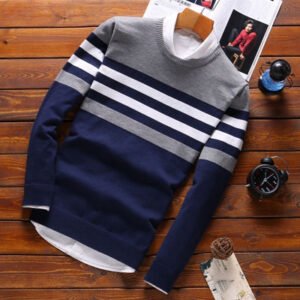
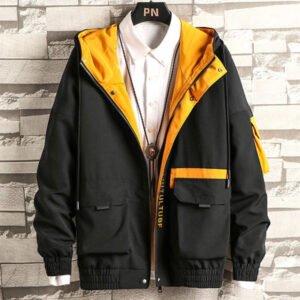
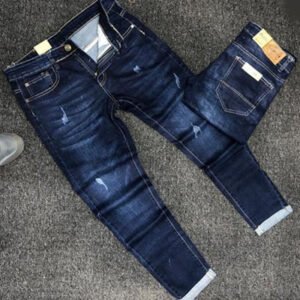
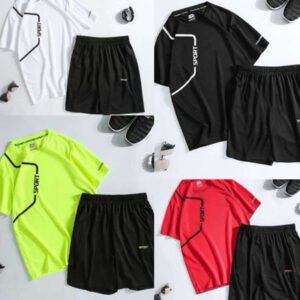
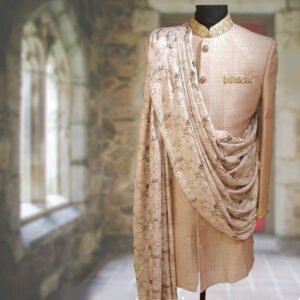
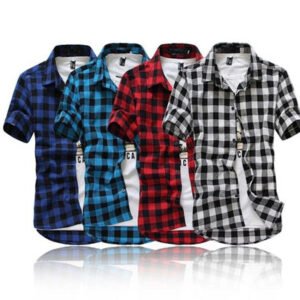
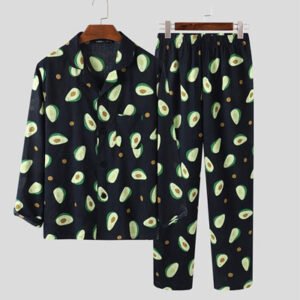
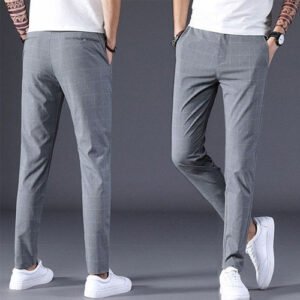
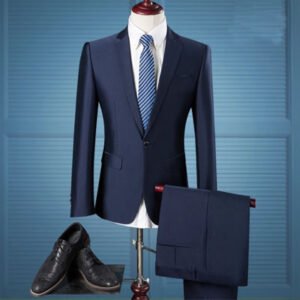
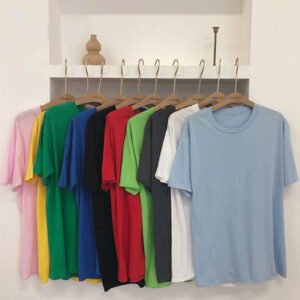
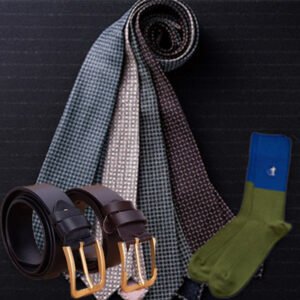


Men’s fashion in India is becoming more versatile, with everyday wardrobes increasingly balancing comfort, clean silhouettes, smart-casual styling and traditional influences. For shoppers comparing the latest men’s clothing trends in 2026, the most useful approach is not to chase every short-lived fashion moment. Instead, look for pieces that combine current styling with practical wearability, suitable fabrics, dependable construction and enough versatility to work across different occasions.
This buying guide focuses on the factors that matter when comparing men’s shirts, T-shirts, trousers, jeans, jackets, overshirts, ethnic wear, casualwear and smart-casual essentials in the Indian market. Product specifications, available sizes, customer feedback, fabric composition and current retailer information should always be checked before purchase because stock, pricing, colours and sizing can change.
The strongest wardrobe direction for 2026 is less about owning unusual statement pieces and more about combining modern proportions with dependable basics. A well-chosen wardrobe can incorporate current trends without becoming difficult to wear after a single season.
A trend is only useful if it fits your lifestyle. Before buying a fashionable item, consider where you will wear it, how frequently you expect to use it, what garments you already own and whether the new piece can create several complete outfits.
Men shopping for office clothing should prioritise clean construction, appropriate colours and fabrics that remain presentable throughout the day. Casual shoppers can place greater emphasis on comfort, relaxed proportions, graphics, texture and experimentation. For weddings, festivals and celebrations, the priorities shift towards richer fabrics, coordinated colours and traditional or fusion silhouettes.
A fashionable garment that works with only one pair of trousers may provide less practical value than a simple piece that works with several existing items. Before buying, mentally pair the garment with at least three outfits. For example, a neutral overshirt may work with jeans, chinos and relaxed trousers, while a highly distinctive printed shirt may have fewer combinations.
Fit is not simply about whether a garment technically matches your measurements. Shoulder placement, sleeve length, rise, leg opening, shirt length and overall volume affect how an outfit looks. A relaxed shirt can work particularly well with straight or moderately relaxed trousers, while an oversized top paired with extremely wide trousers creates a much more fashion-forward silhouette.
T-shirts remain one of the easiest ways to incorporate current men’s fashion into an everyday wardrobe. The most important variables are fabric weight, neckline construction, fit, length and stitching rather than the logo alone.
Shirts provide more styling flexibility than many shoppers realise. A classic Oxford shirt can support office and smart-casual outfits, while a relaxed linen or cotton shirt can work for warm-weather casual dressing. Overshirts can also function as lightweight layers over T-shirts.
Oxford shirts remain useful for men who want a wardrobe that can move between professional and casual environments. White, light blue and subtle neutral colours are particularly adaptable. Look for a collar that maintains its structure and fabric that does not feel excessively thin.
Linen is particularly relevant to warm Indian conditions because its lightweight character can make it suitable for hot-weather dressing. Natural linen can wrinkle more easily, which is part of its visual character. Linen blends may offer a different balance of texture, drape and ease of care.
Relaxed shirts can create a contemporary silhouette without requiring elaborate styling. However, oversized should not automatically mean several sizes larger. Check the garment’s actual chest, shoulder, sleeve and length measurements because brands use different definitions for relaxed and oversized fits.
Jeans continue to be one of the most important categories in men’s clothing. Current styling gives shoppers more room to move beyond extremely slim silhouettes, with straight and relaxed shapes offering a useful balance between contemporary proportions and everyday wearability.
Straight jeans maintain a relatively consistent width from the thigh through the lower leg. They are versatile and can be paired with T-shirts, shirts, polos, sneakers, boots and casual jackets.
Relaxed jeans provide additional room through the seat and thigh. They can be especially useful for casual wardrobes where comfort is a priority. The rest of the outfit should be considered carefully so the larger silhouette looks deliberate rather than simply oversized.
Trousers have become increasingly important for men who want alternatives to jeans. Straight-leg trousers, pleated trousers, relaxed chinos and lightweight trousers can provide a more polished appearance without becoming overly formal.
Chinos are a practical middle ground between denim and formal trousers. Khaki, navy, olive, charcoal and beige can work across a broad range of shirts and footwear. For a modern appearance, compare the actual leg shape instead of relying only on labels such as slim, regular or relaxed.
Pleats can add room around the upper leg and create a more structured, tailored appearance. They work particularly well with tucked-in shirts, polos, knitwear and smarter footwear, although they can also be styled casually.
Wider trousers create a contemporary silhouette but require attention to length and footwear. Excess fabric around the ankle can overwhelm the outfit, whereas an intentional break can create a more refined appearance.
Polo shirts occupy an especially useful position in an Indian men’s wardrobe. They can be worn with jeans for casual occasions or combined with chinos and tailored trousers for a smarter appearance.
When comparing polos, inspect collar construction, fabric density, button quality and sleeve proportions. Pique cotton provides a recognisable textured appearance, while knitted polos can create a more refined look. Brands such as Lacoste, Ralph Lauren, Uniqlo, Levi’s, Van Heusen, Louis Philippe and Allen Solly offer different approaches across the broader polo and casualwear market, but individual product specifications should always be checked rather than assuming every garment from a brand has the same construction.
Layering is useful even in warm climates when garments are chosen according to season and setting. Lightweight overshirts can provide structure without the bulk of a heavy jacket, while denim jackets, bomber-inspired layers and casual blazers can change the character of a basic outfit.
Indian men’s fashion cannot be evaluated only through Western casualwear. Kurtas, kurta-pajama sets, Nehru jackets, bandhgalas and Indo-Western combinations remain important for weddings, festivals, family functions and cultural occasions.
Contemporary ethnic dressing often benefits from simpler silhouettes and more versatile colours. A well-fitted solid kurta can be paired with traditional bottoms for formal occasions or with jeans for a more relaxed fusion outfit. When shopping online, pay particular attention to garment length, sleeve measurements, fabric composition and whether trousers are included in a set.
Fabric selection can matter as much as styling. India includes hot, humid, dry, rainy and cooler climates, so the same garment may perform very differently depending on where and when it is worn.
Cotton is a versatile choice for everyday shirts, T-shirts, trousers and casualwear. Different weaves and fabric weights produce substantially different results, so simply seeing “100% cotton” does not tell you everything about the garment.
Linen is valued for its lightweight texture and warm-weather suitability. Its tendency to wrinkle means shoppers should consider whether they prefer a naturally relaxed appearance or clothing that stays sharply pressed.
Synthetic fibres can offer durability, shape retention and easy-care characteristics. However, comfort depends heavily on the specific fabric construction, garment design and climate. Do not judge a garment solely by the fibre name.
These fabrics can provide a soft hand feel and fluid drape. They may be particularly appealing for relaxed shirts and fashion-oriented garments, but care requirements should be reviewed before purchase.
One of the most common online clothing mistakes is assuming that the same size means the same fit across different brands. A medium from one manufacturer may have substantially different chest, shoulder or length measurements from another.
For shirts and T-shirts, compare chest width, shoulder width, sleeve length and garment length. For trousers and jeans, compare waist, rise, thigh, inseam and leg opening where those measurements are provided.
Colour is one of the easiest ways to update a wardrobe. Neutral colours tend to provide maximum outfit flexibility, while seasonal or expressive colours can be introduced through shirts, T-shirts, knitwear or accessories.
Black, white, navy, grey, beige, cream, olive and brown can form a strong base. More noticeable shades can then be used as accents rather than requiring an entirely new wardrobe.
When buying online, remember that screen settings and photography can affect colour perception. If the exact shade is important, examine the product description and available images carefully and consider customer photographs where available.
Photographs can make almost any garment look attractive, so a careful buyer should examine the information beyond the main product image.
Look for fibre composition, fit type, garment measurements, care instructions, closure details, pocket information and lining details. A more complete description gives you a better basis for comparison.
Look for close-up images of seams, collars, cuffs, buttons, zippers and hems. Consistent stitching and properly finished edges are useful indicators when photographs provide sufficient detail.
Reviews can provide useful information about sizing, fabric feel, colour differences and durability, but individual experiences vary. Give greater weight to repeated observations across multiple reviews rather than a single enthusiastic or negative comment.
A practical wardrobe does not need dozens of garments. The objective is to create enough combinations for work, casual outings, travel, social events and special occasions.
A T-shirt with straight jeans and clean sneakers is a reliable foundation. An overshirt can add another layer when conditions permit.
Oxford shirts, polos, chinos, tailored trousers and understated footwear can create a polished appearance without becoming excessively formal. Workplace dress codes should take priority over general fashion trends.
A well-fitted shirt, dark trousers or clean denim and appropriate footwear can create a sharper appearance without requiring formalwear. Texture and fit can often add more sophistication than large logos.
Kurtas, coordinated sets, Nehru jackets and other ethnic or Indo-Western combinations can provide a more occasion-appropriate wardrobe. Choose fabric and layering according to the season and venue.
For travel, prioritise wrinkle resistance, comfort, versatile colours, easy-care fabrics and garments that can be mixed and matched. A smaller collection of coordinated clothing is often more useful than a suitcase filled with individual outfits.
Different brands tend to approach men’s clothing with different strengths, so comparing the individual garment is more useful than choosing a brand solely on reputation.
These brand names should be treated as comparison starting points rather than automatic recommendations. The best choice depends on the specific garment, current specification, fit, customer feedback and retailer terms.
When two garments appear similar, use a consistent comparison process instead of relying on photographs or brand recognition.
The cheapest garment is not necessarily the best value, and a higher-priced garment is not automatically higher quality. Value comes from the combination of fit, construction, fabric, comfort, versatility and expected frequency of use.
For frequently worn basics, spending more may make sense when the additional cost corresponds to noticeably better construction or fit. For highly seasonal or trend-driven garments, a lower-cost option may be more practical if you expect to wear it only occasionally.
Good care can help clothing maintain its appearance for longer. Always follow the garment’s specific care label because washing requirements vary according to fibre, dye, construction and finishing.
Online shopping provides access to a much larger selection of men’s clothing, but comparison requires more attention than simply selecting the first attractive product. Before placing an order, confirm the seller or retailer, current size availability, garment measurements, material information, delivery details and return conditions.
For affiliate shopping research, use independent comparisons to narrow the category first, then review the current retailer listing for the exact product. Prices, promotions, inventory, sizes and seller information can change, so verify those details immediately before purchase.
Relaxed fits, elevated basics, straight-leg denim, versatile trousers, textured shirts, smart-casual polos, lightweight layers and modern ethnicwear are among the most practical directions to consider. The right choice depends on climate, lifestyle, workplace requirements and personal preference.
Lightweight and breathable fabrics are generally useful for warm conditions, but the ideal choice depends on local humidity, season and activity. Cotton, linen and suitable blends can all have a place in a practical wardrobe when their individual construction and care requirements are considered.
Yes, relaxed and oversized silhouettes can be incorporated into a contemporary wardrobe. The key is proportion. An oversized garment should look intentional, and its actual measurements should be checked rather than simply purchasing a larger standard size.
There is no universally best fit. Slim fits create a closer silhouette, regular fits provide a more traditional balance, and relaxed fits provide additional room. Choose according to comfort, body proportions, personal style and the occasion.
Neutral colours such as white, black, navy, grey, beige, cream, olive and brown are generally easy to coordinate. More expressive shades can be added when you want stronger visual contrast.
Use the retailer’s current size chart and compare its measurements with a garment you already own. Customer feedback can also help identify recurring fit patterns, but measurements should remain the primary reference.
Brand name alone does not determine whether a garment is the right purchase. Compare fabric, construction, measurements, customer feedback, care requirements and current price. A lesser-known garment can be suitable when its specifications and quality indicators meet your requirements.
There is no fixed number. A useful wardrobe contains enough clothing for your actual work, social, casual, travel and seasonal requirements while keeping the majority of pieces compatible with one another.
Check waist, inseam, rise, thigh and leg-opening measurements where provided. Also consider denim composition, fabric weight, stretch, wash, construction and care instructions.
Trends are most useful when they complement your personal style and existing wardrobe. Rather than replacing everything each season, introduce current silhouettes, colours or fabrics through a few versatile pieces.
The best men’s clothing purchase is not necessarily the newest, most expensive or most heavily promoted option. It is the garment that satisfies the practical requirements of your wardrobe while offering suitable fit, fabric, construction, comfort and versatility.
For shoppers in India, climate should remain a major consideration alongside style. Before buying, compare exact measurements, material composition, care instructions, customer feedback and current retailer information. For trend-focused purchases, think about longevity and outfit compatibility. For everyday essentials, prioritise fit and comfort. For formal and ethnicwear, pay particular attention to occasion, proportions and finishing details.
Use the 2026 trends as a framework rather than a strict rulebook. A wardrobe built around adaptable basics can incorporate relaxed silhouettes, modern tailoring, utility influences, textured fabrics and contemporary Indian styling without becoming dependent on short-lived fashion cycles.