

♥ Wishlist
Compare 57 verified Men Swimwear products in India. Reviews, ratings, pros, cons and buying advice updated for October 2026.


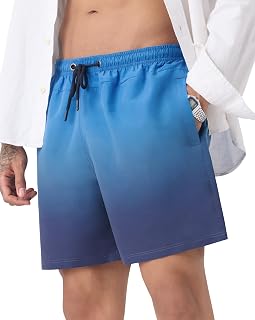


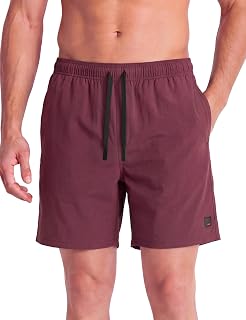


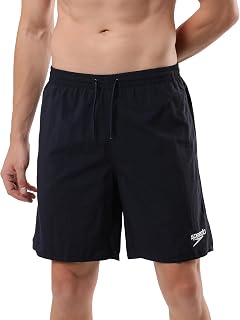


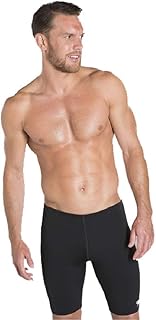


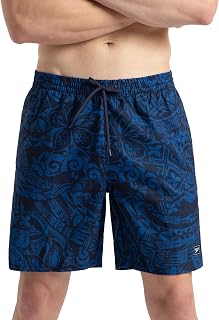

Men’s swimwear in India is moving beyond a simple choice between briefs and basic board shorts. Current buying decisions increasingly involve fit, fabric performance, drying speed, sun exposure, comfort, versatility and the setting in which the swimwear will be worn. A pair selected for regular pool sessions can have very different requirements from one intended for a beach holiday, resort stay, water sports or casual use around a hotel pool.
For shoppers comparing the latest men’s swimwear trends in 2026, the most useful approach is to treat fashion and functionality as equally important. Colour, print and silhouette influence appearance, while fabric composition, waistband construction, liner design, seam placement and length affect day-to-day comfort. Brands such as Speedo, Adidas, Nike, Jockey and Decathlon offer different approaches across performance swimming, leisurewear and active beachwear, so comparing specifications rather than choosing solely by appearance can make a substantial difference.
The phrase “best men’s swimwear” can describe very different products. Before comparing individual options, identify the environment in which the swimwear will be used most often. This prevents a fashionable but unsuitable design from becoming an uncomfortable purchase.
For regular pool swimming, performance and secure fit should generally take priority over decorative details. Look for chlorine-resistant or pool-oriented fabric specifications where regular chlorinated-water exposure is expected. A close-fitting silhouette can reduce excess material during active swimming, while flat seams or carefully constructed panels may improve comfort during repeated movement.
Competitive swimmers may prefer briefs, jammers or other performance-specific silhouettes, while recreational swimmers often prefer fitted trunks or swim shorts. Brands such as Speedo and Adidas have established product categories covering different levels of swimming activity, but shoppers should still check the individual garment's stated fabric composition and intended use.
Beach swimwear has different priorities from pool training. Appearance, comfort, drying time, waistband security and versatility can all matter. Mid-length swim shorts are a practical compromise for shoppers who want enough coverage without the bulk of longer casual shorts.
For beach holidays, consider whether the garment has a useful liner, whether the waistband remains comfortable when wet, whether the fabric dries reasonably quickly and whether the design works with a casual shirt or T-shirt. Darker colours can be easy to coordinate, while prints provide a more vacation-oriented appearance.
Resort environments often reward versatility. Hybrid swim shorts can be particularly useful when the same garment needs to transition between the pool, beach and casual resort areas. Look for a polished exterior finish, a comfortable waistband and a fabric that does not feel excessively technical when worn away from the water.
Kayaking, surfing, paddleboarding, water rides and other active pursuits place greater demands on fit and security. A drawcord or dependable waistband can help prevent unwanted movement. Excessively loose garments may become inconvenient during active water use, while poorly designed seams can cause irritation when repeated movement is involved.
For water sports, avoid selecting a garment purely because it looks fashionable. Examine the construction, closure system, stretch, liner design and intended activity before buying.
Inseam length is one of the easiest specifications to overlook and one of the most noticeable once the garment is worn. There is no universally correct length because body proportions, activity and personal style all influence the best choice.
Fabric composition influences stretch, durability, drying behaviour, comfort and resistance to the environment in which swimwear is used. The percentage of each fibre can matter as much as the fibre name itself, so always inspect the garment specification instead of relying on a generic label such as “performance fabric.”
Polyester is widely used in swimwear because it can offer good durability and shape retention. Polyester-based fabrics are common in garments designed for repeated pool use, although the exact performance depends on the construction and blend.
Nylon can provide a soft hand feel and useful flexibility. Nylon blends are common in recreational and performance-oriented swimwear. When comparing nylon garments, consider the amount of stretch and the intended use rather than assuming every nylon fabric behaves identically.
Elastane adds stretch and can improve freedom of movement and body conformity. It is particularly useful when swimwear needs to accommodate active movement. However, stretch fabrics require appropriate care because prolonged exposure to harsh conditions can affect elasticity over time.
Some manufacturers use recycled polyester or other recycled synthetic fibres in selected swimwear collections. If sustainability is important to you, examine the manufacturer's specific material information and product documentation rather than assuming that a broad environmental marketing statement applies equally to every garment.
The internal construction can determine how comfortable a pair of swim shorts feels when wet. A liner can provide support and reduce direct contact between the outer fabric and skin, but preferences vary considerably.
Mesh liners can provide support while allowing water to pass through readily. They are commonly associated with casual swim shorts and can be convenient for recreational use.
A brief-style internal liner can offer more coverage and support than a loose mesh construction. This may be preferable for active swimming or shoppers who dislike excessive movement inside a loose short.
Unlined designs can provide a different feel and may be preferred by shoppers who want to select their own base layer. However, the suitability depends on the garment's construction, fit and intended use.
A fashionable swim short is of limited value if it does not stay comfortably in place. Examine the waistband construction before buying, especially if you intend to swim actively.
When purchasing online, check whether the product uses a fixed waistband, adjustable drawcord or both. Also review sizing information because waist measurements can differ significantly between brands.
Correct sizing is more important than choosing a particular fashion trend. Swimwear should provide enough room for natural movement without becoming so loose that it shifts during activity.
Never assume that your normal trouser or underwear size automatically corresponds to the same swimwear size. Manufacturers may use different grading systems, and swim shorts can be intentionally relaxed or fitted.
Before ordering, compare your measurements with the specific product's size chart. Pay particular attention to waist measurement, inseam or outseam information, and any notes concerning relaxed, regular or athletic fit. If you are between sizes, examine the product's closure system and fabric stretch before deciding which size is likely to be more comfortable.
Colour choice is primarily a matter of personal style, but it can also affect versatility. Neutral shades such as black, navy and charcoal are easy to pair with multiple tops. Olive and earthy colours can provide a more contemporary casual appearance without becoming difficult to coordinate.
For holiday wardrobes, tropical prints, geometric graphics, abstract patterns and high-contrast combinations can create a stronger statement. If you intend to use one pair of swim shorts for multiple occasions, a restrained print or solid colour may be easier to wear repeatedly.
Printed swim shorts are useful when swimwear is intended to be a noticeable part of a holiday outfit. They can work particularly well with plain T-shirts, polos or lightweight shirts.
Solid swim shorts offer maximum styling flexibility and can make a compact travel wardrobe easier to coordinate. Black and navy are especially straightforward choices, while brighter solid colours can add visual interest without the complexity of a pattern.
Not every additional feature provides meaningful value. The most useful features are those that address a specific problem you are likely to encounter.
A higher price does not automatically mean better swimwear. Decorative hardware, oversized branding, complicated pocket arrangements and unnecessary styling details may add cost without improving swimming comfort.
For a basic recreational swimsuit, prioritise fabric quality, construction, fit, waistband security and drying characteristics before paying more for purely cosmetic features.
Brand recognition can help narrow the search, but it should not replace product-level comparison. Different brands and even different collections from the same brand can use substantially different fabrics and constructions.
These brand examples should be treated as starting points rather than an automatic ranking. Always inspect the exact product specification, size chart, fabric composition and current customer feedback for the item being considered.
| Factor | Performance Swimwear | Fashion/Leisure Swimwear |
|---|---|---|
| Primary goal | Swimming movement and performance | Beach, resort and recreational use |
| Typical fit | Closer and more streamlined | Relaxed or regular |
| Common materials | Technical synthetic blends | Polyester, nylon and stretch blends |
| Print emphasis | Usually limited | Often more prominent |
| Pockets | Less important | More common |
| Best suited to | Training and regular swimming | Beaches, resorts and casual swimming |
Swim trunks are a general-purpose option for recreational swimming and beach use. They commonly feature a relatively short or mid-length cut and may include a mesh liner and drawcord.
Board shorts are generally longer and are strongly associated with beach and water-sports styling. They can provide more coverage but may feel less streamlined for conventional pool swimming.
Jammers provide close-fitting coverage over much of the upper leg. They are more strongly associated with active swimming and can be a sensible option when reducing loose fabric is important.
Customer reviews can provide useful information, but they are most valuable when read systematically. Look for repeated comments about fit, fabric feel, waistband security, liner comfort, colour accuracy and durability rather than relying on a single enthusiastic or negative review.
Give additional attention to reviews from customers whose intended use resembles yours. Someone wearing swim shorts occasionally at a resort has different requirements from someone swimming several times each week in a chlorinated pool.
When checking reviews on retailers, compare the review date, product variant and size. A review for one colour, size or previous model may not accurately describe another version.
Proper care can help preserve fabric elasticity, colour and overall construction. Chlorinated pools, salt water, sunscreen, sweat and prolonged exposure to heat can all place additional stress on swimwear materials.
Rinse swimwear with clean, cool or lukewarm water after use. This helps remove residual chlorine, salt and other substances before the garment is stored.
Follow the manufacturer's drying instructions and avoid excessive heat unless the care label specifically permits it. High heat can affect elastic components and synthetic fibres.
After swimming, allow the garment to dry appropriately rather than leaving it compressed inside a bag for an extended period. Proper drying can help prevent unpleasant odours and reduce unnecessary stress on the fabric.
Care instructions vary by fabric and construction. The garment's label should take priority over generic laundry advice, especially regarding washing temperature, detergents, tumble drying and ironing.
India's climate makes breathable, comfortable and practical swimwear particularly useful. In hot and humid conditions, fabric feel and drying characteristics can become more noticeable. For beach destinations, salt water and sand introduce additional considerations, while pool users need to account for repeated exposure to chlorinated water.
For travel, consider how easily the swimwear can be washed and dried between uses. A garment that dries efficiently can be more practical when luggage space is limited or when swimming is part of a multi-activity itinerary.
For destinations such as Goa and other Indian coastal locations, versatility is often more useful than highly specialised construction. Mid-length swim shorts can work for swimming and relaxed beach settings, while quick-drying fabric is convenient when moving between water and dry activities.
For a holiday capsule wardrobe, neutral or moderately patterned swim shorts can be paired with plain T-shirts, linen-style shirts, polos and casual sandals. If you plan to spend significant time in the water, prioritise fabric and fit over decorative styling.
Resort pool environments tend to favour polished designs that can transition easily into casual surroundings. Solid colours, restrained prints and hybrid silhouettes can be particularly versatile. Consider whether the garment looks appropriate when worn briefly away from the pool as well as whether it performs adequately in the water.
Regular swimmers should generally focus on durability, secure fit, movement, fabric suitability for chlorinated water and easy care. Fashion-led details are less important if the garment is being worn repeatedly for training.
A dedicated performance swimsuit may be preferable to casual board shorts because a streamlined design can reduce unnecessary fabric movement. If swimming is a frequent activity, having multiple suitable garments can also allow each one to dry completely between uses.
Comfort is influenced by several small construction decisions rather than a single feature. A soft-feeling fabric can still become uncomfortable if the waistband is restrictive. Likewise, a well-designed waistband cannot compensate for an irritating liner or poorly positioned seams.
Swimwear should not automatically be considered sun-protective unless the manufacturer explicitly states an appropriate sun-protection specification for that product. Coverage, fabric density and construction can influence how much skin is covered, but they should not be confused with a certified or stated UV-protection rating.
If extended sun exposure is expected, consider the garment's stated protection information and use other appropriate sun-protection measures as well.
Shoppers interested in sustainability should look beyond broad environmental claims. Check whether the manufacturer specifies recycled content, the percentage of recycled material, manufacturing information and care guidance. A longer-lasting garment can also be relevant from a practical consumption perspective because replacement frequency matters.
However, sustainability claims vary significantly between products. Compare the actual specification and supporting information for the exact garment rather than assuming that an entire brand or collection has identical environmental characteristics.
Brand reputation can be a useful starting point, particularly when a manufacturer specialises in sportswear or swimwear. Nevertheless, the most suitable purchase is determined by the exact combination of fit, fabric, construction, intended use and current product feedback.
A recognised brand's entry-level recreational swim short may be less appropriate for intensive swimming than a specialised performance garment from the same company. Similarly, an inexpensive leisure swimsuit may be perfectly adequate for occasional holiday use. Compare the product rather than buying the logo.
If swimming and travel are regular parts of your routine, a small collection can be more practical than relying on one garment for every situation.
This approach separates performance requirements from fashion preferences and can extend the usefulness of each garment.
There is no single style that suits every shopper, but versatile mid-length swim shorts, streamlined athletic silhouettes, quick-drying fabrics, neutral colours and contemporary prints are all useful directions to consider. The best choice depends on whether the garment is intended for swimming, beaches, resorts or water sports.
The best option depends on your requirements. For frequent pool swimming, prioritise a secure fit and suitable performance fabric. For beach holidays, a comfortable quick-drying swim short can be more versatile. For resorts, hybrid or polished mid-length designs may provide a useful balance between swimwear and casual wear.
Shorter swim shorts can provide greater freedom around the legs and a more athletic appearance, but the ideal length depends on personal preference and activity. Dedicated performance swimmers may prefer much closer-fitting designs such as briefs or jammers.
They can be used recreationally, but longer and looser designs may not be as streamlined as purpose-built performance swimwear. If regular pool swimming is the primary use, compare a fitted swimming design with board shorts before deciding.
Polyester is widely used in swimwear and can provide useful durability and shape retention. Suitability depends on the specific fabric construction, blend and intended application, so check the individual product specification.
Nylon can provide a comfortable feel and flexibility and is commonly used in swimwear blends. The exact performance depends on the fabric blend, construction and intended use.
A liner is a matter of personal preference and intended activity. Mesh or brief-style liners can provide support and coverage, while some shoppers prefer unlined designs. Consider comfort, movement and the garment's construction before buying.
They should remain secure without feeling restrictive. The waistband should stay in position, the liner should not bunch, and the leg openings should allow comfortable movement. Always use the product-specific size chart because sizing varies between brands.
Black, navy, charcoal and other restrained colours are generally versatile because they coordinate easily with plain T-shirts and casual shirts. Prints and brighter colours can be better choices when you want swimwear to make a stronger style statement.
No. Price alone does not establish quality or suitability. Compare fabric, construction, fit, liner, waistband, intended use, care requirements and verified customer feedback. A moderately priced recreational swimsuit may be more appropriate than a premium performance garment for occasional holiday use.
There is no universal replacement schedule. Replace swimwear when the fabric has lost substantial elasticity, seams are failing, the waistband no longer provides a secure fit, the liner has deteriorated or the garment is otherwise no longer comfortable and functional. Frequency of use and care practices make a major difference.
Some hybrid designs are specifically intended to transition between swimming and casual settings. Traditional swim shorts may have liners, drainage features or technical fabrics that are less suitable for everyday wear. Check the product's intended use before treating it as a general-purpose short.
Follow the manufacturer's care label. In general, rinsing swimwear after exposure to chlorine or salt water and avoiding unnecessary heat can help preserve the fabric and elastic components.
Check the exact size chart, fabric composition, liner type, inseam, waistband construction, care instructions and intended use. Then read verified customer feedback and compare the exact variant you plan to purchase. Finally, check today's price, seller information, delivery terms and applicable return conditions on the retailer's current product page.
The strongest swimwear purchase is not necessarily the most fashionable, expensive or heavily branded option. It is the one whose construction matches how you actually intend to use it. Start with the activity, choose an appropriate silhouette, verify the size, inspect the fabric and liner, and then use colour and print to refine the style.
For Indian shoppers, versatility can be especially valuable. A well-fitting quick-drying mid-length swim short may cover beach holidays and casual swimming, while dedicated performance swimwear can make more sense for regular pool training. If you swim frequently, give durability and care requirements more weight; if you travel occasionally, prioritise comfort, packability and versatility.
Before making a final purchase decision, compare several products using the same criteria rather than judging them from photographs alone. Check current specifications, verified customer reviews, size information and today's prices from trusted retailers. Product availability, pricing, colours and sizing can change, so verify those details at the time of purchase.