

♥ Wishlist
Compare 54 verified Sports & Fitness Products for Active Lifestyles products in India. Reviews, ratings, pros, cons and buying advice updated for October 2026.
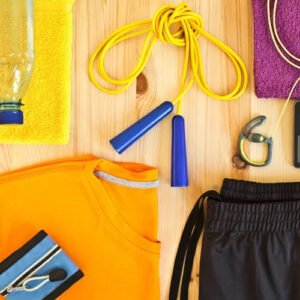
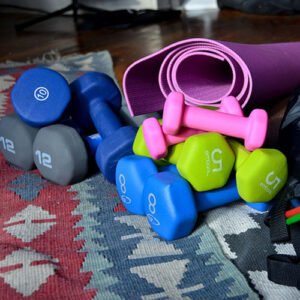
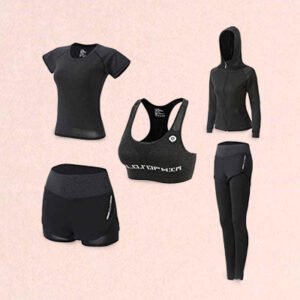













Sports and fitness shopping in India is no longer limited to choosing a pair of running shoes or a basic set of dumbbells. The 2026 buying landscape covers connected fitness, recovery equipment, versatile home-training accessories, performance footwear, activity tracking, functional training and products designed for increasingly flexible workout routines. For shoppers, the important question is not simply which fitness product is popular, but which features genuinely improve training, comfort, consistency and long-term value.
This guide is designed for commercial comparison rather than simply listing fashionable products. Before choosing any sports or fitness product, consider how often you will use it, where you will use it, the type of exercise you perform, the climate in your part of India, storage requirements, maintenance, sizing and the availability of replacement parts or accessories.
Brand familiarity can be useful when comparing specifications and support information. Depending on the product category, shoppers may encounter brands such as Nike, Adidas, Puma, ASICS, New Balance, Reebok, Decathlon, Garmin, Fitbit, Samsung, Amazfit, Xiaomi, JBL, Cultsport, Boldfit and Strauss. Brand recognition should not replace specification-level comparison, however. A less expensive product with the right construction and features can be a better fit than a premium model with functions you will never use.
The following ten areas represent useful directions for shoppers researching sports and fitness products in India. They are presented as buying categories and evaluation trends rather than unsupported claims that a particular product is objectively the number-one choice.
Fitness tracking continues to make exercise data easier to understand. Smartwatches and fitness trackers can combine activity information with functions such as workout recording, heart-rate monitoring, sleep-related metrics, GPS on supported models, notifications and training summaries.
The most important buying decision is deciding how much tracking you actually need. A casual walker may prefer a simple tracker with reliable activity measurement and long battery life, while a runner or cyclist may place greater value on GPS functionality, workout modes, route recording and compatibility with a wider fitness ecosystem.
Running footwear has become increasingly specialised, making the traditional idea of one shoe for every activity less useful. A daily trainer, lightweight running shoe, trail shoe and gym-training shoe can have substantially different design priorities.
For Indian shoppers, fit should receive at least as much attention as cushioning technology. Foot shape, available width, toe-box space, heel security and intended running surface all influence whether a shoe feels appropriate. A highly cushioned model is not automatically the best option for every runner.
Brands including ASICS, Nike, Adidas, New Balance, Puma and Reebok offer different footwear families and construction approaches. Compare the individual model specifications rather than selecting solely by brand.
Home training remains attractive because it removes travel time and allows exercise to fit around work, family responsibilities and changing schedules. The strongest home-fitness purchase is not necessarily the largest piece of equipment. Versatility, storage and frequency of use often matter more.
Resistance bands, adjustable dumbbells, kettlebells, skipping ropes, yoga mats, push-up equipment and compact training accessories can support a broad range of exercises without requiring a dedicated gym room.
When comparing home equipment, examine construction quality, load limits, adjustment mechanisms, grip design, dimensions and storage requirements. A product that looks versatile but is difficult to adjust or store may receive less real-world use.
Recovery products have moved beyond a niche category. Foam rollers, massage balls, stretching accessories, compression products and massage devices can be incorporated into warm-up, cooldown or general recovery routines depending on individual needs.
Massage guns require particularly careful comparison because specifications can vary considerably. Shoppers may encounter different attachment heads, speed settings, amplitude descriptions, battery arrangements and physical designs. More settings do not automatically mean better results.
Recovery equipment should not be treated as a substitute for professional assessment when pain, injury or a persistent physical problem is involved.
Functional training equipment is attractive because a relatively small collection of accessories can support multiple movement patterns. Resistance bands, suspension-style trainers, kettlebells, medicine balls, agility equipment and adjustable weights can be used for strength, conditioning and mobility-focused routines.
The key comparison is adaptability. Instead of asking how many exercises appear in a product description, consider whether the equipment can be used safely and conveniently for the exercises you already perform.
Yoga and mobility products occupy an important part of the broader fitness market because they can complement running, strength training, sports and everyday movement. A good mat, block, strap or mobility accessory should be selected according to the activity rather than appearance alone.
For yoga mats, thickness involves a trade-off. A thicker surface can provide additional cushioning, while a thinner mat may offer greater stability and a closer connection to the floor. Grip, material, dimensions, weight and cleaning requirements are also important.
Sportswear is increasingly divided by activity rather than simply labelled as generic gym clothing. Running tops, training shorts, yoga apparel, cycling clothing and outdoor sportswear can have different fabric weights, stretch characteristics, ventilation features and construction details.
India's varied climate makes material selection particularly relevant. In hot and humid conditions, lightweight fabrics and moisture-management features may be more comfortable, while cooler regions or winter training can justify layering systems.
Brands such as Nike, Adidas, Puma, Reebok and Decathlon offer products across different activity categories. Compare fabric composition, fit, seams, waistband construction, pockets and care instructions instead of relying only on appearance.
Hydration products have become more specialised, particularly for people who exercise outdoors, commute to training sessions or spend extended periods away from home. Reusable bottles, insulated bottles, sports bottles and hydration packs each suit different use cases.
For everyday gym use, a bottle that is easy to clean may be more valuable than advanced features. For outdoor activity, capacity, carrying convenience, leak resistance and accessibility can become more important.
Another important direction is the move toward equipment designed for specific sports. Cricket, badminton, football, basketball, cycling, swimming and racquet sports each have different equipment requirements, so generic fitness products are not always appropriate.
For sport-specific purchases, start with the technical requirements of the activity. A cricket bat, badminton racket, football boot or cycling accessory should be evaluated using the specifications relevant to that sport rather than general fitness criteria.
Compact equipment is especially useful for urban homes and people who do not want a permanent workout setup. Foldable benches, compact cardio equipment, resistance systems and small accessories can make training easier to integrate into limited spaces.
Dimensions listed by the manufacturer should be checked carefully. Pay attention not only to the equipment's folded size but also to the space required while it is actually being used. Moving parts can require additional clearance.
The best purchase depends on the relationship between your goals, environment, budget and usage frequency. A technically advanced product that remains unused is poor value regardless of its feature list.
Define the main reason for buying the product before comparing models. Common objectives include running, walking, strength training, weight management, mobility, yoga, sports practice, general conditioning or tracking daily activity.
Once the primary goal is clear, eliminate products that do not directly support it. This prevents feature overload and makes price comparisons more meaningful.
Usage frequency changes the importance of durability, comfort and convenience. A product used several times a week deserves more attention to construction, fit and maintenance than an occasional-use accessory.
Think about your realistic routine rather than an ideal routine. If a product takes considerable time to assemble, clean or configure, that inconvenience can affect how often it is used.
Customer ratings can help identify common ownership concerns, but ratings alone cannot determine whether a product suits your requirements. Compare specifications first, then use customer feedback to investigate potential issues.
Sportswear may use polyester, nylon, elastane and blended fabrics in different combinations. Polyester can be valued for durability and moisture-management properties, while elastane is commonly used to add stretch. Nylon may be selected for specific strength and feel characteristics.
Do not assume that one fabric is universally superior. The ideal material depends on activity, climate, fit and personal comfort.
Fitness accessories such as resistance bands, grips, mats and bottle components may use different elastomers or plastics. Examine flexibility, surface texture, thickness and manufacturer specifications rather than choosing by material name alone.
Foam is widely used in yoga mats, rollers, protective padding and recovery products. Density and construction can influence firmness and durability. For recovery products, firmness is particularly important because different users may prefer different levels of pressure.
Strength-training equipment often uses steel or other metal components. Look beyond the basic material label and examine adjustment mechanisms, welds, handles, locking systems and surface finishing. The weakest mechanical component can determine the practical durability of an otherwise robust product.
Dimensions are frequently overlooked when shoppers focus on features. A treadmill, bench, exercise bike or storage rack should be measured against both the available room and the clearance required for safe operation.
Never treat maximum load figures as a suggestion to exceed. Check the manufacturer's stated limits and consider the combined load where equipment supports a person and additional resistance.
For smartwatches, fitness trackers and electronic fitness equipment, battery performance should be evaluated according to actual use. GPS, screen brightness, notifications, workout tracking and other active features can affect runtime.
Smart fitness products may rely on Bluetooth, Wi-Fi, GPS or smartphone applications. Before purchasing, verify that the product works with your phone and that the required application supports the functions you want.
Water resistance is not the same thing as unlimited waterproofing. If you plan to use an electronic device while swimming or in heavy rain, carefully review the manufacturer's stated rating and intended use.
When comparing two or more products, use the same criteria for every model. This reduces the chance of choosing a product because of one impressive feature while overlooking more important limitations.
More features can increase complexity without improving your experience. A smartwatch with advanced training functions is unnecessary if you mainly need step tracking and notifications. Likewise, an elaborate home-gym system may be unnecessary when a small collection of resistance equipment can support your routine.
Colour and styling are legitimate preferences, but they should not outweigh fit, stability, intended surface and comfort. The same shoe model can feel very different depending on foot shape and individual preference.
Fitness equipment can accumulate sweat, dust and moisture. Products with complicated cleaning requirements may be harder to maintain consistently. Before purchasing, check cleaning instructions and determine whether the product can be kept hygienic with the time and supplies you realistically have.
Large equipment can become a problem when it occupies valuable living space between workouts. Always consider where an item will live when it is not being used.
The cheapest product is not always the lowest-cost option over its useful life. Consider durability, replacement accessories, batteries, consumables, maintenance and any required subscriptions or additional equipment.
A positive review reflects another person's experience, not necessarily your requirements. Read reviews for information about specific characteristics such as sizing, battery performance, noise, comfort, durability or ease of setup.
Reviews are most useful when they contain specific observations. Look for comments that explain how the product was used, how frequently it was used and what happened over time.
India's climate varies significantly, so fitness products should be selected with local conditions in mind. Someone training in a hot and humid coastal environment may have different clothing and hydration priorities from someone exercising in a colder northern region during winter.
Outdoor users should consider heat, humidity, dust, rain and surface conditions. Indoor users should think about ventilation, floor protection and noise. These practical environmental factors can matter more than small differences between competing feature lists.
Breathable clothing, comfortable footwear, convenient hydration and sweat-resistant equipment surfaces can become particularly important. Electronic devices should also be used according to their specified environmental limits.
Outdoor runners and walkers should pay attention to traction, drying time and equipment protection. Bags and electronic accessories may require additional protection from moisture.
Layering becomes more useful when temperatures fall. Instead of buying one heavy garment, a combination of base layers and outer layers can provide greater flexibility across changing conditions.
Brand selection can provide a useful starting point, but each brand has products across different price levels and performance categories. Compare the exact model, not just the manufacturer name.
This list is intended as a comparison starting point rather than an endorsement or ranking. Product quality, specifications and suitability can vary substantially within each brand.
A sensible fitness budget should prioritise products that directly affect your training. For a runner, footwear may deserve more attention than decorative accessories. For strength training, reliable resistance equipment may be more important than connected technology. For a home yoga routine, a comfortable mat and useful mobility accessories may provide more value than a large collection of equipment.
Separate purchases into three groups: essential equipment, useful upgrades and optional convenience features. This approach makes it easier to avoid spending heavily on features that do not change your training routine.
Start with one or two dependable products that address the main activity. Avoid purchasing an entire collection before establishing a consistent routine.
At this level, compare construction, comfort, adjustability and long-term usability more carefully. Small improvements in convenience can be worthwhile when the product will be used frequently.
Premium pricing should be justified by features or construction that matter to your particular use. Advanced tracking, specialist materials or sophisticated adjustment systems are valuable only when you will actually use them.
A useful home setup can be built gradually. Start with equipment that supports several movements and requires little storage space. Depending on your routine, this might include a training mat, resistance bands, adjustable weights, a skipping rope or another compact accessory.
Once the routine is established, add specialised equipment according to the exercises you perform most often. This prevents a common problem in home fitness: accumulating equipment without creating a practical training environment.
Technology can make training more measurable, but data quality and usability are more important than the number of metrics displayed. Before choosing a connected fitness product, determine what information you will actually use.
Also check whether a feature is available directly on the device or requires a smartphone connection. This distinction can significantly affect convenience.
Beginners should generally prioritise simplicity, comfort and consistency. There is little advantage in purchasing advanced equipment before understanding how frequently it will be used.
For someone starting a walking or running routine, suitable footwear and comfortable clothing may be more relevant than advanced wearable technology. For home strength training, adjustable resistance equipment can offer flexibility without requiring a large collection of separate weights.
The best beginner purchase is usually the product that removes a practical barrier to exercising rather than the product with the longest feature list.
Experienced users can justify more specialised equipment when they understand exactly what limitation they are trying to solve. A runner may need a specific footwear category, a cyclist may need sport-specific accessories, and a strength trainee may benefit from more precise load progression.
At this stage, specifications should be compared against an established training routine. Avoid paying for an upgrade unless it provides a meaningful improvement in comfort, functionality, durability or measurement.
Regular maintenance can help preserve equipment and improve hygiene. Always follow the manufacturer's care instructions because cleaning methods vary by material and construction.
A discount can make a product attractive, but the reduced price should not be the first comparison point. Begin by confirming that the product has the required specifications and appropriate sizing. Then compare the current price with competing models that offer similar functionality.
When browsing deals in India, check the exact model number, included accessories, seller information, applicable warranty terms and return conditions shown by the retailer. Product names can be very similar across generations, so model identification matters.
A top-ten format is useful as a starting point, but there is no universally best sports fitness product for every Indian shopper. The right choice changes according to activity, budget, body dimensions, available space, climate and experience level.
Use the ten trend categories above to identify the type of product you need first. Then narrow the selection using specifications, verified customer feedback and current retailer information. This two-stage approach is more reliable than choosing a product simply because it appears high in a generic ranking.
That depends on the activity. Popular buying categories include performance footwear, smart fitness trackers, home-training equipment, recovery accessories, yoga products, sportswear, hydration products and compact exercise equipment. The most suitable category is the one that directly supports your routine.
Compare dimensions, materials, capacity, compatibility, included accessories, maintenance requirements, warranty information and verified customer feedback. For wearable or electronic products, also check battery and smartphone compatibility.
No. Higher-priced products may provide additional features, specialised construction or premium materials, but those advantages are useful only when they match your needs. Compare specifications and ownership requirements before paying more.
Depending on the category, shoppers can compare brands such as Nike, Adidas, ASICS, New Balance, Puma, Reebok, Decathlon, Garmin, Fitbit, Samsung, Amazfit, Xiaomi, Cultsport, Boldfit and Strauss. The exact model remains more important than the brand name alone.
There is no single best product for every beginner. Choose equipment that supports your primary activity, is comfortable to use and is simple enough to encourage consistent exercise.
Consider your schedule, available space, exercise preferences and consistency. Home equipment can be convenient for short or flexible sessions, while a gym can provide access to a wider range of equipment without requiring storage at home.
Customer reviews can provide useful information about fit, durability, comfort, setup and recurring problems. They should be used alongside specifications rather than treated as a replacement for them.
Fitness products, model generations, specifications, retailer pricing and availability can change. A buying guide should therefore be reviewed periodically, especially when presenting current-year recommendations or deals.
The strongest sports and fitness purchase is not necessarily the newest, most expensive or most heavily featured option. It is the product that fits your activity, body, environment, available space and realistic routine while offering appropriate construction and useful features.
For Indian shoppers, begin by identifying the exercise category, then compare the technical specifications that matter for that activity. Check fit and dimensions carefully, investigate verified customer feedback, review manufacturer information and compare current retailer pricing before making a final decision.
Whether you are searching for running shoes, smart fitness technology, home-gym equipment, recovery tools, yoga accessories, sportswear or compact workout products, a specification-first approach can make the buying process considerably more useful. Treat trends as a way to discover new categories, not as a reason to purchase something you do not need.
Which section should be expanded next: running shoes, smartwatches, or home-gym equipment?