

♥ Wishlist
Compare 52 verified Sports Bras for Women products in India. Reviews, ratings, pros, cons and buying advice updated for October 2026.


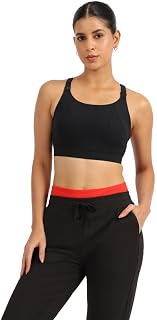


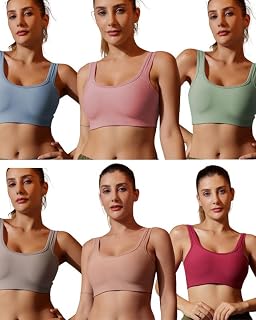

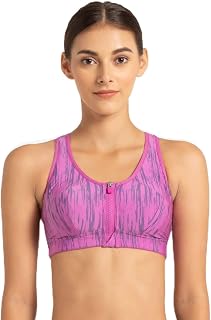


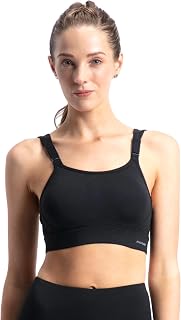


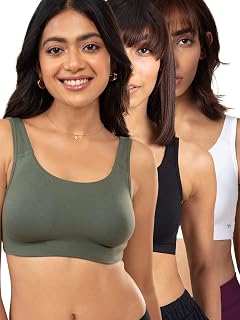


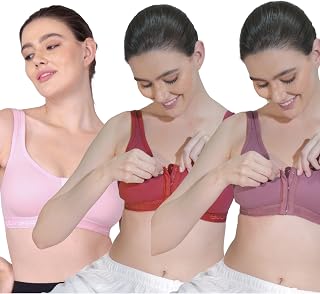


Choosing a sports bra in India in 2026 is about more than picking a popular colour or a familiar brand. The right design should match your activity, support needs, fit preferences, climate, fabric expectations and how frequently you intend to use it. A sports bra that works well for walking may not provide the stability required for running, jumping or high-intensity training, while an aggressively compressive style may feel uncomfortable during longer workouts.
This guide is designed to make sports-bra shopping easier by explaining the features that matter before you compare individual products. It covers current design trends, support levels, construction, fabrics, fit, adjustability, sweat management, sizing, care and common buying mistakes relevant to shoppers in India.
Sports-bra designs continue to move toward a balance between performance, comfort and everyday versatility. Instead of treating a sports bra purely as workout equipment, many shoppers now look for pieces that can transition between gym sessions, yoga, walking, travel and casual athleisure outfits.
The best sports bra is not necessarily the most expensive, most heavily padded or most supportive model. It is the one whose construction suits your activity and body comfortably without sacrificing the stability you need.
Support level should be one of the first specifications you compare. Low-impact activities generally allow more freedom in choosing lightweight designs, while high-impact exercise requires substantially better control and stability.
When a manufacturer specifies a support category, compare it with the type of exercise you actually perform rather than treating the label as an absolute performance guarantee.
Sports bras commonly use compression, encapsulation or a combination of both approaches. Compression designs hold breast tissue closer to the body and are often associated with simple, streamlined construction. Encapsulation designs use individual cups or shaped sections to support each breast more separately.
A combined construction can provide both movement control and more defined support. For higher-impact activities, shoppers should pay particular attention to how the entire bra controls movement rather than judging support from the amount of padding alone.
The band is one of the most important structural components of a sports bra. It should feel secure without becoming painfully tight. A band that rides upward during movement may indicate an unsuitable size, inadequate elasticity or an incompatible design.
Ideally, the band should remain relatively stable when you raise your arms, bend forward and move through the exercises you normally perform. Avoid automatically choosing a smaller size simply because you want additional support. Excessive tightness can create discomfort and make longer workouts unpleasant.
Straps should stay in position without digging into the shoulders. Adjustable straps are particularly useful because body proportions vary, even among people wearing the same nominal size.
If straps repeatedly slip, the problem may be incorrect adjustment, an unsuitable strap configuration or an incorrect overall fit. Tightening the straps excessively is not a reliable substitute for a properly fitting band.
Look for smooth cup coverage without excessive empty space, bulging or uncomfortable pressure. Padding can improve shaping and coverage, but thicker padding does not automatically mean better support.
For warm-weather workouts, some shoppers may prefer lighter padding or removable cups because they can reduce bulk and make laundering easier. For higher-impact activities, focus on the overall construction and movement control rather than cup thickness alone.
Fabric selection affects comfort, drying time, stretch, durability and how the garment feels against the skin. The ideal material depends on the activity and the environment in which you exercise.
Polyester is widely used in activewear because it can offer useful durability and relatively quick drying. It is a practical option for frequent gym sessions, running and other sweaty activities.
Nylon is valued for its smooth hand feel, stretch potential and durability. Nylon-rich blends can work well when you want a close-fitting sports bra that remains comfortable through repeated movement.
Elastane, also commonly referred to as spandex, is frequently blended with other fibres to provide stretch and recovery. The percentage and fabric construction can affect how easily a bra moves with the body and how well it returns to its original shape.
Cotton can feel comfortable and breathable for low-intensity or everyday use, but shoppers should consider drying time and moisture retention before choosing cotton-heavy construction for intense workouts. A technical synthetic blend may be more practical for activities that produce substantial sweat.
Seamless designs can reduce the number of traditional sewn seams and may feel smoother under clothing. However, seamless construction should not automatically be interpreted as high support. Examine the band, knit structure, stretch recovery and stated activity suitability separately.
Running involves repeated impact, so stability should take priority over purely fashion-oriented features. Look for a secure underband, reliable straps, adequate coverage and a construction designed for high-impact activity.
Runners should also consider moisture management, chafing prevention and the ease of putting the bra on and taking it off. A highly supportive pullover style may be effective but can be less convenient to change out of than a design with a front or back closure.
Strength training involves a mixture of controlled movement, bending, stretching and upper-body exercises. Medium support can be sufficient for many routines, although the appropriate level depends on the individual's needs and the exercises performed.
Adjustable straps and moderate compression can be useful when the workout includes movements that repeatedly change shoulder position.
Yoga generally benefits from flexibility and comfort rather than maximum compression. Look for soft stretch fabrics, comfortable straps and a neckline that remains secure during forward bends and inverted positions.
Very rigid high-support construction may feel unnecessarily restrictive during mobility-focused sessions.
Walking typically allows a lighter construction, particularly for relaxed or moderate-paced sessions. A comfortable low- or medium-support bra may be preferable to a heavily structured high-impact model.
High-intensity interval training and aerobics can involve rapid changes in direction, jumping and repeated impact. A secure high-support design with stable straps and a supportive band is generally a better starting point than a minimalist fashion bra.
Racerback designs bring the straps closer together behind the shoulders and can reduce interference with arm movement. They are common in gym and training apparel.
Cross-back straps can distribute tension across the upper back and create a secure athletic fit. However, the crossing point should sit comfortably rather than pressing against the neck or upper spine.
A front zipper can make changing easier, especially when the garment uses firm compression. Check whether the zipper has adequate protection against skin contact and whether the construction stays closed securely during movement.
Back closures allow the wearer to put on the garment without stretching the entire bra over the head. Multiple rows of hooks can also provide some flexibility as the fit changes with wear.
Removable pads offer versatility but can shift if the pocket or cup construction is poorly designed. Compare the shape and accessibility of the pad compartment and consider whether you are comfortable removing the pads before washing.
A wider underband can spread pressure across a larger area and may feel more secure than a narrow elastic band. Width alone, however, does not determine support; elasticity, construction and fit matter as well.
When comparing sports bras, it can be useful to review offerings from established activewear and innerwear brands alongside less expensive alternatives. Nike, Adidas and Puma are widely recognised sportswear names with performance-oriented product ranges, while HRX is another familiar name in the Indian activewear market.
For shoppers who prioritise innerwear-focused construction, brands such as Jockey, Triumph and Enamor can also be worth comparing depending on the available sports-bra range and the specific requirements of the workout.
Brand reputation should not replace product-level comparison. Always examine the exact model, support description, size chart, material composition, closure, care instructions and customer feedback before deciding.
Product specifications can reveal considerably more than the product title. Before purchasing, compare the following details:
Sports-bra sizing can vary significantly between brands and designs. A shopper who normally wears one size in a casual bra may need a different size in a compression sports bra or another brand.
Measure according to the manufacturer's instructions and compare the result with its specific size chart. If the brand provides both band and bust measurements, use both rather than selecting a size based solely on a familiar letter or number.
Climate should be part of the buying decision for Indian shoppers. In hot or humid conditions, a thick and slow-drying garment can become uncomfortable during extended workouts.
For frequent training, consider breathable construction, moisture-managing fabrics, appropriate ventilation and a design that does not trap excessive heat. In humid environments, drying speed can be particularly important because a garment that remains damp for long periods may be inconvenient to reuse.
For indoor workouts in air-conditioned gyms, fabric weight may matter less than it does for outdoor exercise. This is another reason to select the sports bra according to actual usage rather than following a single universal recommendation.
Colour, cutouts and fashionable straps can make a sports bra attractive, but visual design says little about movement control. Always check support, fit and construction first.
Maximum compression can be useful for some high-impact activities, but excessive compression can reduce comfort. The correct level is the one that provides appropriate stability for your activity without creating unnecessary pressure.
A lightweight yoga bra and a high-impact running bra have different design priorities. If you regularly switch between low- and high-impact activities, owning more than one support level can be more practical than expecting a single design to perform equally well everywhere.
Size labels are not completely standardised. Always compare your measurements with the manufacturer's chart, particularly when buying from a different brand for the first time.
Padding primarily affects shaping and coverage. It should not be treated as a direct measure of impact protection. A thin but well-engineered high-support bra may provide more stability than a heavily padded low-support design.
Sports bras are frequently exposed to sweat, repeated washing and stretching. If the care instructions are inconvenient for your routine, the garment may become harder to maintain properly.
When two products appear similar, compare them feature by feature rather than relying on the headline description.
Customer reviews can be useful for identifying practical issues that may not be obvious from product photography. Instead of focusing only on the average rating, look for repeated comments about sizing, strap stability, band tightness, fabric feel, padding movement, transparency, washing and long-term shape retention.
Pay particular attention to reviews from people describing the same activity you intend to perform. Feedback from a yoga user may not tell you much about how the same sports bra behaves during running.
Also distinguish between product-specific feedback and complaints that may relate to incorrect sizing. A consistent pattern of comments across many reviews is generally more useful than a single unusually positive or negative opinion.
A lower purchase price does not automatically represent better value, just as a premium price does not guarantee a better fit. Consider how frequently the sports bra will be used, the activity level, construction quality, fabric, adjustability and expected replacement cycle.
For occasional walking or light exercise, a simple design may provide everything you need. For frequent running or high-impact training, spending more on appropriate support and a better-fitting construction can be more meaningful than paying for decorative features.
When comparing deals in India, check whether the displayed price applies to the exact size and colour you need. Promotions can vary by variant, seller and time, so confirm the current product details before placing an order.
Sports bras that become heavily saturated with sweat should generally be washed according to the manufacturer's care instructions rather than repeatedly reused without cleaning.
Follow the care label because aggressive washing, excessive heat and unsuitable detergents can affect elastic fibres and fabric performance over time.
If the sports bra contains removable cups, check the care instructions for whether the pads should be removed before washing. Allowing them to dry fully can also help prevent unpleasant odours and distortion.
High heat can affect elastic components. Air drying is often a practical choice when permitted by the care instructions.
If you exercise several times each week, rotating between multiple sports bras can reduce the frequency with which any single garment is stretched and washed. This can also make it easier to have a clean, dry option available for every workout.
Replacement should be based on condition and performance rather than a fixed calendar date. A sports bra may need replacing when the elastic has noticeably lost its recovery, the band no longer stays secure, straps continually slip despite correct adjustment, fabric has deteriorated or the garment no longer provides the support expected for its activity.
Visible damage, permanently distorted cups or significant loss of structure are also practical warning signs. If your body measurements have changed, reassess the fit even if the garment itself appears to be in good condition.
For most shoppers, the strongest shortlist should start with functional features rather than trends. Prioritise the correct support level, dependable fit, comfortable band, appropriate coverage, suitable fabric and construction that matches the intended activity.
After those fundamentals are satisfied, convenience features such as adjustable straps, removable padding, front closures, attractive colours and longline styling can help narrow the choice further.
Indian shoppers can compare products from brands such as Nike, Adidas, Puma, HRX, Jockey, Triumph and Enamor, while also considering other established activewear and innerwear manufacturers that offer sports-focused designs. The best choice depends on the individual product rather than the brand name alone.
Before buying, compare the exact model's support category, size chart, fabric, closure, padding, customer feedback and care requirements. Availability and pricing can change, so current retailer information should always be checked at the time of purchase.
There is no single best sports bra for every shopper. The right choice depends on your activity, required support, fit, budget, preferred construction and climate. A high-support running bra may be ideal for one person while a lightweight medium-support model may be more appropriate for another.
Look for a high-support design with a stable band, secure straps, sufficient coverage and construction intended for repeated impact. Fit should be checked carefully because even a technically high-support design can perform poorly if the size is wrong.
For general strength training and gym workouts, medium support can be a practical starting point. If your routine includes running, jumping or intense cardio, consider moving to a high-support option.
Not necessarily. Padding can provide shaping and coverage, but support depends on the complete construction of the bra. Compare the band, cups, straps, compression or encapsulation and intended activity.
Seamless designs can be comfortable and useful for many workouts, particularly when a smooth feel is important. However, seamless construction alone does not determine support, so check the product's activity rating and structural features.
You can, provided the design offers enough support for running without becoming unnecessarily restrictive during yoga. Many people may find separate low- or medium-support and high-support designs more comfortable for these different activities.
It should feel secure enough to control movement but should not cause painful pressure or make normal breathing uncomfortable. The band should remain relatively stable during movement without riding upward.
Common signs include excessive cup spillage, uncomfortable pressure, a painfully tight band, restricted breathing or straps that dig into the shoulders. Compare your measurements with the manufacturer's size chart before changing sizes.
Wash frequency should reflect sweat and usage. After a heavily sweaty workout, washing according to the care instructions is generally appropriate. Always follow the manufacturer's specific washing recommendations.
Price should be evaluated against construction, fit, support, materials, adjustability and expected use. A more expensive model is worthwhile only if its features solve a need that matters to you.
The smartest way to compare the latest sports bras in India is to start with function and finish with style. Identify your main activity, choose the appropriate support level, measure carefully, examine construction and materials, and then compare customer feedback and current prices.
For running and high-impact training, prioritise movement control and a secure fit. For gym workouts, look for a balanced combination of support and mobility. For yoga, walking and everyday athleisure, comfort and flexibility may be more important than maximum compression.
Brands such as Nike, Adidas, Puma, HRX, Jockey, Triumph and Enamor provide useful benchmarks when comparing designs, but the exact product specification remains more important than the logo on the garment. Check the latest specifications, size information, customer reviews and current retailer pricing before making the final decision.