

♥ Wishlist
Compare 43 verified Women Trekking Shoes for Outdoor Adventures products in India. Reviews, ratings, pros, cons and buying advice updated for October 2026.


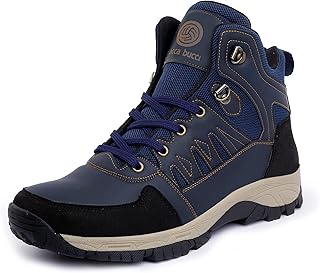


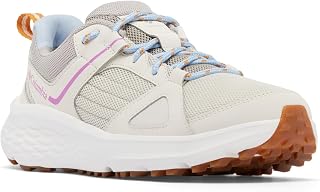


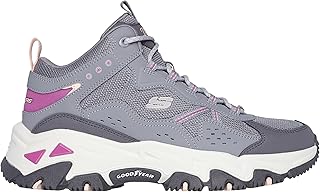
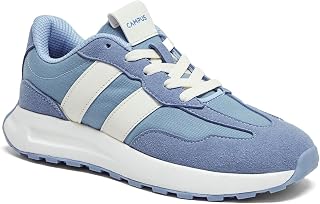


Choosing women’s trekking shoes is less about finding the most fashionable pair and more about matching the shoe to the terrain, weather, walking distance, pack weight and individual foot shape. A shoe that feels excellent on a city pavement can behave very differently on loose gravel, wet rock, muddy trails or long mountain descents. For shoppers in India, the choice also needs to account for varied conditions ranging from hot and dry trails to monsoon-soaked paths and colder Himalayan routes.
This 2026 buying guide is designed to make comparison easier by focusing on the features that genuinely affect trekking performance: outsole grip, traction pattern, midsole cushioning, heel stability, upper construction, water resistance, breathability, fit, weight and durability. When comparing products, look beyond appearance and consider whether the construction suits the type of trekking you actually intend to do.
A good trekking shoe should provide a balanced combination of traction, stability, comfort and protection without adding unnecessary weight. There is no single construction that is ideal for every woman or every trail. Lightweight shoes may be preferable for day hikes and fast-moving routes, while more supportive designs can make more sense for uneven terrain, heavier backpacks or longer mountain journeys.
The terms trekking shoes, hiking shoes and trail shoes are often used interchangeably, but their intended characteristics can differ. Understanding the distinction helps prevent buying a shoe that is unsuitable for the intended route.
Trekking shoes generally prioritise protection, traction and stability. They can be a practical middle ground between lightweight hiking footwear and heavier trekking boots. Many are suitable for day hikes, weekend treks and moderate mountain trails where ankle-high boot construction is unnecessary.
Hiking shoes tend to emphasise walking comfort, moderate protection and versatile traction. They can be suitable for maintained trails, forest walks and mixed outdoor use. Their lower weight can make them appealing when carrying a lighter load.
Trail running shoes typically prioritise low weight, flexibility and responsive movement. They can work well for experienced hikers who prefer a more agile feel, but some models may provide less protection or structural support than traditional trekking footwear.
Higher-cut trekking boots generally provide greater ankle coverage and can be useful for demanding terrain, heavier loads or conditions where additional structure is desirable. They are usually heavier and less flexible than low-cut shoes, so buying a boot simply because it looks more rugged is not always the best choice.
For trekking footwear, the outsole is one of the most important components to evaluate. The tread pattern affects how effectively the shoe interacts with mud, dirt, gravel, rock and other surfaces.
Deeper lugs can help a shoe bite into loose soil and muddy surfaces. However, extremely aggressive tread is not automatically better. On hard, relatively smooth surfaces, an overly deep or widely spaced tread can feel less comfortable and may not provide the smooth walking experience expected from a versatile hiking shoe.
The direction and arrangement of the lugs can influence braking and forward traction. Heel-area tread is particularly important during descents, while the forefoot needs dependable grip when climbing. Look for a tread pattern that matches the terrain rather than selecting purely by visual appearance.
Different outsole rubber formulations can be designed to balance durability and grip. Softer compounds can provide strong traction on suitable surfaces but may wear more quickly under abrasive use. Harder compounds can offer durability but may have a different traction feel. Manufacturer specifications and credible customer feedback can help when comparing these characteristics.
The midsole sits between the outsole and footbed and plays a major role in cushioning, stability and walking comfort. Foam density, geometry and overall construction can change how a shoe feels after several hours on the trail.
The best choice is highly individual. Women who spend most of their time on relatively smooth trails may prioritise cushioning, whereas technical hikers may place greater importance on controlled foot placement and stability.
Water protection is an important consideration in India because trekking conditions can vary dramatically by region and season. Monsoon routes may involve wet grass, muddy paths and shallow streams, while hot-weather trails can make ventilation a higher priority.
Water-resistant or waterproof footwear can be useful for wet trails, colder environments and routes where exposure to rain is expected. A waterproof membrane can reduce water entering through the upper, although the effectiveness of the overall shoe also depends on seams, tongue construction and the height of water encountered.
For hot and humid conditions, highly enclosed waterproof construction can feel warmer than a ventilated upper. If the majority of your trekking takes place in dry or warm environments, a breathable shoe may be the more comfortable option.
Water-resistant materials can repel light moisture without providing the same protection as a waterproof membrane. Product descriptions should be read carefully so that you understand what level of protection the manufacturer actually specifies.
Material selection affects weight, durability, ventilation, water protection and maintenance requirements.
Mesh is commonly used where airflow and low weight are priorities. It can be particularly appealing for warm-weather trekking, but open mesh may provide less protection against heavy rain unless combined with an appropriate waterproof construction.
Synthetic materials can provide a practical balance between durability, weight and maintenance. They are widely used in modern hiking footwear and can be combined with mesh panels or protective overlays.
Leather can provide durability and a substantial feel, although it can also increase weight and may require more care. Leather trekking footwear can be appropriate for hikers who value robust construction and do not mind a more traditional shoe feel.
A reinforced toe box or protective toe cap can be useful on rocky trails where accidental contact with stones and roots is common. The protection should not make the toe area so restrictive that it causes pressure during descents.
Even technically advanced trekking shoes can become uncomfortable when the fit is wrong. Fit should be evaluated with the type of trekking in mind because feet can swell during extended activity.
Women's footwear should not be selected solely because a model is marketed as a women's shoe. Individual foot shape varies considerably. Some women need more room around the forefoot, while others prefer a narrower heel or a more structured midfoot.
Pay attention to the shape of the toe box, heel cup and midfoot rather than relying exclusively on the listed shoe size. A shoe that is technically excellent but incompatible with your foot shape can still cause discomfort.
Cushioning requirements depend on body weight, walking style, terrain, mileage and personal preference. More cushioning can reduce the harsh feel of repeated impacts, but maximum cushioning is not automatically the best choice for technical trekking.
For short recreational hikes, moderate cushioning may provide a good balance of comfort and stability. For longer routes, additional cushioning can become more attractive, particularly when the trail involves many hours of continuous walking. On technical terrain, however, excessive softness can make precise foot placement more difficult.
Heel-to-toe drop describes the difference in height between the heel and forefoot of the shoe. A higher drop can feel familiar to walkers accustomed to traditional athletic footwear, while lower-drop designs can create a different underfoot sensation.
There is no universally correct drop for trekking. The important consideration is how the geometry interacts with your natural stride, existing footwear preferences and the terrain. A sudden change to a dramatically different shoe geometry immediately before a demanding trek is best avoided.
Weight matters because every additional gram is carried through thousands of steps. Lightweight shoes can feel agile and comfortable on long day hikes, but reducing weight can involve compromises in protection, structure or outsole construction.
Heavy-duty footwear may provide a more secure and protective feel on demanding trails, particularly when carrying a backpack. The trade-off is that heavier footwear can feel tiring during fast-paced or extended walking.
Instead of asking whether the lightest shoe is the best, ask whether the shoe provides enough protection and stability for your intended route without adding unnecessary bulk.
Brand reputation can be a useful starting point, but the individual model remains more important than the logo. Depending on the intended use, shoppers may compare ranges from established outdoor and sports brands such as Decathlon, Quechua, Forclaz, Columbia, Salomon, Merrell, adidas, ASICS, Skechers, Woodland and Nike.
Availability, model selection and specifications can change during 2026, so check the current product page, size chart, construction details and verified customer feedback before making a purchase. Do not assume that every trekking shoe from the same brand has identical grip, waterproofing or fit characteristics.
When narrowing down a shortlist, compare each model against the same criteria rather than judging products individually. A structured comparison makes it easier to identify the model that best matches your requirements.
Beginners generally benefit from a versatile shoe with dependable traction, comfortable cushioning and a secure fit. There is usually little reason to purchase extremely technical footwear before understanding what type of trails you enjoy.
A versatile low-cut or mid-cut trekking shoe can be a practical choice for occasional weekend adventures. Prioritise comfort, reliable grip and reasonable protection rather than specialised features you may rarely use.
Look for appropriate water protection, secure traction and materials that can tolerate wet trail conditions. Deep tread can be useful on soft ground, but no outsole can guarantee grip on every wet rock or slippery surface.
Himalayan routes can vary enormously in altitude, temperature, terrain and technical difficulty. Footwear should therefore be selected according to the specific route rather than simply because a product is labelled a trekking shoe. More demanding routes may call for greater structure, protection and weather resistance.
Breathability, low weight and comfortable moisture management can become more important in hot conditions. A highly enclosed waterproof shoe may not be the most comfortable option when rain protection is not a priority.
Prioritise a stable platform, protective upper, secure heel and outsole designed for uneven ground. A very flexible casual shoe may feel less controlled when walking across rocks.
Modern trekking shoes can look similar to everyday sneakers, but visual styling does not reveal outsole compound, lug geometry, cushioning characteristics or structural support. Always inspect the technical specifications.
A shoe that feels comfortable for a few minutes indoors may become problematic after several hours of walking. Consider toe clearance, heel security and foot swelling rather than choosing solely according to your usual shoe number.
A lightweight shoe designed for dry paths may not be appropriate for muddy or technical trails. Conversely, heavy-duty footwear can be unnecessarily cumbersome for easy recreational walking.
Waterproof construction can be useful, but it may reduce ventilation compared with a more open upper. Choose according to the weather and terrain you actually encounter.
New trekking shoes should be given enough time for you to identify pressure points and confirm the fit before a demanding journey. Do not rely on a brand-new pair for a long trek without first wearing it under controlled conditions.
The cheapest model is not necessarily the best value, and the most expensive model is not necessarily the best match. Value comes from the combination of fit, construction, durability, terrain suitability and expected frequency of use.
Product descriptions often contain technical terms that can make comparisons difficult. Understanding the terminology can help you identify meaningful differences between models.
Customer reviews can be useful, but they should be interpreted carefully. A large number of reviews does not automatically mean that a shoe is ideal for your needs.
Look for repeated patterns rather than isolated comments. If several buyers independently mention sizing, heel movement, narrowness, outsole wear or water resistance, those themes deserve attention. Also consider whether reviewers used the shoe for the same purpose. Feedback from someone using a trekking shoe for city walking may not tell you much about performance on steep mountain trails.
Proper maintenance can help preserve footwear performance and extend useful life. Cleaning requirements depend on the materials and the manufacturer's care instructions.
Allowing thick mud to remain on the outsole can reduce the effectiveness of the tread. Remove loose dirt after a trek and clean the shoe according to the material-specific instructions.
After wet trekking, allow footwear to dry naturally in a well-ventilated area. Avoid excessive direct heat unless the manufacturer specifically permits it, because high temperatures can affect adhesives, materials and structural components.
Putting wet trekking shoes into a closed bag or cupboard can encourage unpleasant odours and may contribute to material deterioration. Allow them to dry thoroughly before storage.
Regularly check tread wear, especially if the shoes are frequently used on abrasive surfaces. Worn lugs can change traction and may indicate that the footwear is approaching the end of its useful service life.
Look for separation, cracking, damaged mesh, loose stitching and deteriorating overlays. Early inspection can help you identify problems before an important trip.
There is no reliable universal lifespan because durability depends on walking frequency, body weight, terrain, weather, footwear construction, maintenance and storage. A pair used occasionally on gentle trails may remain serviceable for much longer than footwear subjected to frequent rocky mountain routes.
Rather than replacing shoes according to a fixed calendar, inspect their actual condition. Loss of outsole tread, damaged upper materials, degraded cushioning, heel instability or separation between components can all be reasons to reconsider continued use.
India offers unusually diverse trekking environments, making a single "best" specification difficult to define.
Trails in Himalayan regions can involve rocky surfaces, steep gradients, changing weather and colder conditions. Depending on the route and season, additional protection, traction and weather resistance may be valuable.
Monsoon conditions can produce wet rocks, mud, dense vegetation and slippery sections. Grip and water management deserve particular attention when selecting footwear for these environments.
For warm and dry trekking, breathability and manageable weight may be more important than maximum water protection. Dust-resistant construction and easy cleaning can also be practical considerations.
Mixed trails often benefit from a versatile outsole capable of handling dirt, gravel, roots and occasional rocks. A balanced shoe can be more useful than an extremely specialised model.
Low-cut footwear generally provides greater freedom of movement and lower weight. It can be a strong option for day hikes, established trails and hikers who prefer an athletic feel.
Mid-cut designs extend higher around the ankle and can provide a more enclosed, supportive feel. They may appeal to hikers who carry more weight or encounter rougher conditions, although they can also feel warmer and heavier.
Ankle height should not be treated as a guarantee against injury. Foot placement, trail conditions, physical preparation and appropriate footwear selection all remain important.
A heavier backpack changes the demands placed on your feet and footwear. As carried weight increases, a stable platform and secure fit can become more valuable. Hikers carrying only a small daypack may have greater freedom to prioritise lightweight footwear.
For multi-day trekking, consider the complete system rather than the shoe alone: footwear, socks, pack weight, terrain, distance and weather all interact. The best shoe is the one that provides enough support for the complete load without creating unnecessary fatigue.
Trekking shoes should be evaluated with suitable socks rather than thin everyday socks. Sock thickness changes internal volume and therefore affects fit. Moisture management, cushioning and seam placement can also influence comfort during long walks.
If you plan to use thicker trekking socks, take them with you when trying footwear. A shoe that fits perfectly with a thin sock may become restrictive when paired with a thicker hiking sock.
Breaking in footwear does not mean deliberately tolerating painful blisters. The goal is to gradually become familiar with the shoe while identifying pressure points before a demanding trek.
Low-cut trekking shoes are not suitable for every adventure. Boots may be worth considering when the route, weather, load or terrain calls for greater protection and structure. Particularly demanding routes can require footwear selected specifically for the technical conditions involved.
Do not choose a boot solely because it appears safer. A heavy or poorly fitting boot can also create discomfort and fatigue. The decision should be based on route requirements, experience, pack weight and conditions.
Experienced hikers who move quickly over established trails may prefer trail running shoes because of their low weight and flexible construction. They can be particularly attractive for fast day hikes and routes where agility is more important than maximum protection.
However, trail shoes vary considerably. Examine their outsole, cushioning, upper protection and fit before assuming that any trail running shoe is suitable for trekking.
Before purchasing, create a short checklist based on the actual trip rather than on generic product claims.
Online shopping can make it easier to compare multiple trekking shoes, but footwear requires more careful checking than many other products. Before ordering, review the exact model name, available size information, stated materials, outsole construction and water-resistance claims.
Also check the current retailer information for return and exchange conditions before purchase. Footwear fit is highly individual, and a clear understanding of the applicable policy can be especially useful when buying a new brand or unfamiliar model.
Because product specifications, colourways, sizes and pricing can change, use the information displayed for the exact current product listing rather than relying on an old comparison or an outdated screenshot.
Budget should determine which features you prioritise rather than acting as the only selection criterion. At lower price points, focus first on fit, basic outsole traction, construction quality and intended-use suitability. Paying more for a feature that does not match your trekking environment may provide little practical benefit.
At higher price points, compare what the additional cost actually provides. Potential differences can include outsole technology, waterproof construction, cushioning systems, lighter materials, more sophisticated fit systems or increased protection. These features are worthwhile only when they address a real need.
Not necessarily. A more expensive shoe can offer advanced materials or construction, but the value depends on how you use it. Someone who takes occasional easy hikes may gain more from a comfortable, versatile mid-range shoe than from an expensive technical model designed for demanding conditions.
Conversely, frequent trekkers may benefit from investing in construction that offers the traction, protection, durability or weather performance required by their regular routes. Compare the exact specifications rather than assuming price alone represents performance.
When several models appear similar, prioritise the features that affect real trail performance. A practical ranking for many buyers is fit first, terrain-appropriate traction second, comfort and stability next, followed by weather protection, weight, durability and additional features.
Fit deserves special attention because even excellent traction and premium materials cannot compensate for a shoe that causes pressure, excessive movement or repeated toe impact. Once the fit is acceptable, evaluate the outsole and midsole against your specific terrain and walking distance.
Use the following framework when comparing the shortlisted products on the page:
The best pair depends on your terrain, weather, distance, budget, foot shape and preferred level of support. A versatile shoe with reliable traction and a secure fit is a sensible starting point for many beginners, while specialised trekkers may require different features.
Women's models may use different lasts, proportions, heel shapes and fit characteristics, but individual feet vary considerably. The most important consideration is whether the specific model fits your foot securely and comfortably.
They can be useful for monsoon trekking, wet trails and colder conditions, but waterproof construction is not always the best choice for hot weather. In warm conditions, breathability can be more important.
Many trekking shoes can be used for casual walking, but their tread, stiffness and weight may make them less comfortable than footwear designed specifically for urban walking. Use the shoe according to its intended construction and your comfort preferences.
No. They should provide a secure fit without compressing the toes or creating excessive pressure. Your heel should remain stable while there should be enough room at the front for natural toe movement, particularly during downhill walking.
Do not automatically size up. Instead, assess the actual fit while wearing your intended trekking socks. Some people need additional toe room, while others may find a larger size causes excessive heel movement.
Lightweight footwear can reduce the effort associated with repeated steps, but lighter construction may involve trade-offs in protection, stability or durability. Choose the lightest model that still provides the features required for your terrain.
Deep lugs can be useful on loose soil and mud, but tread depth alone does not determine traction. Lug shape, spacing, rubber characteristics and the actual trail surface all influence grip.
Toe protection can be valuable on rocky and uneven trails where contact with stones and roots is possible. However, protective construction should not create excessive restriction around the toes.
Yes, provided the shoe's traction and water-management characteristics are appropriate for the conditions. Even waterproof footwear has limits when exposed to deep water or prolonged saturation.
The heel should remain relatively secure during walking without painful compression. Excessive heel movement can create friction and reduce confidence on uneven or downhill terrain.
Not necessarily. Low-cut footwear can be appropriate for many day hikes and established trails. Higher-cut footwear may be preferred for certain demanding conditions, but route requirements should determine the choice.
Both matter, but their relative importance depends on the terrain. Grip becomes particularly important on loose, steep or wet surfaces, while cushioning can become more valuable during long hours of walking.
Do not assume that machine washing is safe. Follow the manufacturer's care instructions because heat, agitation and detergents can damage certain materials, adhesives, waterproof membranes or structural components.
Replacement should be based on condition and performance rather than a universal time period. Inspect the outsole, cushioning, upper, seams and heel structure regularly, particularly before an important trek.
The strongest women’s trekking shoe is not necessarily the newest, most expensive or most heavily marketed model. The right choice is the one whose construction matches the conditions in which you will actually use it. For most shoppers, the decision should begin with terrain and fit, followed by traction, stability, cushioning, weather protection, breathability and weight.
Before buying, compare the exact specifications of your shortlisted models, examine current customer feedback, verify the size information and review the applicable retailer return or exchange conditions. Brand names such as Decathlon, Quechua, Forclaz, Columbia, Salomon, Merrell, adidas, ASICS, Skechers, Woodland and Nike can provide useful starting points for comparison, but individual models should always be assessed on their own characteristics.
For August 2026 shopping decisions, treat current retailer listings and manufacturer specifications as the final reference for price, stock, sizes, colours and model-specific features. Product availability and offers can change, so the most useful buying decision is one based on lasting performance requirements rather than a temporary deal alone.